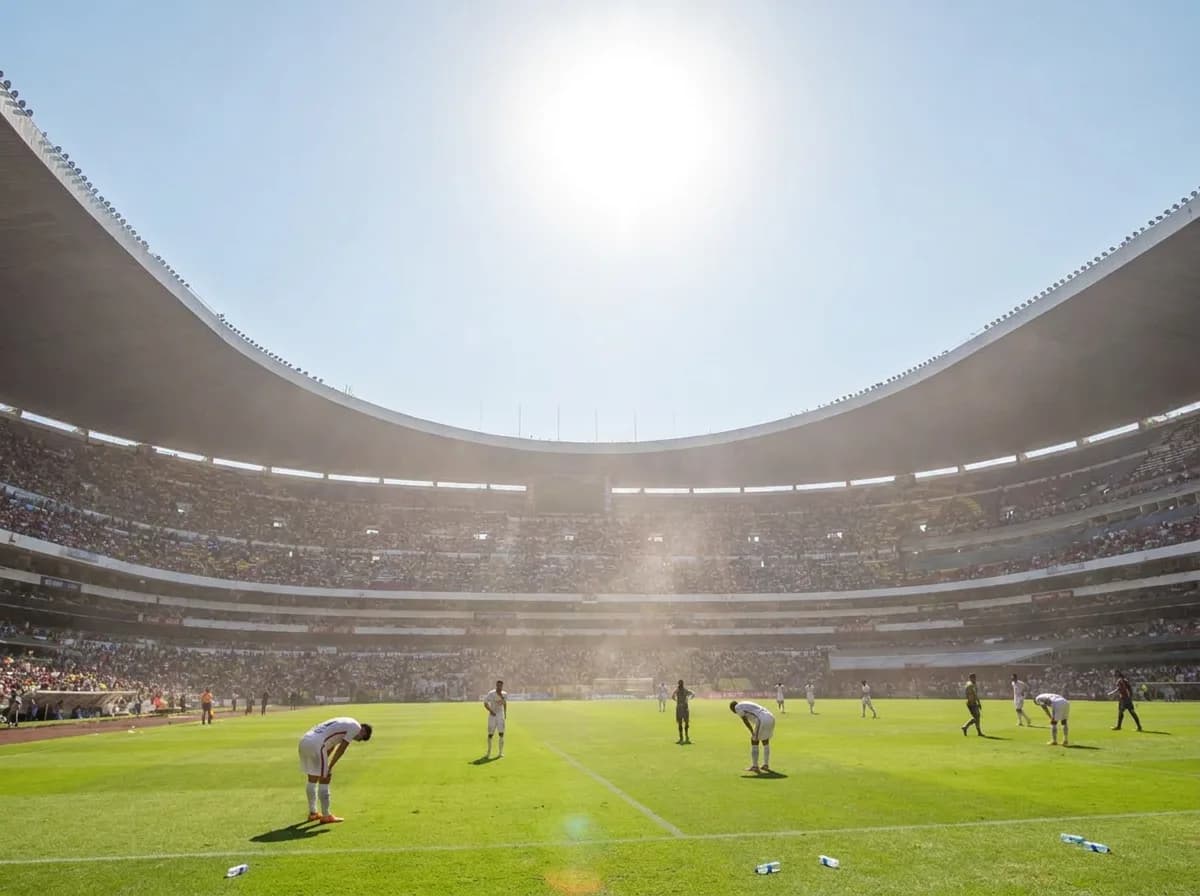
When Mexico's national team played at Azteca Stadium during World Cup qualifying, the altitude and heat left visiting teams gasping for air by the 70th minute. Now multiply that challenge across an entire continent. The 2026 World Cup will stretch from Vancouver's cool Pacific breezes to Miami's sweltering humidity, with teams potentially covering 4,000 miles between group stage matches. For the first time in tournament history, physical conditioning and recovery protocols won't just determine who wins—they'll determine who survives.
The Continental Gauntlet Awaits
The 2026 tournament spans three countries and multiple climate zones, creating logistical nightmares that would make even seasoned Premier League managers wince. Teams could face a group stage schedule that takes them from Seattle's 65-degree comfort to Dallas's 95-degree furnace in four days. The expanded 48-team format means more matches, tighter schedules, and less recovery time between crucial fixtures.
FIFA has divided the tournament into 16 host cities, but the geographic spread is unprecedented. A team based in Toronto could travel to Los Angeles for their second match—a five-hour flight crossing three time zones—then potentially head to Mexico City, where the 7,200-foot elevation has been humbling visiting teams for decades. European clubs routinely manage jet lag during preseason tours, but never with World Cup stakes hanging in the balance.
The numbers tell the story: some teams might log 15,000 air miles during the group stage alone, equivalent to flying from London to Sydney and back. Compare that to Russia 2018, where the longest domestic flight was barely 2,000 miles. Sports scientists are already calling it the most physically demanding World Cup ever staged.
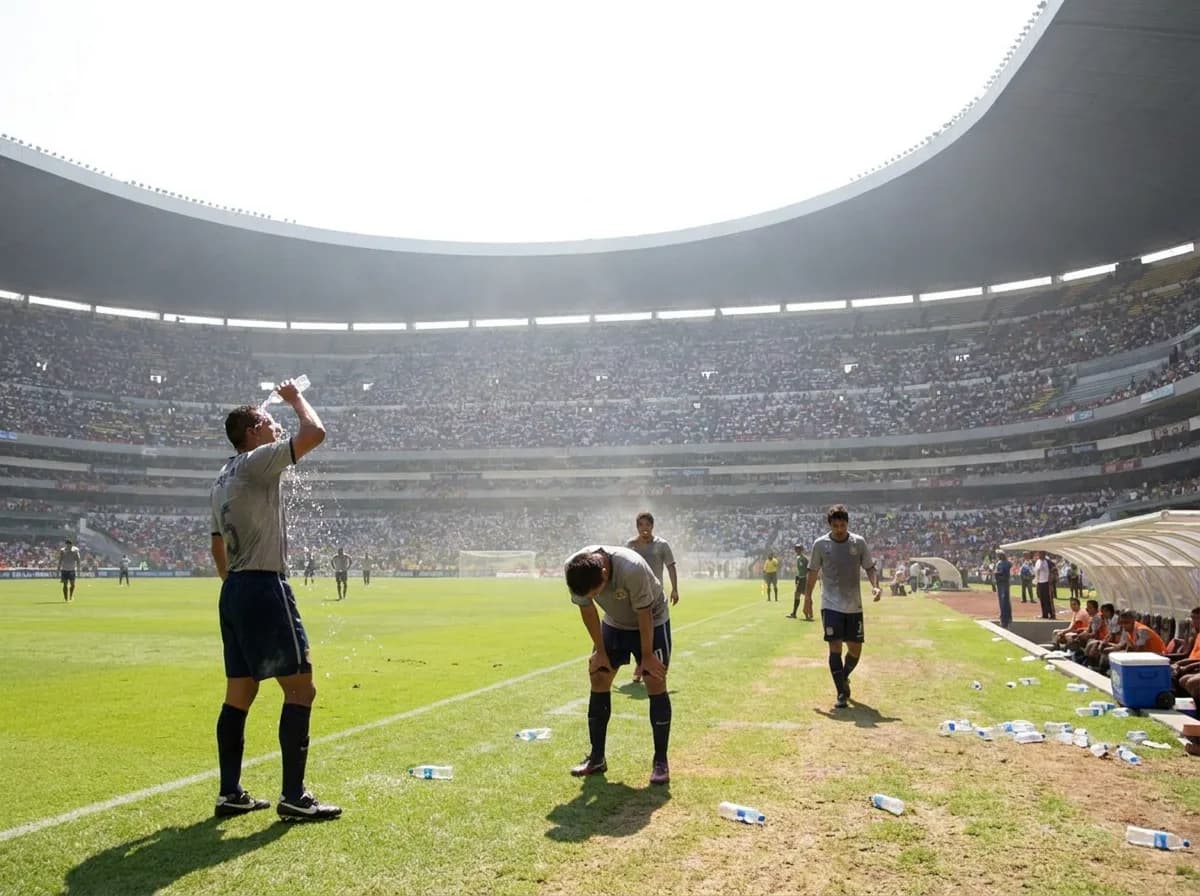
When Dallas Becomes a Furnace
Temperature extremes will separate the prepared from the pretenders. Dallas and Houston regularly hit triple digits in June and July, while air conditioning in AT&T Stadium and NRG Stadium can only do so much during the hours before kickoff when teams conduct final preparations on natural grass.
Mexico's experience with heat gives them a natural advantage. El Tri has spent decades mastering hydration protocols and cooling strategies that European teams are just beginning to adopt. Their players regularly compete in Liga MX matches where pitch temperatures exceed 100 degrees, making them walking laboratories for heat adaptation.
Brazil's sports science team has been studying their 2014 home World Cup experience, when they dominated early rounds partly due to their comfort in tropical conditions. Neymar and his teammates barely broke a sweat in matches where European opponents were visibly wilting. The same principles apply here: teams that can maintain sprint speed and decision-making clarity in extreme heat will find themselves with a massive competitive edge as matches reach their decisive final stages.
The Altitude Advantage That Mexico Owns
Mexico City's Azteca Stadium sits 7,200 feet above sea level, where oxygen levels drop by roughly 25 percent compared to coastal venues. Teams arriving just days before matches will feel the effects immediately: heavier legs, labored breathing, and decreased endurance that can't be masked by tactical adjustments.
Historical data supports Mexico's altitude dominance. Since 1970, visiting teams at Azteca have scored 40 percent fewer goals in the final 30 minutes compared to sea-level venues. The phenomenon isn't psychological—it's physiological. Red blood cell production takes weeks to adapt to altitude, time that World Cup schedules simply don't allow.
European teams are already planning altitude training camps in Colorado and Switzerland, but nothing fully replicates the combination of elevation, heat, and hostile crowds that Azteca provides. France, despite their depth and talent, struggled visibly during their last visit to Mexico City in 2022. If they're drawn into Group C with Mexico hosting at Azteca, their sports science team will earn every euro of their salary.
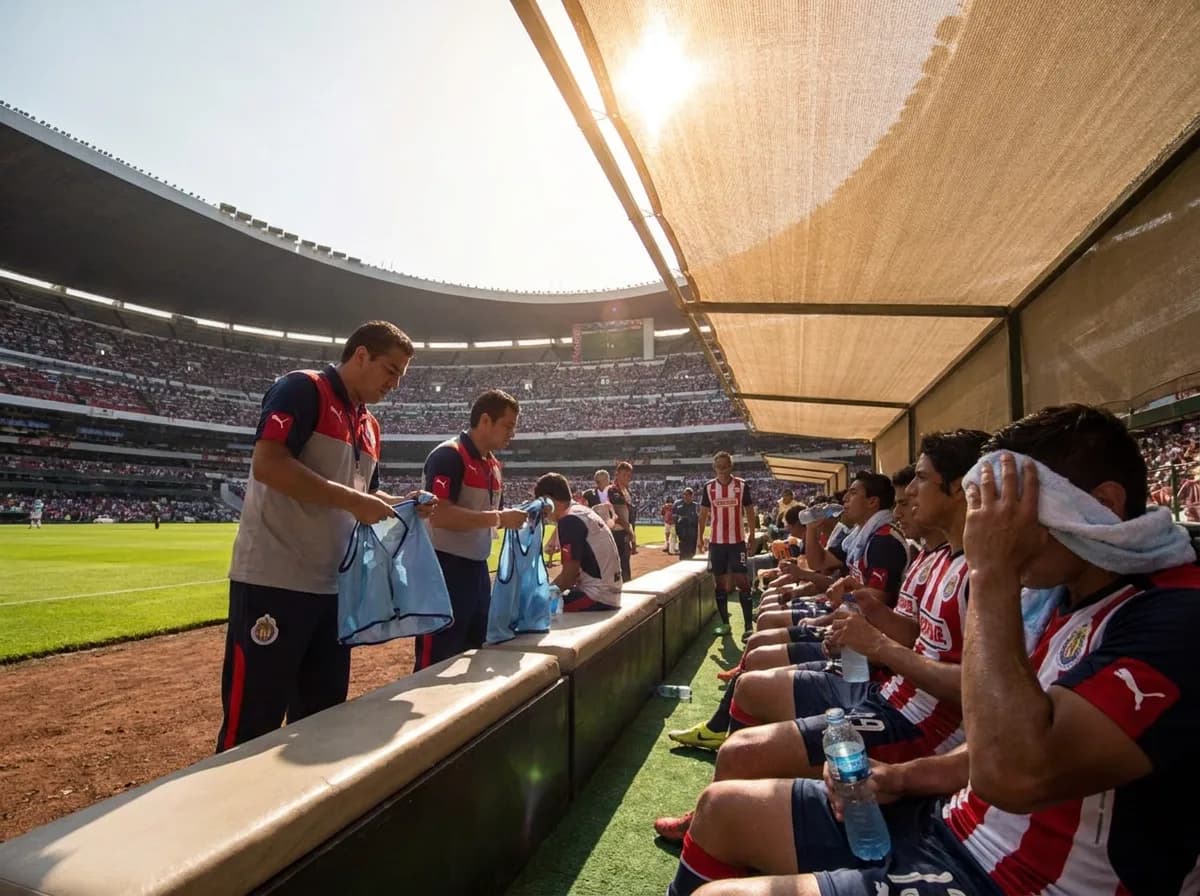
Recovery Becomes the Secret Weapon
The expanded tournament format compresses rest periods between matches while expanding travel requirements, making recovery protocols more crucial than tactical formations. Teams with superior sports science infrastructure won't just perform better—they'll stay healthier longer.
Germany's national team has invested heavily in portable recovery equipment, including mobile cryotherapy chambers and altitude simulation tents that can be set up in any hotel. Their 2014 World Cup triumph in Brazil was partly attributed to their meticulous attention to sleep optimization, nutrition timing, and muscle recovery between matches.
England's recent tournament performances have coincided with their adoption of individualized recovery plans for each player. Harry Kane's recovery needs differ vastly from Jude Bellingham's, and their sports science team now tailors everything from ice bath temperatures to meal timing accordingly. This personalized approach becomes exponentially more important when external stressors like heat and travel are added to the equation.
Spain's possession-heavy style, which conserves energy through ball control, might prove perfectly suited to the tournament's physical demands. While other teams exhaust themselves pressing and sprinting, Spain's patient buildup play could leave them fresher for knockout rounds when margins become razor-thin.
The Rotation Revolution
Squad depth will matter more in 2026 than in any previous World Cup. Teams that can rotate effectively without losing quality will find themselves with fresh legs when opponents are running on empty. The expanded rosters allow for 26 players, but strategic rotation requires trust in bench players that many national teams haven't developed.
France's embarrassment of riches suddenly looks less like luxury and more like necessity. When they can bring on Kingsley Coman for Ousmane Dembélé or substitute Eduardo Camavinga for Aurélien Tchouaméni without missing a beat, their depth becomes a decisive advantage in a tournament designed to reward endurance over brilliance.
Brazil's Dorival Júnior has been experimenting with rotation during Copa América preparation, giving fringe players meaningful minutes in competitive settings. The investment in squad chemistry now could pay massive dividends when travel fatigue and heat stress make fresh legs more valuable than tactical familiarity.
Practical Notes
Smart viewers should track teams' travel schedules and host cities when making predictions. Teams with favorable geographic draws—like Mexico potentially playing all group matches at altitude, or Canada avoiding the hottest southern venues—gain advantages that don't appear in FIFA rankings. Watch for substitution patterns in early matches; teams that rotate heavily are likely planning for the long haul, while those playing their strongest XI might be prioritizing immediate results over tournament sustainability. Temperature forecasts and kickoff times also matter more than usual—a 4 PM start in Dallas could be significantly more demanding than an 8 PM evening match in the same venue.
Tags: #WorldCup2026 #FIFA2026 #SportsScience #Soccer #Football #Mexico #Canada #USA #WorldCupTravel #AltitudeAdvantage #HeatStress #PlayerFitness #TournamentLogistics #SquadRotation #RecoveryProtocols
Sources consulted: fifa.com · espn.com
All trademarks are the property of their respective owners.
Ask Karpo first
Want to keep following the World Cup 2026 story as it unfolds? Ask Karpo for a personalized bracket, live score alerts, and a match schedule tailored to your teams and your city.