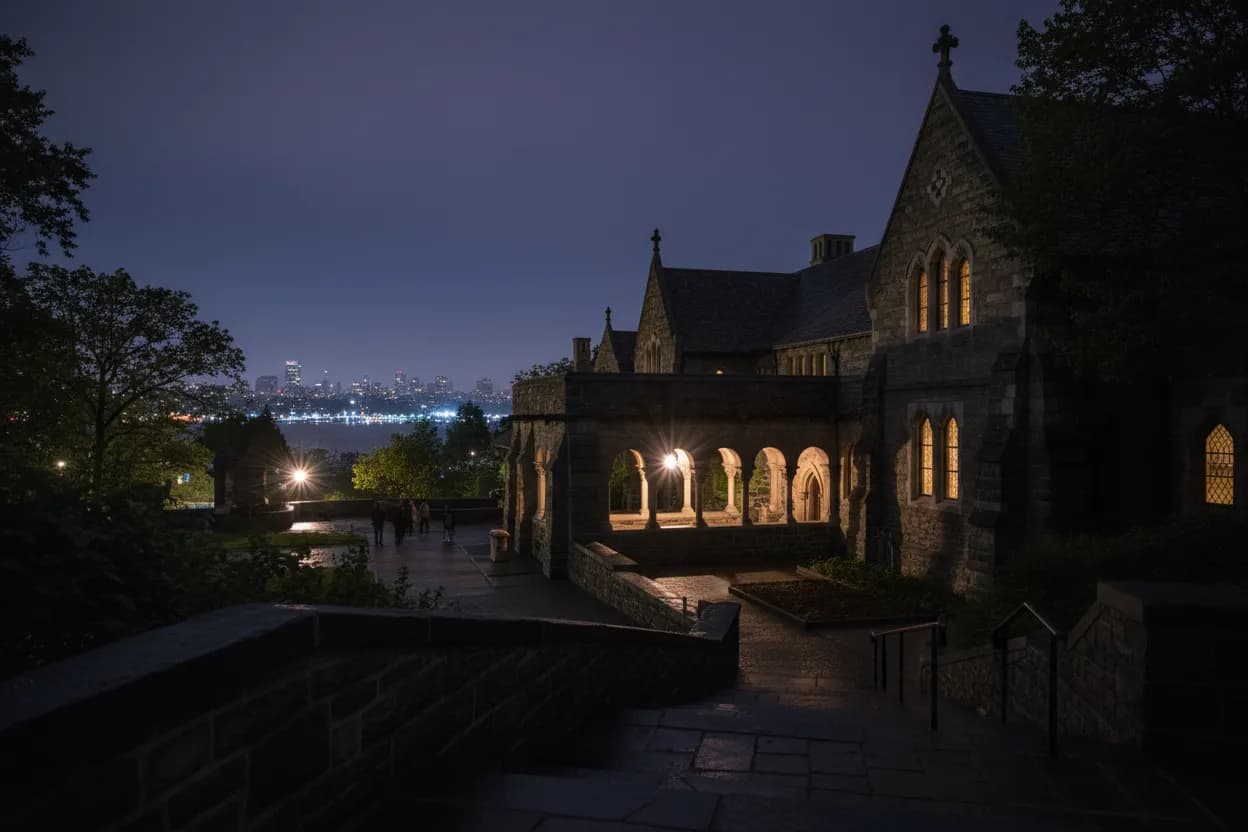
The Cloisters NYC works best when you treat it less like a checklist museum stop and more like a contained quiet day in northern Manhattan. The museum is part of The Met, opened in 1938, and is dedicated to art of the Middle Ages, with medieval-style gardens, chapels, galleries, and roughly 2,000 works dated from the 12th to 15th centuries. That is enough for a full-feeling visit without stacking your day with half the city. The smart move is to build a simple plan, verify the live details directly before you leave, and protect the mood that makes the place worth the trip.
Want a quieter museum day without guessing what is open, timed, or worth the detour? Text Karpo before you leave and get a compact plan you can actually finish.

Start With The Time Window
Do not start this day by choosing every possible stop north of Midtown. Start by choosing the window you want to protect: a morning visit, an afternoon visit, or a short garden-and-gallery reset. The Cloisters is in the northernmost part of Manhattan, which is exactly why it can feel calmer than a central museum errand. That distance is part of the experience, but it also punishes loose planning.
Because hours, entry rules, timed-ticket practices, gallery access, and garden conditions can change, confirm them on The Met’s official Cloisters page before leaving. Do not rely on an old screenshot, a social post, or a memory from a previous visit. Check the current opening days, closing time, last entry guidance if listed, ticketing requirements, and whether any spaces you care about are unavailable.
Choose One Anchor Not Five
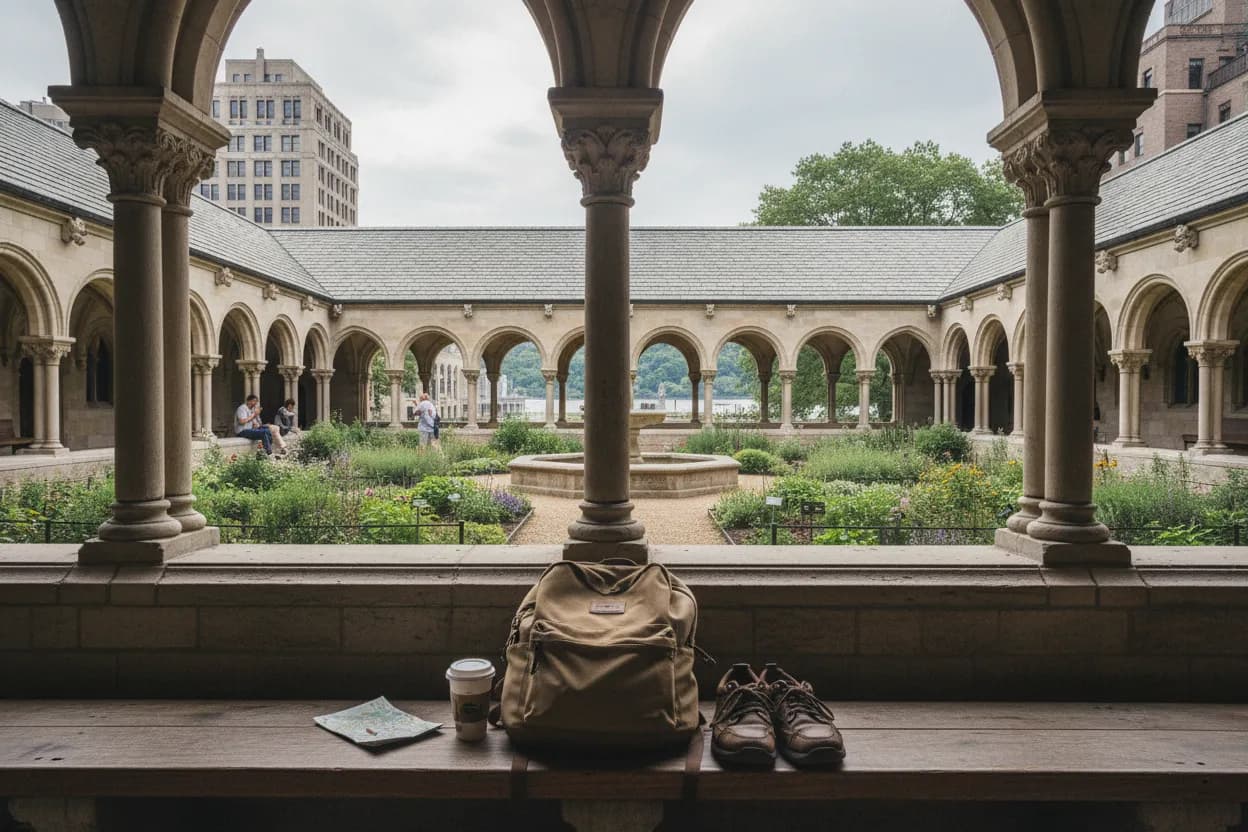
Make The Met Cloisters the anchor, not one item in an ambitious Uptown sprint. The building itself is designed around cloisters: covered walkways surrounding open courtyards that connect to other spaces and create places for rest and contemplation. That is the point. If you rush it like a standard attraction, you miss the quiet architecture that separates it from a quick gallery pass-through.
A good anchor plan is simple: arrive, slow down in the galleries, give the gardens real time, and leave room to pause in the chapel and passageway areas. The collection’s medieval focus, the 12th-to-15th-century works, and the garden setting give the visit enough texture without adding five unrelated stops. If you want a shareable weekend plan, share the restraint too: one museum, one walk, one backup.
Use Transit To Remove Bad Ideas
Transit should decide what you do not do. Since the museum is in northern Manhattan, avoid plans that require bouncing between far-apart boroughs, a downtown reservation, and a timed museum entry on the same day. NYC Tourism frames Manhattan as packed with recognizable sights and constant activity, but this is not the day to prove how much you can squeeze in. The calmer plan is the better plan.
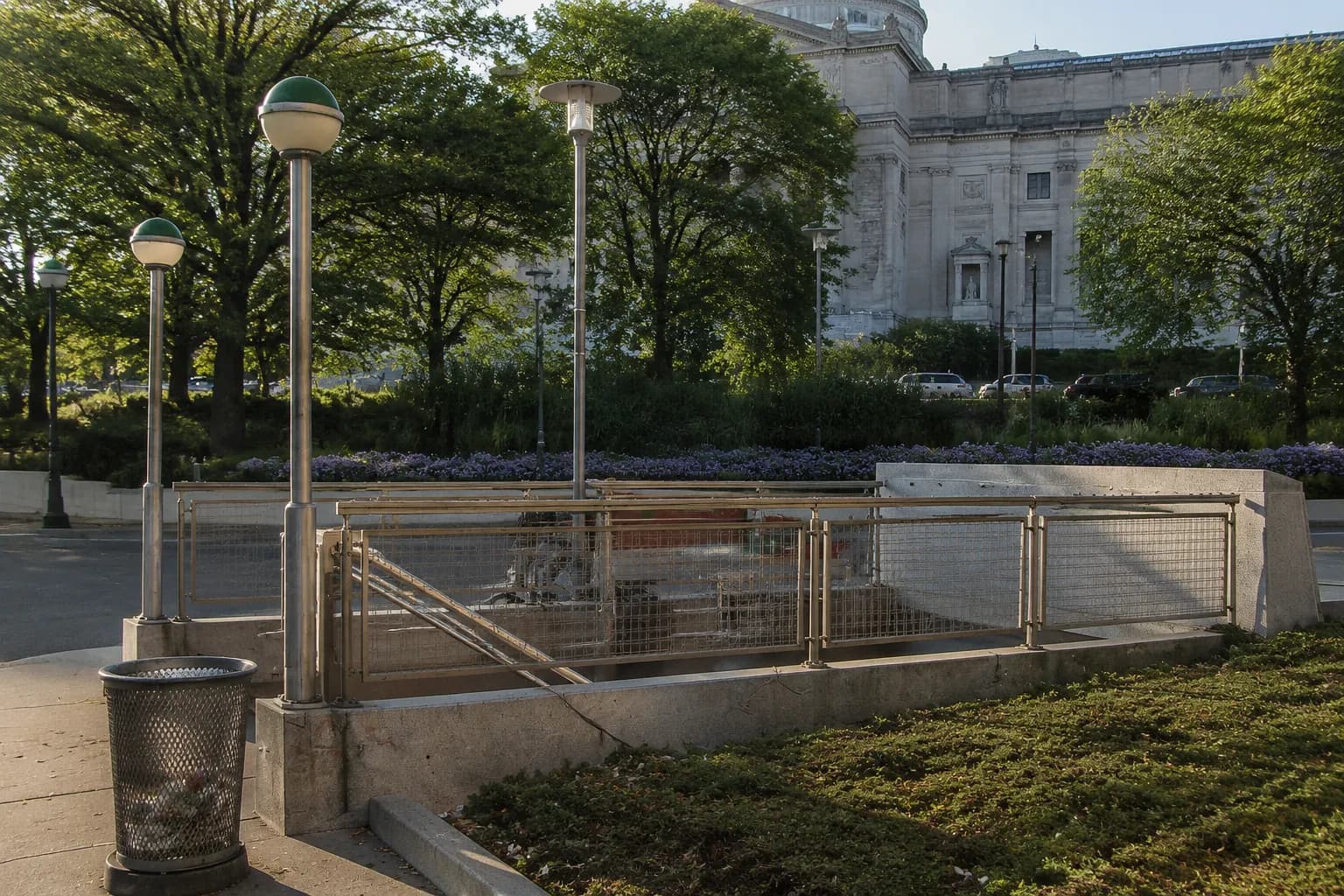
Before you go, use the official MTA trip-planning tools or station information you normally trust to confirm current subway or bus service, elevator status if accessibility matters to you, and any weekend service changes. Do this close to departure, not the night before. If the ride looks messy, simplify instead of forcing it. A quiet museum plan should not begin with a stressful transfer puzzle.
Add A Weather Or Crowd Backup
The gardens are a major reason people make the trip, especially when the weather is pleasant, but they should not be your only reason. The Cloisters also has galleries, chapels, and medieval art, so a good plan works even if you spend more time indoors than expected. Build the day around the museum as a whole, then let the gardens become the bonus when conditions cooperate.
Your backup should be practical, not dramatic. If the weather is rough, focus on the indoor galleries and architectural spaces. If the museum feels busier than you hoped, slow down and move through smaller sections instead of trying to see everything at once. Verify any current garden access, closures, or visitor notices on the official museum page before you leave, because outdoor spaces and museum operations can change.
Keep The Route Small Enough To Finish
A finished plan feels better than a heroic unfinished one. For The Cloisters NYC, keep the route compact: museum arrival, galleries, gardens if available, a short quiet walk nearby if your energy and conditions allow, then leave without dragging the day into a second major itinerary. The location already creates a sense of separation from the city’s usual pace, so let that be the value.
This is also how you save money and patience. The source information says general admission has included exhibitions and same-day entry at Met locations, and that New York State residents plus New York, New Jersey, and Connecticut students had pay-what-you-wish admission. Those details can change, so verify the current admission rules, eligibility language, accepted proof, and same-day access terms on The Met’s official ticketing page before you count on them.
Verify Live Details Before Leaving
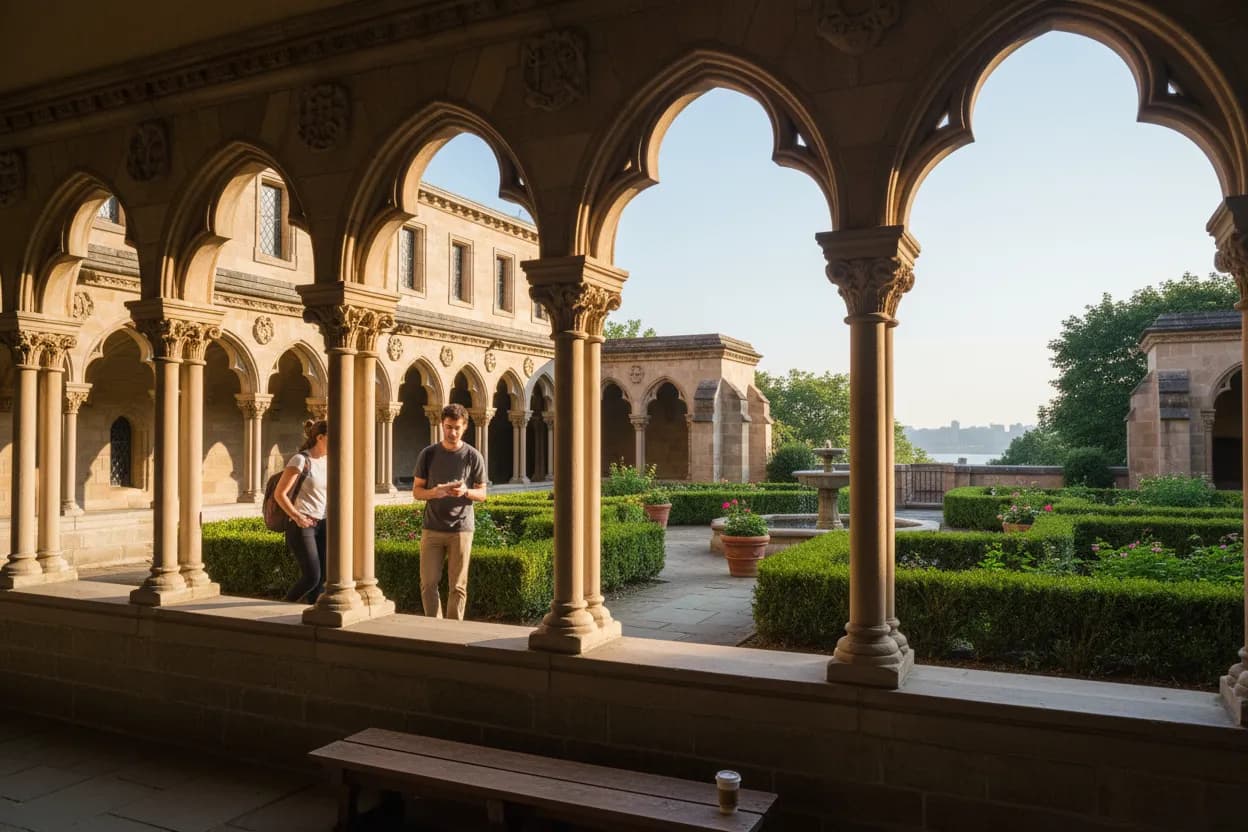
Make the final check boring and specific. Open the official museum page and confirm today’s hours, ticket requirements, entry timing, admission terms, exhibitions included, accessibility information, bag or security rules, and any closure notices. Then check official transit information for service changes that affect your route. If any detail is unclear, do not fill the gap with assumptions; adjust the plan downward.
The best Cloisters day is not the one with the most pins on a map. It is the one where the quiet survives the logistics. Keep the museum as the center, respect that live details can shift, and avoid building the day around outdated hours or unverified ticket rules. That is how a northern Manhattan museum visit becomes a calm weekend plan instead of another NYC errand.
Tags: #TheCloistersNYC #MetCloisters #NYCMuseums #MuseumGardens #QuietNYC #NorthernManhattan #ManhattanWalks #WeekendPlans #weekend_plans #NYCDateIdeas #NYCCulture #MuseumDay #AskKarpo #BeforeYouGo
Sources consulted: the cloisters · NYC Tourism · MTA
All trademarks are the property of their respective owners.
Ask Karpo first
Ask Karpo first if you want a low-stress Cloisters plan with the right checks in the right order. Send your starting neighborhood, preferred time window, walking tolerance, and whether gardens or galleries matter more, and Karpo can help shape a quieter route before you commit.