 Nisei Week Events: Little Tokyo's Enduring Japanese American Heritage Festival
Free Things to Do
the challenge season 42: Public Spaces for a Free Los Angeles Reset
Use a trending TV search as a prompt, then choose Los Angeles public spaces by access, transit checks, official guides, and same-day verification.
Los Angeles can make a simple free outing feel complicated: a headline gets hot, an event listing circulates, a beach idea turns into route planning, and suddenly the word “free” depends on access, registration, transit, and whether the thing you saw online was ever local in the first place. Treat the challenge season 42 as a planning hook, not evidence of an appearance, screening, activation, cast visit, or official Los Angeles tie-in. The official extracts support a more grounded move: use Los Angeles Tourism’s public-facing guides and Metro’s rider tools to shape a day around places, neighborhoods, cultural districts, coastline ideas, and current transit information. Start with one anchor, keep the route short, and recheck every changing detail before you go.
Want a tighter version before you leave? Text Karpo to check the Los Angeles route, Metro access, same-day alerts, public-space backup, and whether any free entry still needs registration.
Turn current interest into a genuinely free outing
A trend can be useful without being literal. If the challenge season 42 is what nudged you to look for something to do, let it set the mood: pick a route with movement, a few choices, and a finish that still works if one stop gets busy or unclear. Do not turn that interest into a claim. Nothing in the official extracts says there is a Los Angeles appearance, local affiliation, public filming, free event, broadcast availability, or guaranteed tie-in connected to the phrase.
That distinction matters because Los Angeles has official event listings, visitor guides, museum-related articles, outdoor ideas, and Metro notices that can change by date. Discover Los Angeles points readers to Things to Do, Find Events, Itineraries, arts and culture, beaches, hiking trails, film locations, Museum Row, and multicultural neighborhoods. Those are useful planning sources, but they do not prove that every listed activity is free, walk-up, or available at the time you want to go.
Use the current buzz as a reason to leave the house, then verify the actual outing through official channels. A practical free plan asks four questions: Is the anchor a public place or does it require a ticket? Can Metro help you get there with current arrivals, directions, and alerts? Is there a nearby backup if access changes? Is the plan still worth doing if the headline that inspired it has no Los Angeles component at all?
Start with public access rather than a promoted event
For a free Los Angeles reset, begin with public geography: coastline, neighborhoods, arts-and-culture districts, Museum Row ideas, film-location inspiration, and transit-connected streets where walking can be the activity. Discover Los Angeles says Los Angeles is home to renowned museums, unique hotels, diverse experiences, and 75 miles of sunny coastline. It also says the best way to discover LA is by exploring vibrant multicultural neighborhoods, and its homepage names areas including Koreatown, Santa Monica, Highland Park, South Park, Century City, Studio City, Universal City, and LAX.
A useful first filter is whether the plan still works if you never enter a paid venue. Museum Row and Mid-Wilshire can support a public-space-first approach because the official tourism site includes a car-free Museum Row guide, while Metro says new stations at La Brea, Fairfax, and La Cienega connect the cultural energy of Mid-Wilshire with Koreatown and Downtown LA. That gives the route an official transit spine without promising free admission to any specific institution.
The free outing should not depend on a vague promise. If you see an event name, performance, concert, museum program, or community meeting, treat price, registration, access rules, location, and time as details to verify with the official organizer or venue. If you cannot verify them, make the public walk the plan and the event merely an optional add-on.
Build a short route around one strong anchor
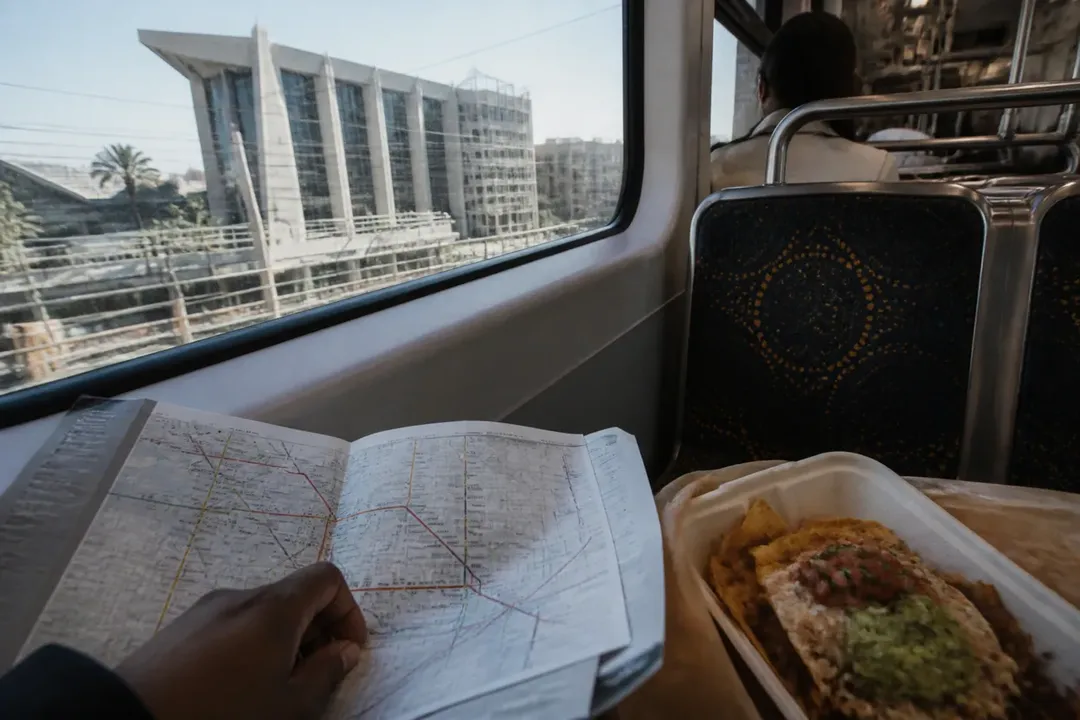
Pick one anchor, then resist the Los Angeles temptation to overbuild. A supported version starts with Koreatown, Downtown LA, or Mid-Wilshire in mind, then uses Metro’s D Line Extension framing to connect those areas through the new stations at La Brea, Fairfax, and La Cienega. Metro’s own language supports that connection between Mid-Wilshire, Koreatown, and Downtown LA; it does not guarantee a particular travel time, a delay-free ride, or that every nearby destination will be open.
From there, decide what kind of free experience you actually want. If you want movement, make the walk the centerpiece and use official tourism guides for Museum Row, arts and culture, and film locations as verification prompts. If you want air and distance, use the coastline context from Discover Los Angeles and choose a beach idea only after checking current transit information and any relevant official conditions. If you want neighborhoods, use the tourism board’s neighborhood emphasis and keep the sequence tight: one transit corridor, one walking area, one backup nearby.
The actionable rule is simple: one anchor, one optional extension, one exit. For example, anchor around Mid-Wilshire, extend only if the day is going smoothly, and exit by Metro instead of chasing a second far-away stop. That is how a free plan stays free in practice; long cross-city hops can turn into added transportation costs, rushed decisions, or a plan that stops feeling like a simple public outing.
Use weather and crowd pressure as decision points
Los Angeles weather and scenery are part of the appeal, but “sunny” is not a full plan. Discover Los Angeles leans into the city’s outdoor identity through beaches, hiking trails, and a Great Outdoors itinerary. Use that as permission to consider an outside day, not as proof that every hour, route, or stop will feel comfortable. If the day does not fit the exposed route you imagined, switch to a shorter transit-linked neighborhood walk or a cultural district with easier pauses.
Crowd pressure is just as important. The official Discover Los Angeles homepage includes a must-read weekend guide for August 7 to August 9, 2026 and an Upcoming Events list with dated entries. That does not make those events free, and it does not make them part of this plan. It does show why same-day verification matters: event calendars can affect how an area feels, and listed dates or times should be treated as details to confirm at the source before building a day around them.
Set a decision point before you leave. If Metro alerts show a disruption, choose the nearest public-space anchor instead of forcing the original route. If a coastline plan looks awkward to reach, use a neighborhood or Museum Row-style plan instead, depending on where you are starting. The best free thing to do is often the one you can still enjoy after the first idea changes.
Know when free still requires registration
Free does not always mean walk-up. Museums, public programs, civic meetings, outdoor performances, community events, and special cultural activities may require RSVP, timed entry, capacity limits, or other access steps even when the price is zero. The official extracts show that Discover Los Angeles and Metro both maintain event or guide pages, but they do not establish that any specific free admission, walk-up availability, or reservation policy applies to your chosen stop.
This is where a verification-first habit protects the plan. Before committing to a venue or event, look for the official page and check whether the listing matches your date, whether the location is public or private, and whether access depends on a ticket or registration. If the official page does not clearly say free, do not call it free. If it says free but requires signup, treat the signup as part of access, not a formality.
Metro also deserves a separate check. Its homepage says riders can use the official LA Metro app for real-time arrivals, step-by-step directions, and service alerts. It also says riders can pay fare with a credit or debit card, in plastic or digital form, by tapping on buses or at train stations. Those are precise planning tools, not a promise that your exact route will be delay-free or cost-free.
Recheck access on the day
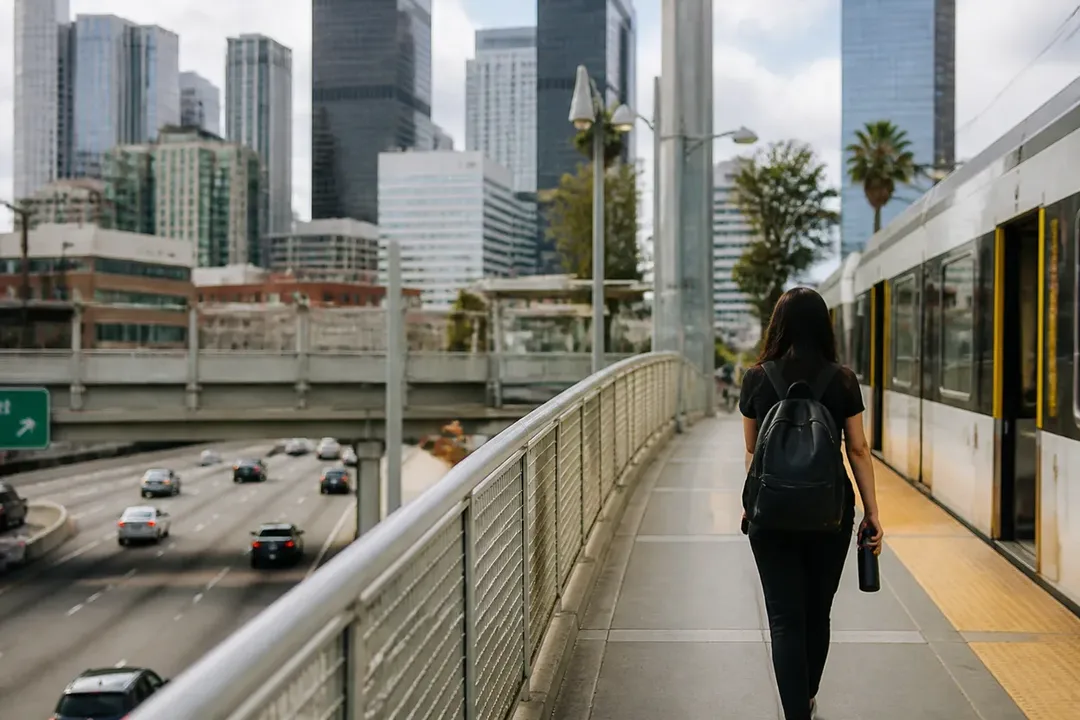
The day-of check is not busywork in Los Angeles; it is the difference between a calm free outing and a chain of avoidable costs. Reopen Metro’s official app or site before you leave for arrivals, directions, and alerts. Recheck the official venue, organizer, or public-agency page for access language, closures, registration notes, and date-specific details. If you are following a tourism guide, confirm whether the guide is evergreen inspiration or a dated event recommendation.
For this particular plan, keep the language honest: the challenge season 42 helped frame a public-space reset, but it does not verify anything happening in Los Angeles. Your real confirmations are access, route, timing, and backup. The official Discover Los Angeles material supports the broader city context: arts and culture, beaches, film locations, outdoor activities, neighborhoods, Museum Row, upcoming events, and 75 miles of coastline. Metro supports the transit logic: use real-time arrivals, step-by-step directions, service alerts, tap-to-pay fare information, and the D Line Extension connections around La Brea, Fairfax, La Cienega, Mid-Wilshire, Koreatown, and Downtown LA.
Leave with a fallback already chosen. If the anchor is unavailable, switch to the nearest public walk. If transit becomes awkward, shorten the route instead of adding cost. If a supposedly free stop asks for a registration you did not complete, skip it without treating the day as failed. A free Los Angeles outing works best when the destination is selected carefully and the plan is allowed to stay flexible.
Tags: #AskKarpo #BeforeYouGo #LosAngeles #FreeThingsToDo #LAItinerary #PublicSpaces #MetroLA #MidWilshire #KoreatownLA #DowntownLA #MuseumRow #LABeaches #LocalPlanning #WeekendLA
Sources consulted: discoverlosangeles.com · metro.net · laparks.org
All trademarks are the property of their respective owners.
Ask Karpo first
Ask Karpo first before you head out: it can compare the public-space anchor, Metro alerts, access language, registration risk, and nearby backup so the plan stays free in reality, not just in the headline that got you searching.
Ask Karpo for more information.
Keep reading
- Nisei Week Events: Little Tokyo's Enduring Japanese American Heritage Festival
 Hollywood Forever Cemetery Events: Dia de los Muertos, Cinespia in Hollywood
 Unforgettable Free Summer Events: Grand Performances, California Plaza, Downtown LA