Before the tournament kicked off, FIFA counted 32 different goal celebration styles that had appeared across previous World Cups. Just three weeks into the 2026 World Cup, that number has already jumped to 47. From Kylian Mbappé's viral "Crown Adjustment" to Japan's eight-man choreographed samurai sequence, this tournament has elevated the art of celebration to theatrical heights. While goals win matches, it's increasingly clear that celebrations win hearts—and in a World Cup stretching across three nations with massive television audiences, these moments of pure joy are becoming the tournament's most replayed highlights.
The Viral Moment That Launched a Thousand Memes
When Morocco's Sofyan Amrabat scored the equalizer against Portugal in the group stage finale, his celebration seemed spontaneous: a quick glance at his phone on the sideline, followed by an exaggerated typing motion with his fingers. Within hours, "The Tweet Celebration" had exploded across social media platforms, with fans discovering that Amrabat was mimicking his pre-match promise on X to "let his fingers do the talking" if he found the net.
The celebration's genius lay in its relatability—in an era where athletes immediately check their phones after big moments, Amrabat turned modern behavior into football theater. Nike quickly capitalized, releasing a limited-edition boot featuring a small phone graphic, while TikTok users created countless variations of the finger-typing dance. More importantly for Morocco, the goal secured their advancement to the Round of 16, where they'll face a Belgium team still nursing wounds from their group stage exit.
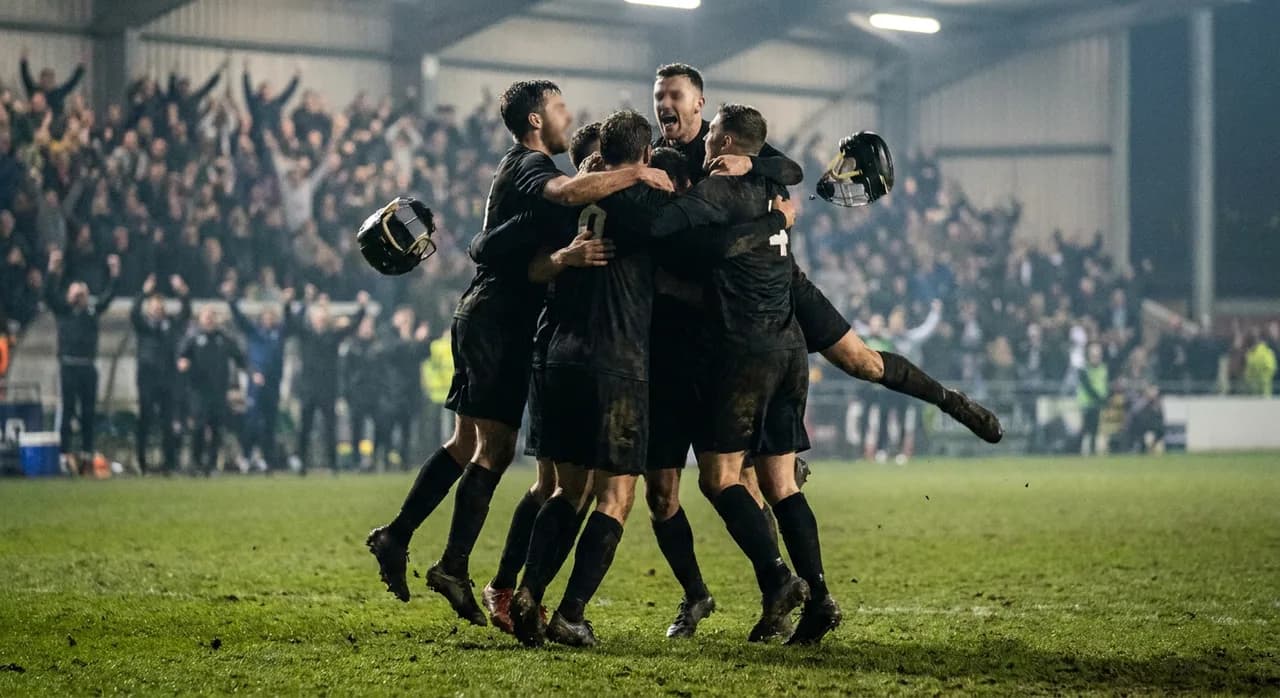
When Eight Hearts Beat as One
Japan's Round of 16 victory over Croatia delivered the tournament's most elaborate team celebration, a precisely choreographed 15-second sequence that told the story of samurai warriors preparing for battle. All eleven players participated, with substitutes joining from the touchline, creating a moment that transcended sport and became cultural expression.
The celebration began with striker Ayase Ueda drawing an imaginary sword after his 78th-minute winner, followed by each teammate assuming specific poses representing different aspects of Japanese warrior tradition. Midfielder Takumi Minamino later revealed the team had practiced the routine daily for two weeks, with input from a traditional dance instructor hired by the Japanese Football Association.
What made the moment particularly powerful was its timing—Japan's first World Cup quarterfinal appearance since 2002 deserved something special. The celebration became an instant symbol of Japanese precision and collective spirit, earning praise from opposition fans and adding another chapter to Japan's growing reputation as the tournament's most creative team.
Dancing Through Heartbreak and History
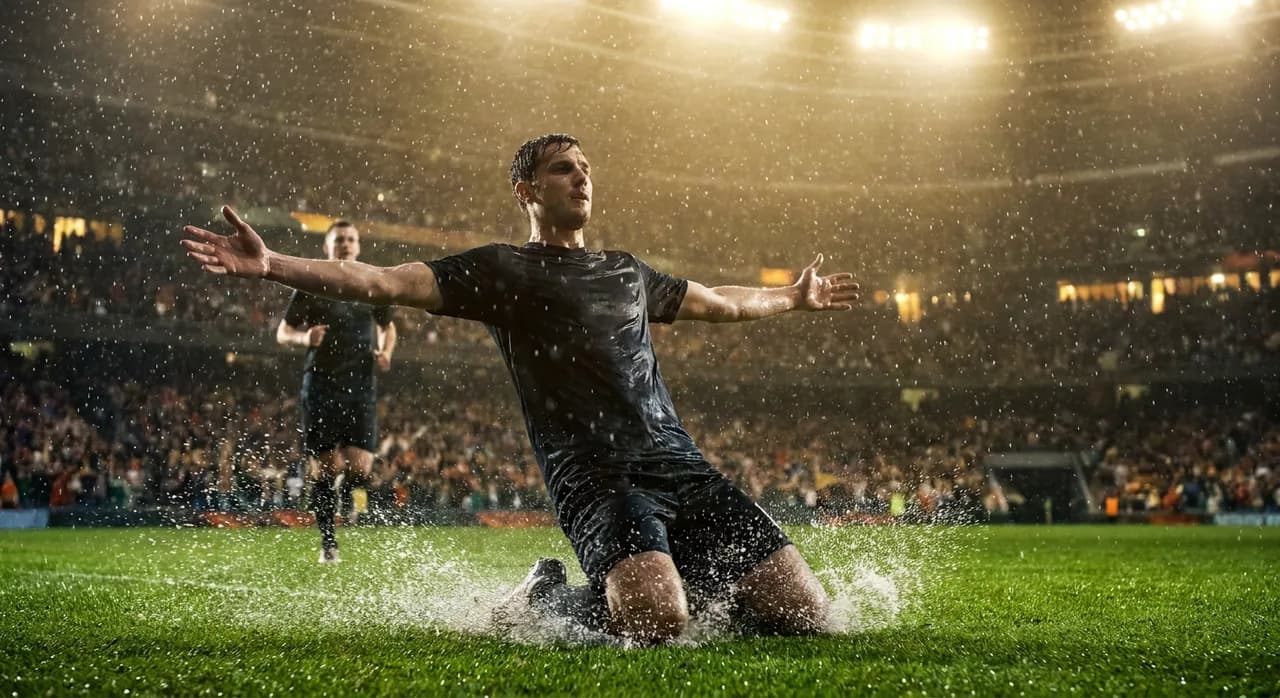
England's Jude Bellingham created the tournament's most poignant celebration after scoring the winner against Germany in their Round of 16 clash. Instead of wild jubilation, the 23-year-old midfielder walked slowly to the corner flag, knelt down, and performed a gentle swaying motion with his arms outstretched—a tribute to his late grandfather, who taught him the move during childhood kickabouts in Birmingham.
The celebration's emotional weight deepened when cameras caught Bellingham's family in the stands, his grandmother wiping away tears as 70,000 fans at Soldier Field in Chicago fell silent in recognition of the moment's significance. England manager Gareth Southgate later called it "the most beautiful thing I've seen on a football pitch," and the image of Bellingham's solitary dance quickly became the tournament's most shared photograph.
The goal itself was crucial—ending Germany's World Cup campaign and sending England to their first quarterfinal since 2018—but Bellingham's celebration transformed a sporting moment into something deeper, reminding global audiences that behind every professional athlete lies a personal story of love, loss, and memory.
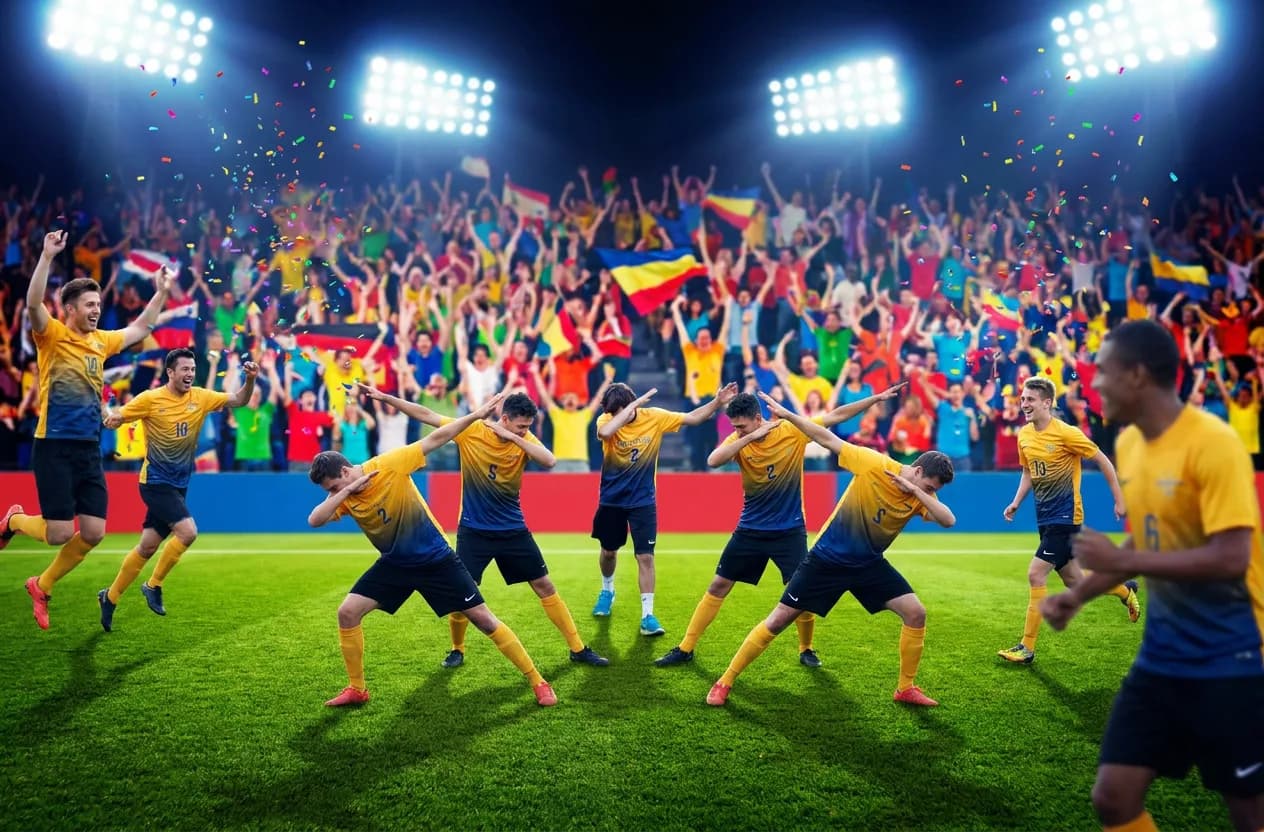
The Chemistry Experiment That Actually Worked
Brazil's quarterfinal demolition of France showcased the tournament's most elaborate group choreography, with all five goalscorers performing synchronized moves that resembled a combination of capoeira and contemporary dance. The sequence, dubbed "Samba Science" by Brazilian media, was reportedly designed by the team's sports psychologist to strengthen group cohesion.
Each celebration built upon the previous one, starting with Vinícius Jr.'s simple shoulder shimmy and evolving into a complex routine involving all eleven players by the time Rodrygo scored Brazil's fifth goal. The psychological impact on France was visible—by the fourth goal, French defenders were watching the celebrations instead of regrouping, contributing to their eventual 5-1 defeat.
The celebrations served a tactical purpose beyond entertainment. Brazil's coaching staff had identified team unity as their primary weakness following disappointing performances in 2022's Qatar World Cup and the 2024 Copa América. By creating shared celebratory moments, they fostered the collective spirit that had been missing from recent Brazilian teams, proving that sometimes the best team-building happens in plain sight.
When Silence Speaks Louder Than Roars
The tournament's most powerful celebration paradoxically involved no celebration at all. After scoring Mexico's crucial second goal against Canada in their Round of 16 victory at Azteca Stadium, striker Santiago Giménez simply stood motionless with his arms at his sides, staring directly into the television camera for nearly ten seconds before teammates reached him.
The image—a young Mexican player frozen in the moment of achieving his World Cup dream on home soil—captured something indefinable about pressure, expectation, and the weight of representing 130 million people. Giménez later explained that he felt overwhelmed by the magnitude of the moment, unable to process that his goal had likely secured Mexico's first quarterfinal appearance since 1986.
The "Silent Celebration" resonated far beyond football, becoming a symbol for Mexican resilience and determination. Sports psychologists noted how the pause demonstrated remarkable emotional intelligence—rather than forcing joy he didn't immediately feel, Giménez allowed himself to experience the moment authentically, creating something more powerful than any choreographed routine.
Practical Notes
For fans attending remaining matches, goal celebrations often continue well after television broadcasts cut away. Stadium audiences frequently join in with synchronized clapping or chanting, particularly during knockout rounds where emotions run highest. Many teams now include celebration rehearsals in their training sessions, making these moments as strategic as corner kick routines. The best viewing spots for celebrations are typically behind the goals where most players instinctively run, though corner flag areas often provide the most intimate moments between players and traveling supporters.
Tags: #WorldCup2026 #FIFA2026 #GoalCelebrations #Football #Soccer #WorldCupMoments #FIFAWorldCup #SoccerCulture #FootballCelebrations #WorldCupHighlights #Soccer2026 #FIFA
Sources consulted: fifa.com · espn.com
All trademarks are the property of their respective owners.
Ask Karpo first
Want to keep following the World Cup 2026 story as it unfolds? Ask Karpo for a personalized bracket, live score alerts, and a match schedule tailored to your teams and your city.