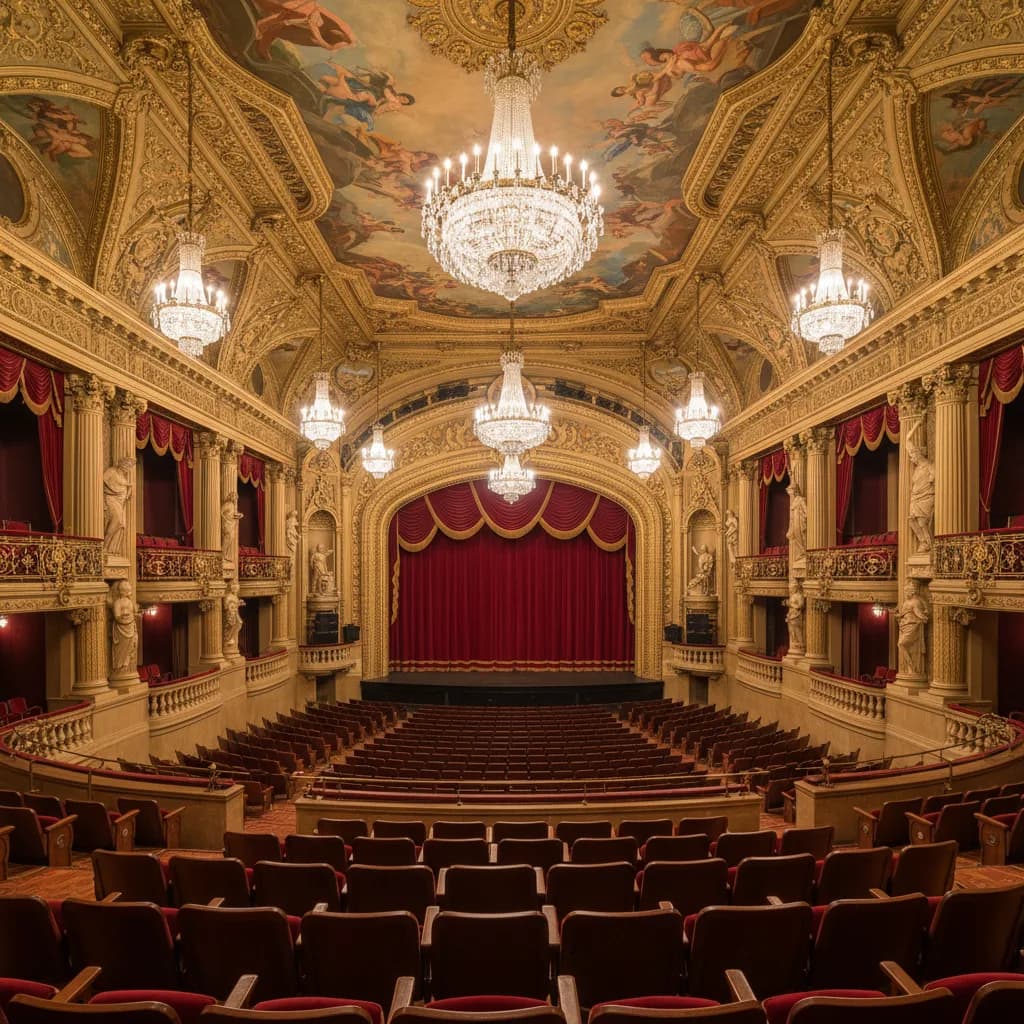
 Kings Theatre in Flatbush: A Restored 1929 Movie Palace
Hidden Gems & Odd Finds
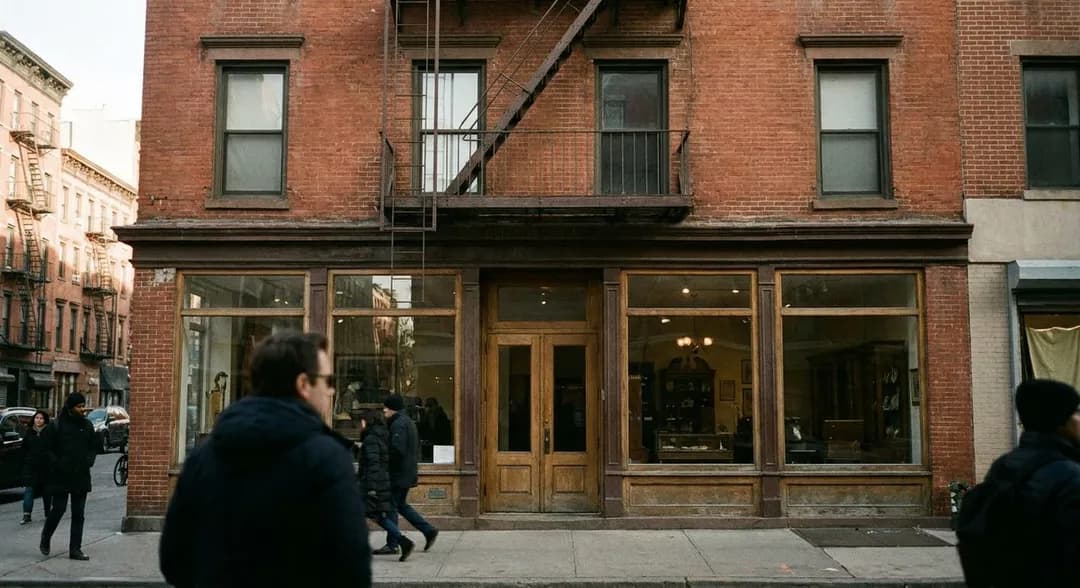
The Unrestored Tenement Apartments You Tour by Flashlight
Tenement Museum preserves crumbling immigrant apartments on Orchard Street exactly as found, with peeling wallpaper and original graffiti intact.
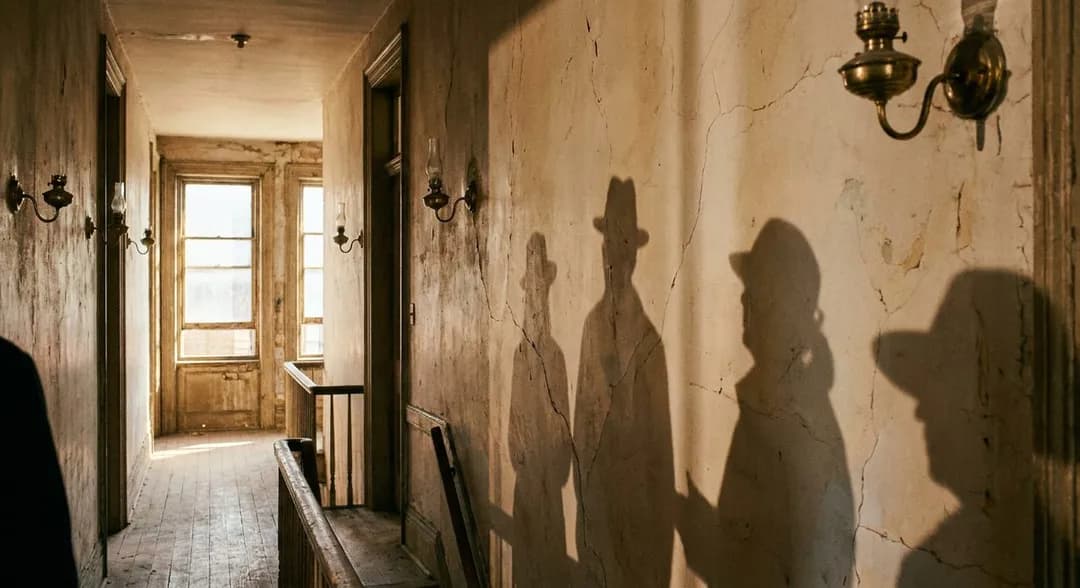
You walk into the building on Orchard Street and the guide hands you a flashlight. No electric lights, no climate control, just the raw shell of a tenement apartment exactly as it looked when the last family moved out decades ago. The Tenement Museum's unrestored tours feel less like history lessons and more like archaeological digs where you're standing inside the evidence.
The Wallpaper Tells Stories in Layers
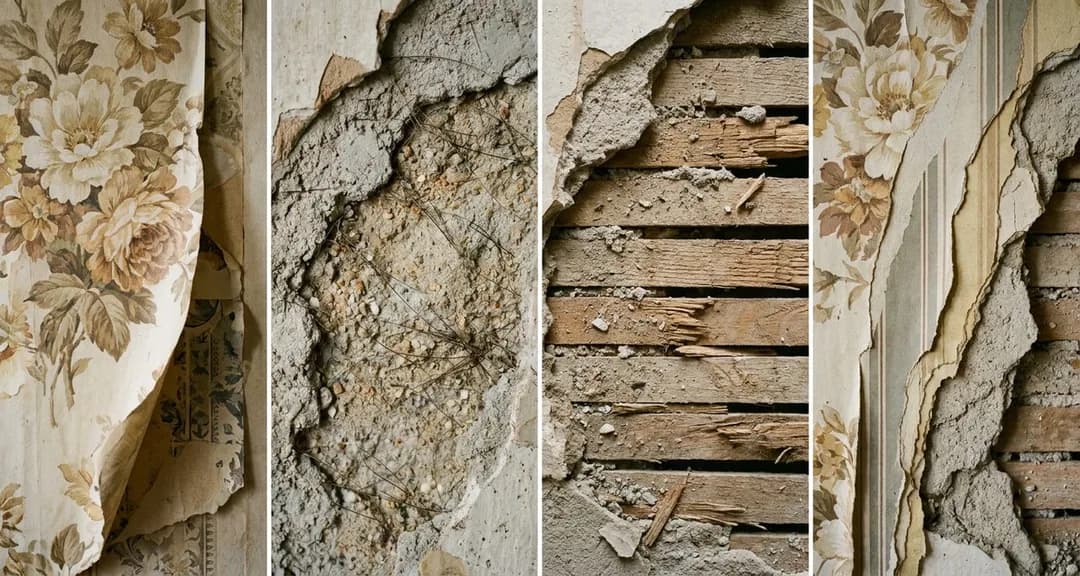
You aim your flashlight at the walls and see four, five, six different patterns stacked on top of each other. Each layer marks a different family, a different decade, a different attempt to make the cramped space feel like home. The paper peels away in strips, revealing floral prints from the twenties beneath geometric patterns from the forties. Your guide points out how cheaper paper was pasted directly over old layers because stripping walls cost money immigrant families didn't have. You can see the paste stains, the tears where children picked at corners, the water damage that bloomed across ceilings when pipes burst in winter. The air smells faintly of old plaster and something else—maybe decades of cooking oil absorbed into wood, maybe just time itself.
Graffiti That Predates Your Grandparents
Someone carved their initials into the doorframe in 1935. Another person scratched a phone number—just five digits, the way numbers worked before area codes—into the kitchen windowsill. You find pencil marks measuring children's heights, dates scribbled beside them, all in Yiddish or Italian script. The guides don't clean any of it away. They don't even interpret all of it, because some markings remain mysteries. You stand there shining your light on a child's drawing etched into soft plaster near the floor, wondering if that kid made it to adulthood, if they remembered this apartment, if they ever came back. The silence in these rooms feels thick, like the walls are holding their breath.
The Geometry of Twenty People in Four Rooms
The apartments are shockingly small. You think you understand tenement living from photographs, but standing in the actual space rewrites your assumptions. Four rooms total, including a kitchen barely wide enough for two people to pass. Families of eight, ten, sometimes twelve people lived here, plus boarders who rented floor space in the parlor. Your guide explains how they hung sheets to create privacy, how multiple people worked night shifts so beds never went empty, how the stove stayed lit around the clock because someone was always cooking or someone else needed warmth. You notice the windows face a narrow airshaft, not the street. That means almost no natural light, which explains why the walls are painted such aggressive colors—bright yellows and deep reds that would look garish now but probably felt necessary when you lived in permanent dimness.
The Bathtub That Doubled as a Kitchen Counter
In one apartment, the bathtub sits in the kitchen with a wooden board laid across the top. This isn't a restoration choice or an art installation—this is genuinely how people lived. You bathed once a week if that, and the rest of the time the tub served as extra counter space, a place to stack dishes or prepare food. The toilet is out in the hallway, shared between multiple families on the floor. Your guide mentions how women would time their bathroom trips to avoid men from other apartments, how chamber pots were standard because no one wanted to navigate dark hallways at three in the morning. The bathtub's enamel is chipped down to bare metal in spots, rust blooming in constellations. You touch the cold porcelain and imagine filling it with water heated on the stove, bucket by bucket.
What They Left Behind When They Left
The museum found objects when they opened these sealed apartments—a child's shoe, newspaper clippings used as shelf liner, a broken pocket watch, tin cans flattened and nailed over holes in the walls. These items stay where they were discovered, or close to it. You see the actual dust, the actual debris, the actual decay. Nothing is staged or styled. One apartment has a section of floor that's rotted through, and you can see down into the apartment below. Another has ceiling plaster hanging in sheets, held up by nothing but stubbornness and dry air. The effect is deeply strange, like touring a shipwreck that happens to be in the middle of Manhattan. Your flashlight beam catches details the guides don't mention—a perfect handprint in dust on a mantle, a pattern of soot above where a lamp must have sat for years.
The Silence of Orchard Street Now
After the tour, you step back onto Orchard Street and the contrast hits hard. The block is all boutiques and brunch spots now, the tenement building sandwiched between places selling artisanal whatever and vintage clothing at prices that would have fed a family here for months. The cognitive dissonance is the point, maybe. You just stood in rooms where people survived on almost nothing, where privacy was a luxury and warmth was negotiated, and now you're surrounded by plenty. The museum doesn't editorialize this. They just show you the rooms and let the math do itself. You walk away thinking about the distance between then and now, how it's measured in more than just years.
Practical Notes
The museum operates tours throughout the week, with unrestored apartment visits requiring advance booking since group sizes stay deliberately small. You'll find the building in the Lower East Side, walkable from most subway lines that serve the area. Tours run around an hour, sometimes longer if your group asks lots of questions. Arrive a few minutes early because they don't hold tours for latecomers. Wear layers—the unrestored apartments have no heating or cooling, so you'll feel whatever temperature the day brings. The flashlight tours work best in low-light conditions, which means late afternoon or evening slots often deliver the most atmospheric experience. Tickets need to be purchased ahead of time through their website. No photography is allowed inside the apartments themselves, a rule they enforce strictly to preserve the spaces. The neighborhood has plenty of food options before or after, though you might want to sit with the experience for a bit before jumping back into regular life.
Tags: #TenementMuseum #LowerEastSide #NYCHistory #ImmigrantStories #UnrestoredSpaces #OrchardStreet #HistoricPreservation #ManhattanHistory #TheOddEdit #HiddenNewYork #UrbanArchaeology #LESHistory #AuthenticNYC #TimeTravel #CulturalHeritage
Sources consulted: atlasobscura.com · timeout.com · nytimes.com
All trademarks are the property of their respective owners.
Ask Karpo for more information.
Keep reading
- Kings Theatre in Flatbush: A Restored 1929 Movie Palace
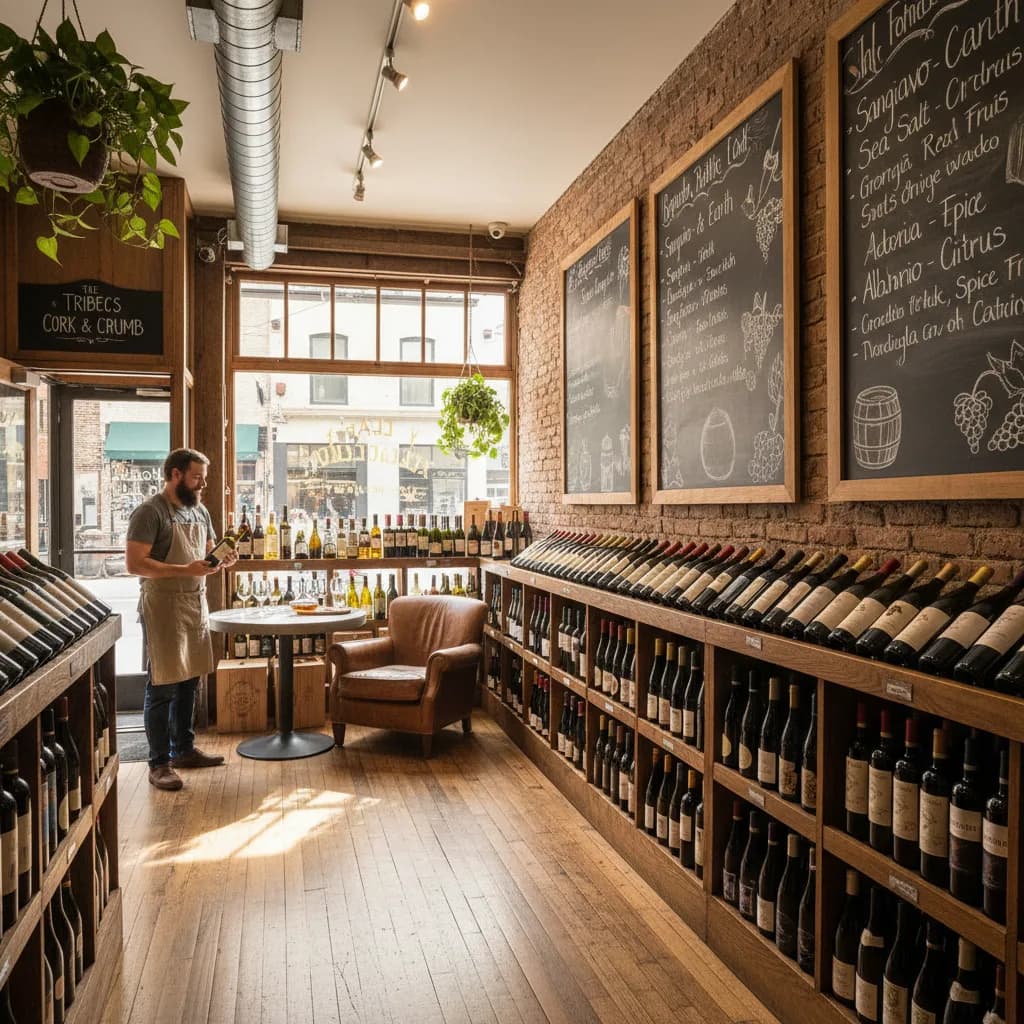 Chambers Street Wines: Manhattan's Natural Wine Pioneer
 Mediterranean Food Near Me in NoMad: Ilili's Crispy Brussels Sprouts