 Salad Near Me in the West Village: Westville's Market-Table Vegetables
Back To School
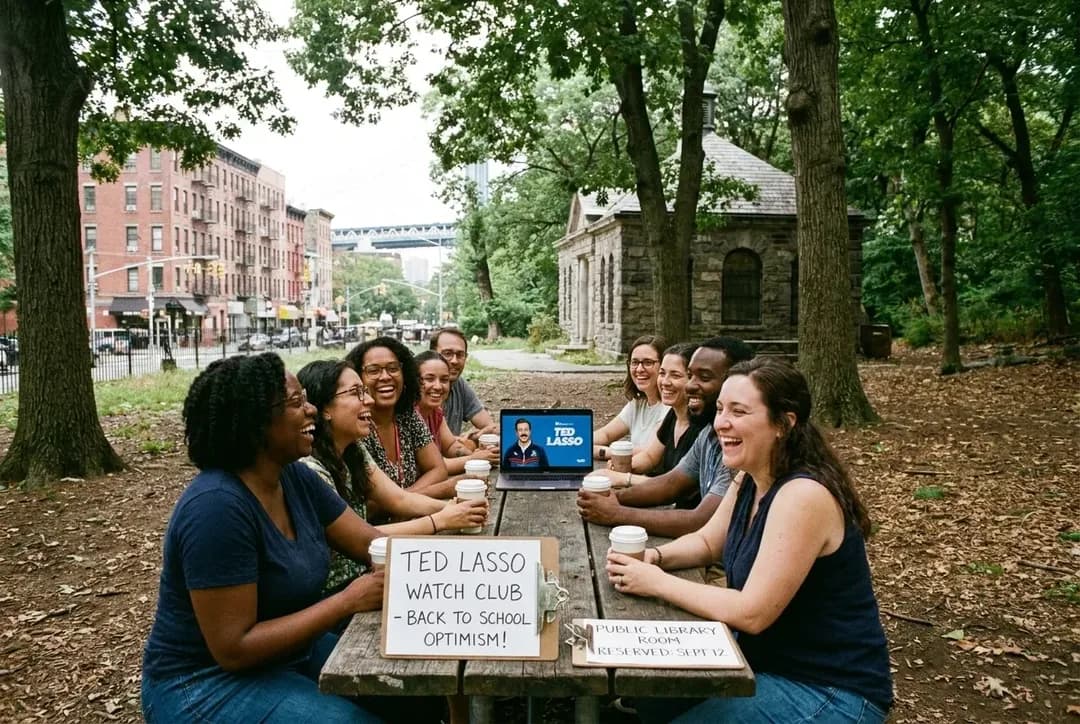
Ted Lasso Season 4 Speculation: NYC Teacher Lounges Hosting Optimism Watch Clubs
NYC educators are exploring Ted Lasso rewatch clubs in library meeting rooms and teacher network spaces this back-to-school season. Coordinating streaming access and room reservations requires advance planning but promises collegial morale boosts.
As the first month of the school year unfolds and lesson plans pile high, burned-out NYC educators are turning to an unexpected source of community and levity: group rewatches of the beloved Apple TV+ series Ted Lasso. With speculation swirling around ted lasso season 4—though no official renewal has been confirmed as of August 2026—teacher lounges, public library meeting rooms, and educator network hubs across the five boroughs are becoming informal gathering spots for optimism watch clubs. The premise is simple: colleagues meet after dismissal or on weekends to stream episodes together, share snacks, and soak in the show's trademark positivity during a season notorious for exhaustion and adjustment. Yet turning this idea into reality involves navigating room-reservation policies, streaming-subscription sharing rules, and the logistics of coordinating schedules among staff members already stretched thin. For teachers seeking connection beyond faculty meetings and professional development sessions, these watch parties offer a low-stakes way to rebuild camaraderie—but only if you verify the practical details first.
Text Karpo your school's borough, your free evenings, how many colleagues might join, and whether you have a streaming login to share—we'll send three library or union spaces that allow after-hours bookings, confirm Ted Lasso availability, and suggest one coffee shop for a smaller backup meetup.
Why Educators Are Drawn to Communal Viewing Right Now
The back-to-school period compresses new curriculum rollouts, classroom setup, and the emotional labor of welcoming students into a few intense weeks. For many teachers and school staff, the isolation of remote work during earlier years has given way to a different challenge: being physically present in buildings without the informal social rituals that once sustained morale. A rewatch club built around a show celebrated for its empathy and resilience offers a structured excuse to decompress with colleagues who understand the unique pressures of education work. Unlike happy hours that require budgeting for drinks or weekend outings that compete with family time, a ninety-minute screening in a borrowed space costs little beyond the subscription fee—and that expense can often be split or covered by a single member's existing account.
The choice of Ted Lasso specifically taps into a cultural moment when educators are hungry for narratives about growth, forgiveness, and the belief that people can change. The show's focus on a coach who leads through kindness rather than intimidation resonates with teachers navigating behavior management and student support in an era of heightened anxiety. Even as fans debate whether a fourth season will materialize—Apple has not announced renewal details, and cast members have given ambiguous interviews—the existing three seasons provide ample material for weekly or biweekly gatherings. The uncertainty around new episodes becomes less important than the ritual itself: a predictable, affirming space where colleagues can laugh together and leave feeling slightly more equipped to face the next day.
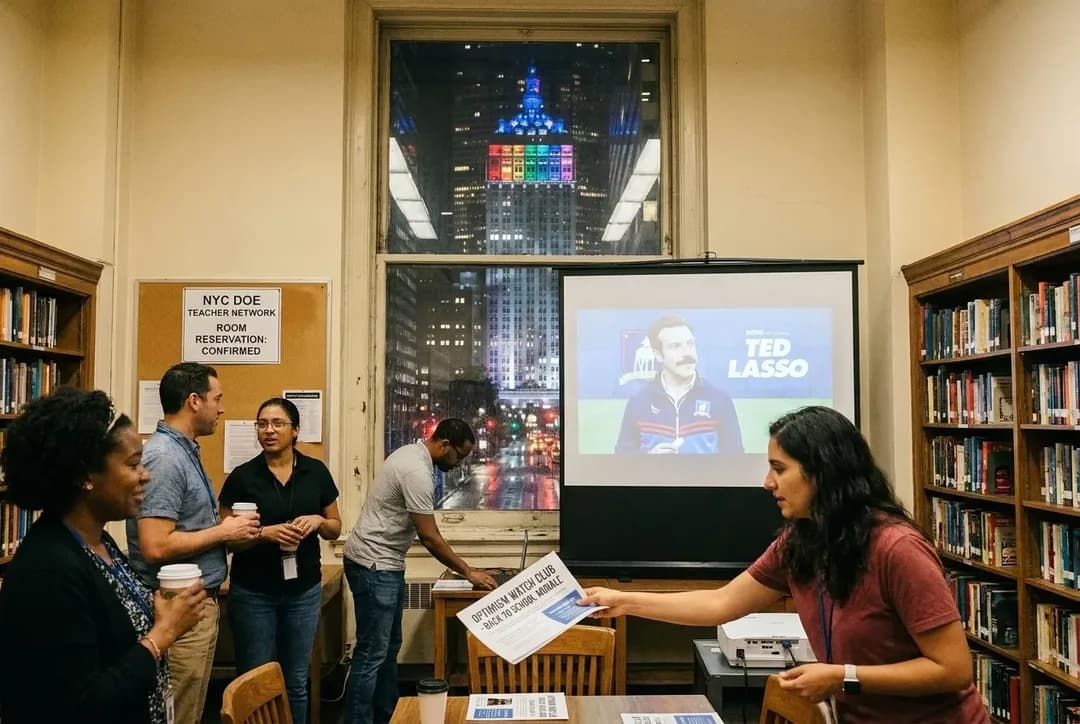
Mapping Public Library Meeting Rooms and Reservation Protocols
New York Public Library branches, along with Brooklyn Public Library and Queens Public Library systems, maintain community rooms available for nonprofit and educational group use, though policies vary by location and demand runs high during the school year. Most branches require advance online reservations—sometimes weeks ahead for evening or weekend slots—and stipulate that gatherings must be free and open to the public or limited to bona fide organizational members. Teacher groups typically qualify under educational or professional-development umbrellas, but you'll need to clarify whether your club counts as a private social event or a staff wellness initiative tied to your school. Some branches cap room capacity at fifteen or twenty people and prohibit food beyond light snacks, while others allow potluck setups as long as cleanup is guaranteed.
Accessing these spaces by public transit is straightforward in many neighborhoods: the MTA subway and bus network connects most library branches, and real-time service alerts available through the MTA website help you plan around weekend track work or line changes. The tradeoff is that prime evening slots—say, 6 to 8 p.m. on Thursdays—book quickly in September, so launching a watch club means either securing a recurring reservation early or accepting less convenient time windows. If your school building offers a staff lounge with a projector or large monitor, that eliminates the reservation headache but may blur the boundary between work and social time, a distinction some educators value. Weighing convenience against psychological separation is part of the planning calculus.
Streaming Subscription Sharing and Terms-of-Service Realities
Apple TV+ subscriptions cost a monthly fee per account, and the service's terms technically limit simultaneous streams and household sharing. For a watch party, one member's login can power a laptop or tablet connected to a projector, but using that credential in a semi-public library room occupies a gray zone: the gathering isn't commercial, yet it's also not a private household. Apple's enforcement of these terms has been inconsistent, and many educator groups proceed on the assumption that a single subscription used for a nonprofit, morale-building event falls within reasonable personal use. Still, the risk exists that an account could be flagged or suspended, so designating one volunteer to provide access—and ensuring they're comfortable with that exposure—is a necessary conversation before the first screening.
An alternative is pooling resources to fund a dedicated account for the club, splitting the monthly cost among regular attendees. This approach formalizes the arrangement and reduces individual liability, though it requires tracking payments and managing a shared login. Some schools' parent-teacher associations or staff wellness funds may cover the subscription as a mental-health expense, a pitch worth making to your administration if the club gains traction. The key is transparency: discuss the terms openly at your first planning meeting, decide collectively how to handle the subscription, and document the agreement so no one feels blindsided if questions arise later. The moderate difficulty of coordinating these details is exactly what keeps watch clubs from happening spontaneously—but overcoming that friction is what transforms a vague idea into a sustainable ritual.
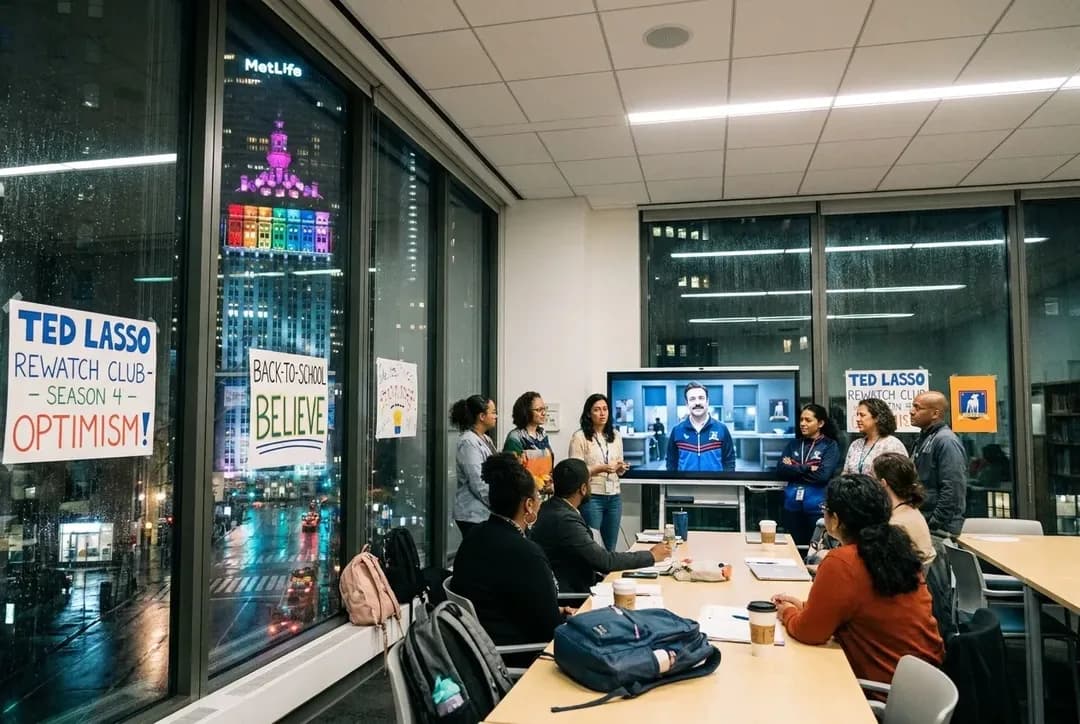
Who This Plan Fits and Who Might Struggle
This model works best for teachers and school staff who crave low-pressure social connection and can carve out ninety minutes on a recurring basis, typically after school or on weekends. It appeals to those who find large happy hours overwhelming but enjoy the structure of a shared activity, and to educators new to a building or district seeking an entry point into colleague networks. The communal viewing format also suits people who struggle to watch television alone at home—whether due to family interruptions, the temptation to multitask, or simply the lack of motivation to press play. Having a scheduled event with friendly faces waiting creates accountability and transforms passive consumption into a participatory experience.
Conversely, the plan may not fit educators with long commutes, caregiving responsibilities that make evening outings difficult, or those who prefer solitary downtime after intense workdays. Coordinating schedules across multiple staff members inevitably means some people can't attend every session, and the club's social chemistry depends on a core group showing up consistently. Teachers at small schools or in specialized roles may find it harder to recruit enough interested colleagues, in which case reaching out to borough-wide educator networks or online teacher communities can expand the pool. The effort required to organize—reserving space, managing the subscription, sending reminders—falls on one or two volunteers, so the club's longevity hinges on those individuals not burning out. Rotating facilitation duties or keeping the format loose helps distribute the load.
Verification Steps Before You Commit to a Launch Date
Before announcing your first watch party, confirm that your chosen library branch allows evening reservations for educator groups and check the maximum occupancy and equipment available in the meeting room. Visit the branch in person or call to ask whether they provide a projector and screen, or whether you'll need to bring a laptop and portable speaker. Verify the reservation cancellation policy in case attendance drops or a scheduling conflict arises, and clarify any rules about food, since sharing snacks is often central to the social experience. If you're using your school building instead, get written permission from your principal or facilities manager to ensure you're covered by liability insurance and that custodial staff know the space will be occupied after hours.
On the streaming side, review Apple TV+'s current terms of service and decide as a group how to handle the subscription—whether one person volunteers their account, you create a shared login, or you seek institutional funding. Test the login and playback on the device you'll use for screening to avoid technical surprises on opening night. Finally, gauge interest honestly: send a quick survey to potential attendees asking about preferred days, times, and frequency, and set a minimum threshold—say, five committed people—before locking in a reservation. Launching with clarity on these logistical points won't eliminate every hiccup, but it will prevent the most common pitfalls that cause fledgling clubs to fizzle before the first episode ends. The reward is a modest, repeatable ritual that reminds burned-out educators they're part of a community larger than their individual classrooms.
Tags: #TedLassoSeason4 #NYCTeachers #BacktoSchool #TeacherMorale #PublicLibraryMeetingRooms #EducatorCommunity #StreamingWatchParties #SchoolStaffWellness #AppleTVPlus #TeacherNetworking #NYCPublicLibraries #ColleagueConnection #RewatchClubs #TeacherBurnout #GroupViewingEvents
Sources consulted: Source 1: nycgovparks.org · Source 2: new.mta.info · Source 3: nypl.org · Source 4: a816-health.nyc.gov
All trademarks are the property of their respective owners.
Ask Karpo first
Ask Karpo to turn this NYC idea into a current plan for your date, budget, companion, transit preference, and energy level. Karpo can narrow the route and flag what to verify before you go.
Ask Karpo for more information.
Keep reading
- Salad Near Me in the West Village: Westville's Market-Table Vegetables
 Lunch Near Me in the Flatiron: S&P Runs a Classic Luncheonette Counter
 Coffee Near Me in the East Village: Abraço Is Standing-Room Only