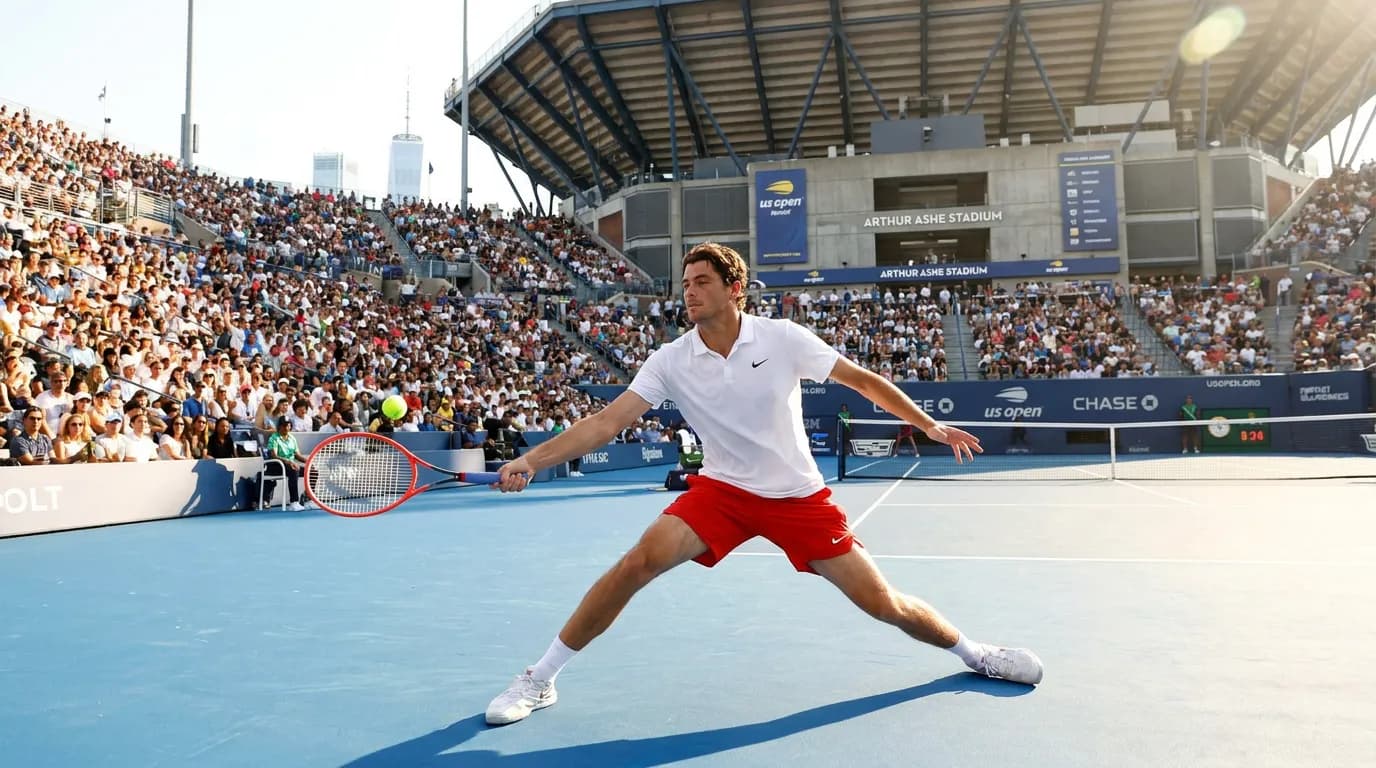
Taylor Fritz stood two sets down on Arthur Ashe Stadium in September 2024, the weight of eighteen years of American men's tennis history pressing on his shoulders. His straight-sets loss to Jannik Sinner in that final marked both heartbreak and progress—the first time an American man had reached a major final since Andy Roddick in 2009, and the first US Open men's final appearance for an American since Roddick faced Roger Federer in 2006. Now, as future tournaments approach, Fritz returns to Flushing Meadows with invaluable experience and a clearer understanding of what separating good from great requires on the sport's biggest stages. The question facing American tennis fans is not whether Fritz possesses the tools to win a US Open title, but rather how he can best deploy those weapons while navigating the unique pressures that come with being the home hope.
Text Karpo Now: Tell us what you want from Taylor Fritz’s Best Route to a First US Open Title, and Karpo can track official updates, match timing, tickets, transit, and the easiest way to plan your US Open day.
The Serve Foundation
Fritz's serve remains his most reliable weapon and the cornerstone of any successful US Open campaign. His ability to generate free points through aces and service winners becomes exponentially more valuable during the tournament's late rounds, when rallies grow longer and physical reserves diminish. The hard courts at Flushing Meadows reward aggressive serving, and Fritz's height and extension allow him to hit spots that create uncomfortable returns even from elite opponents. The key lies not just in first-serve percentage but in the strategic deployment of serve patterns. Against right-handers, his wide serve in the deuce court pulls opponents off the court, opening the forehand side for his next shot. Against left-handers, the T-serve in the ad court jams returners and sets up short balls he can attack.
The 2024 final revealed that maintaining serve quality deep into matches requires more than physical capability—it demands mental discipline. When fatigue sets in during fourth and fifth sets, the temptation to aim for bigger targets or rush through service motions can undermine consistency. Fritz's best route involves establishing a rhythm early in matches, banking easy holds in the first set to conserve energy for later stages. This approach also builds confidence that carries through tight moments. Against opponents who return aggressively, mixing in body serves disrupts timing and prevents returners from stepping around backhands to unleash inside-out forehands.
Forehand as Primary Weapon
While Fritz's serve creates opportunities, his forehand determines whether he can convert them into sustained pressure and eventual victories. The shot combines pace with a flatter trajectory than many modern forehands, making it particularly effective on faster surfaces. At the US Open, where courts play quicker than clay and often faster than other hard-court events, this characteristic becomes a significant advantage. Fritz's forehand works best when he can set up inside the baseline and drive balls into corners, forcing opponents into defensive positions from which they struggle to counterattack effectively.
The challenge lies in creating those opportunities consistently against top opponents who understand the importance of neutralizing his forehand. Skilled defenders will target Fritz's backhand, pushing him laterally and preventing him from loading up on forehands. His best route involves improving his ability to run around backhands without becoming predictable, using court positioning to manufacture forehand looks even when opponents try to deny them. The inside-out forehand from the ad court becomes crucial in this equation, allowing Fritz to take control of points that begin with balls directed toward his backhand. Against opponents with exceptional backhands, Fritz must resist the temptation to engage in cross-court forehand-to-backhand exchanges. Instead, redirecting forehands down the line or using short angles to pull opponents forward disrupts their rhythm and creates openings for finishing shots.
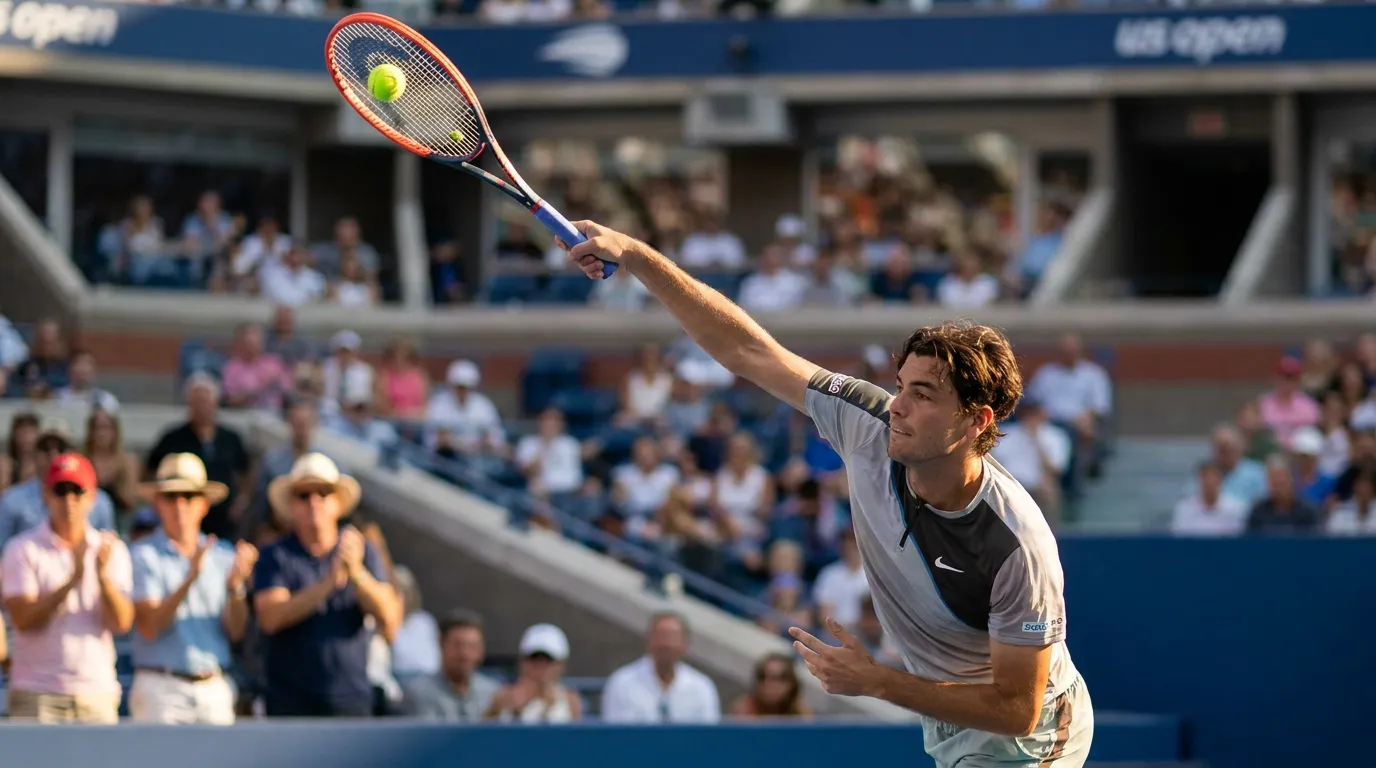
Managing Arthur Ashe Pressure
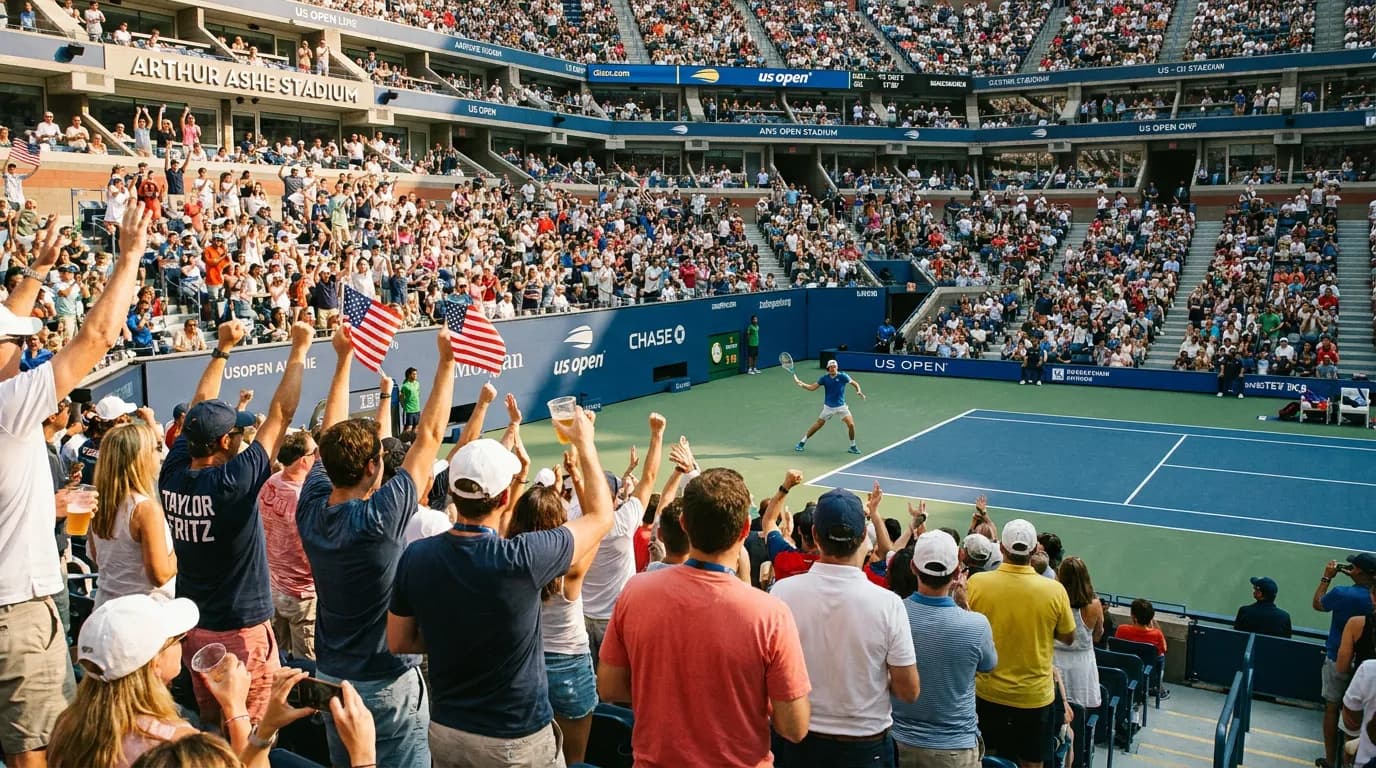
The 2024 final provided Fritz with an education that no amount of practice or smaller matches could replicate. Playing in front of a packed Arthur Ashe Stadium crowd desperate for an American champion creates a unique psychological environment. The energy can lift a player to extraordinary heights, but it can also amplify pressure and make routine shots feel weighted with consequence. Fritz's path to a title requires converting that crowd energy into fuel rather than burden.
One tactical approach involves embracing the noise and emotion rather than trying to block it out. Players who succeed at the US Open often describe feeding off the crowd's energy during crucial points, using roars after big serves or forehand winners to build momentum. Fritz can cultivate this relationship by acknowledging the crowd between points—not excessively, but enough to create a partnership where the fans feel invested in his success and he draws strength from their support. Another element involves preparation for the specific rhythm of night sessions at Arthur Ashe. The stadium's atmosphere during evening matches differs markedly from day sessions, with louder crowds, different lighting, and often more challenging wind conditions. The 2024 final experience itself becomes valuable here—he now knows what that moment feels like and can prepare more specifically for it.
Tactical Lessons from 2024
The straight-sets loss to Sinner in the 2024 final contained specific lessons that Fritz can apply to future deep runs. One key insight involves the importance of starting strongly in major finals. Falling behind early against an opponent of Sinner's caliber makes recovery exponentially more difficult, as elite players rarely surrender leads once established. Fritz's best route includes aggressive tactics from the opening game, establishing his serve and forehand immediately rather than feeling out the match for a set before fully committing.
The match also highlighted the need for tactical adjustments within matches. When an initial game plan encounters resistance, the ability to modify approach—whether through different serve patterns, varied shot selection, or altered court positioning—becomes essential. Fritz can develop this adaptability through practice scenarios that simulate adversity, training himself to recognize when a tactical shift is necessary and having alternative strategies prepared. Physical preparation also emerged as a factor. The demands of a two-week Grand Slam tournament, particularly one played in late summer heat and humidity, require conditioning that goes beyond typical tour-level fitness. Fritz's best route involves peaking physically for the US Open specifically, structuring his summer schedule to arrive in New York with maximum energy reserves while still having enough competitive matches to maintain sharpness.
- Maintain high first-serve percentage in crucial games to avoid giving opponents looks at second serves during pressure moments
- Use the drop shot sparingly but strategically to keep opponents honest and prevent them from camping behind the baseline
- Approach the net behind strong serves and forehands more frequently, as finishing points at net conserves energy over two-week tournaments
- Practice returning from different court positions to handle various serving styles encountered across multiple rounds
Practical Notes
The US Open runs from late August through early September, with the men's final scheduled for the second Sunday. Arthur Ashe Stadium offers the premier viewing experience, though tickets for sessions featuring American players typically sell quickly. The USTA Billie Jean King National Tennis Center in Queens is accessible via the 7 train to Mets-Willets Point station. Arriving early allows time to explore the grounds, which include multiple courts where fans can watch practice sessions and earlier-round matches. Evening sessions at Arthur Ashe create the most electric atmosphere, particularly when an American player is competing. The facility offers various food options, though bringing an empty water bottle to fill at fountains helps manage costs. Checking the daily schedule the night before helps fans plan which sessions to attend, as match times can shift based on previous results.
Tags: #USOpen2026 #Tennis #GrandSlam #NewYorkTennis #ArthurAsheStadium #FlushingMeadows #USOpenGuide #TennisFans #SportsTravel #HardCourt #NewYork #KarpoFinds
Sources consulted: usopen.org — Official reference · usopen.org — Official reference
All trademarks are the property of their respective owners.
Ask Karpo first
Before you lock in tickets or build a full day around an unconfirmed schedule, ask Karpo first. Share your dates, budget, and favorite players, and Karpo can help turn official US Open updates into a practical New York plan.