The surge around kaylee hottle is a useful reminder that support for Deaf artists should move beyond a search tab. In New York, that can mean choosing institutions where ASL, captions, Deaf educators, access staff, and disability-led programming are part of the visit plan, not an afterthought. The best move is not to assume every exhibition, screening, or performance is equally accessible on a given day. Use this as a decision guide: pick one primary venue, confirm the current calendar and request windows, and keep a backup that still supports Deaf and disabled cultural work if a program is sold out, changed, or not interpreted.
Want a current NYC culture plan built around ASL access, Deaf-led programs, captions, and realistic timing? Text Karpo before you book, and we’ll help compare the best fit.

Whitney Museum: Book Around Whitney Signs, Not Just the Big Show
The Whitney is the strongest first stop if you want contemporary art with a clear Deaf-access pathway. Its access materials list Whitney Signs as American Sign Language gallery tours led by Deaf educators for d/Deaf and low-hearing audiences, with ASL videos and access resources tied to exhibitions and the collection. That matters if your goal is support, not passive attendance: a Deaf-led tour changes the pace, language, and authority of the visit.
The tradeoff is timing. Whitney Signs is program-specific, while general admission can be done any open day, so check the calendar before building a weekend around it. The museum also notes discounted admission for visitors with disabilities, free admission for one care partner, mobile captioning for select works, transcripts, assistive listening systems, and ASL or live captioning requests with advance notice. If the ASL tour is not available, choose captioned video works or ASL media as the backup.
Lincoln Center’s Atrium: Use Free Events With Access Questions Answered Early
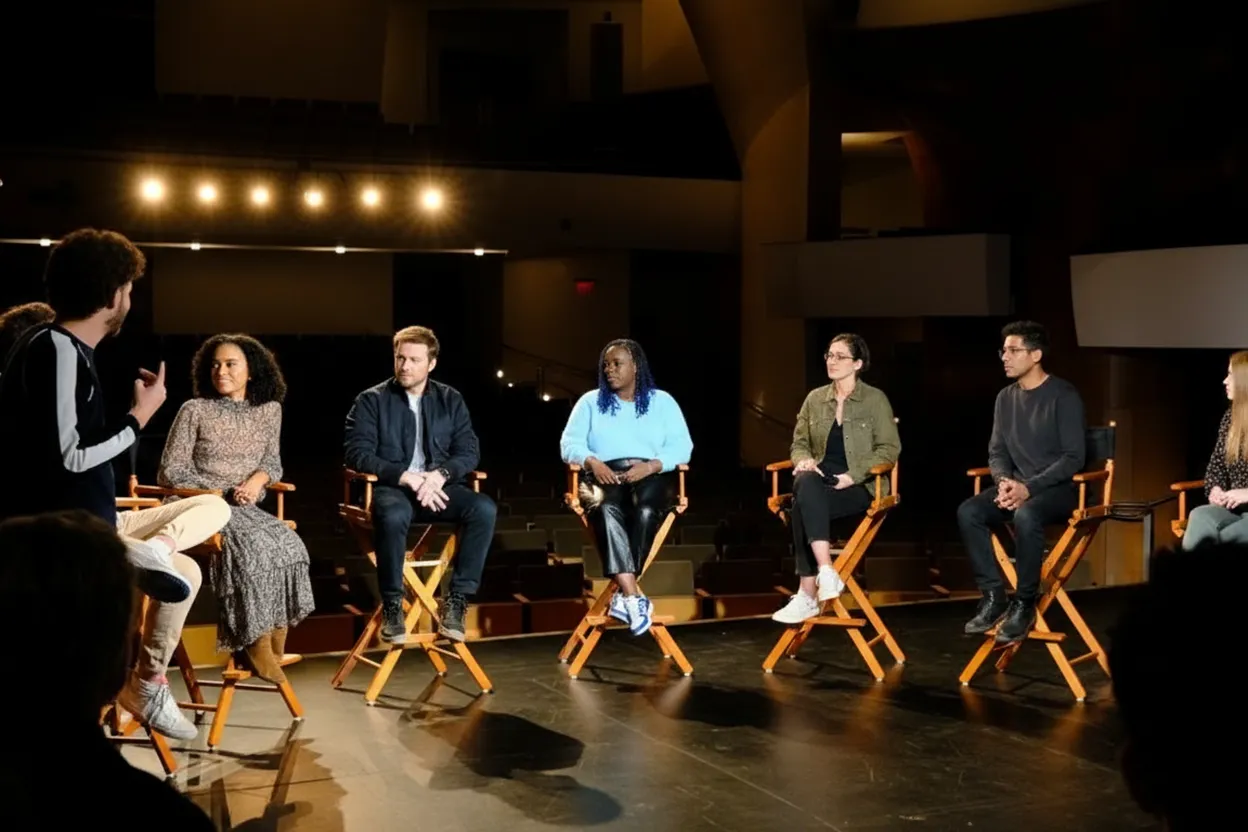
Lincoln Center is useful for low-friction cultural sampling because the David Rubenstein Atrium often hosts free programming, and its accessibility information is unusually practical. The Atrium page describes instant ASL interpretation through Convo Access at areas of commerce, plus live captioning or ASL interpretation for talks when applicable. For a solo visitor testing what accessible performance attendance feels like, that reduces the pressure of buying into a full evening.
The failure mode is assuming every free event has the same access setup. Capacity, seating, format, and interpretation can vary, and free events can draw lines. Lincoln Center asks guests to contact the Access Team as soon as plans are known, even when no strict deadline is listed for some requests. Your best pacing is simple: check the specific event page, ask about ASL or captions, arrive early, and keep a nearby museum or library plan if capacity closes.
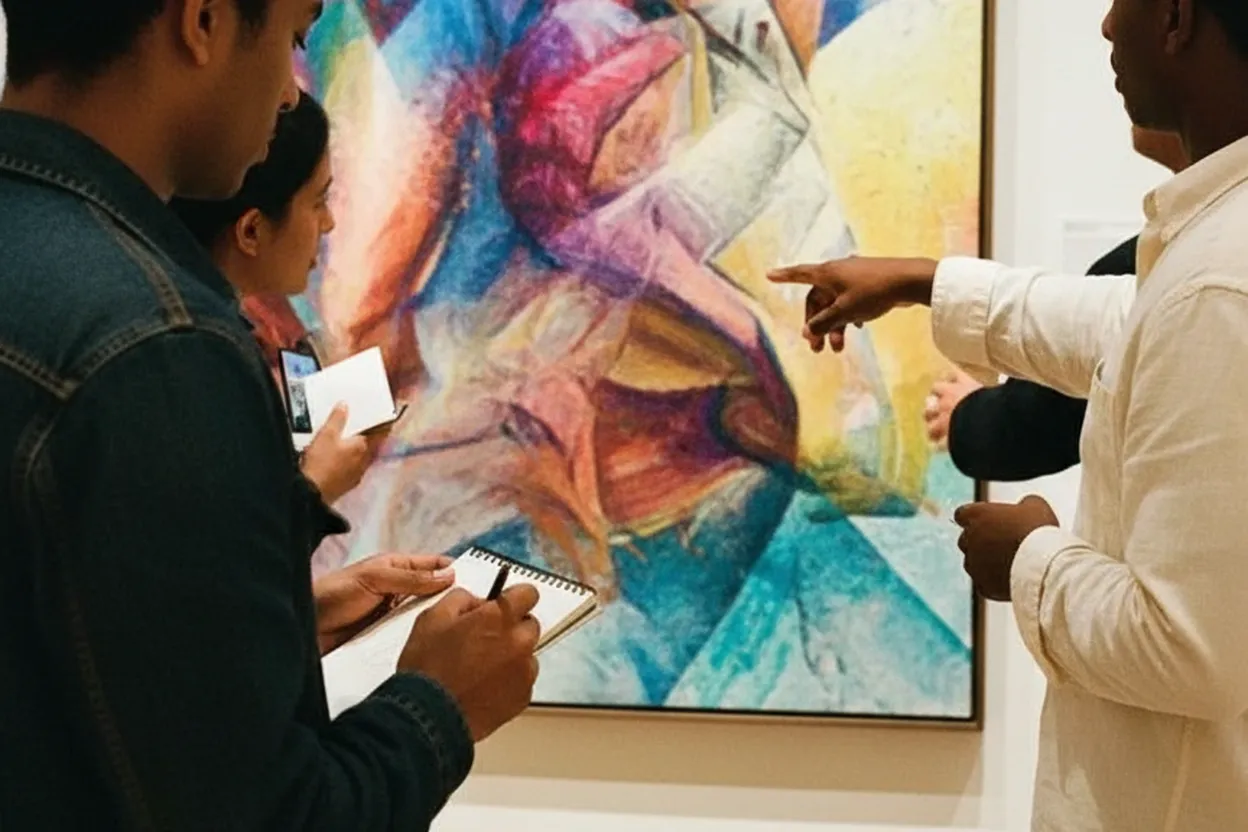
MoMA: Pair Modern Art With Caption, CART, or ASL Requests
MoMA works best when you want a mainstream museum visit that can still be shaped around access. Its accessibility page says public-program accommodations are available by request with at least two weeks’ advance notice, including ASL interpretation, CART, and audio description. For a reader inspired by a Deaf performer’s visibility, the practical action is to scan MoMA’s talks, screenings, and gallery programs first, then request the format that makes participation possible.
For everyday galleries, MoMA’s sensory map can help you pace the visit by identifying quieter areas, seating, tactile engagement, and spaces that may be less crowded. The caveat is that museum layouts and exhibitions change, so the map may not always match conditions on the floor. Build a shorter visit, avoid stacking too many media-heavy rooms, and verify the current exhibition, ticket, and accommodation details before leaving home.
Brooklyn Museum: Look for ASL Tours and Captioned Gallery Media
Brooklyn Museum is a good Brooklyn option because its access page names ASL Tours for adults who are d/Deaf, Brooklyn Talks with ASL interpretation, live captioning on most in-gallery media, printed transcripts when captioning is not included, and free assistive listening devices at the Admissions Desk. The museum also has an ASL Tours series led by a Deaf teaching artist, which makes the institution more than a backup to Manhattan venues.
The museum’s calendar is the deciding factor. ASL Tours are scheduled events, not a daily guarantee, and the next available date can shift. The practical plan is to check the ASL Tours series and accessible programs page first, then decide whether the current exhibitions still justify a general visit. If your main need is interpretation, confirm before purchasing ticketed exhibition entry; if your main goal is accessible independent looking, captioned media and gallery seating make the visit more flexible.
Queens Museum: Choose ArtAccess When You Want Community Pace
Queens Museum is a strong fit for visitors who want access to feel community-based rather than formal. Its ArtAccess programs include Open Studio for children, teens, and adults with disabilities, verbal description programs, and quarterly American Sign Language programs for the D/deaf community led by Deaf educators in ASL without voice interpretation. That last detail is important: it signals a Deaf-centered setting, not only an interpreted hearing-centered one.
The museum’s general accessibility page lists large-print labels, Braille materials, assistive listening devices by request with two weeks’ notice, noise-reducing headphones, earplugs, fidgets, free non-electric wheelchairs on a first-come basis, and a social narrative. The tradeoff is location and timing: Flushing Meadows Corona Park can be a longer trip, and some access materials require advance coordination. Verify the current calendar, program language, and route before committing.
New Victory Theater: Pick ASL-Interpreted Performances for Family-Friendly Theater
New Victory is the most practical theater choice in this guide for families or adults who want a lower-stress live-performance environment. Its accessibility page says all venues are wheelchair-accessible and that it offers assistive listening devices, sensory supports, sensory-friendly performances, audio-described performances, and ASL-interpreted performances. Select sign-interpreted performances are offered in partnership with Hands On, with interpreters positioned near the stage.
This venue rewards careful booking. The best action is to use the accessibility filters on the show calendar, then match the performance date to the access need instead of buying the cheapest or most convenient seat first. New Victory also lists a Cozy Zone, Accessibility Table, fidgets, earplugs, ear defenders, induction neckloops, and seating designations. If an ASL date does not work, contact ticket services before assuming another performance can be adapted.
NYPL: Use Library Programs When Museums Are Too Much
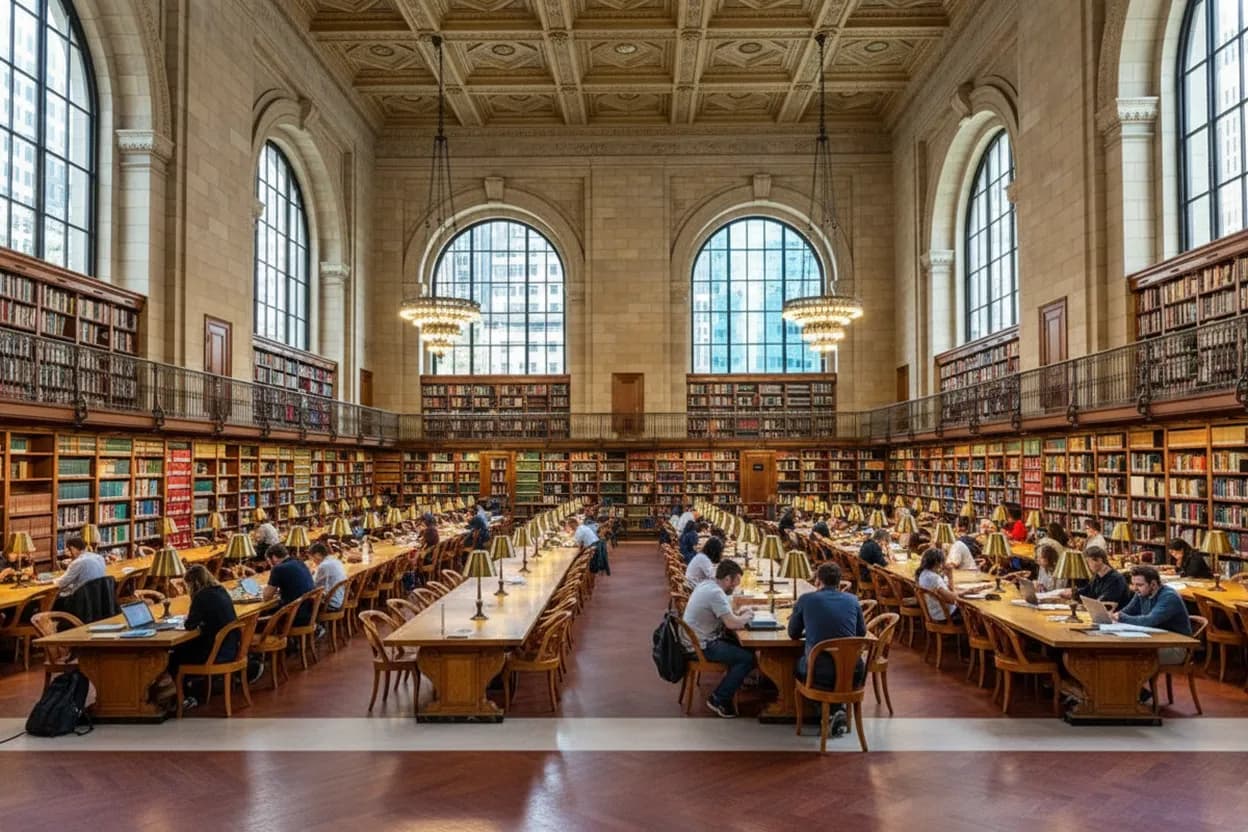
The New York Public Library is the quietest backup in this plan and can be the right primary choice for someone who wants access without a crowded exhibition day. NYPL says ASL interpretation and CART real-time captioning are available by request for programs, classes, and events at all locations, with requests made at least two weeks in advance. It also lists branches with assistive listening devices and hearing loops.
This is not a substitute for supporting Deaf artists directly unless the program itself involves Deaf culture, artists, film, writing, or performance. The smarter use is as a verification-friendly option: search NYPL’s event calendar, filter by location or topic, then request ASL or CART for a specific program. Before leaving, confirm the branch, room, start time, accessibility status, and request confirmation, because library events can move, fill, or end early.
Tags: #AskKarpo #BeforeYouGo #KayleeHottle #DeafArtists #ASLNYC #AccessibleNYC #NYCArts #NYCMuseums #NYCTheater #WeekendPlans #WhitneyMuseum #LincolnCenter #BrooklynMuseum #QueensMuseum
Sources consulted: Source 1: whitney.org · Source 2: lincolncenter.org · Source 3: moma.org · Source 4: brooklynmuseum.org · Source 5: queensmuseum.org · Source 6: newvictory.org
All trademarks are the property of their respective owners.
Ask Karpo first
Tell Karpo your date, group size, budget, and starting neighborhood. We’ll check current access, timing, transit, and the cleanest plan for before you head out.