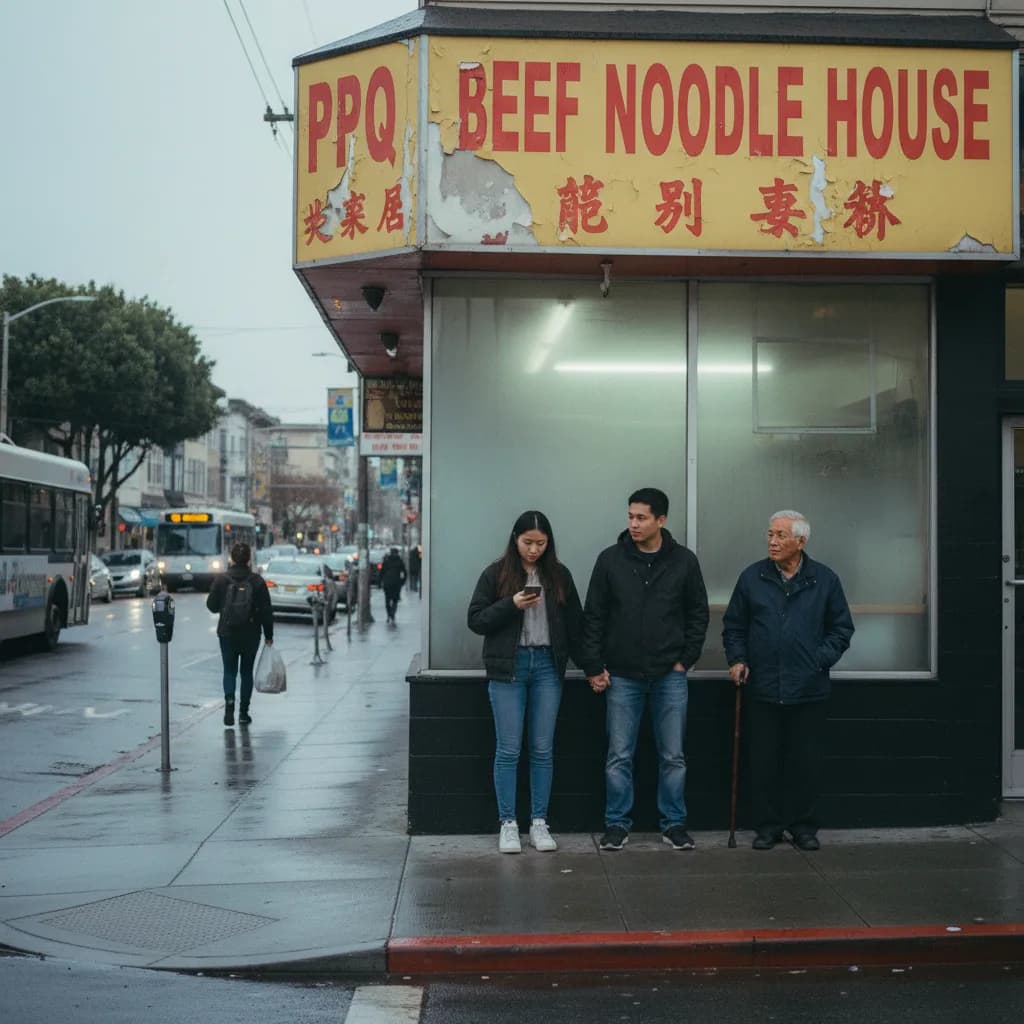
 Outer Richmond Restaurants Open Near Me: PPQ Beef Noodle House
Hidden Gems & Odd Finds
Stewart Rhodes Pardon News Context: SF Hidden Legal History Museum Archive Access
Use current pardon headlines as a doorway into San Francisco’s public research spaces, not as proof that the story happened here. This weekday-afternoon route centers on Civic Center, source checking, and archive access decisions for solo researchers.
Search interest around stewart rhodes can send people into fast takes, but San Francisco offers a slower and more useful path: build context from public collections, official records, and careful verification. This guide is for a solo weekday-afternoon researcher who wants to understand presidential clemency powers, legal precedent, and constitutional questions without treating a national news hook as a local event. The practical base is Civic Center, where the San Francisco Public Library Main Library at 100 Larkin Street gives the clearest confirmed public anchor from the available official information. From there, the right approach is not to assume every legal archive is walk-in ready, but to map the questions, confirm access directly, and use the city’s transit and public-space tools to keep the research session focused.
Researching presidential pardon precedent and legal context after today's news? Text Karpo with your research question focus, available weekday hours, whether you need guidance using legal databases, and preferred neighborhood. We'll route you to two accessible legal archives with public hours, send entry instructions, and provide a backup online legal research database if you prefer remote access.
Start With a Civic Center Research Question
A strong archive visit begins before you touch a catalog. Write one narrow question, such as how presidential pardons are explained in constitutional commentary, how federal court records are preserved, or how public libraries help non-lawyers find primary legal sources. That keeps stewart rhodes as the search hook rather than the whole assignment. The goal is civic understanding: what a pardon is, what it is not, who records it, and which institutions can help a member of the public check the underlying material.
For this EOI slice, Civic Center works because it rewards patience. The area is better suited to a weekday-afternoon solo visit than a rushed weekend outing with a group. You can move between public counters, reading rooms, and nearby transit options while keeping your notes orderly. Bring a government ID if you plan to request access at controlled collections, but do not assume ID alone guarantees entry. Archive access often depends on current rules, appointment systems, material condition, and staff availability.
Use Main Library as the Public Anchor
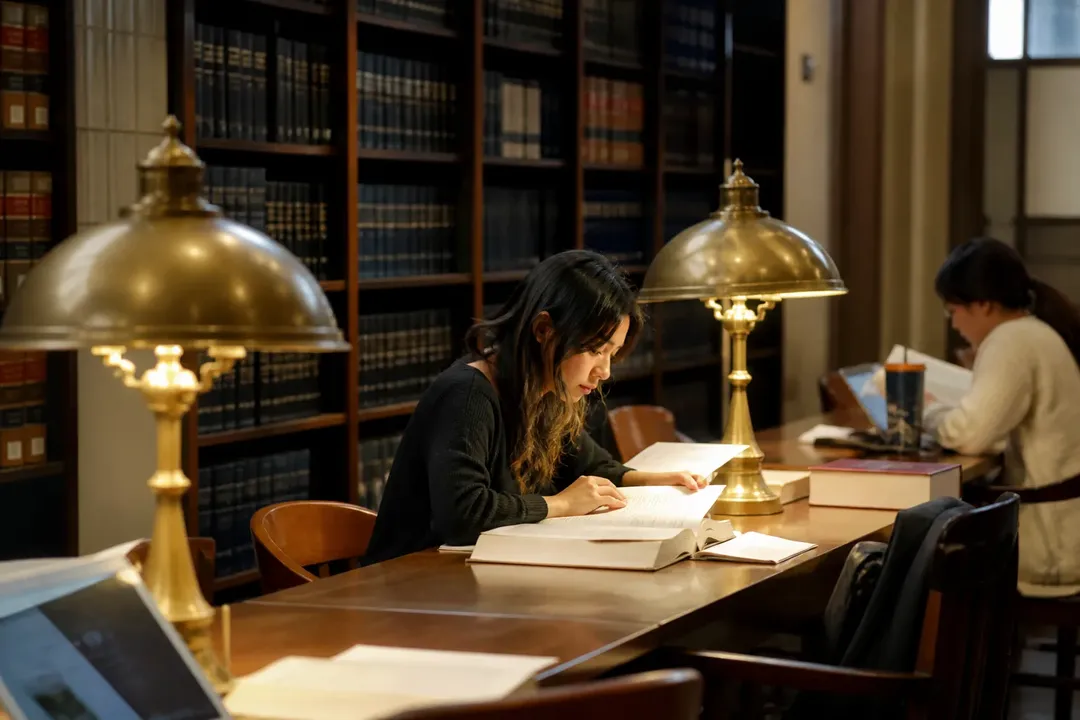
The confirmed public starting point is the San Francisco Public Library Main Library at 100 Larkin Street, San Francisco, CA 94102. The official library extract lists Main Library hours as Sunday 12-6, Monday 9-6, Tuesday 9-8, Wednesday 9-8, Thursday 9-8, Friday 12-6, and Saturday 10-6. For a weekday-afternoon plan on August 6, 2026, Thursday hours are especially useful because the posted schedule runs until 8 p.m., giving you room to begin after lunch and still have time to refine searches.
Use the Main Library as your lowest-friction research layer. It can support the public-library part of the journey: finding books, databases, events, branch information, and staff-facing reference pathways. For legal-history work, start by searching broadly for constitutional law, executive power, clemency, pardon power, federal courts, and civil liberties. If you need materials outside the library’s own holdings, ask how to identify the correct institution before traveling. That question matters because a law library, a federal archive, and a university special collection may all sound similar online, but each can have different admission rules.
Separate Law Library, Court Archive, and Campus Collection
Treat the city’s legal-research ecosystem as three lanes. A law library is usually the practical lane for statutes, treatises, case reporters, legal encyclopedias, and research guidance. A court historical archive is the institutional-memory lane, better for judicial history, records context, exhibitions, and preservation questions. A university constitutional law collection is the scholarly lane, where secondary analysis, faculty publications, archival finding aids, and rare materials may shape the next step. The supplied official extracts do not provide confirmed hours, prices, addresses, or access rules for these specific legal collections, so verify those details directly before going.
This separation prevents wasted motion. If your stewart rhodes question is about what clemency means legally, begin with a law-library-style source path and constitutional commentary. If your question is about federal judicial history in the West, look for Ninth Circuit historical archive access rules and contact points before arriving. If your question is about how scholars frame executive power, search university library catalogs and special-collections policies first. The hidden-gem value is not that these rooms are secret; it is that most casual searchers never slow down enough to match the question to the right kind of collection.
Plan the Route, Then Check Disruptions
SFMTA’s official getting-around page says San Francisco can be navigated by Muni, bike, walking, driving, taxi, and accessibility services, and it provides a Trip Planner where riders can choose how they want to travel. For Civic Center research, that means you can keep the day flexible: take Muni when it fits, walk between nearby public buildings when practical, or choose another mode if mobility, weather, or time makes transit less efficient. The best route is the one that preserves attention for the research, not the one that looks most clever on a map.
Before leaving, check SFMTA Travel & Transit Updates rather than assuming a normal street pattern. The official extract for August 2026 lists items such as Hayes Valley Shared Spaces on Fridays and Saturdays, Chinatown Construction from July 30 through August 9, Outside Lands from August 7 through 9, and the Pistahan Parade on Saturday, August 8. It also notes Muni Metro elevator status, temporary stop relocations, and that stop status is updated every 30 minutes on the hour. Even if your core plan is weekday afternoon, these notices can affect transfers, crowds, and the decision to walk or ride.
Build a Verification Loop Before You Request Materials
Archive access works best as a loop: search, list candidate materials, confirm access, visit, then update your notes. For each promising source, record the institution, title, call number or catalog identifier, access status, and whether an appointment or reader account appears necessary. If a site says to contact staff, do that before building the whole afternoon around one item. For sensitive or high-demand legal-history materials, the practical question is often not whether the collection exists, but whether the exact item can be pulled, viewed, copied, or cited under current rules.
Keep your claims disciplined. You can say that a national pardon headline prompted your research, but do not say the named person, decision process, archive item, or legal dispute is tied to San Francisco unless a reliable source proves it. For a Karpo-style hidden legal history outing, the strongest experience is a self-guided civic audit: what can an ordinary resident learn from public institutions, and where do the records stop being simple? That mindset turns a trending topic into useful constitutional literacy instead of another afternoon of scrolling.
Tags: #SanFrancisco #CivicCenter #HiddenGemsOddFinds #LegalHistory #ArchiveAccess #PublicLibraries #ConstitutionalLaw
Sources consulted: Source 1: sfmta.com · Source 2: sfpl.org · Source 3: sfmta.com · Source 4: weather.gov
All trademarks are the property of their respective owners.
Ask Karpo first
Ask Karpo to turn this San Francisco idea into a current plan for your date, budget, companion, transit preference, and energy level. Karpo can narrow the route and flag what to verify before you go.
Ask Karpo for more information.
Keep reading
- Outer Richmond Restaurants Open Near Me: PPQ Beef Noodle House
 Bar Crudo Divisadero: Premier Seafood Near Me, Raw Bar Excellence
 Woodhouse Fish Co. Castro: Best Seafood Near Me, San Francisco