 Where to Eat Near Penn Station That Isn't a Chain
US Open 2026
Stephen Curry Warriors Fans: NYC Basketball Courts Near US Open Venue
A practical guide to outdoor basketball courts, pickup-game etiquette, and rest-day recreation near the USTA Billie Jean King National Tennis Center for visitors planning active…
Stephen Curry's influence on basketball culture extends far beyond the NBA—his shooting style and community court appearances have inspired pickup games across the country, including the public courts scattered throughout Queens. For visitors attending the 2026 US Open at the USTA Billie Jean King National Tennis Center in Flushing Meadows Corona Park, rest days between tournament sessions offer a chance to explore the neighborhood's basketball infrastructure, from well-maintained outdoor courts to the informal pickup culture that thrives along the 7 train corridor. This guide maps the public recreation facilities, etiquette expectations, and practical logistics for tennis fans who want to stay active, meet local players, and experience Queens beyond the baseline.
Text Karpo with your US Open session time and Queens starting point, and we’ll turn this Public recreation facilities for pickup games during tournament rest days into a practical local plan.
Flushing Meadows Corona Park Courts and Facilities
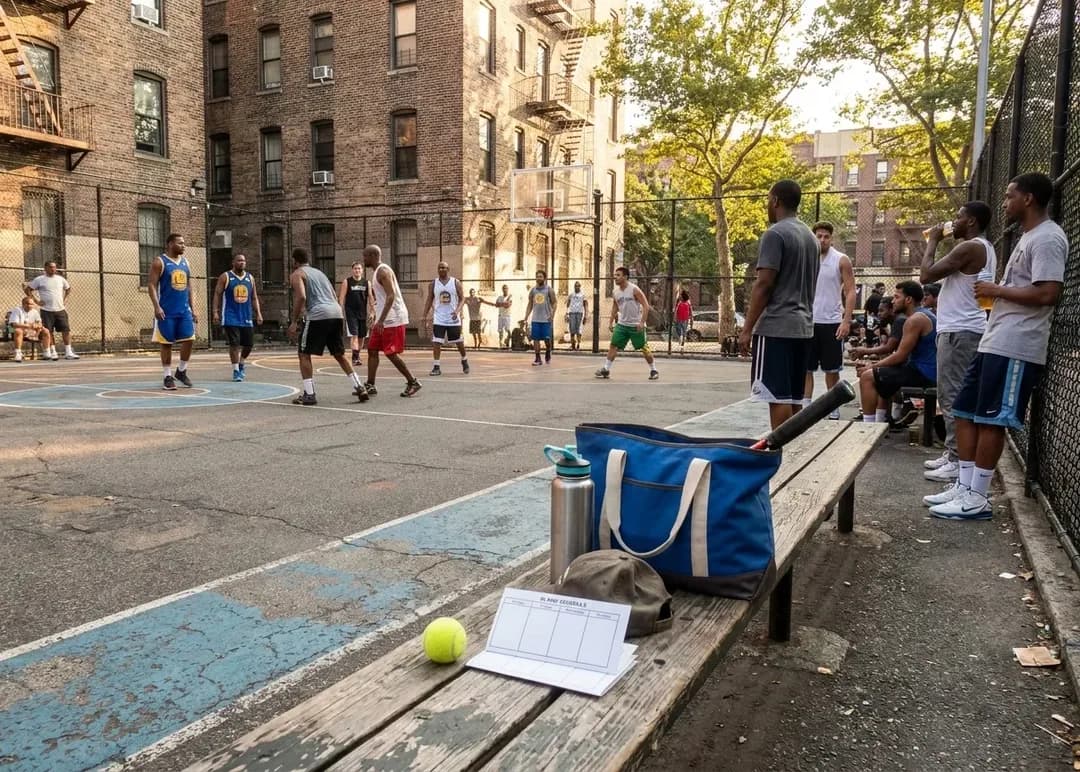
Flushing Meadows Corona Park—the same 897-acre park that hosts the US Open—contains multiple outdoor basketball courts managed by NYC Parks. The courts near the Unisphere and along the park's eastern edge are free, first-come first-served, and typically busy on weekends and summer evenings. According to the NYC Parks website, the park offers both full and half courts, with varying surface conditions depending on recent maintenance cycles. Visitors should check the NYC Parks site for any posted closures or resurfacing schedules before planning a session. The courts are open dawn to dusk, and no reservation system exists—games form organically, with winners-stay-on being the default rule. Bring your own ball, water, and a willingness to wait your turn during peak hours.
Pickup Game Etiquette and Court Culture
Queens pickup basketball follows unwritten but widely understood rules: call your team by standing near the sideline, respect the next-game rotation, call your own fouls honestly, and play to a score (usually 11 or 15, win by two). If you're visiting from out of town, introduce yourself, ask about house rules, and don't assume your skill level will intimidate—New York courts attract serious players, former college athletes, and neighborhood regulars who've been running the same court for decades. Trash talk is common but should stay playful; physical play is expected but cheap shots are not. If the court is full, ask who has next, and be prepared to wait through a game or two. Bringing an extra ball to shoot around while waiting is a courteous move that signals you're serious about playing.
Courts Along the 7 Train Corridor
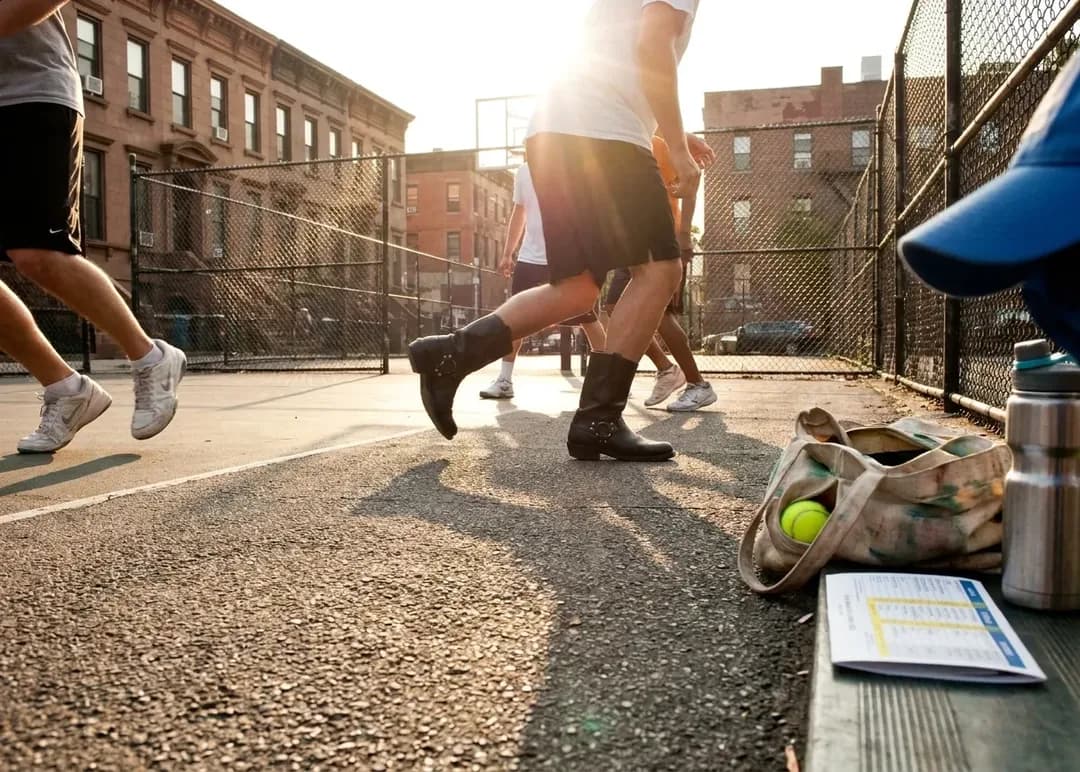
The 7 train—the primary transit line connecting Manhattan to the US Open via the Mets-Willets Point station—passes through neighborhoods with their own basketball traditions. In Jackson Heights, Travers Park at 34th Avenue and 78th Street features well-lit courts popular with evening pickup runs. Corona's Louis Armstrong Playground at 103rd Street and 41st Avenue offers courts within walking distance of the tournament grounds. Further west, Astoria Park along the East River has multiple courts with bridge views and a mix of recreational and competitive games. Each stop along the 7 line offers different court conditions, player demographics, and game intensity—checking Google Maps for court locations and reading recent reviews can help set expectations before you make the trip.
Timing Your Court Visit Around US Open Sessions
The US Open typically runs late August through early September, with day sessions starting around 11 a.m. and night sessions beginning at 7 p.m., according to the official event schedule on usopen.org. If you're attending an evening session, morning and early afternoon offer the best window for a pickup game before heading to the tournament. Courts are less crowded weekday mornings, while weekend afternoons draw the most players. Plan for at least 90 minutes at the court—30 minutes to warm up and wait for next, 45 minutes to an hour of game time—and budget extra time for a post-game cooldown and transit back to the tennis center. The MTA's US Open transit guide notes increased 7 train frequency during tournament weeks, but always check the MTA service status page for real-time updates before traveling.
What to Bring and Where to Prep
Public courts in Queens rarely have water fountains in working order, and shade is limited during midday heat. Pack a refillable water bottle, sunscreen, a hat, and a small towel. Wear basketball shoes with good ankle support—asphalt surfaces are unforgiving, and the risk of rolled ankles increases on cracked or uneven courts. If you're staying in a hotel near the tournament, consider changing there and storing your tennis-watching outfit in a small backpack. Delis and bodegas near most courts sell cold drinks and snacks, but don't rely on finding a specific business open—carry what you need. The US Open's prohibited-items guide restricts large bags and certain containers inside the tennis center, so plan your gear accordingly if you're heading straight from the court to your session.
Connecting Basketball and Tennis Culture in Queens
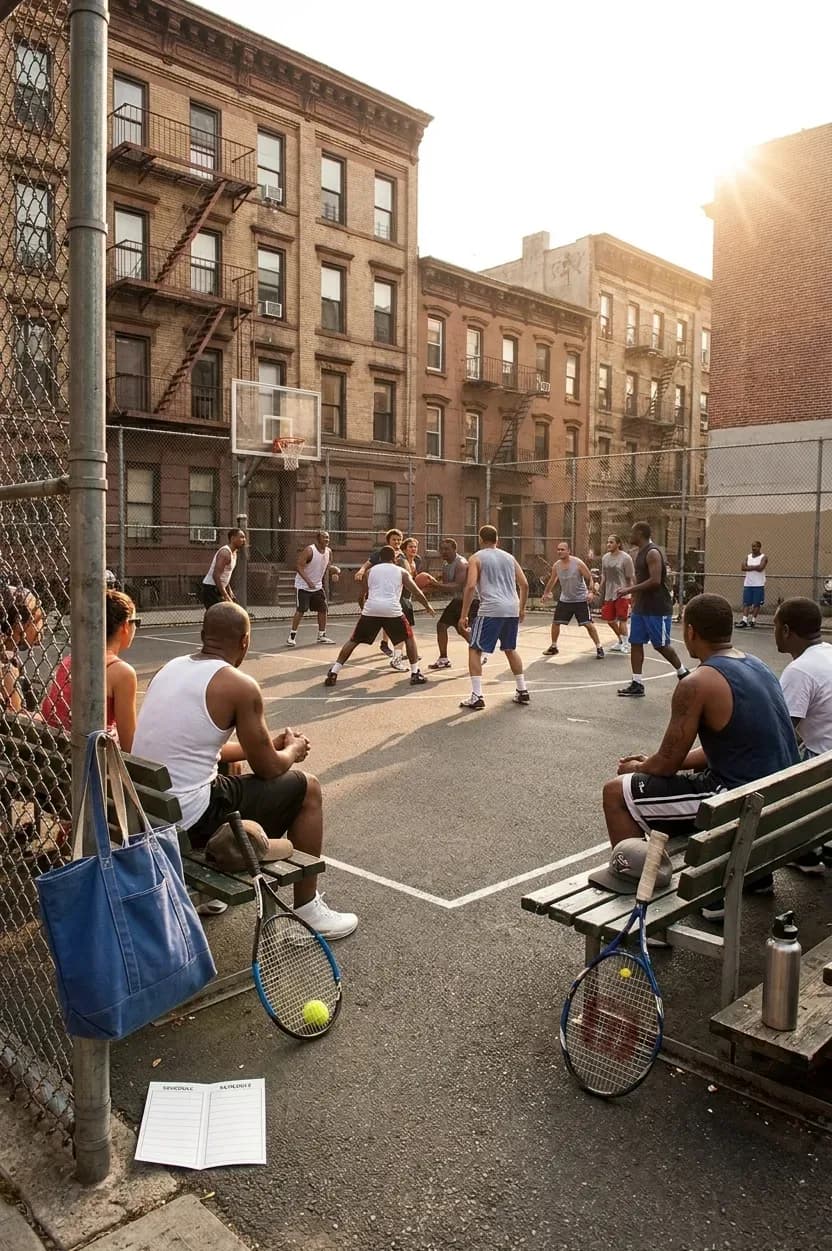
Queens has long been a crossroads for sports culture—Flushing Meadows hosted the 1964 World's Fair, the Mets play at Citi Field just north of the tennis center, and the borough's diversity means courts host players from dozens of countries and basketball traditions. The US Open's visitor A-Z guide emphasizes the tournament's community roots and accessibility, values that mirror the open-access nature of public basketball courts. Spending a rest day shooting hoops in the same park where the world's best tennis players compete offers a ground-level view of how New Yorkers use public space, negotiate shared resources, and build informal communities around sport. It's also a reminder that elite competition and neighborhood recreation coexist in the same geography, separated by a few hundred yards and a chain-link fence.
Practical Notes for Visitors
- Check NYC Parks website for court locations, conditions, and any posted maintenance closures before your visit.
- Arrive early on weekends—popular courts fill quickly, and wait times for next game can exceed an hour.
- Bring your own basketball; shared balls are rare, and court etiquette favors players who come prepared.
- Use the MTA trip planner to map 7 train stops near courts, and confirm real-time service on the MTA status page.
- Respect local players and house rules—every court has its own culture, and visitors earn goodwill by listening first.
- Plan for weather—summer heat and afternoon thunderstorms are common in late August and early September.
- Store valuables securely; most courts lack lockers or supervision, so travel light and keep essentials with you.
- Confirm US Open session times on usopen.org to avoid scheduling conflicts between court time and tournament entry.
Tags: #USOpen2026 #Queens #FlushingMeadows #KarpoFinds #Karpo #stephencurry #NewYorkLocal #TennisTravel #NYCLocalLife #TennisTravel
Sources consulted: usopen.org — Official event schedule · usopen.org — Official visitor A-Z guide · usopen.org — Official transportation directions · usopen.org — Official prohibited-items guide · MTA — Official US Open transit guide · NYC Parks — Flushing Meadows Corona Park · NYC Tourism — Queens · MTA — Service status
All trademarks are the property of their respective owners.
Ask Karpo first
Want to know what is actually open, how to time the trip, and where to pause around Queens? Ask Karpo for the latest public US Open context, a respectful visitor plan, and a live route around Flushing Meadows before you head out.
Ask Karpo for more information.
Keep reading
- Where to Eat Near Penn Station That Isn't a Chain
 Andytown Coffee in the Outer Sunset: The Snowy Plover Explained
- Best Things to Do in Chicago: What the City Gives Away