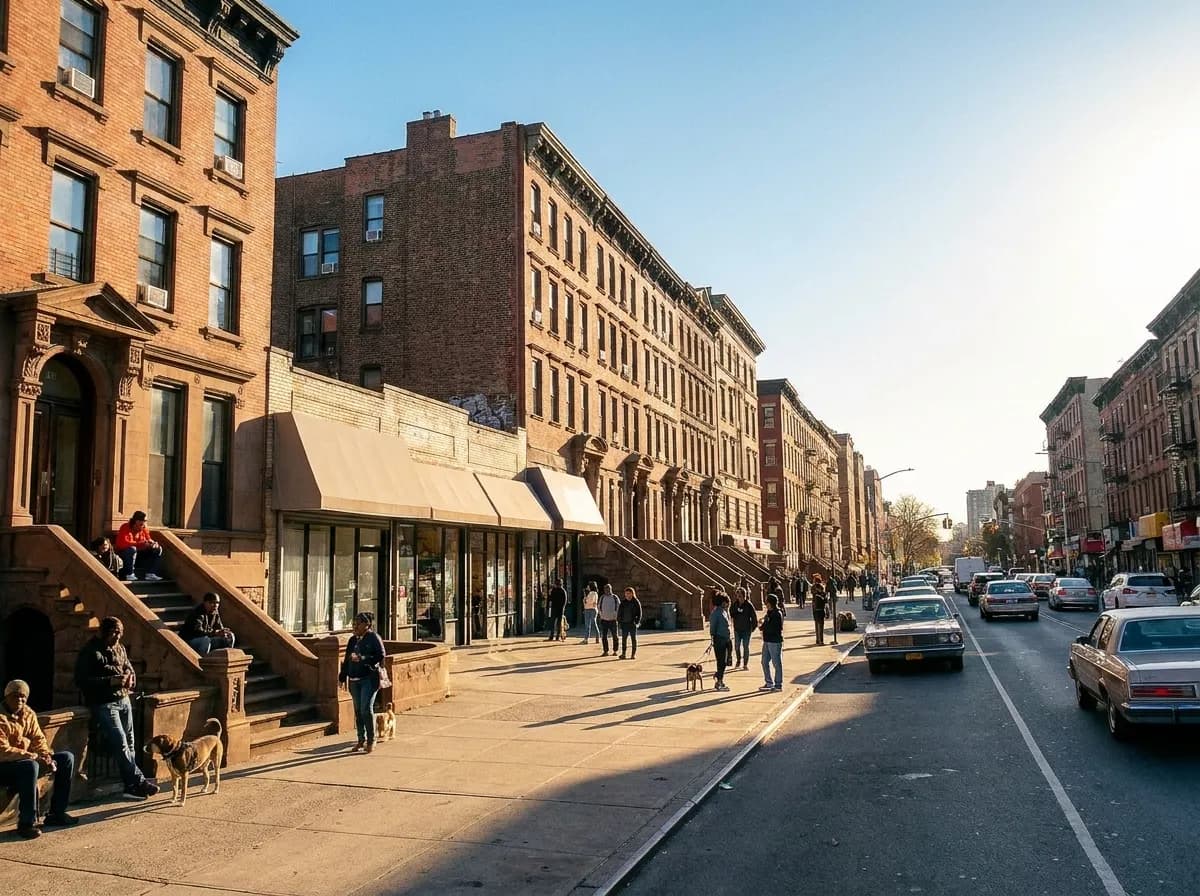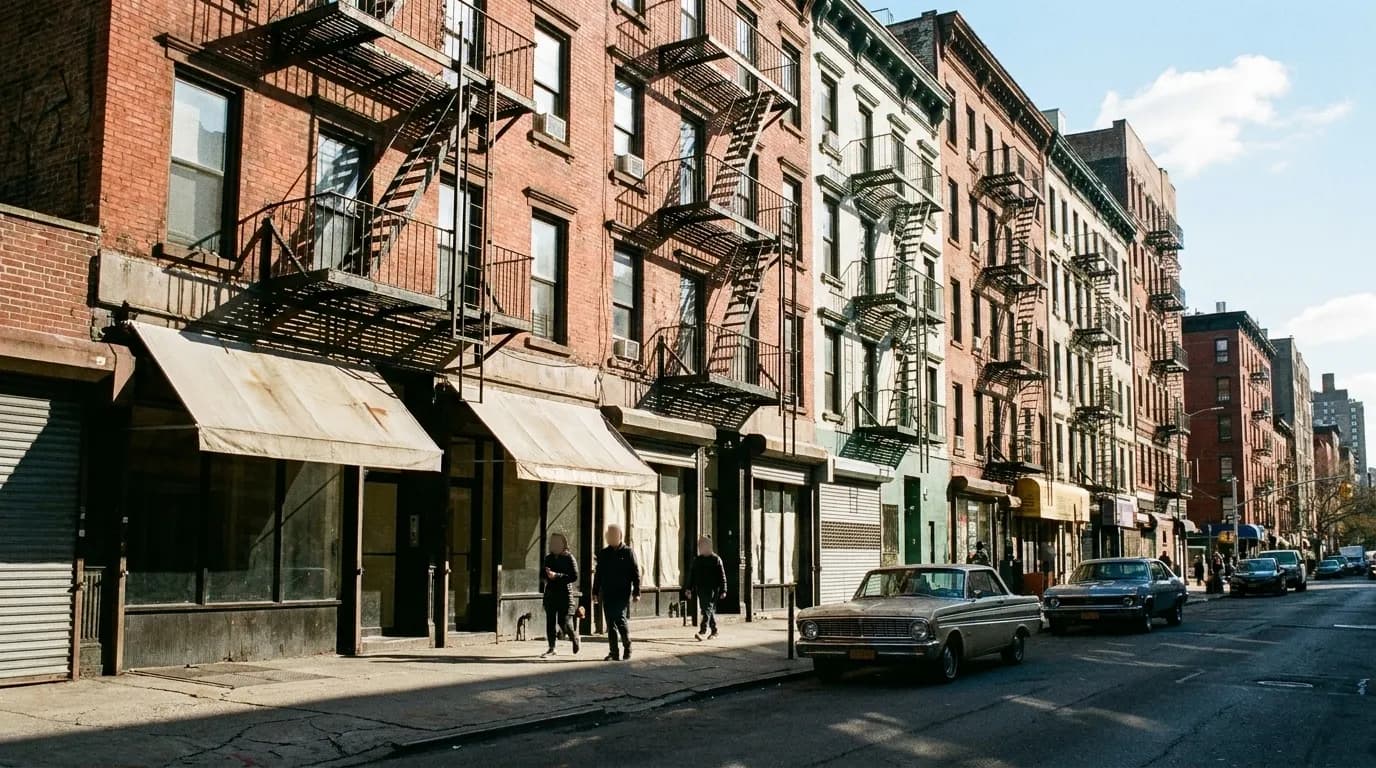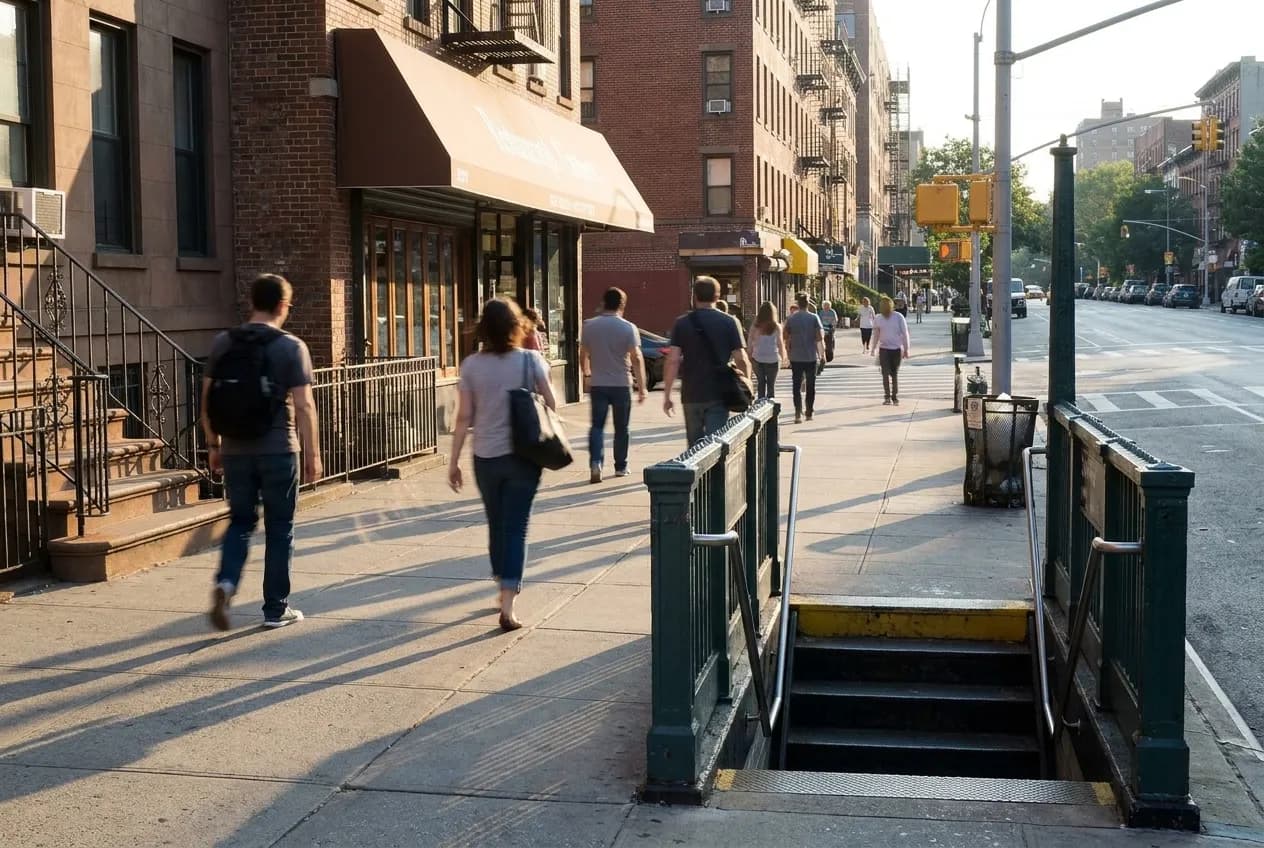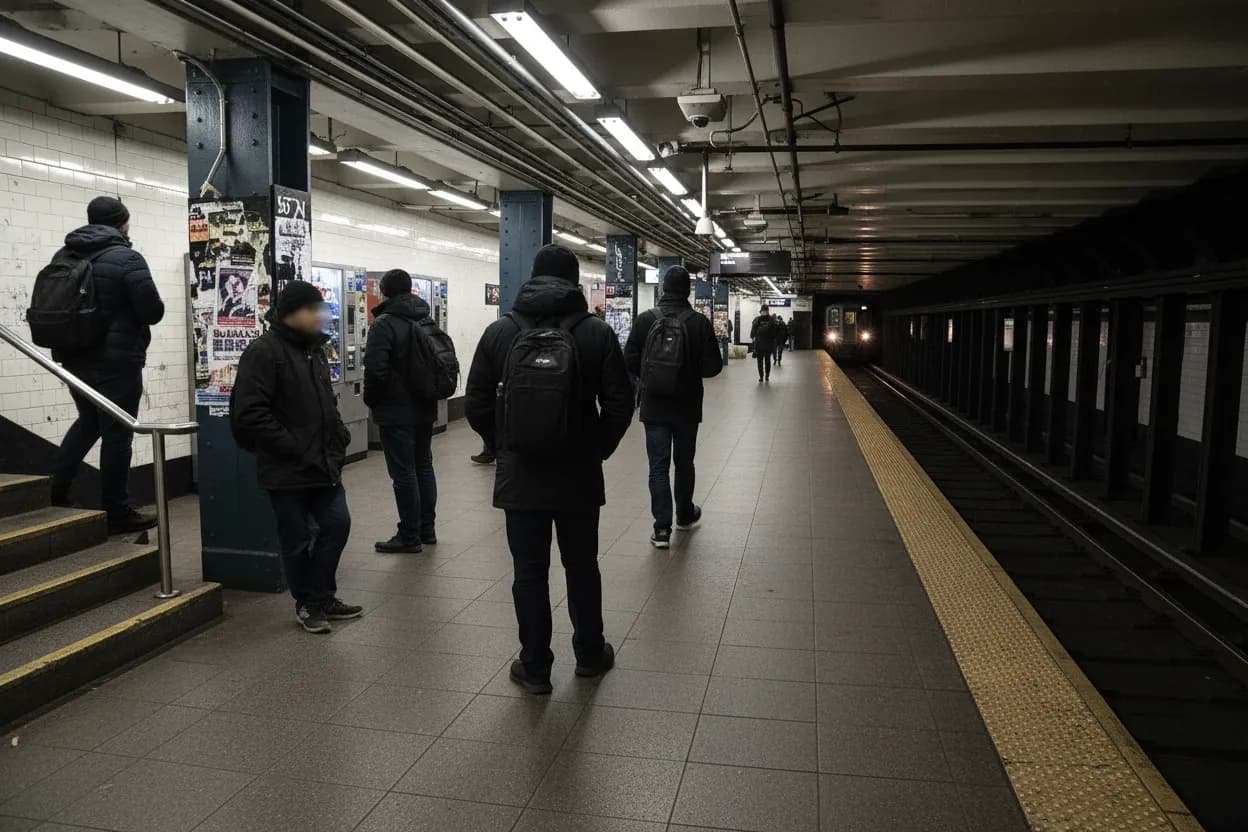
For Brooklyn riders who depend on step-free access, the Metropolitan Transportation Authority (MTA) is advancing significant accessibility upgrades. These improvements are part of a broader, multi-year commitment to modernize the subway system, making it more inclusive for individuals with mobility needs, parents with strollers, and those managing luggage. This guide offers a clear, actionable overview of specific Brooklyn stations slated for enhancements, what these changes entail, and how to stay informed to ensure a smoother travel experience. Understanding these developments is crucial for planning effective, low-friction journeys across the borough.
Want to know which Brooklyn stations are becoming accessible, when to expect elevators, and how to plan step-free routes now? Text Karpo for the latest updates on Brooklyn subway accessibility and current station work notices before you travel.
Five Brooklyn Stations Slated for Step-Free Access
The MTA has announced that five additional Brooklyn subway stations are slated to receive accessibility upgrades, primarily through the installation of new elevators. These stations include Neptune Av on the F line, 18 Av on the N line, Jefferson St on the L line, Nostrand Av on the C line, and Fort Hamilton Pkwy on the D line. This initiative is a direct result of funding generated, in part, by congestion pricing, providing a tangible answer to how these revenues are being utilized to enhance the transit system.
The number of elevators being added varies by station layout, reflecting a tailored approach to achieving full step-free access for each location. Neptune Av will receive one new elevator, 18 Av and Jefferson St will each get two, Fort Hamilton Pkwy will also receive two, while Nostrand Av is planned for three elevators due to its more complex configuration. Beyond elevator installations, these projects encompass a broader scope of work, including platform repairs, updated fare arrays, staircase replacements, and security enhancements to improve the overall rider experience.
Current Accessibility Progress Across the System
As of mid-2026, the MTA has made substantial progress in subway accessibility, with 42 stations becoming ADA accessible since 2020. This marks a significant acceleration compared to the previous decade. The ongoing 2025-2029 Capital Program represents the largest single accessibility investment in MTA history, dedicating $7.1 billion to these improvements. This plan aims to make over 60 additional stations newly accessible, ultimately ensuring that more than two-thirds of all subway rides will originate from or conclude at an accessible station upon completion.
Beyond the recently announced Brooklyn stations, several other locations across the five boroughs are actively undergoing accessibility upgrades. In Brooklyn, stations like 36 St, Avenue I, Broadway Junction, Classon Av, Gates Av, Junius St, Kings Hwy, Myrtle Av, New Lots Av, and Norwood Av are currently receiving enhancements. These efforts align with a landmark agreement between the MTA and disability advocates to achieve ADA access at 95% of stations by 2055, underscoring a long-term commitment to a fully accessible transit network.
Benefits Beyond Wheelchair Users
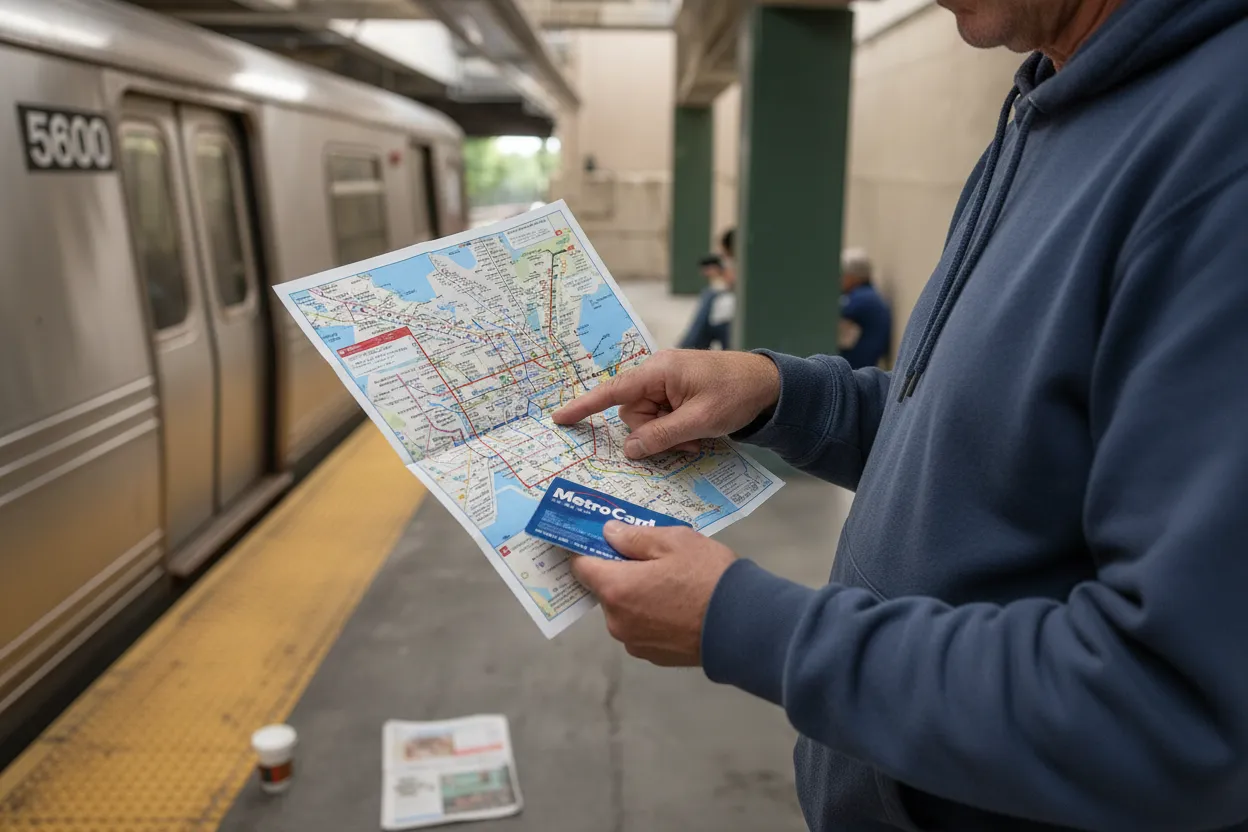
While often associated with wheelchair users, subway station accessibility profoundly impacts a wide spectrum of riders. Elevators and ramps are critical for parents navigating with strollers, older individuals who find long staircases challenging, and travelers managing luggage. Additionally, delivery workers with carts and anyone recovering from an injury benefit significantly from step-free access, highlighting that accessibility is a fundamental upgrade for a substantial portion of daily commuters and visitors.
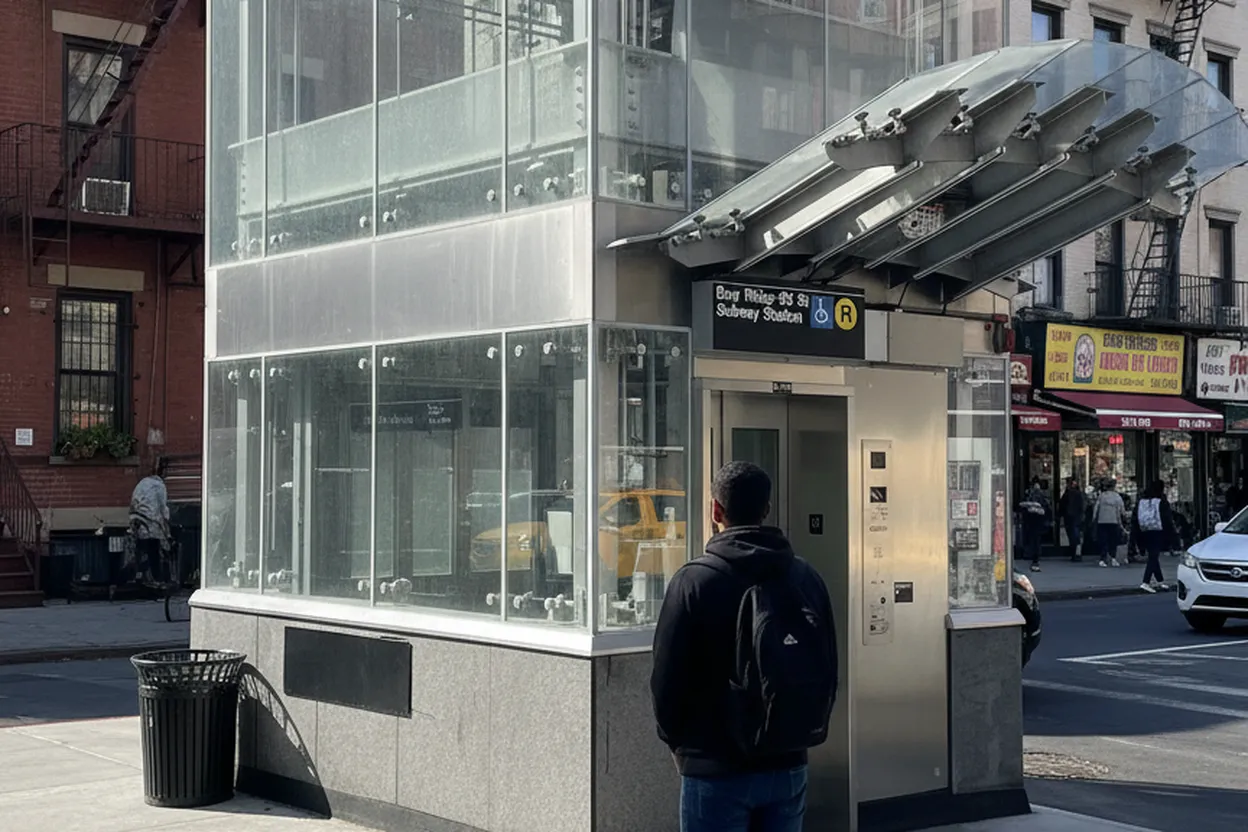
The strategic selection of these five Brooklyn stations across the F, N, L, C, and D lines is designed to expand the network of step-free travel options. By scattering these improvements across multiple lines, the MTA aims to create a more connected and usable accessible network. An accessible origin station is only truly effective if the destination is also accessible, and these targeted upgrades contribute to building continuous accessible routes throughout the borough.
Funding and the Capital Plan Framework
The accessibility upgrades in Brooklyn and across the NYC subway system are supported by a multi-source funding strategy outlined in the MTA’s 2025-2029 Capital Plan. This plan integrates federal dollars, state investments, city support, and private-sector collaboration. Governor Hochul has emphasized that the capital program includes at least 66 station accessibility projects, with hundreds more elevator upgrades funded by congestion relief tolling and related state funding streams, underscoring accessibility as a central pillar of system modernization.
The capital plan is not solely focused on new accessibility installations; it also includes continued investments in escalator and elevator replacements to ensure a state of good repair and reliable service. Furthermore, the plan incorporates modernization efforts such as signaling upgrades, the introduction of next-generation fare gates, and improvements to passenger information displays, all aimed at enhancing the overall rider experience and system reliability.
Procurement and Project Timelines
For the five identified Brooklyn stations, the immediate next step in the timeline is the procurement process. The MTA issued a Request for Proposals (RFP) for the approximately $100-million-plus contract this summer, with contractors' proposals due by September 14. The agency anticipates awarding this contract by the end of the year, with construction commencing thereafter. While specific construction timelines for each station will become clearer post-award, these projects represent a funded plan with named stations and a public deadline.
It is important to recognize that even high-priority upgrades typically involve multi-year horizons. For example, the Middletown Rd project in the Bronx, part of a similar accessibility bundle, has an anticipated completion date in Summer 2027. Riders are advised that while significant progress is underway, the appearance of new elevators will not be instantaneous, requiring patience as these infrastructure projects move from planning to completion.
Staying Informed on Elevator and Escalator Status
Even at accessible stations, elevator outages can occur and significantly impact travel. For individuals relying on these features, a malfunctioning elevator can render a station unusable. The MTA provides several tools to help riders stay informed about real-time elevator and escalator status. The MTA’s Elevator and Escalator Status page shows current outages across the subway, Metro-North, and LIRR, allowing users to filter specifically for ADA-designated elevators.
To proactively manage travel, riders can sign up for free email and text alerts for elevator and escalator outages at specific stations. By selecting your most frequently used stations, you will receive notifications when equipment goes out of service and when it returns, potentially saving you from unexpected delays or reroutes. If you encounter an outage not listed on the official status page, it is helpful to report it via the MTA’s subway elevator/escalator outage form, including key details like the station name and equipment number.
Planning Your Accessible Journey: Verification Advice
Before embarking on any journey that relies on accessible subway features, always verify the current status of elevators and escalators at your origin, transfer, and destination stations. While this guide provides information on upcoming upgrades, timelines can shift, and equipment can experience temporary outages. Utilize the MTA’s official Elevator and Escalator Status page or sign up for service alerts to get the most up-to-date information before you leave.
Additionally, it is advisable to check the MTA’s project page or service alerts for any planned station work notices that might affect accessible routes. For a truly low-friction experience, consider having a backup plan, such as an alternative accessible route or information on Access-A-Ride, especially for critical appointments. This proactive approach ensures you are prepared for any unforeseen changes and can navigate the system with confidence.
Tags: #Brooklyn #Subway #MTA #Accessibility #ADA #Elevators #NYCTransit #CongestionPricing #NeighborhoodGuides #ThingsToKnowNYC #Nostrand #FortHamilton #AskKarpo #BeforeYouGo
Sources consulted: Source 1: manhattanmonday.com · Source 2: helpnewyork.com · Source 3: app.karpo.ai · Source 4: bkreader.com
All trademarks are the property of their respective owners.
Ask Karpo first
Tell Karpo your date, group size, budget, and starting neighborhood. We’ll check current access, timing, transit, and the cleanest plan for MTA Brooklyn before you head out.