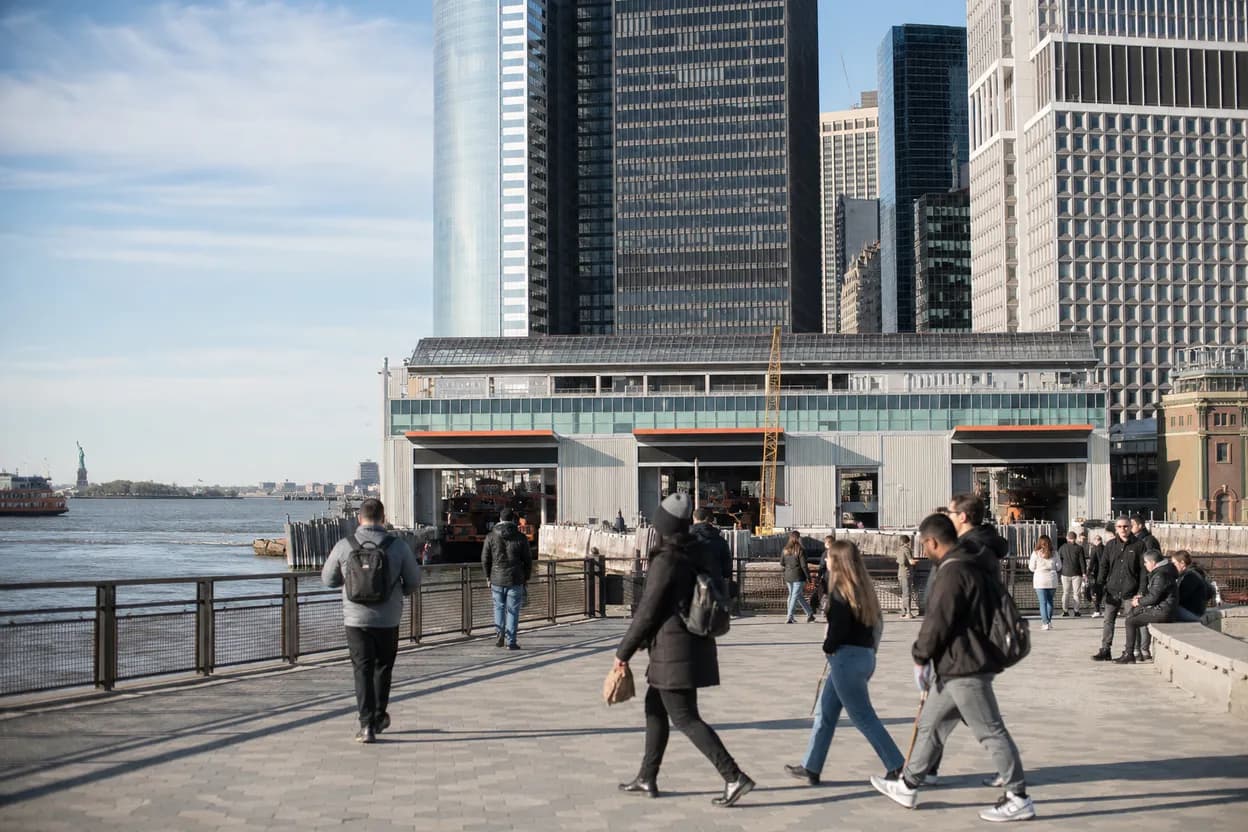
For Staten Island students headed to Manhattan classrooms, the Staten Island Ferry can look simple on paper and feel different before first period. NYC DOT says the ferry runs free between St. George and Whitehall every day, year-round, with an approximately 25-minute crossing, but the school commute is not only the boat ride. A useful rehearsal tests the whole chain: getting to the terminal, waiting through the right departure, handling wind on the harbor, finding the correct Manhattan exit, and making the subway or walking transfer without panic. The best trial is an early weekday run, timed like a real school morning, with one parent shadowing once before the student travels solo.
Want a commute rehearsal turned into a tighter morning plan? Text Karpo with the school area, start time, mobility needs, and backup route you are considering.
Start With The Full Door-To-Door Clock
Treat the ferry as one segment inside a longer school route, not as the whole commute. Start the timer at the apartment door or bus stop on Staten Island, then record arrival at St. George, actual boarding time, ferry departure, Whitehall arrival, and the moment the student reaches the school entrance or first connecting train. NYC DOT lists the harbor crossing at approximately 25 minutes, but family decisions should use the complete elapsed time.
The first trial should be done on an early weekday morning because weekend rhythm can hide weekday friction. If the student will eventually travel alone, let the caregiver walk behind rather than lead. The goal is to see whether the student can read signs, choose a lane, recover from a missed stairwell, and keep moving without constant prompting. A realistic test also includes the backpack, lunch, instrument, sports bag, or laptop load expected on school days.
Use The Official Ferry Schedule, Then Add Slack
NYC DOT’s schedule page says the Staten Island Ferry provides daily, year-round service, is free to ride, and that schedules are subject to change without notice. For a student commute, that last sentence matters. Build the plan around the official schedule checked the night before and again before leaving home, then add a buffer for elevator waits, crowded ramps, restroom stops, security questions, and the simple delay of walking against commuter flow.
Do not plan around the last possible boat that could make the bell. A more stable target is the departure that still works if the student misses one connection immediately before or after the ferry. Families should write down a preferred boat, a late-but-acceptable boat, and the point at which the student must stop improvising and call a caregiver. That threshold is more useful than a vague instruction to hurry.
Whitehall Is Where The Route Gets Tested
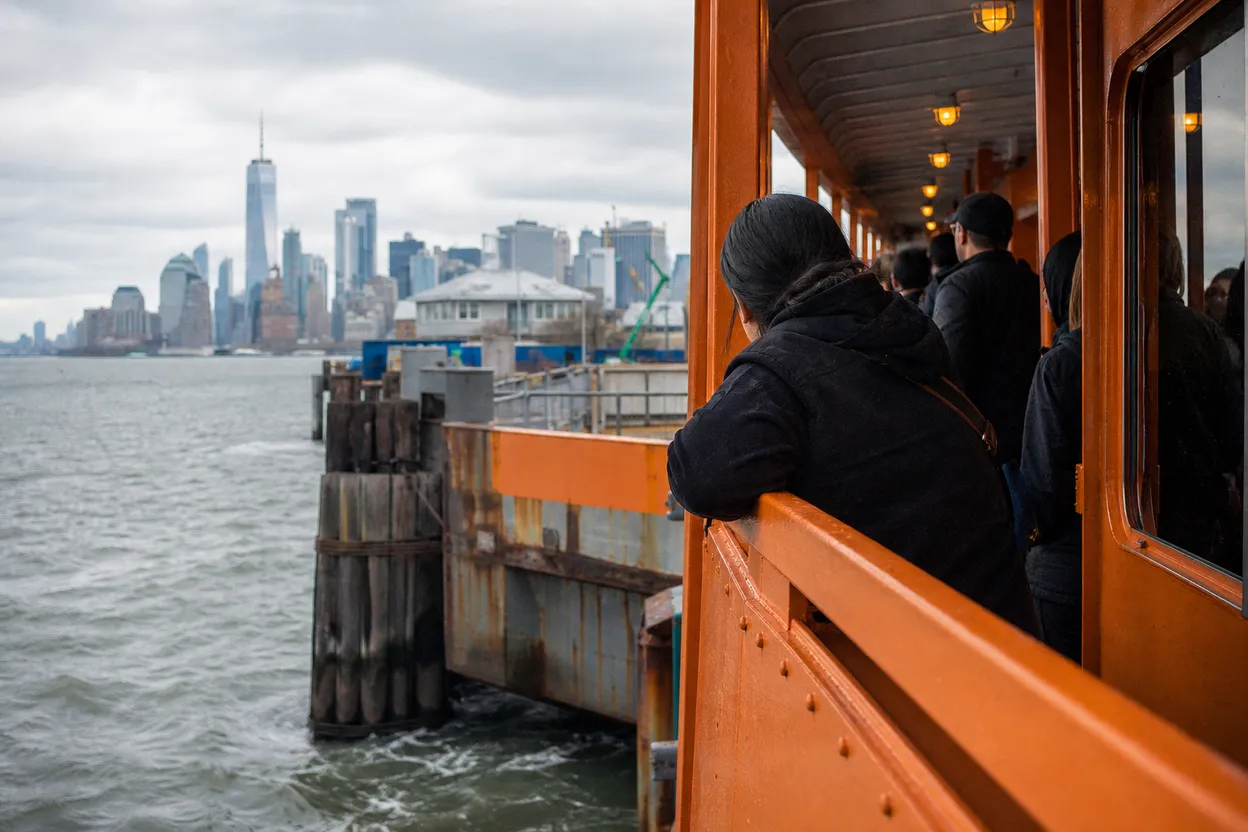
Whitehall Terminal is the Manhattan end of the route, and it is where a calm ferry ride turns into a city commute. The student needs to know which side of the terminal leads toward the next step, whether that means the South Ferry subway area, Whitehall Street, Battery Park edges, or a walking route north. A parent trial should include deliberately stopping after disembarkation and asking the student to point out the next move.
The transfer friction is often emotional, not geographic. A student who was fine on the boat may freeze when a crowd moves quickly toward stairs and doors. Practice one clean exit path and one backup path, then avoid adding optional sightseeing or errands to the trial. The ferry’s harbor views are a benefit, but the rehearsal is about whether the student can repeat the route on a windy morning with school pressure in the background.
Weather Can Change The Morning Math
A bright harbor morning can still be windy, and wind affects more than comfort. It can make outdoor approaches feel longer, push rain under umbrellas, and turn loose papers or open bags into distractions. Students should test the route with the outerwear they would actually wear to school, including a hood or hat that does not block hearing. A caregiver should also note whether the student becomes cold, rushed, or disoriented after waiting near doors.
Weather planning should be boring and specific. Pack the transit card or payment device needed after the ferry, a charged phone, a small battery if allowed by family rules, and a dry pocket for school ID. If the forecast looks severe, families should verify ferry service updates through NYC DOT, Notify NYC, 311, or the school’s own arrival policy before leaving. Do not assume a scenic route is the best route during weather disruption.
Solo Readiness Needs A Parent Trial Run
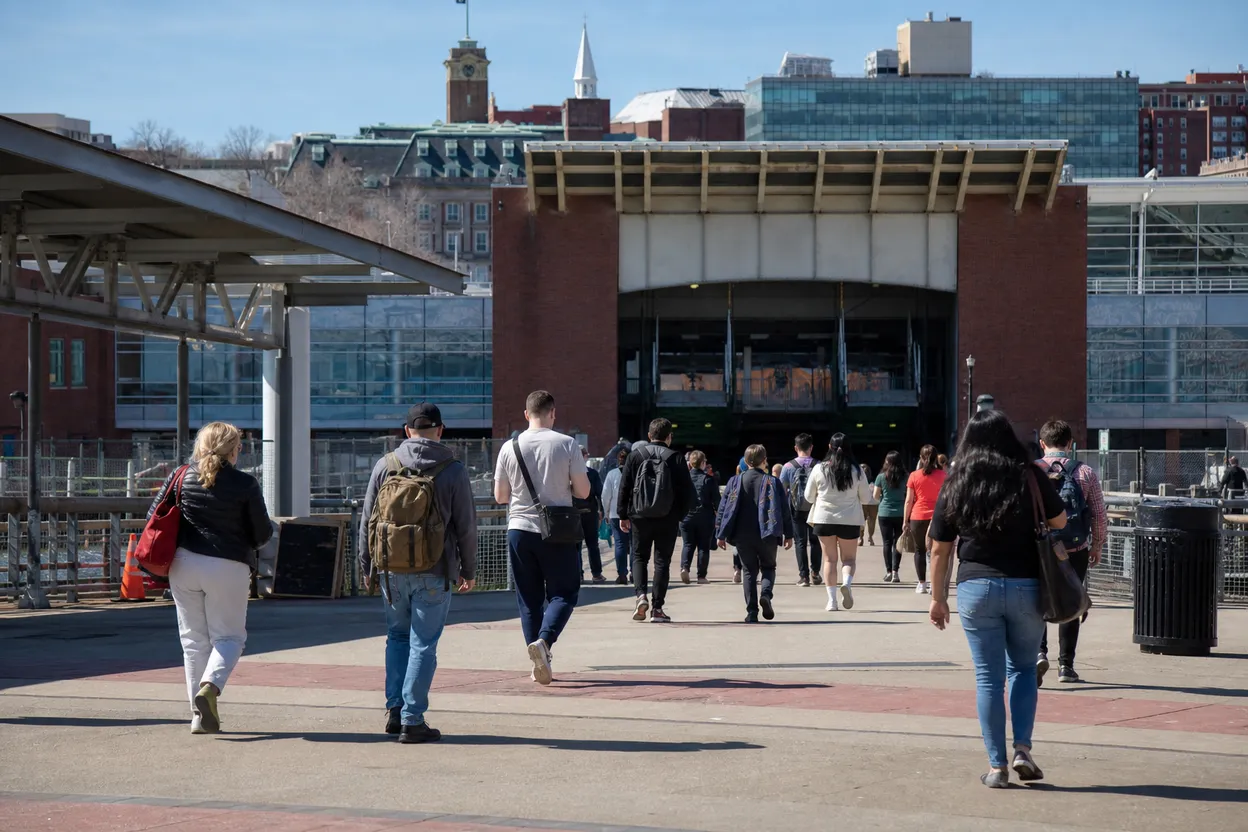
The strongest version of this rehearsal is a parent trial followed by a student-led repeat. On the first run, the caregiver can quietly mark decision points: where to wait, which sign matters, where crowds split, and where phone reception or noise makes calling harder. On the second run, the student should lead from memory while the caregiver only intervenes for safety. That shows whether the route has become usable, not merely familiar.
Set rules before the solo phase. The student should know when to call, where to stand if separated, which adults or official service desks are appropriate for help, and which route changes are not allowed without permission. Younger students may need a printed card with caregiver numbers and school contact information. Older students still need a missed-connection script, because uncertainty about timing can lead to poor decisions when the morning feels tight.
Accessibility And Load Matter More Than Distance
Accessibility should be verified for the actual path, not assumed from a general station name. NYC DOT states that it complies with ADA and related accessibility laws and provides a public reasonable-accommodation contact, but a commute may also depend on subway elevators, ramps, escalators, bus boarding, and school-building entry. Families using mobility devices, temporary injury plans, or heavy equipment should check each agency’s current service status before the rehearsal and again before school starts.
Even without a formal accessibility need, load changes the commute. A route that feels easy with empty hands may feel marginal with a packed backpack and project materials. During the test, watch whether the student can manage stairs, doors, phone checks, and crowd movement without putting bags down in risky places. If the answer is no, the backup plan may be a different transfer, a locker strategy, or shifting some materials before the school year begins.
What to verify for Staten Island Ferry Whitehall Terminal
Before relying on the ferry commute, confirm the current NYC DOT ferry schedule, the school’s arrival window, the student’s first-period location, and any subway or bus service changes on the Manhattan side. Save official service-update sources, not just screenshots from a planning app. Make sure the student can name both terminals, describe the next step after Whitehall, and explain what to do if the planned ferry is missed.
The final decision is not whether the ferry is good or bad; it is whether this student can use this chain reliably on school mornings. Keep the route if the timing works with slack, the transfer is repeatable, and the backup rule is clear. Rework it if the student arrives anxious, barely on time, or dependent on a caregiver’s prompts. A medium-difficulty commute should become routine before it becomes independent.
Tags: #AskKarpo #BeforeYouGo #StatenIslandFerry #WhitehallTerminal #StGeorgeTerminal #NYCStudents #BackToSchoolNYC #SchoolCommute #NYCTransit #HarborCommute #LowerManhattan #StudentTravel #CommutePlanning #NYCFamilies
All trademarks are the property of their respective owners.
Ask Karpo first
Tell Karpo your date, group size, budget, and starting neighborhood. We’ll check current access, timing, transit, and the cleanest plan for Staten Island Ferry Whitehall Terminal before you head out.