# Article Body
You're not here for the game alone. You're here because the room itself has something to say—something louder than the color commentary, stranger than the halftime analysis. NoHo hides a handful of spaces where watching Spurs take on the Knicks becomes an architectural experience, where exposed brick competes with fast breaks and century-old tin ceilings rattle when someone hits a three. These aren't sports bars. They're odd rooms that happen to have screens.
A Basement With Too Many Mirrors
The subterranean spot near the Bleecker corridor feels like a speakeasy designed by someone who couldn't decide between gym and cabaret. Mirrors line two full walls—originally installed for a dance studio that occupied the space in the eighties—so every angle multiplies the crowd. When the Knicks go on a run, you see fifty versions of the same person jumping. The screens hang at strange heights, mounted where old ventilation ducts once ran, which means you're often watching the game reflected rather than direct. The air smells faintly of whatever they're frying in the kitchen upstairs, a sweetness that doesn't quite belong. You sit on mismatched furniture that looks pulled from estate sales, and the acoustics do weird things—a whistle from the ref arrives a half-second before the image catches up. Regulars know to grab the corner booth where the mirror angle gives you two screens at once. The bathroom still has barre mounts on the wall.
The Loft Where Pigeons Watch Too
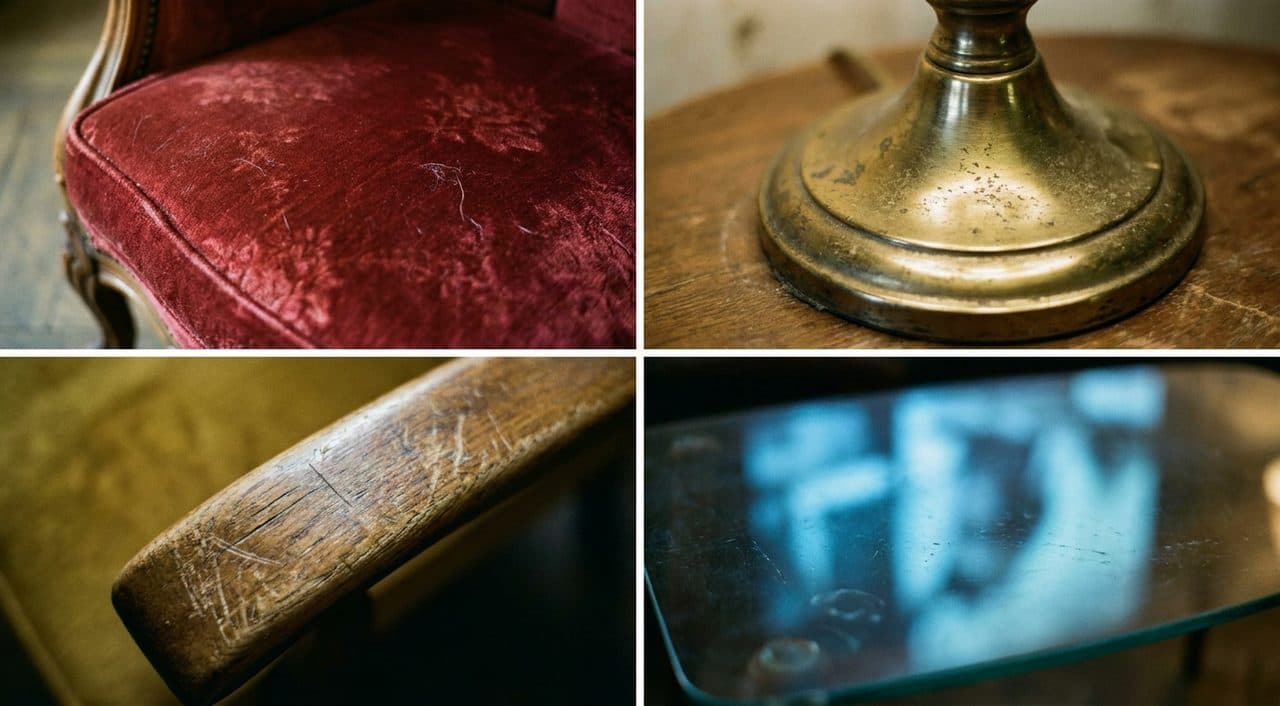
Up a narrow staircase that feels more residential than commercial, you'll find a sprawling room with windows that haven't been updated since the neighborhood was manufacturing territory. The glass is wavy, the kind that distorts everything outside into soft shapes. Pigeons roost on the exterior sills, and they don't scatter when the crowd gets loud—they've heard it all before. The screen is projected onto a white brick wall that wasn't meant to be white; someone painted over old advertisements decades ago, and if you look close during timeouts, you can still see ghosted letters spelling out a soap company's name. The furniture is all salvaged—church pews, actually, which makes cheering feel vaguely sacrilegious. The light changes dramatically depending on time of day. Late afternoon games get this golden wash that makes everyone look like they're in a period film. You can hear the building settling, wood beams creaking during quiet moments. They serve drinks in mason jars, not as affectation but because that's genuinely what they have.
A Tiled Room That Used to Sell Meat
The white subway tiles go floor to ceiling, and the cold is real even when the space is packed. This was a butcher shop until sometime in the nineties, and the industrial refrigeration left its mark—the temperature drops five degrees the moment you walk in. The hooks are still mounted in the ceiling, now holding plants that don't quite thrive. The screen sits where the cutting station used to be, and there's something unsettling about watching basketball in a room designed for cleavers. The sound bounces hard off all that tile, every sneaker squeak amplified, every buzzer sharp enough to make you flinch. You stand mostly, because the seating is limited to a few metal stools along the perimeter. The crowd here skews older, people who remember when this block was different. During breaks, conversations drift to neighborhood history, arguments about what used to be where. The floor slopes slightly toward a central drain that's still visible under the current finish. You'll smell bleach faintly, always, no matter the season.
The Theater That Forgot to Stop Being a Theater
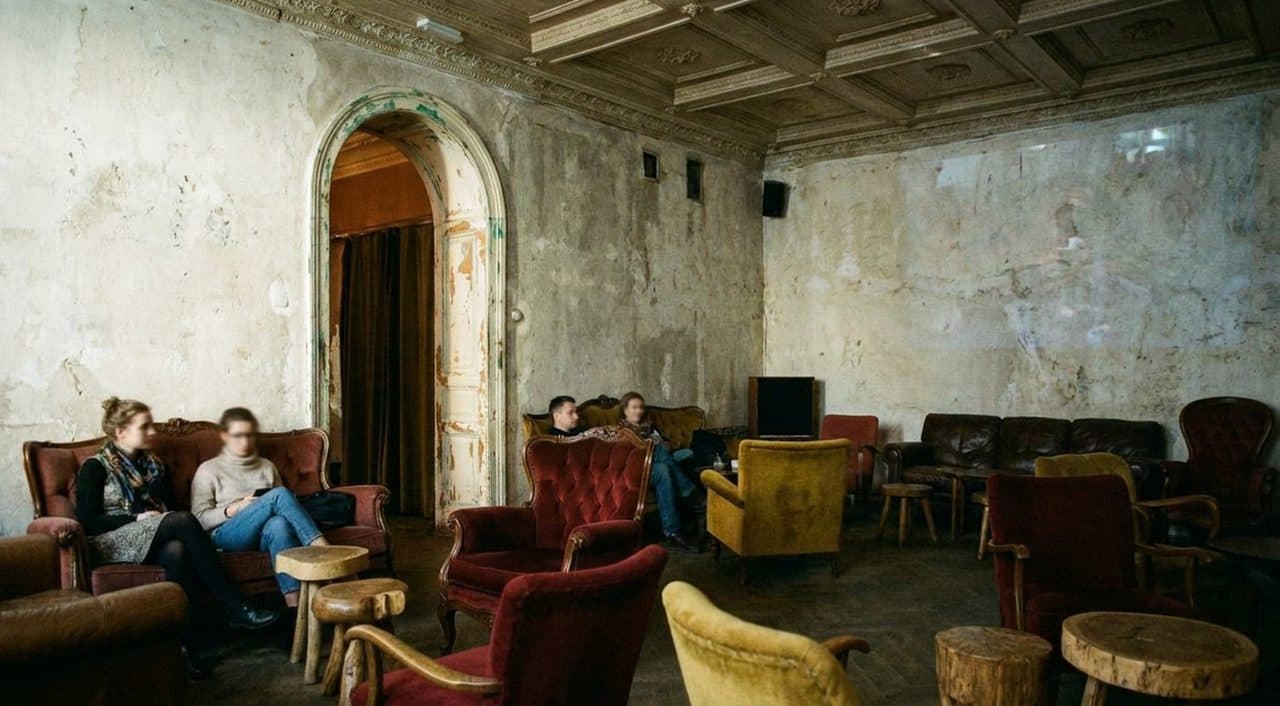
The proscenium arch remains, gilt paint flaking, and the screen hangs where vaudeville acts once performed. The seats are original—velvet that's gone bald in patches, springs that complain when you shift weight. The balcony is closed for safety reasons, but you can see it looming in the dark, and sometimes shadows move up there in ways that make you wonder. The acoustics were designed for unamplified voices, which means the game audio has this strange clarity, every dribble distinct, every coach's shout intelligible. The ceiling is painted with clouds and cherubs, absurdly ornate for watching free throws. Between quarters, the house lights come up slightly, and you notice details—old ticket stubs wedged in seat cracks, a faded fire curtain rolled above the screen, the ghost of a chandelier mount. The crowd here treats it like theater, respectful silences during crucial plays, coordinated reactions that feel rehearsed. You half expect someone to take a bow when the game ends.
A Glass Box That Shouldn't Exist
The room is mostly windows, a greenhouse structure that was added to a rooftop sometime in the seventies and never properly integrated. In winter, it's freezing. In summer, unbearable. But for the narrow seasons in between, it's strange magic. You're surrounded by sky and neighboring buildings, watching the game while also watching office workers in distant windows watching their own screens. The furniture is minimal, metal and glass, everything see-through, which creates this layered effect where the game, the city, and the crowd all occupy the same visual plane. Reflections complicate everything—you'll track a player's movement and realize you're watching glass, not screen. The light shifts constantly as clouds pass. During evening games, the sunset competes directly with the television, and you have to choose what to watch. The floor is grated in sections, and you can see down to the roof below, which adds vertigo to tension. Regulars bring blankets regardless of forecast.
An Ex-Barbershop Still Smelling of Tonic
The barber chairs remain, bolted to the floor, and that's where you sit to watch—swiveling red leather thrones that face a screen mounted where the mirror wall used to be. The cabinets still hold combs in blue liquid, and the air carries that specific barbershop smell, antiseptic and vaguely minty, mixed now with whatever they're serving from the makeshift bar in back. The tile is black and white checkerboard, classic, and your feet make particular sounds crossing it. The crowd here is small by necessity—maybe twenty people max—and everyone ends up talking to everyone. The intimacy is accidental but total. You hear every reaction, every groan, every analysis shouted over shoulders. The ceiling is pressed tin, painted over so many times it's lost its pattern definition, and it catches the screen's light in weird ways. There's a pole in the middle of the room that blocks sightlines from certain chairs, and those seats go last. The front window still says "Shave & Cut" in reverse gold leaf, visible from inside, a reminder of what this was.
Practical Notes
Most of these spots don't take reservations and operate on a first-come basis, so arrive well before tipoff if you want your pick of the strange seating. The basement and the ex-theater are accessible via the Broadway corridor, while the loft and glass box require knowing which unmarked doors to try near Astor Place. The tiled room and barbershop are closer to the Lafayette edge of the neighborhood. None of these are traditional bars, so expect limited menus—usually a few local beers, simple spirits, maybe some snacks. Cash is useful though not always required. Transit-wise, you're well-served by the Bleecker Street station or the Broadway-Lafayette stop, both a short walk from any of these locations. Games typically draw mixed crowds—some serious fans, some architecture tourists, some locals who just like the rooms. The vibe shifts depending on how the game goes, but the spaces themselves remain the main attraction.
Tags: #NoHoNYC #WhereToWatchTheGame #SpursVsKnicks #OddArchitecture #HiddenNYC #NYCBasketball #UnusualVenues #TheOddEdit #NoHoSpaces #NYCNightlife #AlternativeSportsBar #ArchitectureLovers #SecretNYC #KarposFinds #NYCInsider
Sources consulted: atlasobscura.com · timeout.com · nytimes.com
Please drink responsibly. Must be of legal drinking age.
All trademarks are the property of their respective owners.