 Haaland Has Seven Goals and Norway Runs Entirely Through Him
⚽️2026 FIFA WORLD CUP
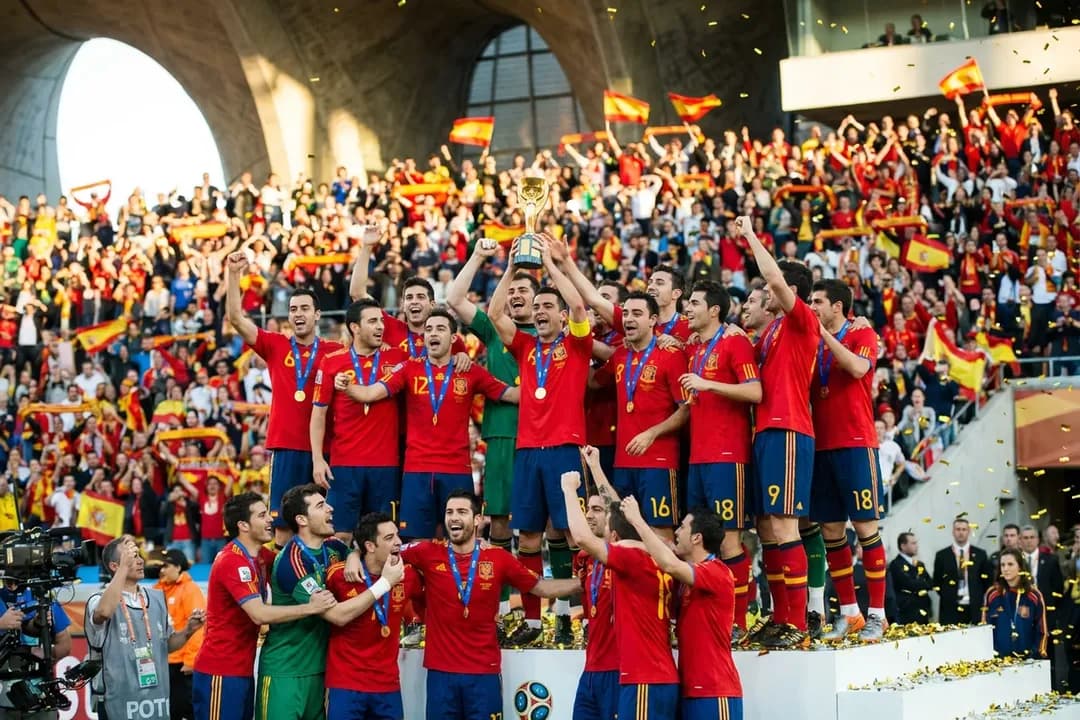
Spain Trophy Ceremony Followed Extra-Time Victory Over Argentina
Spain’s trophy ceremony closed a final decided by a 1-0 extra-time victory over Argentina. The defining presentation image was simple and verified: Spain raising the trophy beneath gold confetti.
Spain’s championship presentation in East Rutherford was defined by one confirmed scene: the trophy lift after a 1-0 extra-time win over Argentina, framed by gold confetti. For viewers catching up after the final, the ceremony is best understood visually rather than through rumor, reaction clips, or unverified sideline details. The verified record supports a focused recap of what could be seen at the presentation: Spain as champion, the trophy raised, and the confetti marking the formal close of the night in the New York City area.
Text Karpo now for a personalized final-recap plan: the clean visual storyline, where to rewatch the trophy moment, and a city-ready celebration, food, or viewing plan built around Spain’s title night.
The Verified Trophy-Lift Image
The central image from the ceremony was Spain lifting the trophy after beating Argentina 1-0 in extra time. That is the safest starting point for any recap because it anchors the presentation to the confirmed outcome, not to speculation around what may have happened before or after the broadcast moment. The trophy lift served as the visual conclusion to the final, turning the match result into the championship image that fans will remember from East Rutherford.
Gold confetti accompanied the presentation, giving the ceremony its clearest visual signature. In championship broadcasts, confetti often becomes the background texture of the winning moment, but the verified fact here is specific: gold confetti was part of Spain’s trophy celebration. That detail matters because it allows the scene to be described accurately without adding unconfirmed elements such as private celebrations, speech content, medal sequencing, or people whose participation has not been verified.
Why Extra Time Shapes the Ceremony
The final’s 1-0 scoreline after extra time gave the presentation a particular emotional shape, even without relying on invented scenes or quotes. A trophy ceremony following extra time carries the weight of a match that extended beyond regulation and reached its decisive result late in the contest structure. The visual guide should therefore connect the ceremony directly to that verified result: Spain became champion only after the final required additional time to settle.
That context helps explain why the trophy lift stood as more than a routine stage moment. It was the public confirmation of a final that had remained unresolved through normal time and was ultimately decided by the single verified scoreline. For readers who missed the match, the ceremony should not be retold through imagined player reactions or locker-room scenes. The reliable framing is simpler: extra time produced Spain’s 1-0 win, and the presentation formalized the title.
What the Gold Confetti Communicated
Gold confetti was the ceremony’s most visible atmospheric marker, and it worked as a visual shorthand for the championship handover. Without needing to describe music, speeches, lighting cues, or unverified performers, the confirmed confetti detail gives the presentation a clear identity. It signaled the transition from competitive play to title celebration, filling the frame around the trophy moment and reinforcing Spain’s position as the winning side after the final result.
For a visual recap, gold confetti also separates the verified ceremony image from the noise that often surrounds major finals online. Clips and photos may circulate with captions that overstate what happened or identify people incorrectly. The careful approach is to stay with what is known: the presentation included Spain lifting the trophy and gold confetti around that moment. Those elements are enough to describe the ceremony accurately, vividly, and safely for fans catching up.
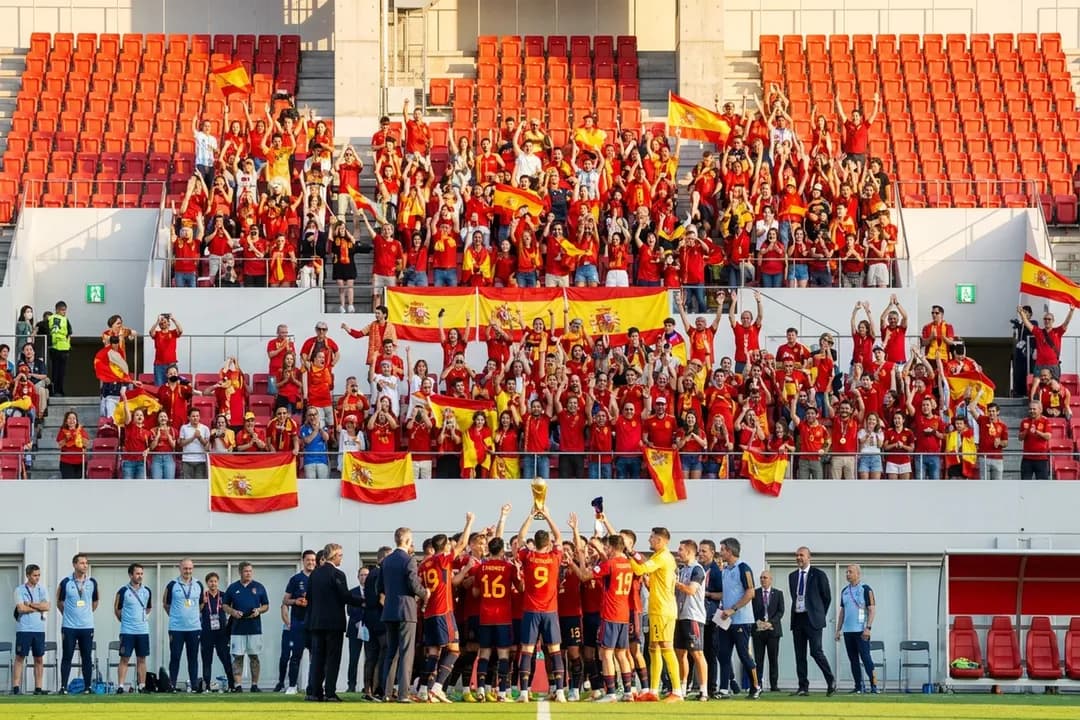
Reading the Scene Without Guesswork
A responsible ceremony guide avoids filling gaps with invented details. The verified facts do not establish a medal order, the wording of any speeches, private post-match celebrations, or a complete list of ceremony participants. That limitation is not a weakness; it is what keeps the recap publication-ready. The audience can still understand the important visual sequence without being told unsupported claims about who stood where, what was said, or what happened away from the public presentation.
The best reading of the scene is therefore disciplined: Spain had won, Argentina had been beaten 1-0 after extra time, the trophy was lifted, and gold confetti marked the championship presentation. Everything beyond that should be treated cautiously unless it comes from confirmed public reporting or official event material. This approach preserves the drama of the ceremony while protecting readers from the speculation that often attaches itself to global title matches.
East Rutherford as the Presentation Backdrop
The ceremony took place in East Rutherford, part of the New York City area setting for the final. That location gives the trophy images a distinct North American backdrop without requiring extra claims about crowds, travel, schedules, or city activity. For viewers around the world, the presentation connected Spain’s title moment to a final staged just outside New York City, making the trophy lift part of the broader geography of the tournament’s closing night.
Location matters in a visual guide because it helps fans place the image in memory. East Rutherford was not merely a label beside the score; it was the setting where the final result became a public championship scene. Still, the recap should not invent local celebrations, transit conditions, venue operations, or post-match gatherings. The verified story remains focused on the presentation itself: Spain, the trophy, gold confetti, and the confirmed extra-time victory over Argentina.
How to Rewatch the Moment Clearly
Fans looking back at the ceremony should start with the official match context and confirmed final reporting rather than fragmented social posts. The essential viewing checklist is concise: confirm the 1-0 extra-time result, identify Spain as the trophy-lifting team, and note the gold confetti accompanying the presentation. That method turns the rewatch into a clean visual recap instead of a search for details that may not be verified or may be taken out of context.
The trophy ceremony’s lasting value is its clarity. After a final decided by a single extra-time goal margin, Spain’s lift gave the night its closing image, and the gold confetti gave that image its championship frame. A careful recap does not need invented dialogue, private access, or backstage details to feel complete. It needs the verified outcome and the presentation visuals that followed it, because those are the elements fans can safely share and remember.
Tags: #WorldCup2026
Sources consulted: Associated Press final report · FIFA final hub
All trademarks are the property of their respective owners.
Ask Karpo First
Ask Karpo for a personalized Spain final recap, rewatch guide, celebration route, or food plan tied to the trophy moment.
Ask Karpo for more information.
Keep reading
- Haaland Has Seven Goals and Norway Runs Entirely Through Him
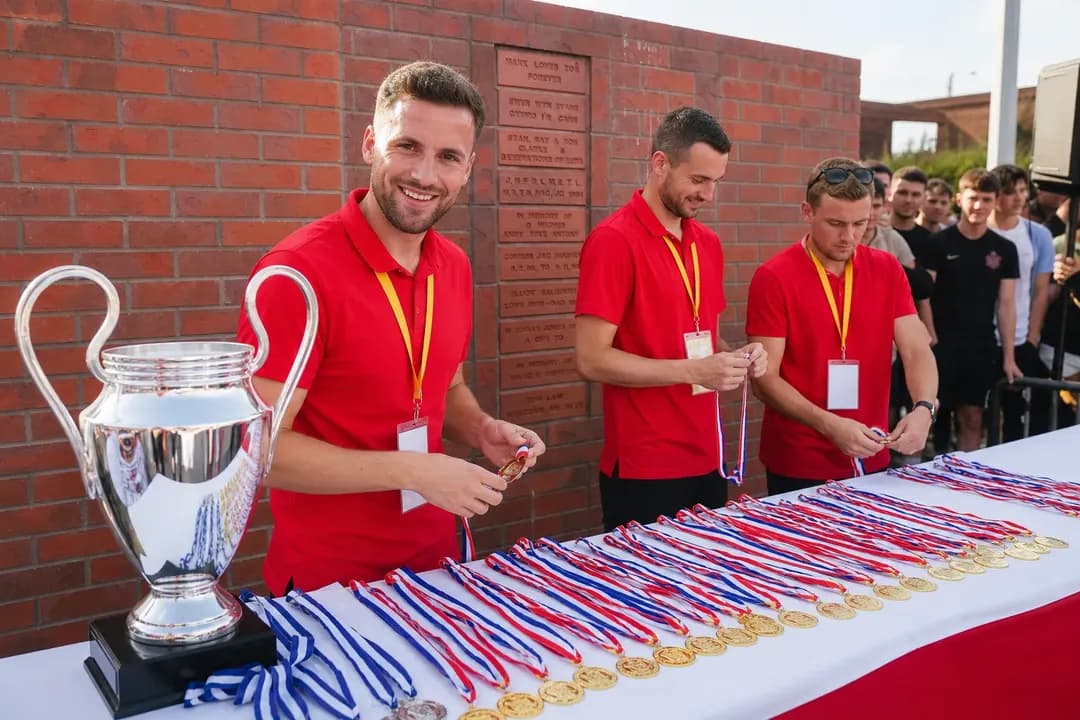 World Cup Trophy Ceremony Timing Medals and Postmatch Celebrations
 Olise and France's Attack: The Semifinal Tactical Question