 Haaland Has Seven Goals and Norway Runs Entirely Through Him
⚽️2026 FIFA WORLD CUP
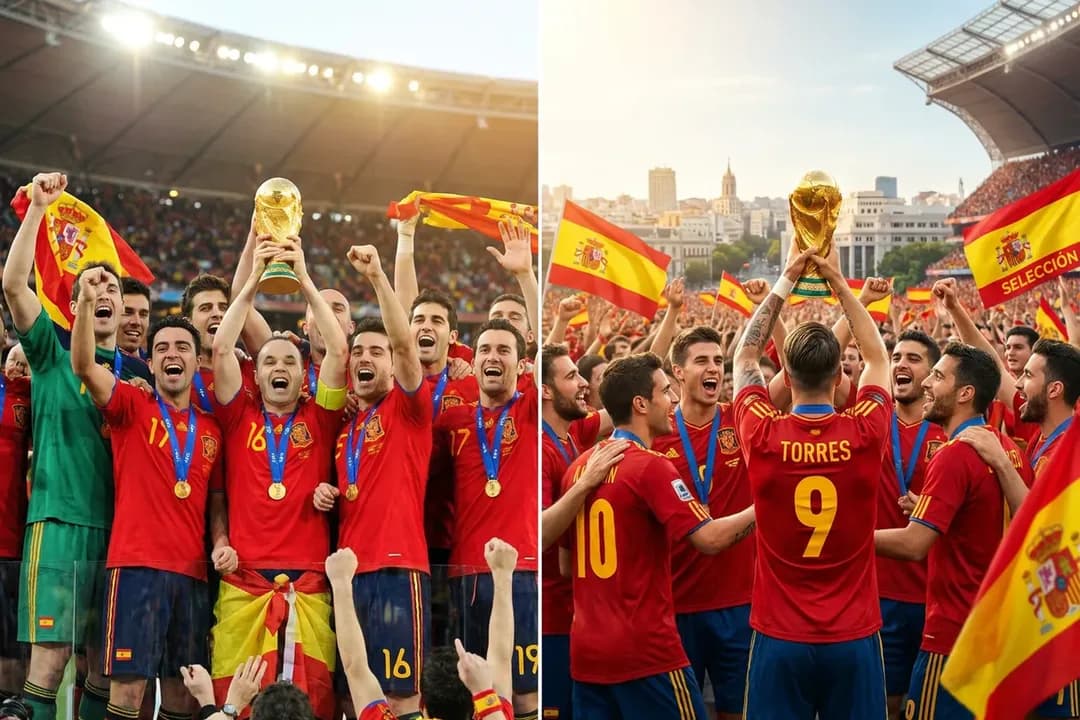
Spain’s Second Crown Connects Iniesta 2010 and Torres 2026
Spain’s second men’s World Cup title did not arrive as a repeat, but as an echo. From Andres Iniesta in 2010 to Ferran Torres in 2026, two extra-time winners now define a national story.
East Rutherford became the place where Spain’s men’s World Cup history doubled, and where one old memory gained a new companion. The 2026 final ended 1-0 after extra time, giving Spain its second men’s title after the breakthrough of 2010. Ferran Torres scored the winner in the 106th minute, placing his name beside Andres Iniesta, whose extra-time goal decided the 2010 world cup final against the Netherlands. The symmetry is obvious, but the meaning is deeper than matching scorelines. Spain now has two crowns connected by patience, pressure, and one late moment that changed how a generation will remember its team.
Updated August 2026: World Cup schedules, stadium policies, player statistics, broadcast details, and post-match records can change quickly. Check the linked FIFA, stadium, broadcaster, or tournament sources in the Sources section before using this guide for travel, tickets, viewing plans, or factual citation.
Text Karpo if you want a personalized Spain final recap, a celebration plan in New York City, a post-match food route, or a custom comparison between the 2010 world cup final and the 2026 triumph.
Two 1-0 Finals, One Spanish Through-Line
Spain’s two men’s World Cup championships are separated by sixteen years, but they now sit unusually close in memory. Both were decided 1-0 after extra time, and both required one player to turn a locked final into a national monument. In 2010, Iniesta supplied the decisive goal against the Netherlands. In 2026, Torres delivered in the 106th minute. The facts do not need embellishment. Their power comes from how neatly they connect two different Spanish eras through the same narrow doorway.
That connection should not flatten the championships into copies of one another. A final is never only a score, and a title is never only the last touch. The first crown carried the feeling of arrival, ending Spain’s long wait for a men’s World Cup. The second carries the feeling of confirmation, showing that 2010 was not an isolated summit. Together, they create a fuller identity: Spain as a country capable of winning the longest, tensest version of football’s biggest match.
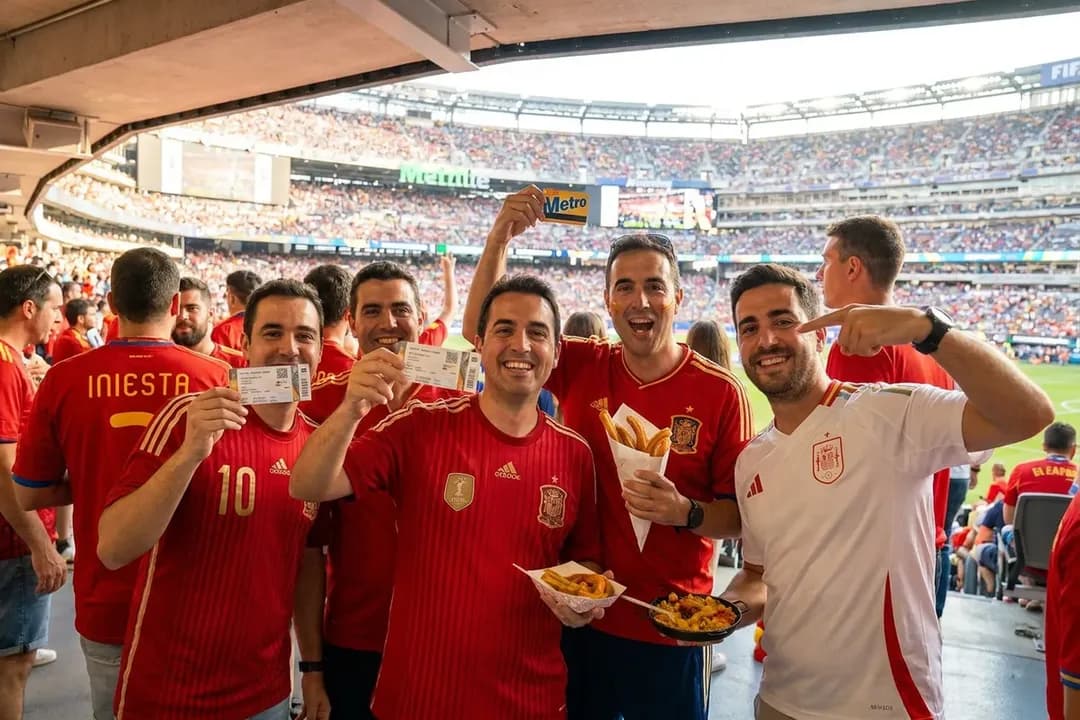
Why Iniesta’s 2010 Moment Still Frames 2026
The 2010 world cup final remains the reference point because it gave Spain its first men’s title and because Iniesta’s goal became shorthand for that breakthrough. Before 2026, any discussion of Spain at the World Cup eventually returned there, to the 1-0 extra-time win over the Netherlands. It was not simply remembered as a result. It became a cultural marker, the moment when Spanish excellence at the highest level finally found its World Cup ending.
Torres does not replace Iniesta in that memory. He extends it. His 106th-minute winner in 2026 adds a second chapter to a story that had long been dominated by one iconic finish. The comparison is unavoidable, but it is not a contest between goals. Iniesta’s strike opened the book; Torres’ strike proves the book did not close. Spain can now speak about World Cup glory in the plural, and that changes the emotional architecture of everything that came before.
The Second Crown Feels Different From the First
A first championship is remembered for relief as much as celebration. It removes a question that can haunt even talented football nations: can this team, this country, actually win the World Cup? Spain answered that in 2010. The second title asks another question entirely. Can the memory of one golden night become part of a wider tradition? With the 2026 final won after extra time, Spain now has an answer that reaches beyond nostalgia.
That is why the 2026 crown lands with a different weight. It does not have to carry the burden of being first, but it does have to live beside a near-sacred predecessor. Torres’ goal gives Spain a new image without erasing the old one. Supporters who grew up with Iniesta now have a fresh moment to hand forward. Those discovering Spain’s World Cup story through 2026 can trace a direct line back to 2010.
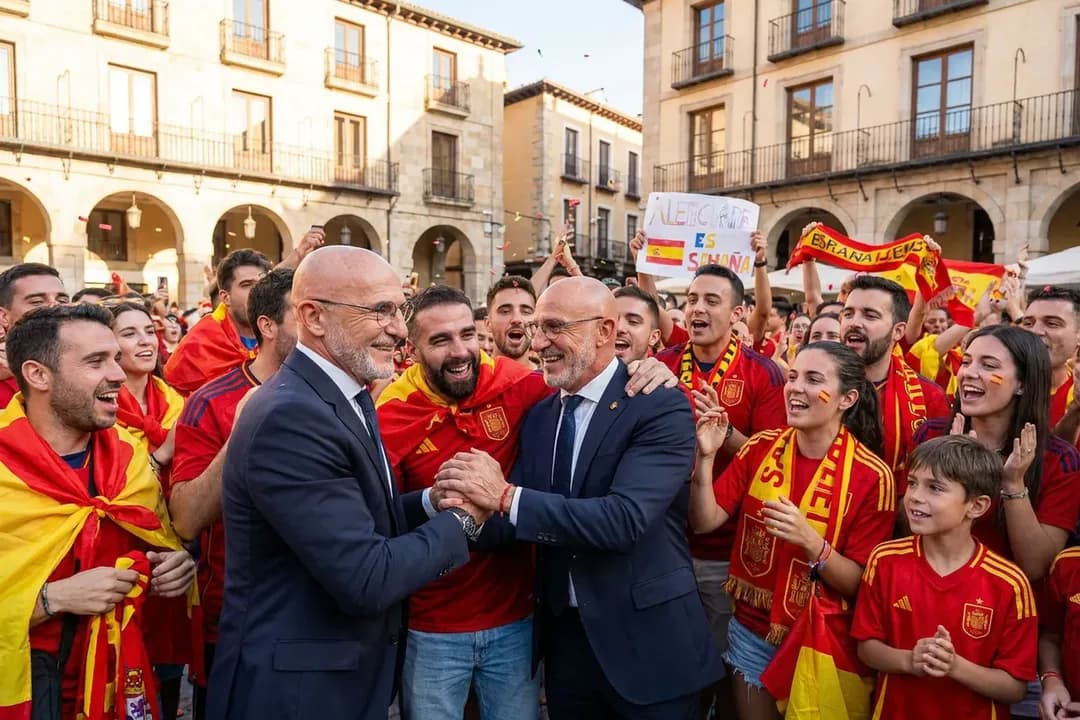
East Rutherford Adds a New Address to Spanish Memory
The location matters because World Cup history is also mapped through places. For Spain, East Rutherford now joins the geography of triumph as the site of the country’s second men’s world title. The final belonged to the New York City area, but its emotional reach stretched far beyond North America. A 1-0 extra-time win is the kind of result that compresses hours of tension into one remembered minute, and for 2026 that minute is the 106th.
That setting gives the title a distinct frame from 2010. Spain’s first crown is tied forever to the final against the Netherlands; the second is tied to a North American World Cup and a decisive Torres finish. The contrast helps keep the two championships from blending into a generic list of winners. One is the origin story. The other is the return with proof. Spain’s World Cup map now has two landmarks, each defined by restraint, endurance, and release.
Not a Winners List, But a Pattern of Nerve
The temptation after any final is to sort nations by titles and move on. Spain’s second men’s World Cup championship deserves better than a line on a roll call. The striking pattern is not just that Spain has two titles, but that both were claimed by the same final score after extra time. That does not reveal tactics, statistics, or hidden explanations. It reveals a public truth about how both memories will be filed: tense, late, and decisive.
There is also a lesson in how history simplifies without becoming false. Fans will remember Iniesta and Torres because finals often choose one name to carry the emotion of an entire tournament. Yet those names work differently now. Iniesta once stood alone as the symbol of Spain’s World Cup summit. Torres stands beside him as evidence of recurrence. The pattern is not dominance reduced to numbers; it is nerve expressed at the exact point when a final had almost run out of road.
What Spain’s Two Titles Now Mean
With the 2026 title, Spain moves from singular legend to paired legacy. The country’s men’s World Cup story can now be told through two extra-time winners, two 1-0 finals, and two moments when a locked match finally opened. That gives the national team a rare kind of symmetry. It also changes the way 2010 is remembered. The first title no longer sits alone as a beautiful exception. It becomes the beginning of a longer championship identity.
For supporters, the comparison will remain irresistible because it is simple enough to feel poetic and specific enough to feel earned. Iniesta in 2010 and Torres in 2026 are not just names attached to goals; they are anchors for how Spain understands its greatest men’s World Cup nights. One crowned the breakthrough. The other confirmed the return. Between them, Spain’s second crown connects eras without pretending they are identical, and that is what makes the story last.
Tags: #WorldCup2026
All trademarks are the property of their respective owners.
Ask Karpo First
Ask Karpo for your personalized Spain 2026 final recap, a 2010-versus-2026 comparison, or a celebration plan built around your city, time, group size, and food preferences.
Ask Karpo for more information.
Keep reading
- Haaland Has Seven Goals and Norway Runs Entirely Through Him
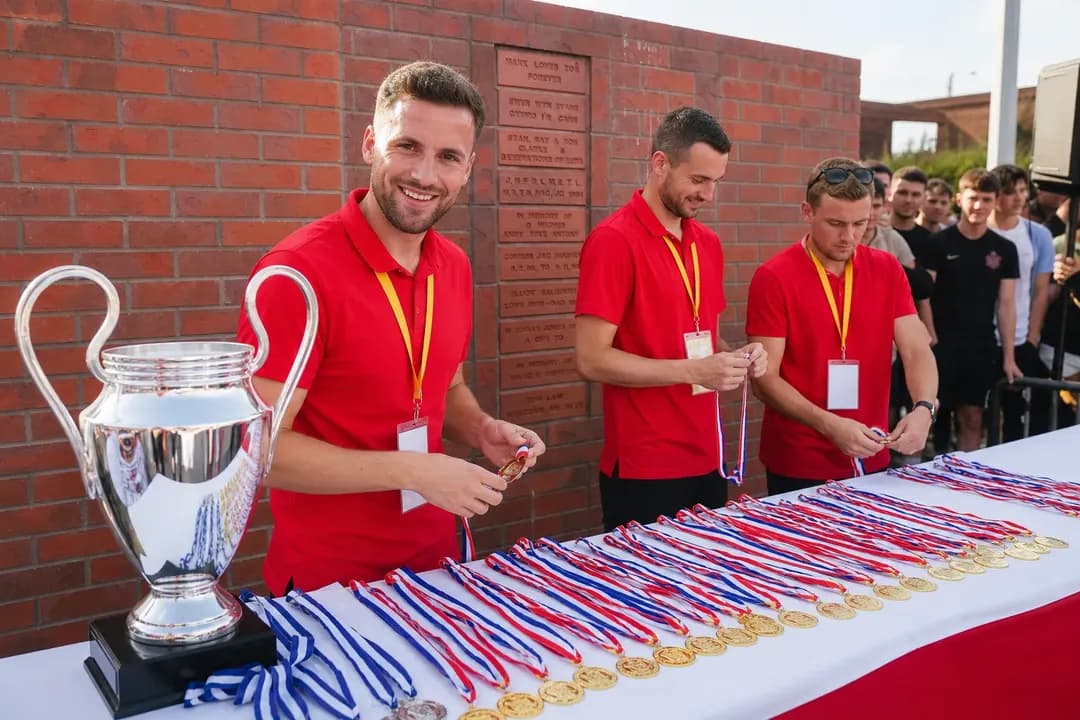 World Cup Trophy Ceremony Timing Medals and Postmatch Celebrations
 Olise and France's Attack: The Semifinal Tactical Question