 Haaland Has Seven Goals and Norway Runs Entirely Through Him
⚽️2026 FIFA WORLD CUP
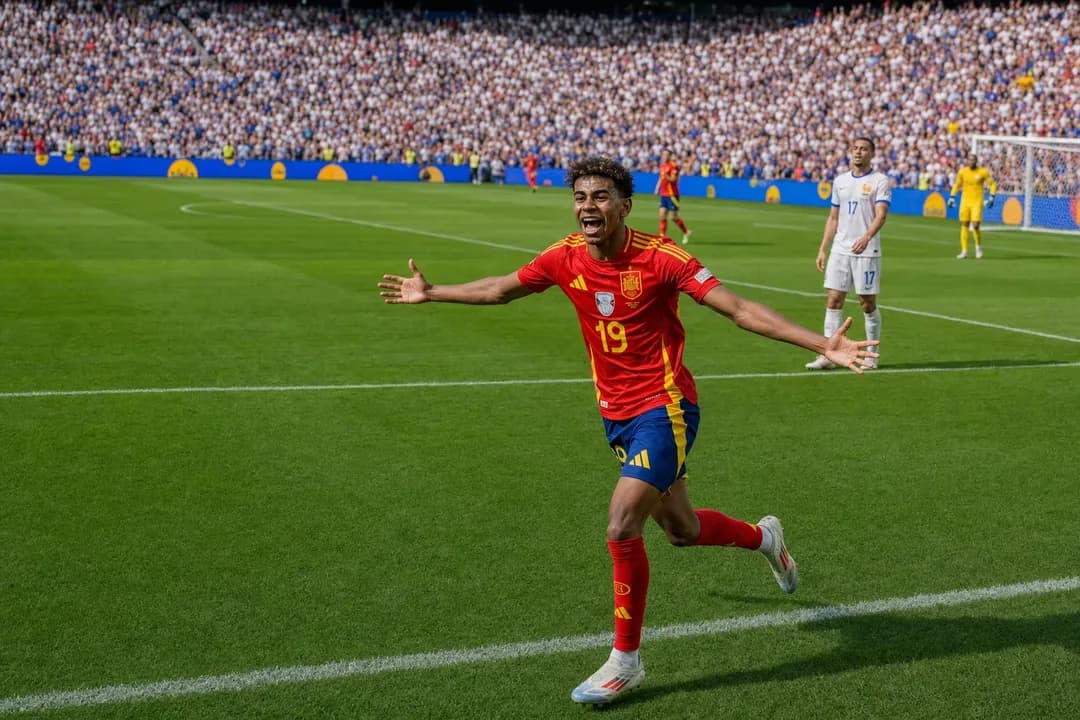
Spain France Semifinal Goals Timeline and Tactical Turning Points
Spain’s 2-0 semifinal victory over France turned on two clearly separated scoring moments and a defensive structure that protected the lead. The match timeline explains how Mikel Oyarzabal’s penalty and Pedro Porro’s second-half finish changed the tactical demands on both teams.
Spain beat France 2-0 in the first 2026 World Cup semifinal, with Mikel Oyarzabal converting a penalty in the 22nd minute and Pedro Porro adding the second goal in the 58th. Those two moments divided the match into three distinct tactical periods: an opening phase in which both teams could follow their preferred plans, a long stretch with France chasing an equalizer, and a final half hour in which Spain could protect a two-goal advantage. For anyone searching Spain France highlights, the useful story is not only who scored, but how the score repeatedly changed the choices available to each side.
Want a match recap shaped around what you actually care about? Text Karpo whether you follow Spain, France, tactics, player performances, or the final-weekend trip. Karpo can turn the result into a concise personal briefing and help map the next match around your city and schedule.
The opening phase before the penalty
Before the first goal, the semifinal remained tactically open because neither team had to abandon its starting structure. Spain could circulate possession, move France laterally, and choose when to accelerate without carrying the immediate risk of protecting a lead. France could stay patient, keep dangerous attackers available for transitions, and wait for a turnover that opened space. In knockout football, this scoreless phase often reveals the most balanced version of a matchup because both teams still have access to the full range of planned options.
The first twenty minutes therefore matter even when they do not produce a goal. They establish which team is comfortable receiving under pressure, where the first defensive line begins, and whether wide defenders can advance without exposing the space behind them. A responsible tactical review should use verified match footage and official event data for those details rather than treating possession as a substitute for control. What can be said with certainty is that the game’s strategic balance changed in the 22nd minute, when Oyarzabal scored from the penalty spot.
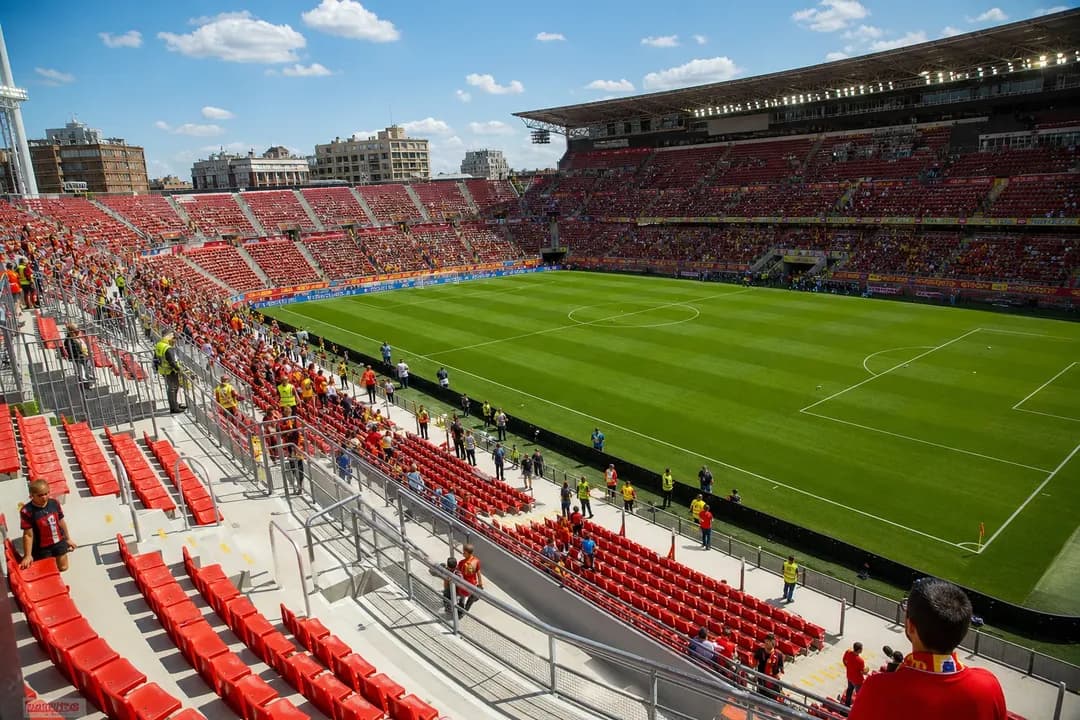
Oyarzabal’s 22nd-minute penalty changed the problem
The penalty gave Spain a 1-0 lead and transferred the burden of urgency to France. From that point, France needed to create without becoming careless, while Spain could decide more selectively when to press, when to slow possession, and when to attack the space left by a more ambitious opponent. The goal did not guarantee Spanish control, but it changed the value of every subsequent decision. A safe sideways pass now helped Spain shorten the match; the same pass could feel insufficient for France because the clock favored the team already ahead.
Oyarzabal’s conversion also influenced the emotional rhythm. Penalties in knockout matches create a sharp pause followed by an immediate restart in which the trailing side can either respond with clarity or force the game too quickly. France still had ample time, so the best response was not necessarily a frantic one. Spain’s task was to avoid treating the lead as permission to retreat completely. The next phase became a test of whether Spain could continue offering a threat while denying France the kind of broken-field match that benefits fast, direct attackers.
Why the interval did not reset the score pressure
Halftime gives coaches an opportunity to adjust spacing, pressing references, and the positioning of supporting players, but it does not erase the scoreboard. France entered the second half still needing a goal, and every minute without one increased the temptation to commit additional numbers forward. Spain could anticipate that shift. The leading team’s challenge was to remain active enough to discourage constant pressure while keeping the distances between midfield and defense compact.
This is where match analysis should distinguish between defending deep by choice and being pushed deep without control. The two can look similar in a still image, yet they produce very different levels of danger. A compact block can close central routes and guide attacks toward less threatening areas. A disorganized retreat can leave second balls, cutbacks, and isolated defenders. Spain’s tournament record provides important context: the AP reported that the semifinal was the team’s sixth shutout in seven matches, evidence that preventing goals has been a repeatable strength rather than a one-night accident.
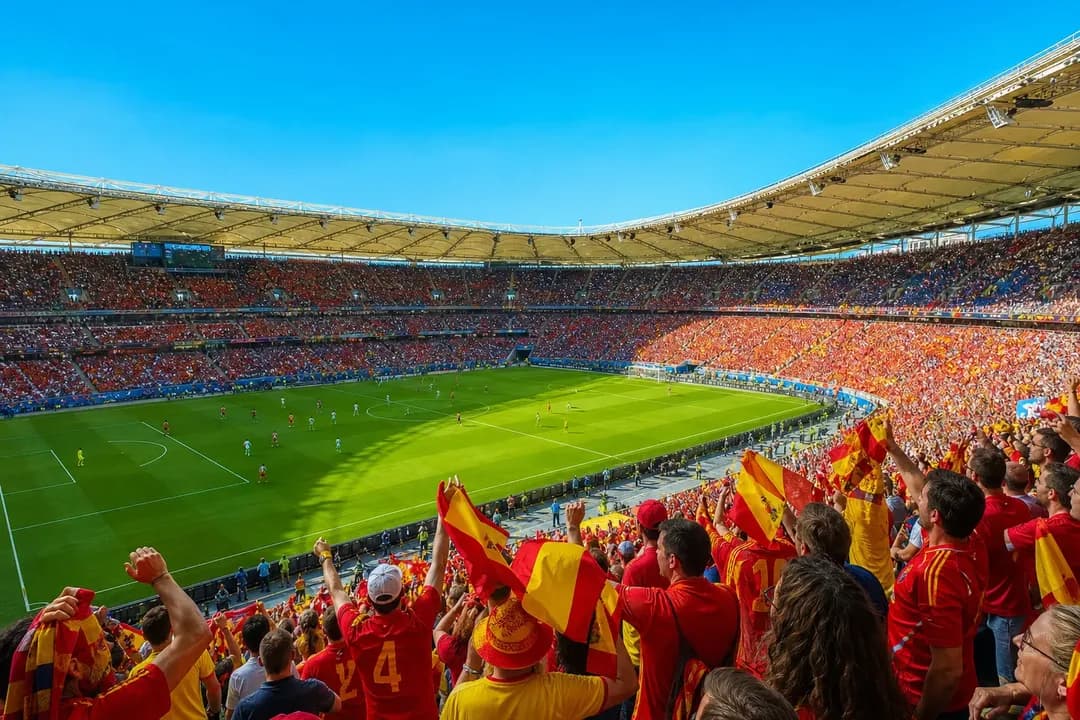
Pedro Porro’s 58th-minute goal widened every gap
Pedro Porro’s goal in the 58th minute made it 2-0 and created the decisive second turning point. France no longer needed one breakthrough but two simply to reach extra time. That requirement affects risk management across the pitch. Fullbacks advance earlier, midfielders hold more aggressive positions, and attackers may stay higher to preserve numbers near goal. Each adjustment can increase attacking presence, but together they also create more space for the leading team to counter or keep the ball away from pressure.
For Spain, the second goal changed the objective from protecting a narrow advantage to controlling the remaining game without inviting unnecessary chaos. The best possession no longer needed to end with a shot; it could move France, draw pressure, win territory, or simply remove another minute. Substitutions could be judged through the same lens: fresh legs for defensive coverage, ball security, and counterattacking outlets all become valuable. Exact substitution effects should be tied to verified event data, but the strategic direction after 2-0 was clear.
How Spain contained France’s comeback route
France’s attacking quality meant the semifinal could not be considered finished merely because Spain held a two-goal lead. The danger came from allowing the contest to become stretched, with repeated transitions and defenders forced into isolated races. Spain’s route to the final depended on reducing those situations. Compact distances, early pressure on the next pass, and sensible possession after recoveries can be more important than chasing a third goal when the opponent needs the game to become open.
The clean sheet is therefore the strongest final piece of the result. France entered with elite attacking talent, including Kylian Mbappé, yet Spain completed the match without conceding. That does not mean every French attack was harmless or that one defender deserves all the credit. Clean sheets at this level are collective outcomes involving the goalkeeper, back line, midfield protection, pressing decisions, and the forwards’ willingness to slow buildup. The semifinal added another example to Spain’s broader defensive consistency during the tournament.
What the timeline means for the final
Spain now wait for the winner of England versus Argentina and will play the final on July 19 at New York New Jersey Stadium. The semifinal offers the next opponent a clear warning: falling behind Spain can change the match into exactly the kind of controlled contest Spain prefer. The final opponent will need a plan for pressing without opening central space, recovering after attacks, and staying patient if Spain circulate the ball for long periods.
Spain’s own lesson is equally practical. A final brings a different opponent, travel sequence, atmosphere, and set of tactical problems. The 2-0 win confirms that Spain can score at separate points in a knockout match and protect the advantage, but it does not make the final automatic. Team news, recovery, and the second semifinal result will shape the next plan. Fans should treat the goal timeline as a guide to Spain’s semifinal management, then refresh the analysis once the championship matchup is officially complete.
Tags: #WorldCup2026 #SpainFrance #TacticalAnalysis #Oyarzabal #PedroPorro
All trademarks are the property of their respective owners.
Ask Karpo First
Text Karpo with the team you support and the way you plan to follow the final. Karpo can send a personalized match brief, viewing plan, stadium route, and postmatch option without making you assemble it from ten different tabs.
Ask Karpo for more information.
Keep reading
- Haaland Has Seven Goals and Norway Runs Entirely Through Him
 World Cup Trophy Ceremony Timing Medals and Postmatch Celebrations
 Olise and France's Attack: The Semifinal Tactical Question