 Haaland Has Seven Goals and Norway Runs Entirely Through Him
⚽️2026 FIFA WORLD CUP
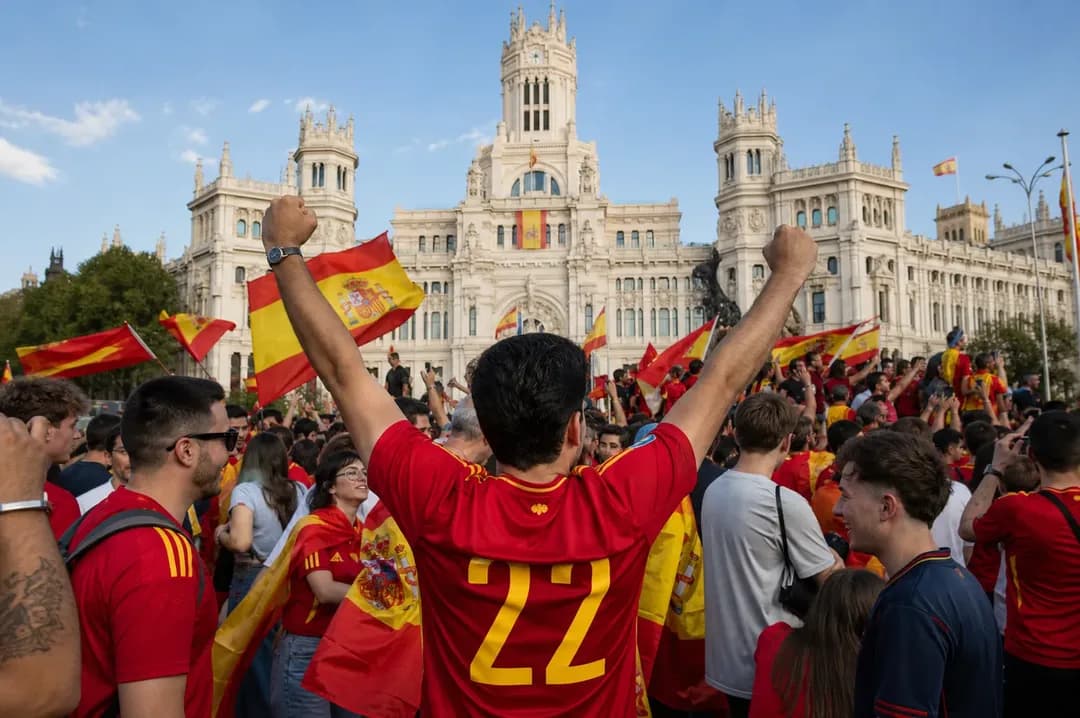
Spain France 2-0 Semifinal Result and Final Qualification Explained
Spain’s 2-0 semifinal win over France secured a place in the 2026 World Cup final and narrowed the tournament to one last opponent. Here is what the confirmed result means, what remains unsettled, and how supporters can prepare for the July 19 championship match.
Spain are through to the 2026 World Cup final after a 2-0 semifinal victory over France in Dallas. The result settles the first half of the championship matchup: Spain will play at New York New Jersey Stadium on July 19, while France move into the bronze match in Miami on July 18. The second finalist will come from England versus Argentina in Atlanta. For readers searching Spain France updates, the most important distinction is now simple: the semifinal score is confirmed, Spain have qualified, and the identity of their final opponent remains the tournament’s next live question.
Want the final weekend without the tab overload? Text Karpo with your city, travel dates, and whether you care most about the stadium, a watch party, or an easy postmatch exit. Karpo can turn the confirmed schedule into a personalized route with realistic arrival buffers, food stops, and backup plans.
What the 2-0 result confirms
The scoreline confirms Spain as the first finalist and France as one of the two teams headed to the bronze match. That sounds straightforward, but knockout coverage becomes confusing when previews, live blogs, and social posts remain indexed after the final whistle. Any useful update should separate the fixed information from the variables still moving. Spain’s qualification, the 2-0 score, the July 19 final date, and the New York New Jersey venue are fixed. Spain’s opponent, final lineups, officiating crew, and match-specific transport notices should still be treated as developing information until the relevant organizers publish them.
The victory also changes how supporters should plan the rest of the week. Spain fans can now commit to the final destination rather than holding flexible reservations across multiple host cities. France fans have a different decision: travel to Miami for the bronze match, stay with an existing New York itinerary and watch remotely, or end the trip after the semifinal. Those are practical choices, not merely bracket details, because the two matches take place in different cities on consecutive days. Confirming the correct match before changing flights or hotels is the first step toward avoiding an expensive itinerary mistake.
Reading the semifinal beyond the scoreline
A 2-0 semifinal naturally invites sweeping conclusions, but the score alone does not explain every phase of the match. A careful recap should look at how each team progressed the ball, where possession turned into useful territory, how quickly defensive shape returned after attacks, and whether substitutions changed the pressure of the game. Those questions produce a more durable explanation than simply declaring one side dominant. They also help readers understand which parts of Spain’s approach may transfer to the final and which choices were specific to facing France.
It is equally important not to fill missing details with assumptions. Player ratings, shot totals, possession figures, card counts, and exact incident timelines should come from a verified match report or official data feed. Social clips are useful for seeing a moment, but they often omit the buildup, the restart, or the tactical context around it. The safest way to follow the semifinal is to use the confirmed 2-0 result as the anchor, then add statistics only when their source and update time are clear. That keeps a fast-moving match article useful after the initial burst of reaction fades.
Spain’s preparation window before July 19
Reaching the final first gives Spain a defined destination and a clear recovery calendar. The staff can move from semifinal preparation into recovery, travel, opponent scouting, and final-specific training without waiting to learn whether the team itself will advance. The value is not simply an extra night of celebration. Medical assessments, workload decisions, video review, and travel logistics all become easier when the next match is certain. Players can be managed around a known deadline rather than a hypothetical one.
Spain still cannot finalize every tactical detail before England and Argentina decide the second semifinal. The two possible opponents present different questions in buildup pressure, transition defense, aerial coverage, and midfield spacing. A sensible preparation plan therefore has two layers: recover the squad and reinforce Spain’s own repeatable strengths first, then narrow the opponent-specific work once the matchup is confirmed. For fans, that means lineup predictions published too early should be read as possibilities rather than announcements. Official team news closer to kickoff remains the reliable checkpoint.
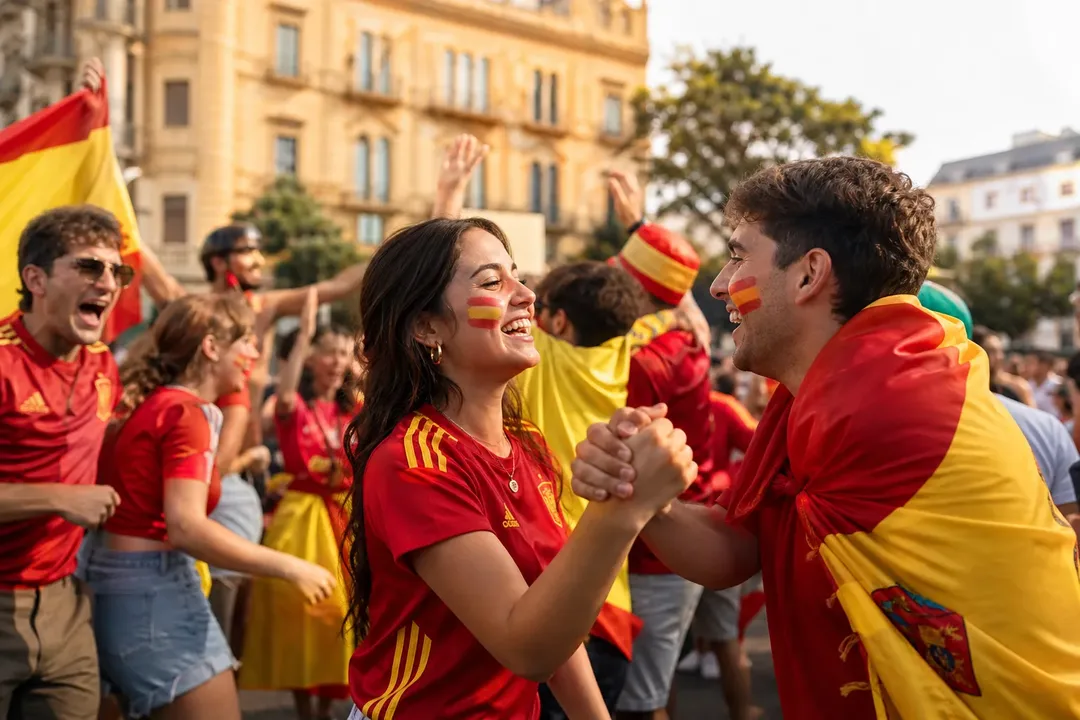
What France’s elimination changes
France’s tournament is not over, but the objective changes immediately. The bronze match offers one final competitive appearance and a chance to finish with a win, yet it also creates selection questions after a physically and emotionally demanding semifinal. Coaches may prioritize the strongest available lineup, reward players who had limited knockout minutes, or balance both approaches. Until the official team sheet appears, none of those choices should be presented as settled.
Supporters face their own reset. Miami replaces New York New Jersey as the in-person destination, and the bronze match arrives one day before the final. Anyone changing plans should verify ticket terms, hotel cancellation windows, airport options, and local match information before acting. A semifinal ticket does not transfer into a bronze-match ticket, and a general tournament itinerary is not a substitute for the event-specific entry instructions. France fans who prefer to watch rather than travel can use the same checklist: confirm the official broadcaster, local kickoff conversion, and venue reservation policy before match day.
The final matchup question still open
Spain will face the winner of England versus Argentina, the second semifinal scheduled in Atlanta. Until that match is complete, articles should avoid writing either possible opponent into the final as a certainty. The cleanest live structure is a two-scenario view: what Spain may need against England, what Spain may need against Argentina, and which shared challenges apply regardless of the opponent. That format stays useful before kickoff and can be updated quickly after the result becomes official.
The second semifinal also determines France’s bronze-match opponent, so one result completes both remaining fixtures. Readers checking the bracket should look for four confirmed items after the final whistle: the semifinal score, the winning finalist, the losing bronze-match participant, and any official schedule confirmation. If a live page has not updated all four, cross-check the tournament schedule rather than relying on a social graphic that may have been prepared before the match ended.
Planning the championship weekend now
The final is scheduled for July 19 at New York New Jersey Stadium, and the surrounding region will operate like a major-event corridor rather than a normal Sunday trip. Fans should plan backward from the stadium entry window, not only from kickoff. Build time for regional rail or road congestion, security screening, mobile ticket loading, and the walk from the transport drop-off to the correct gate. If traveling from Manhattan, Newark, or another New Jersey base, save both a primary route and a backup route before leaving reliable Wi-Fi.
A good final-day plan also includes the hours after the match. Extra time, a penalty shootout, trophy ceremonies, and crowd-control procedures can extend the night well beyond a standard ninety-minute schedule. Avoid booking a tight airport connection or a nonrefundable departure that assumes an immediate exit. Choose one postmatch meeting point for your group, keep a charged phone battery, and decide in advance whether you will wait for the first crowd surge to clear. The final should feel like the high point of the trip, not a sprint between uncertain connections.
Tags: #WorldCup2026 #SpainFrance #WorldCupFinal #Dallas #MetLifeStadium
Sources consulted: FIFA World Cup 26 schedule and results · FIFA World Cup 26 tournament hub
All trademarks are the property of their respective owners.
Ask Karpo First
Text Karpo with where you are staying, who you are traveling with, and how much match-day energy you want. Karpo can shape a final plan around the route, arrival time, food, watch options, and an exit strategy that fits your actual weekend.
Ask Karpo for more information.
Keep reading
- Haaland Has Seven Goals and Norway Runs Entirely Through Him
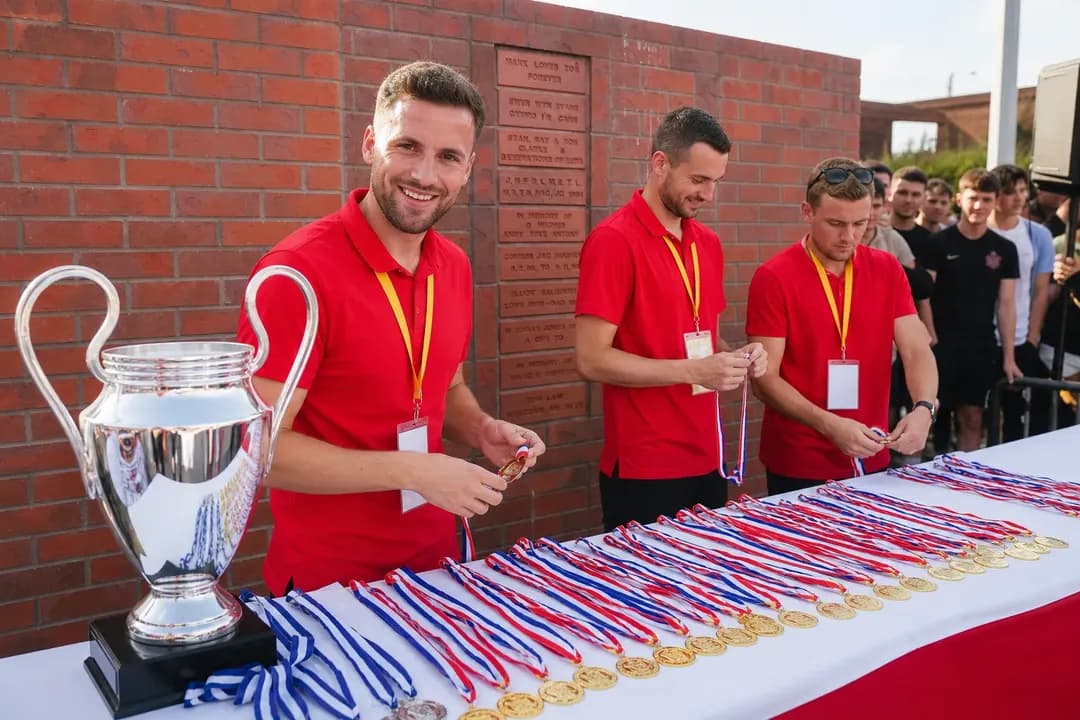 World Cup Trophy Ceremony Timing Medals and Postmatch Celebrations
 Olise and France's Attack: The Semifinal Tactical Question