 Haaland Has Seven Goals and Norway Runs Entirely Through Him
⚽️2026 FIFA WORLD CUP
Spain’s Counterpress Kept Messi Far From the Final’s Goal
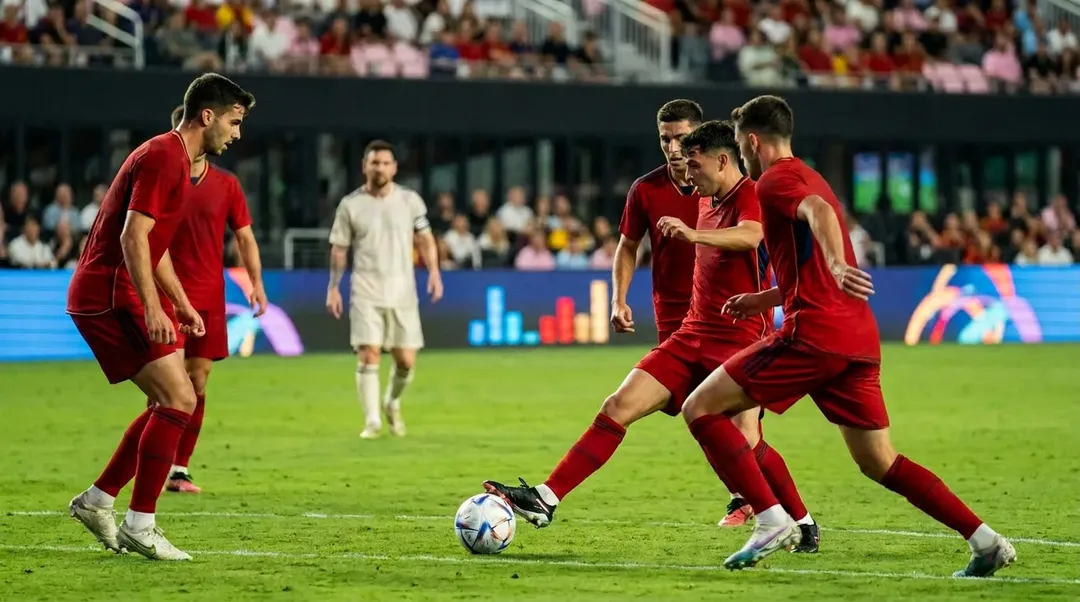
Spain’s compact, immediate pressure after turnovers consistently prevented Argentina from playing Lionel Messi into dangerous advanced pockets. That approach left Argentina without a shot until extra time and helped Spain win 1-0 after extra time in East Rutherford.
In East Rutherford · New York City · North America, Spain defeated Argentina 1-0 after extra time in a match in which Argentina did not record a shot until extra time and Lionel Messi played in his third World Cup final. Those central facts frame an unusual contest: a final in which one of the world’s most creative players was often neutralized not by direct man-marking but by a systematic team response the moment Argentina lost possession.
Text Karpo to receive a concise tactical diagram and a follow-up breakdown that highlights the pressing triggers that kept Messi away from advanced zones, and we'll show where Argentina struggled to create pockets between the lines.
The principle of immediate pressure
Spain’s approach revolved around an immediate attempt to win the ball back or at least delay Argentina’s progression the moment possession changed hands. That principle — often described as counterpressing — is less about chasing a single star and more about constricting the entire opponent’s ability to re-orient. By compressing space and pressuring short passing options, Spain forced Argentina to either clear the ball or seek lower-risk routes that did not involve quick, incisive passes into Messi’s preferred pockets.
From a tactical standpoint, the effectiveness of that strategy was twofold: it reduced the time available for the nearest Argentine player to pick a forward pass, and it limited the angles available for progressive passing into advanced midfield or wide channels. When the ball did find a runner forward, the speed of Spain’s reaction often meant the pass had to be more cautious, leaving Messi with less reliable service and fewer moments to play in feet or on the half-turn.
Trigger points and positional discipline
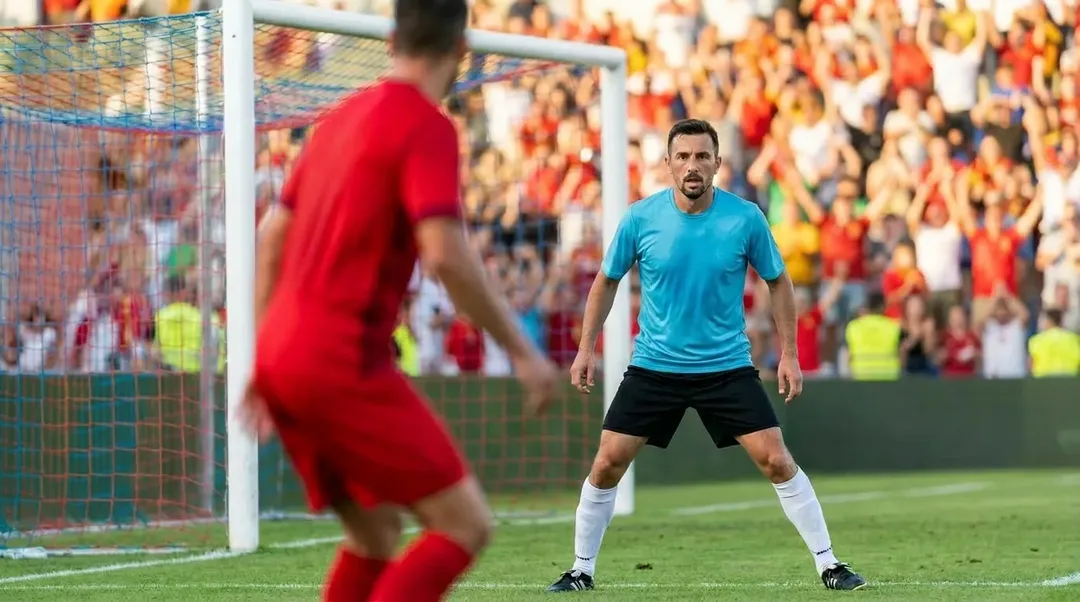
Effective counterpressing depends on clear triggers — specific cues that tell teammates to commit to immediate pressure. In this match, Spain routinely reacted to short, sideways or backward touches, and to attempts to play through the first line. Those moments became cues for nearby players to step up collectively rather than allowing isolated chases. The result was a disciplined front of resistance that turned many Argentine transitions into slow, predictable build-up sequences.
Positional discipline is what allowed the press to function without leaving exploitable gaps. Players rotated responsibilities quickly to cover passing lanes and maintain balance, so when one defender pressed the ball, a teammate slid to cover the vacated space. In practical terms, this meant Messi’s potential receivers were often taken out of the picture or pushed into positions where deep service was riskier, constraining the creative options Argentina typically rely on.
How pressure rewired Argentina’s build-up patterns
Under sustained pressure, Argentina’s usual rhythms of play were interrupted. Where they might normally seek forward-forward combinations or quick switches to create openings for Messi, the team instead had to prioritize safer, slower progressions. This change of rhythm is significant: Messi's influence grows when the tempo of interplay accelerates and teammates can feed him into advanced spaces quickly. Spain’s counterpress reduced those accelerations by making quick exits from pressure more hazardous.
As a consequence, Argentina spent more time circulating the ball behind the press or attempting longer transitional passes that bypassed the immediate midfield corridors. Those alternatives reduce the frequency of precise, short passing sequences that often lead to Messi receiving the ball in threatening areas. The tactical trade-off for Argentina was between protecting possession and preserving the attacking patterns that spotlight Messi’s strengths.
Why Messi’s positioning was affected
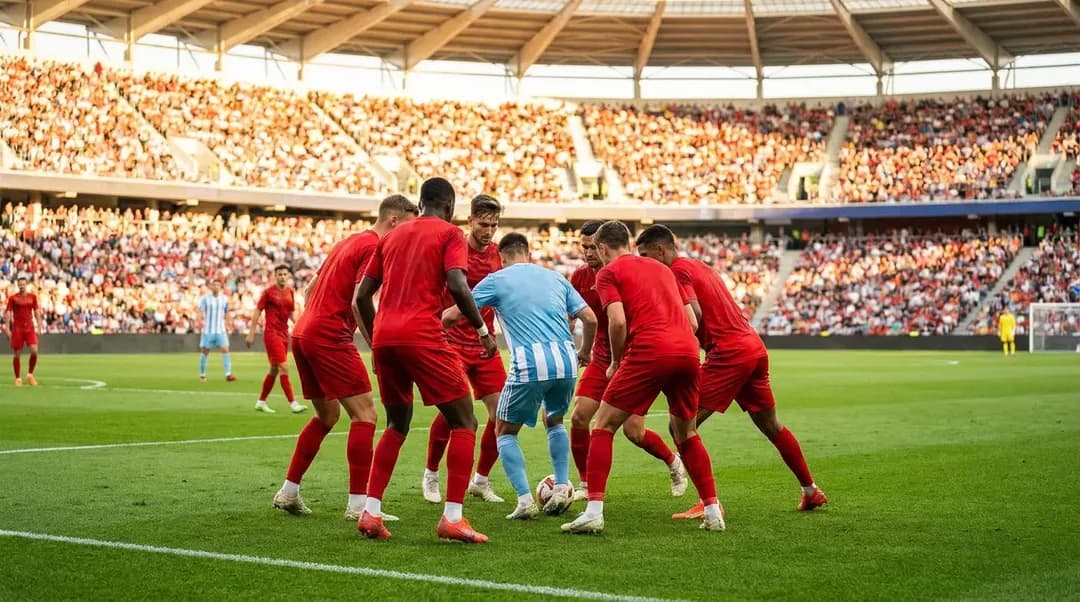
Messi’s best moments historically come when he is given both space and timely service; by disrupting the chain that produces those moments, Spain indirectly limited his presence in advanced zones. The counterpress effectively narrowed the channels by which Messi could expect to be involved: routes through the interior or quick one-twos were contested aggressively and often shut down before they could develop into meaningful opportunities.
This does not mean Messi was ignored; rather, the team patterns around him were compromised. When teammates cannot reliably reach him in the final third, a player who thrives on tight interplay becomes a deeper creator, which in turn reduces immediate shot-creating opportunities. That tactical ripple helps explain why Argentina did not register a shot in open time until the game reached extra time, when fatigue and game circumstances naturally open more spaces.
Transitions: from attack to reset and back again
Transitions are the crucible of modern counterpressing. The moment Argentina lost the ball, Spain sought to prevent a clean reset; by converging quickly, they both reduced Argentina’s preferred passing routes and increased the likelihood of recovery or forcing a clearance. This acute focus on the immediate aftermath of possession changes meant Argentina spent more effort retrieving structure than exploiting fleeting positional advantages.
Analysis: a well-executed counterpress turns offense into a continuous duel for control rather than a sequence of uncontested attacks. In this match, Spain’s transitions often dictated the tempo, forcing Argentina to rebuild rather than launch fast-moving attacks that could have created the space Messi needs. The balance between regaining possession and preventing quick counters was tilted by Spain’s consistency in these moments.
What Argentina tried and where it came up short
Argentina attempted to adapt by seeking wider or deeper options to escape pressure, but those routes come with trade-offs. Wider play can stretch a defense but also increases distance to the central channels where Messi typically operates; deeper passing reduces the immediacy of direct service. The tactical consequence was fewer instances of Messi receiving the ball with forward momentum, and more instances where he had to drop deeper or wait for the game to open up.
From a coaching perspective, once an opponent has committed to a high-quality counterpress, incremental adjustments — such as quicker one-touch passing, more off-the-ball runs, or targeted overloads — are required to reestablish attacking rhythm. In this match the balance never clearly tipped back in Argentina’s favor until the latter stages, which limited the team’s capacity to manufacture the sustained chances that typically follow when Messi operates in advanced pockets.
Tags: #Spain #Argentina #Messi #Counterpress #WorldCup #Tactics #EastRutherford #Football #Pressing
All trademarks are the property of their respective owners.
Ask Karpo First
If you want a deeper tactical teardown, start by telling Karpo which sequences you want annotated — for example, counterpress moments in midfield or build-up exits along a particular flank — and we’ll highlight how they changed the match dynamics and Messi’s involvement.
Ask Karpo for more information.
Keep reading
- Haaland Has Seven Goals and Norway Runs Entirely Through Him
 World Cup Trophy Ceremony Timing Medals and Postmatch Celebrations
 Olise and France's Attack: The Semifinal Tactical Question