 Haaland Has Seven Goals and Norway Runs Entirely Through Him
⚽️2026 FIFA WORLD CUP
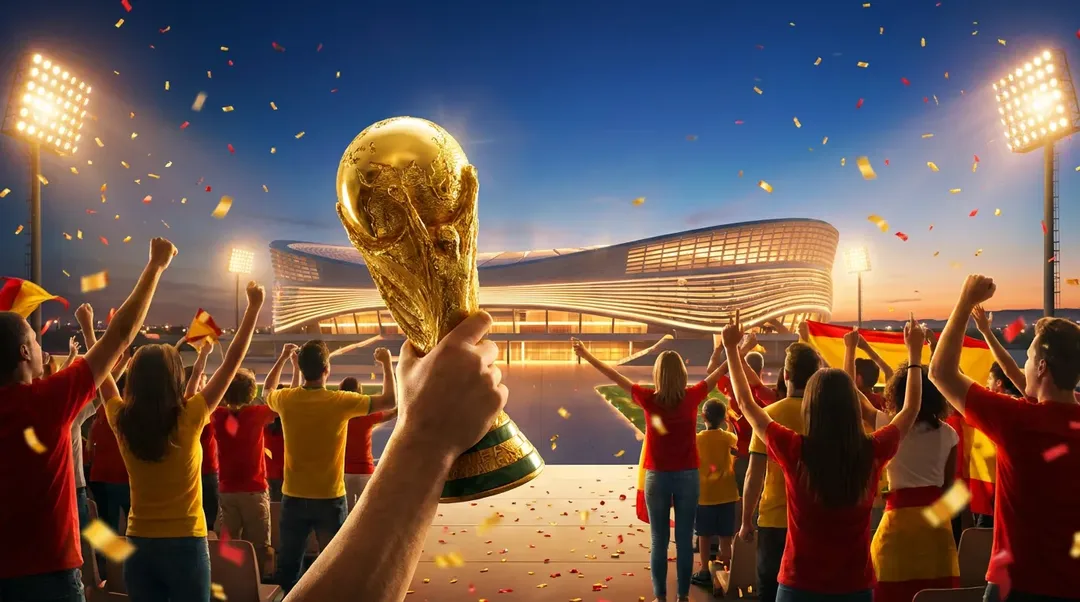
Spain Won in 2026, Then Hosts the 2030 World Cup
Spain captured the 2026 World Cup trophy in North America, cementing its status as a football powerhouse. Just four years later, the champions will welcome the world as co-hosts of the 2030 tournament alongside Morocco and Portugal.
Spain won the 2026 men's World Cup, adding another star to their illustrious football history. The victory came during a tournament held across North America, and now the champions face a unique challenge: transitioning from title holders to co-hosts when Morocco, Portugal, and Spain jointly stage the 2030 World Cup. This rare convergence of championship glory and hosting duties places Spain in a distinctive position within the tournament's century-long history.
Text Karpo to explore Spain's complete World Cup history, from their hosting plans to their championship pedigree, with instant answers about venues, qualification details, and the unique tri-continental format planned for 2030.
From Champions to Hosts in Record Time
The four-year gap between Spain's 2026 championship and their 2030 co-hosting role represents one of the shortest transitions from winner to host nation in modern World Cup history. Spain joins an exclusive group of nations that have both won and hosted the tournament, though few have done so in such rapid succession. The 2030 event will mark the first time Spain has hosted the men's World Cup since 1982, when the tournament was held entirely within Spanish borders.
This compressed timeline presents both advantages and complications for Spanish football. The infrastructure development required for hosting duties was already well underway before the 2026 tournament began, meaning Spain's championship victory arrived while the nation was already deep into preparations for welcoming the world. Stadium renovations, transportation upgrades, and hospitality planning all continued through Spain's triumphant campaign in North America.
Automatic Qualification Secures Spain's Participation
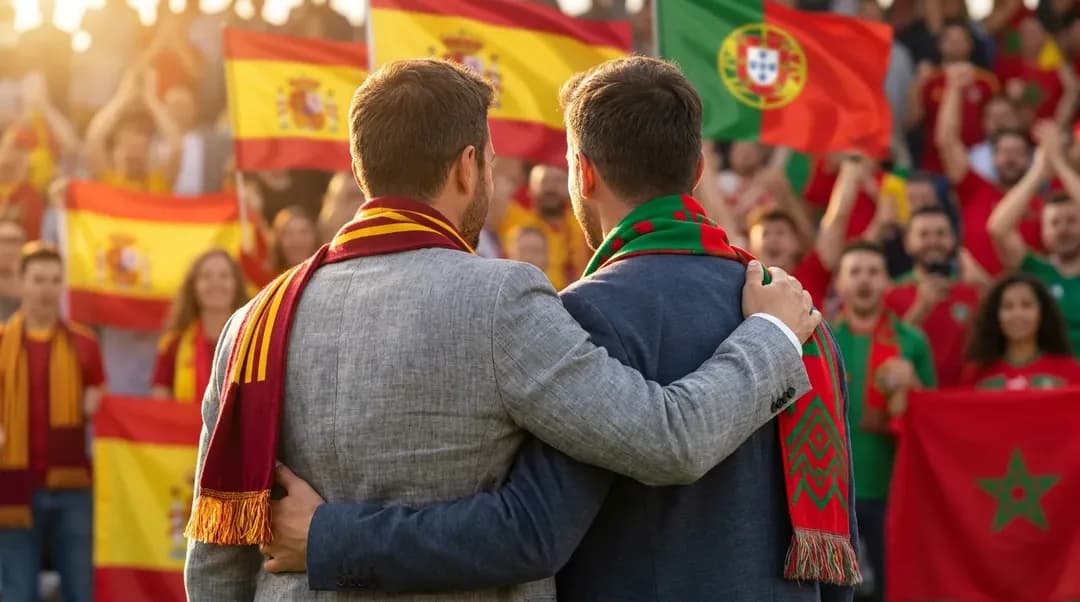
Spain's automatic qualification as a 2030 host nation removes the uncertainty that typically follows a World Cup victory. All six participating host nations—Spain, Morocco, Portugal, Argentina, Paraguay, and Uruguay—qualify automatically for the tournament. For Spain, this guarantee means their 2026 championship will be followed by assured participation in 2030, regardless of their performance in qualifying competitions that other European nations must navigate.
The automatic qualification format for 2030 is unprecedented in its scope, with six nations across three continents securing berths without competitive qualification. While host nation automatic qualification is standard World Cup practice, the multi-continental hosting arrangement for 2030 extends this privilege to Argentina, Paraguay, and Uruguay, each of which will stage one centenary celebration match. This arrangement reflects FIFA's decision to honor the tournament's 100th anniversary by incorporating South American venues alongside the primary host nations of Morocco, Portugal, and Spain.
The Tri-Nation European Hosting Partnership
Morocco, Portugal, and Spain will share primary hosting responsibilities for 2030, creating the first tri-nation World Cup partnership spanning Europe and Africa. The arrangement requires unprecedented coordination among three distinct football federations, governments, and sporting cultures. Spain's recent championship experience may inform their hosting approach, as the nation's football infrastructure and organizational capacity were showcased during their successful 2026 campaign and subsequent celebrations.
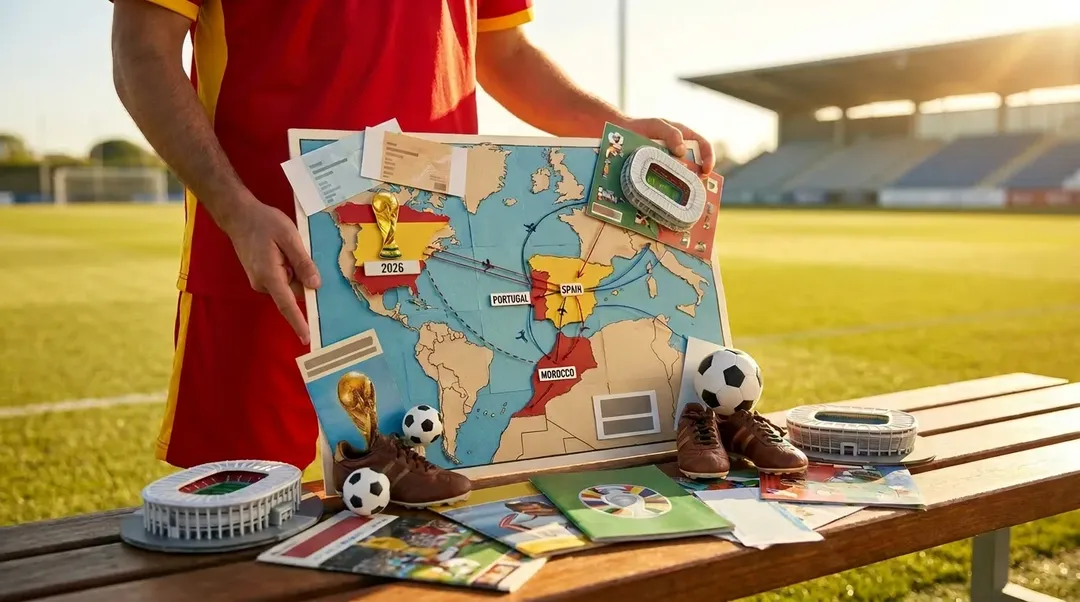
The geographic proximity of the three primary hosts offers logistical advantages compared to previous multi-nation tournaments. Spain and Portugal share the Iberian Peninsula, while Morocco lies just across the Strait of Gibraltar, creating a compact hosting footprint relative to the sprawling North American geography of 2026. This concentration may facilitate fan travel and reduce the environmental impact associated with long-distance team and supporter movement between venues.
Defending Champions Without Qualifying Pressure
Spain will enter the 2030 tournament as defending champions, but without having faced the competitive qualification pathway that typically tests a champion's form in the years following their victory. This unusual circumstance means Spanish football will navigate the 2026-2030 cycle with friendly matches and other competitions providing the only competitive continuity between tournaments. The absence of qualifying pressure may allow Spain's coaching staff to experiment with squad rotation and tactical approaches, or it could potentially leave the team under-tested when tournament play begins.
Historical precedent offers limited guidance for this scenario, as few defending champions have simultaneously served as hosts. The psychological dynamics of defending a title on home soil differ substantially from defending away, and Spain's football leadership will need to balance the expectations that come with recent championship success against the unique pressures of hosting duties. The 2030 tournament will test whether the advantages of familiar venues and home support outweigh any potential complacency that might arise from guaranteed participation.
Infrastructure Legacy of Back-to-Back Involvement
Spain's consecutive involvement in the 2026 and 2030 World Cups creates an extended period of elite-level football focus that few nations experience. The infrastructure investments required for 2030 hosting were committed before the 2026 tournament results were known, meaning these developments were planned independent of Spain's championship success. Stadium modernizations, training facility upgrades, and transportation enhancements will serve Spanish football long after the 2030 tournament concludes, creating a lasting legacy that compounds with the sporting legacy of the 2026 title.
The timing of these infrastructure improvements may benefit Spain's domestic league competitions and club football ecosystem throughout the late 2020s and beyond. World Cup hosting typically accelerates venue upgrades that might otherwise occur gradually over decades, and Spain's 2030 commitments ensure these improvements will be completed while the memory of the 2026 championship remains fresh. This convergence of sporting success and infrastructural development represents a unique moment in Spanish football history.
Centenary Celebration Connects Football's History
The 2030 World Cup will mark 100 years since the inaugural tournament was held in Uruguay in 1930, and the centenary celebration matches in Argentina, Paraguay, and Uruguay honor this milestone. While Spain's hosting duties focus on the primary tournament structure, these South American matches connect the 2030 event to football's deepest historical roots. Spain's participation as defending champions in a tournament that spans three continents reflects the truly global nature contemporary football has achieved since that first World Cup a century earlier.
The inclusion of centenary matches creates a tournament format unlike any previous World Cup, with opening games potentially occurring on multiple continents before the main tournament phase begins in Morocco, Portugal, and Spain. This structure presents scheduling and logistical complexities that will test FIFA's organizational capacity and may influence how future multi-nation tournaments are designed. For Spain, navigating this complex format as both defending champions and hosts will require adaptability and careful planning throughout the tournament's extended opening phases.
Tags: #Spain2026 #WorldCup2030 #SpainWorldCup #Morocco2030 #Portugal2030 #DefendingChampions #FootballHistory #WorldCupHosts #FIFAWorldCup
All trademarks are the property of their respective owners.
Ask Karpo First
Whether you need details about Spain's World Cup venues, want to understand the automatic qualification rules for all six host nations, or have questions about how the centenary celebration matches will integrate with the main tournament schedule, Karpo delivers instant, reliable answers drawn from verified sources. Get the complete picture of how Spain's championship journey connects to their unprecedented hosting role just four years later.
Ask Karpo for more information.
Keep reading
- Haaland Has Seven Goals and Norway Runs Entirely Through Him
 World Cup Trophy Ceremony Timing Medals and Postmatch Celebrations
 Olise and France's Attack: The Semifinal Tactical Question