 Haaland Has Seven Goals and Norway Runs Entirely Through Him
⚽️2026 FIFA WORLD CUP
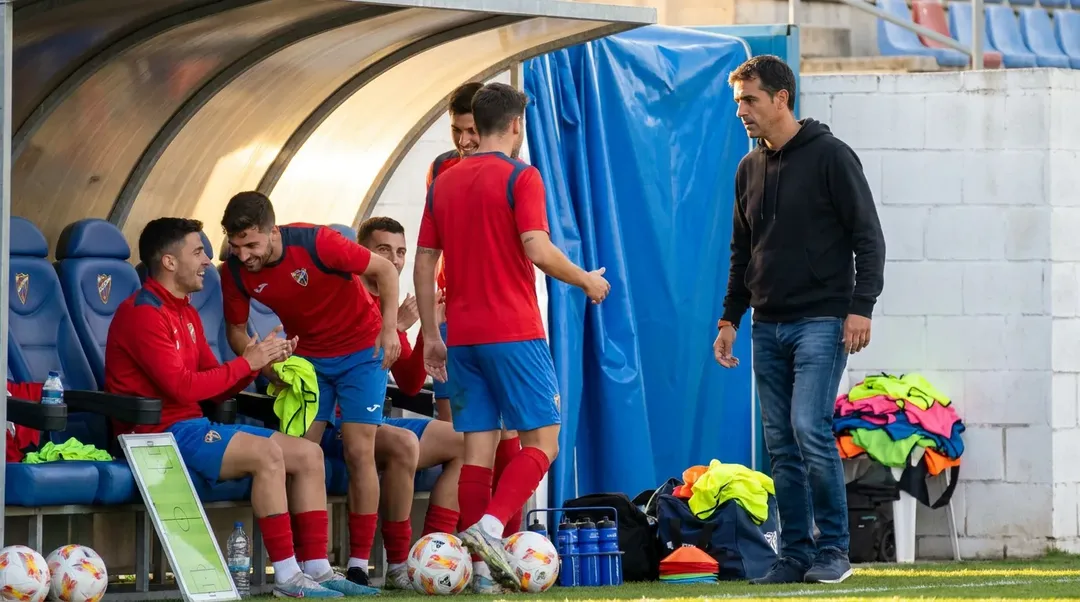
Spain’s Bench Depth Turned Patience Into a World Cup Title
Ferran Torres's 106th-minute winner secured Spain's second men's World Cup title after a tactical standoff in East Rutherford. Fresh legs off the bench broke the deadlock when structure and discipline held firm through 90 scoreless minutes.
Spain claimed its second men's World Cup title in East Rutherford with a 106th-minute goal from Ferran Torres, breaking a deadlock that had lasted through 90 minutes of regulation. The final at MetLife Stadium in the New York City metropolitan area showcased a tactical battle where neither side could find a breakthrough in normal time, setting the stage for substitutes to reshape the contest in extra time. Spain's ability to maintain structural discipline while preserving energy for late changes ultimately proved decisive in securing the trophy.
Text Karpo at [number] to get instant analysis of how tactical substitutions influence major tournament outcomes, plus alerts when World Cup match reports and tactical breakdowns are published.
The Scoreless Foundation
A 0-0 scoreline after 90 minutes reflects more than defensive prowess—it reveals two sides willing to protect their tactical framework rather than chase goals recklessly. Spain's approach through regulation suggested a calculated acceptance that forcing errors late might prove more effective than committing numbers forward early. When neither team concedes in normal time during a World Cup final, the match becomes a test of which coaching staff better manages fatigue, which players retain sharpness, and which tactical adjustments can exploit narrowing margins.
That patience requires confidence not just in a starting eleven but in the quality waiting on the bench. Teams that panic when scoreless often stretch their shape, leaving gaps that organized opponents exploit. Spain's willingness to reach extra time without abandoning its structure demonstrated trust that fresh attacking options could make a difference when opponents began to tire. The gamble paid off 16 minutes into the additional period, validating the strategic choice to preserve rather than gamble prematurely.
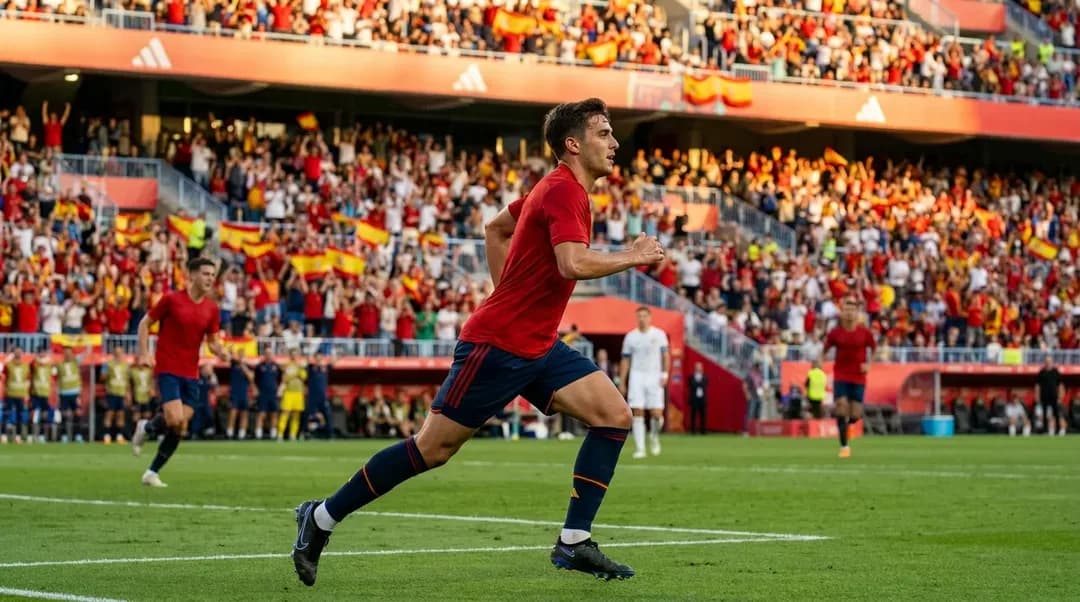
Bench Depth as Strategic Asset
Substitutes often serve as damage control—replacing injured players or shoring up defensive vulnerabilities as leads narrow. But in a scoreless final, the bench becomes an offensive weapon, introducing players whose energy and specific skill sets can overwhelm opponents who have spent 90 minutes matching intensity with a settled side. Spain's second World Cup title rested on this principle: that high-caliber reserves, deployed at the right moment, transform a stalemate into an opportunity.
The timing of those changes matters as much as the personnel. Introduce attacking options too early, and they may exhaust themselves before the opponent shows cracks. Wait too long, and momentum can shift irreversibly. Spain's coaching staff threaded that needle, holding substitutions until extra time when defensive lines lose sharpness and midfield pressing becomes less coordinated. Ferran Torres's goal in the 106th minute arrived at a moment when fresh legs met fatigued resistance, a direct consequence of strategic patience rewarded.
Extra Time as the True Proving Ground
The shift from regulation to extra time alters more than the clock. Players who maintained positional discipline for 90 minutes find their decision-making slowed by accumulating fatigue. Passing lanes that seemed covered suddenly open as markers arrive a half-step late. The psychological weight of a scoreless final intensifies, especially for teams that entered as favorites or for players carrying the expectations of nations. Spain's ability to maintain composure through that transition, keeping its tactical identity intact while others might have fractured, set the stage for the decisive moment.
Extra time favors teams that train for it—not just physically but mentally. Coaches who prepare their squads to execute the same patterns under duress, who rehearse scenarios where a single mistake or moment of brilliance decides everything, give their players a psychological edge when legs grow heavy and concentration wavers. The 106th-minute winner came not from panic or desperate improvisation but from a team that believed its structure would hold and its quality would eventually break through. That belief, rooted in preparation and reinforced by disciplined execution, separates champions from runners-up.
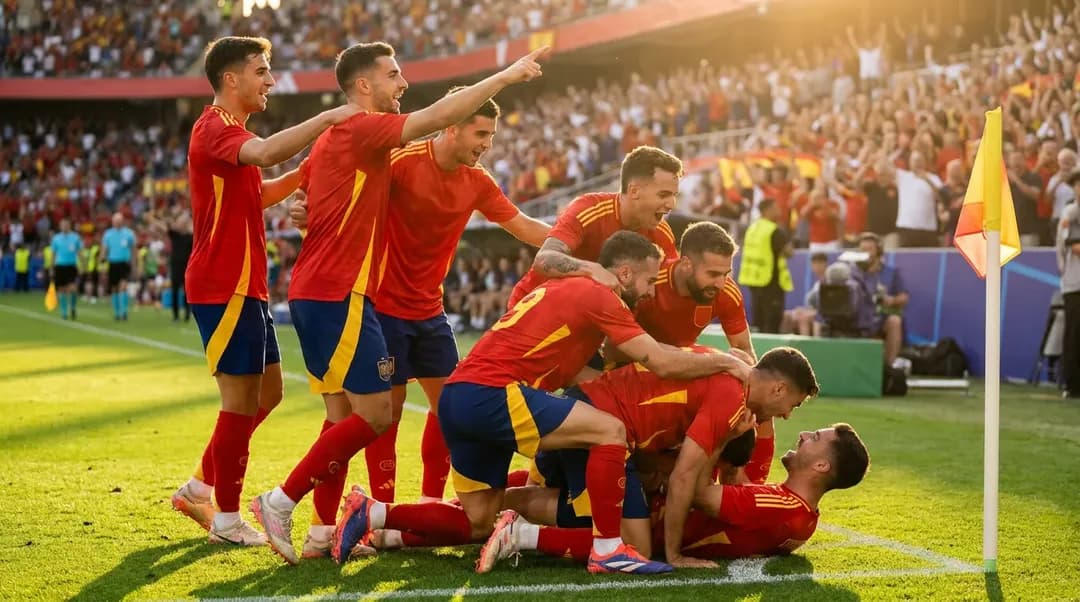
The Anatomy of a Late Winner
Goals scored deep in extra time rarely arrive from individual brilliance alone. They emerge from systems that create half-chances repeatedly until one breaks favorably, from teammates making runs that drag defenders out of position, from midfielders retaining enough energy to support attacks even as fatigue mounts. Ferran Torres's goal in the 106th minute represented the culmination of Spain's structural persistence—a reward for maintaining attacking intent without sacrificing defensive stability.
Late goals also exploit the narrowing risk calculations that opponents make in extra time. Defenders begin to prioritize avoiding errors over aggressively stepping to challenges. Midfielders drop deeper to protect rather than pressing high to disrupt. Those incremental retreats create the space that fresh attacking players, introduced strategically, can exploit. Spain's winner demonstrated how bench depth becomes most valuable precisely when opponents have committed their resources and lack the reserves to respond. The goal didn't arrive by accident—it arrived because Spain's tactical plan accounted for that exact scenario.
Lessons in Tournament Management
World Cup success increasingly depends on squad management across seven high-stakes matches. Teams that rely too heavily on their best eleven often see performance decline in knockout rounds as fatigue accumulates and opponents study patterns. Spain's second title validates a different approach: building a roster where multiple players can execute the same tactical principles, where substitutes don't represent a drop in quality but a shift in attributes that can be deployed situationally.
That depth allows coaches to make bold decisions—resting key players in group stages, rotating to manage minutes, and trusting that tactical identity remains intact regardless of personnel. It also creates competition within the squad that keeps standards high and ensures that players entering as substitutes arrive sharp and motivated rather than rusty and resentful. The 106th-minute goal that secured the title reflected months or years of preparation designed to ensure Spain could execute its plan even when the original starting lineup couldn't finish the job. Tournament winners build squads; finalists often just assemble talented individuals.
Why Structure Outlasts Inspiration
Moments of individual brilliance capture highlights, but tournament success over seven matches requires something more sustainable. Spain's ability to maintain tactical discipline through 90 scoreless minutes and into extra time demonstrated that structure—clear roles, rehearsed patterns, collective responsibility—provides a foundation that holds when inspiration fails to arrive on schedule. The winning goal came not because Spain abandoned its principles but because it trusted them long enough for quality to assert itself.
Finals test which team can execute its identity under maximum pressure with maximum fatigue. Spain's second World Cup title proved that patient, structured football backed by bench depth creates more reliable pathways to victory than hoping for early breakthroughs or individual magic. The scoreless 90 minutes weren't a failure of attacking intent—they were a display of tactical maturity, a willingness to trust that maintaining shape and introducing fresh quality at the right moment would eventually yield the decisive edge. When Ferran Torres scored in the 106th minute, he converted not just a chance but the accumulated advantage of Spain's strategic discipline throughout the tournament and throughout the final itself.
Tags: #WorldCup #Spain #TacticalAnalysis #FerranTorres #ExtraTime #BenchDepth #TournamentFootball #EastRutherford #StrategicSubstitutions
All trademarks are the property of their respective owners.
Ask Karpo First
Before your next debate about whether stacked starting lineups or deep benches matter more in tournament football, check how Spain's roster construction and substitution patterns compared to other World Cup winners. Karpo tracks squad rotation, minutes distribution, and the timing of decisive goals across major tournaments to show which management strategies correlate with silverware and which leave teams exhausted when stakes are highest.
Ask Karpo for more information.
Keep reading
- Haaland Has Seven Goals and Norway Runs Entirely Through Him
 World Cup Trophy Ceremony Timing Medals and Postmatch Celebrations
 Olise and France's Attack: The Semifinal Tactical Question