The roar inside SoFi Stadium reached deafening levels as Spain punched their ticket to the World Cup semifinals with a hard-fought 2-1 victory over Belgium in Los Angeles. Playing under the iconic curved roof in Inglewood, Spain demonstrated why their patient, possession-based approach remains one of football's most effective strategies when executed with precision. Belgium fought valiantly and created dangerous moments throughout the match, but Spain's ability to control tempo and exploit spaces in the final third proved decisive. The result sends Spain forward in the tournament while ending Belgium's quest for their first World Cup title, a goal that has eluded this talented generation of Belgian players.
Planning to catch the semifinal or exploring match-day options around SoFi Stadium? Text Karpo for a personalized game-day plan that covers everything from pre-match dining in Inglewood to the smoothest routes into the stadium district. Whether you need parking strategies, watch-party alternatives, or post-match celebration spots, Karpo builds itineraries around your schedule and preferences, so you experience the World Cup atmosphere without the logistical headaches.
First Half Control Sets the Foundation
Spain established their rhythm early, circulating the ball with the confidence that has defined their footballing identity for nearly two decades. Belgium set up in a compact defensive shape, clearly prepared to absorb pressure and strike on the break, but Spain's midfield circulation gradually stretched the Belgian lines. The Spanish approach focused on drawing Belgium's defenders out of position through patient buildup, creating half-spaces for penetrating runs. SoFi Stadium's excellent sightlines meant the 70,000-plus crowd could appreciate the chess match unfolding on the pitch, with every pass and positioning adjustment visible from every angle.
Belgium's defensive discipline held firm for extended stretches, with their backline maintaining organization even as Spain dominated possession. The Red Devils showed flashes of their counter-attacking threat, using their pace on the flanks to create brief moments of danger. Spain's goalkeeper was called into action on one particularly dangerous Belgian break, demonstrating that the match remained competitive despite the possession statistics. The tactical battle between Spain's methodical buildup and Belgium's compact defensive structure created the kind of tension that defines elite knockout football, where a single mistake or moment of brilliance can shift everything.

Spain Breaks Through
The opening goal arrived through the kind of intricate passing sequence that Spain has perfected over generations. A series of quick exchanges in the attacking third disorganized Belgium's defensive shape, creating the space needed for a clinical finish. The goal validated Spain's tactical patience and rewarded their willingness to probe without forcing low-percentage attempts. SoFi Stadium erupted with a mix of Spanish celebrations and appreciative applause from neutral fans recognizing the quality of the buildup. The goal shifted the psychological dynamic, forcing Belgium to reconsider their defensive posture and take more risks in possession.
Spain's second goal demonstrated their ability to punish opponents in transition, a dimension of their game that sometimes gets overlooked amid discussions of their possession statistics. After winning the ball in midfield, Spain moved it forward with purpose, exploiting spaces that opened as Belgium pushed numbers forward seeking an equalizer. The finish showed composure under pressure, the kind of clinical execution that separates semifinalists from earlier-round exits. With a two-goal cushion, Spain could have retreated into a defensive shell, but they continued to press for possession, maintaining their tactical identity even with a comfortable lead.
Belgium Responds with Urgency
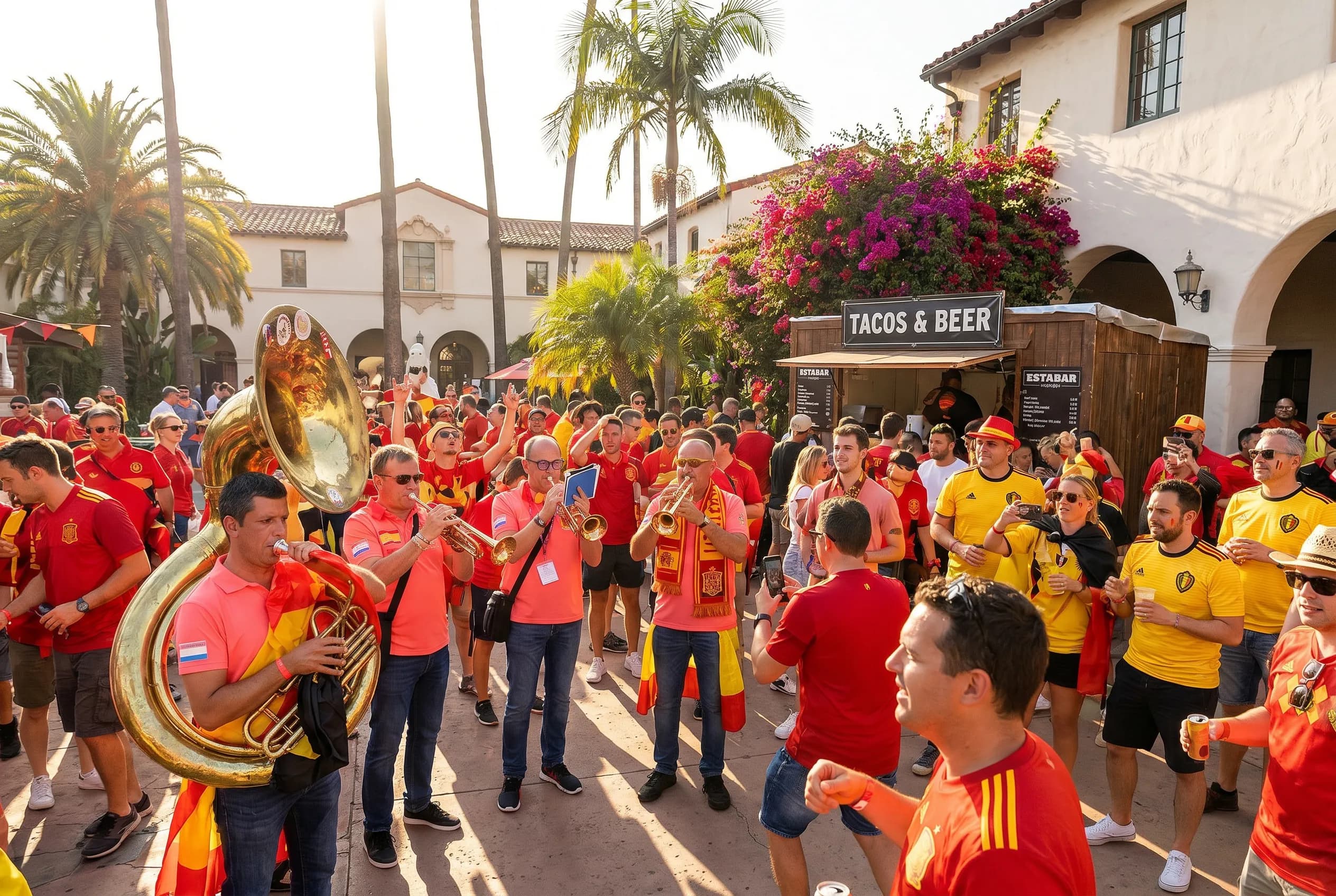
Facing elimination, Belgium abandoned their cautious approach and committed more players forward in search of a lifeline. The tactical shift created a more open game, with both teams finding space to attack as the match stretched. Belgium's goal came from a moment of individual quality combined with collective determination, pulling one back and injecting genuine tension into the final portion of the match. The SoFi Stadium crowd, which had been heavily pro-Spain, suddenly found themselves witnessing a genuine contest with the outcome hanging in the balance.
The goal energized Belgium's supporters and gave the team visible belief that a comeback remained possible. Spain faced their most uncomfortable period of the match, forced to defend with numbers and intensity rather than simply controlling possession. Belgium threw everything forward in the closing stages, creating half-chances and set-piece opportunities that kept Spanish fans on edge. The frantic final minutes showcased tournament football at its most dramatic, with Belgium desperately seeking an equalizer while Spain tried to manage the clock and protect their slender advantage.
Tactical Adjustments Define the Closing Stages
Spain's coaching staff made strategic substitutions designed to shore up their defensive structure and maintain possession in deeper areas. Fresh legs in midfield helped Spain regain some control over the tempo, slowing the game down and forcing Belgium to work harder to win the ball back. These adjustments demonstrated tactical maturity, recognizing that protecting a lead requires different personnel and approaches than building one. Belgium countered with attacking substitutions of their own, sacrificing defensive stability for additional goal-scoring threats in a calculated gamble that their tournament survival demanded.
The tactical battle between the benches became as compelling as the action on the pitch, with each substitution and formation tweak carrying enormous implications. Spain's ability to adapt their shape without abandoning their core principles showed the versatility that championship teams require. Belgium's willingness to take risks reflected their understanding that a narrow defeat and a draw both meant elimination, so caution offered no advantage. The chess match between the technical areas added another layer of intrigue for the knowledgeable crowd at SoFi Stadium, many of whom could read the tactical shifts as they unfolded.
SoFi Stadium Provides the Stage
The state-of-the-art venue in Inglewood delivered an atmosphere worthy of a World Cup quarterfinal, with its distinctive architecture and advanced amenities creating an unforgettable setting. The stadium's design, featuring that dramatic translucent roof canopy, provided protection from the elements while maintaining an open-air feel that preserved the outdoor football atmosphere. Sight lines from every section allowed fans to fully appreciate the tactical nuances and individual skills on display, while the massive video boards ensured no one missed key moments or replays. The venue's location in the Los Angeles area brought together diverse football communities, creating the kind of multicultural crowd that defines World Cup football.
SoFi Stadium's infrastructure handled the massive crowd efficiently, though the sheer volume of fans arriving and departing created the inevitable congestion that accompanies major sporting events. The surrounding area in Inglewood has developed significantly in recent years, with the stadium serving as a catalyst for broader investment and improvement. For this quarterfinal, the venue demonstrated why it was selected to host multiple World Cup matches, combining world-class facilities with the capacity to generate an electric atmosphere. The stadium will host additional matches as the tournament progresses, cementing its place in World Cup history.
Tournament Implications and the Road Ahead
Spain's victory keeps alive their quest for a second World Cup title, building on their 2010 triumph in South Africa. The team has shown throughout this tournament that their traditional style remains effective at the highest level when executed with precision and intensity. Their semifinal opponent will face the challenge of breaking down a Spanish side that has grown increasingly confident with each knockout round victory. The blend of experienced players and emerging talents has given Spain tactical flexibility and depth, crucial attributes as the tournament reaches its decisive stages and fatigue becomes a factor.
For Belgium, the defeat marks another disappointing conclusion for a generation of players who have consistently ranked among the world's best but have never captured a major trophy. The quarterfinal exit will prompt difficult questions about what might have been and whether tactical approaches or key moments in this match or earlier rounds could have produced different outcomes. Belgian football has produced remarkable talent over the past decade, but tournament football's unforgiving nature means that quality alone does not guarantee silverware. As Spain prepares for their semifinal, Belgium's players and fans are left to reflect on a tournament that promised much but ultimately delivered familiar heartbreak in the knockout stages.
Tags: #WorldCup2026 #Spain #Belgium #SoFiStadium #Inglewood #LosAngeles #Quarterfinal #MatchRecap
Sources consulted: FIFA World Cup 26 results · SoFi Stadium
All trademarks are the property of their respective owners.
Ask Karpo First
Whether you are planning to attend the semifinal at SoFi Stadium or looking for the best spots to watch the next round of matches across Los Angeles and Inglewood, text Karpo for recommendations tailored to your group size, budget, and transportation preferences. Karpo can map out everything from pre-match meetup spots to post-game celebration venues, helping you make the most of the World Cup atmosphere in Southern California.