 Haaland Has Seven Goals and Norway Runs Entirely Through Him
⚽️2026 FIFA WORLD CUP
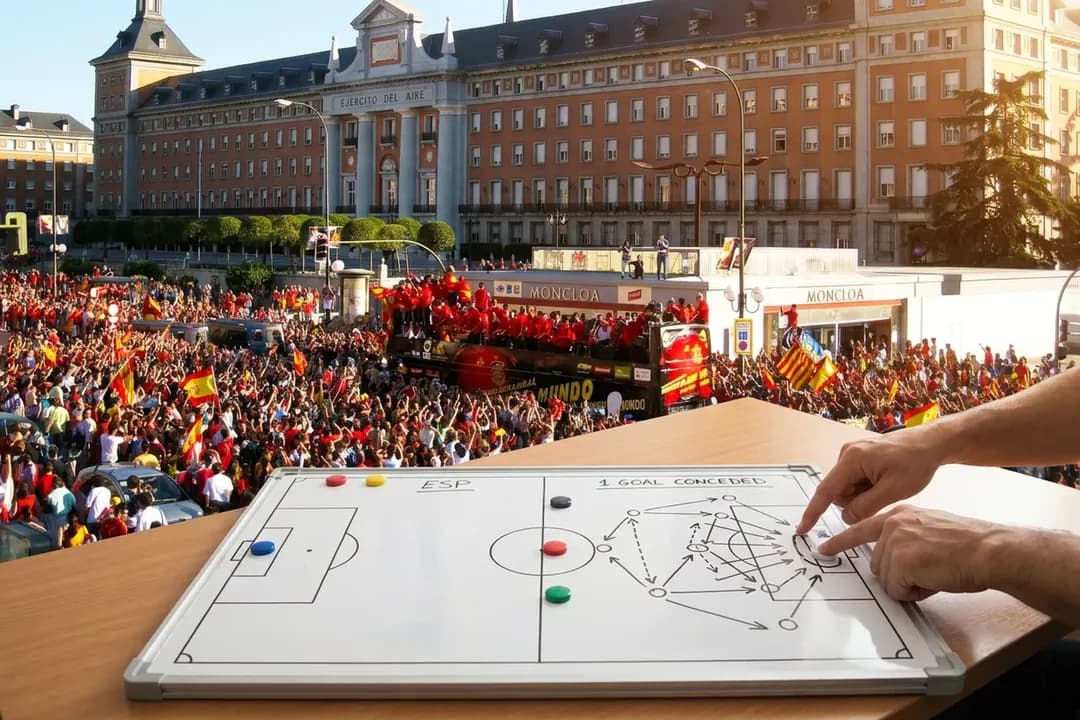
Spain Allowed Only One Goal During Its Championship Tournament
Spain’s championship run was defined by defensive control, not just the final scoreline. The 2026 award report credits the champions with allowing only one goal across the tournament.
East Rutherford became the closing stage for a Spain title that will be remembered as much for what opponents could not do as for what Spain did. The confirmed record is stark: Spain allowed only one goal across the championship tournament, according to the 2026 award report, and finished the job by shutting out Argentina 1-0 in the final. Without leaning on unverified shot counts, expected goals, or player-by-player data, the achievement can still be understood clearly. A team does not concede just once by accident. It requires structure, discipline, patience, and a tournament-long refusal to let moments become chaos.
Text Karpo if you want a personalized Spain final recap, a celebration plan, a place to watch replays with friends, or a food-and-city plan built around your neighborhood and match mood.
A Title Built On Denial
Spain’s one-goal-against tournament record gives the title a defining frame. Many champions are remembered for star power, dramatic goals, or attacking rhythm, but this run carries a cleaner defensive headline. Across the championship tournament, opponents found the net only once. That fact does not require extra embellishment to matter. In a knockout-driven environment where pressure can turn one mistake into elimination, Spain’s ability to keep matches from opening into disorder became central to the story of the trophy.
The 1-0 final victory over Argentina made the defensive record feel complete. A final shutout is not simply another clean sheet; it is the proof point delivered under the highest pressure of the event. Spain entered the last match with a historically narrow margin for error on the defensive side and left with that identity intact. The scoreline also shaped how the tournament will be remembered: Spain did not need a flood of goals in the final because its back line and collective organization protected the advantage.

What One Goal Allowed Really Means
Allowing only one goal across a championship tournament is a measure of consistency before it is a measure of style. It means Spain repeatedly kept matches within a controlled defensive range, regardless of opponent, venue, or stage. The record also suggests the team avoided the kinds of sudden collapses that can undo talented sides. There is no need to invent pressure numbers to see the significance. Over multiple matches, one concession reflects repeated solutions to different attacking questions.
The number matters because tournament football compresses consequences. A single goal can change game state, emotional rhythm, and tactical responsibility. Spain’s record shows that those turning points rarely moved against it on the scoreboard. Even when matches demand patience, teams must defend transitions, restarts, and late-game pressure without losing clarity. Spain’s confirmed total of one goal allowed gives the simplest possible summary of that success. The champions kept opponents from converting the tournament’s most valuable chances into the tournament’s most damaging currency.
The Final Shutout Against Argentina
The final against Argentina gave Spain’s defensive tournament its most visible test and its cleanest closing statement. A 1-0 championship match leaves no cushion for comfort. Every defensive phase carries amplified importance because one conceded goal can erase the lead and reshape the night. Spain’s shutout therefore did more than preserve a score. It confirmed that the team’s tournament-long standard did not loosen at the finish line, even with the trophy at stake and the occasion magnifying every possession.
That final also helps explain why Spain’s defensive achievement is not just a statistical note. The last match is the one casual viewers remember, and the champions ended it by allowing nothing on the scoreboard. Argentina were shut out, Spain protected the narrow lead, and the title was secured without needing extra confirmed detail about shots, minutes, or individual interventions. The official result carries enough weight on its own. Spain’s defense gave the attack’s single goal championship value by making it stand all the way to the end.
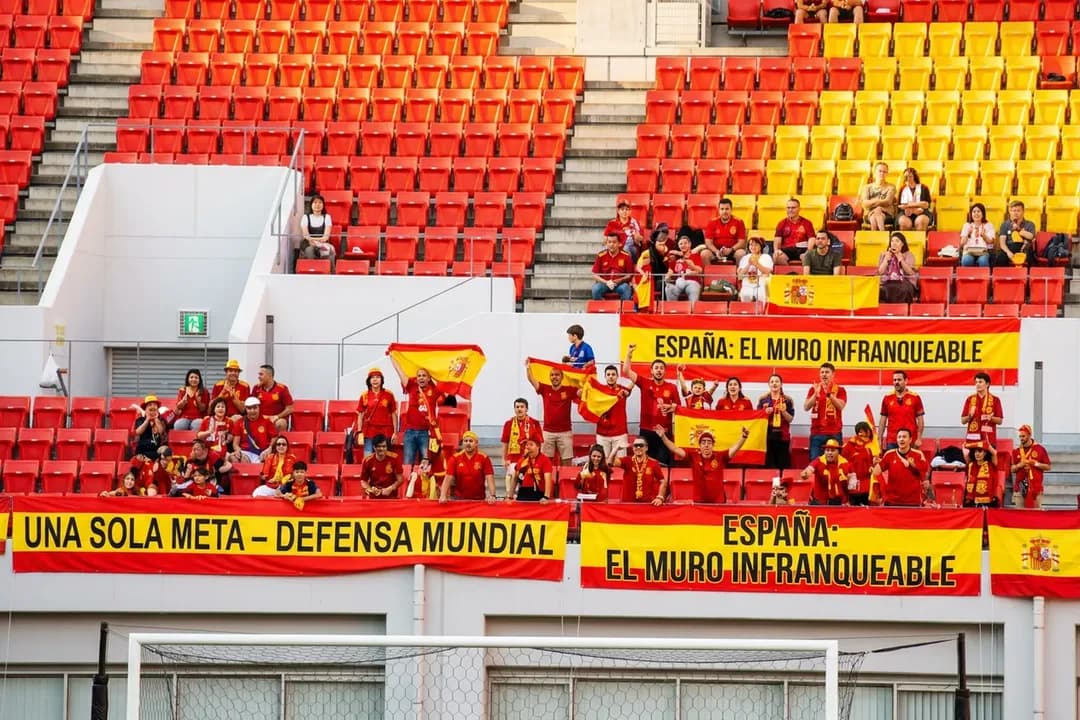
Collective Control Without Extra Numbers
Because the verified record does not include opponent shot totals, expected goals, or defender-specific statistics, the fairest analysis is collective. Spain’s defensive story should be read through outcomes and tournament context rather than invented measurements. The champions conceded once in the entire competition, which means their structure repeatedly held up where it mattered most: on the scoreboard. That outcome can come from positioning, pressing discipline, recovery runs, goalkeeper composure, and smart game management, but the public verified fact remains the same.
This restraint is important because defensive excellence is often overexplained with unavailable data. Spain’s achievement does not need unsupported details to sound impressive. In fact, the absence of extra numbers makes the headline sharper. One goal allowed is a complete tournament statement. It tells readers that Spain did not merely survive a single tense match; it carried a protective standard across the event. The champions’ defensive identity can be described honestly as team-wide control, repeated concentration, and the ability to make narrow scorelines feel sustainable.
Why Defense Defined The Championship
Spain’s title can still include many stories, but the defensive record gives it a spine. In tournament football, attacking form can fluctuate, finishing can come and go, and momentum can shift with one deflection or one mistake. Defensive reliability gives a team a fallback that travels from match to match. Spain’s one-goal concession total indicates that its path to the trophy was never solely dependent on outscoring chaos. The champions reduced the amount of chaos opponents could place on the board.
That is why the final score against Argentina feels connected to the whole tournament rather than separate from it. A 1-0 win is the purest expression of a defense-first championship memory: one goal scored, none allowed, trophy secured. The match did not need a wide margin to validate Spain’s superiority in the final outcome. The defensive foundation made the narrow margin enough. When historians summarize this title, the phrase “allowed only one goal” will sit near the front of the conversation.
A Record That Will Shape Spain’s Legacy
Championship legacies often settle around a single idea, and Spain’s is easy to identify. The 2026 award report’s confirmation that Spain allowed only one goal gives the run a durable label. Fans may debate style, turning points, and favorite moments, but the defensive mark is not complicated. It is a clean factual anchor for the title. In a competition designed to test adaptability and nerve, Spain’s ability to keep opponents off the scoreboard became the defining evidence of championship readiness.
The setting in East Rutherford added a North American closing image to a global achievement. Spain left the final with a 1-0 win over Argentina, a shutout on the biggest night, and a tournament concession total that framed the entire campaign. The achievement is powerful because it is simple: one goal allowed, one final clean sheet, one title. That combination turns defensive discipline into more than a subplot. It becomes the reason Spain’s championship feels controlled, complete, and built to last.
Tags: #WorldCup2026
Sources consulted: 2026 World Cup award winners · FIFA final hub
All trademarks are the property of their respective owners.
Ask Karpo First
Ask Karpo for a custom Spain title recap, celebration route, watch-party plan, or post-final food idea.
Ask Karpo for more information.
Keep reading
- Haaland Has Seven Goals and Norway Runs Entirely Through Him
 World Cup Trophy Ceremony Timing Medals and Postmatch Celebrations
 Olise and France's Attack: The Semifinal Tactical Question