 Haaland Has Seven Goals and Norway Runs Entirely Through Him
⚽️2026 FIFA WORLD CUP

Which Countries Have Won Exactly Two Men’s World Cups
Spain’s 2026 championship changed the answer to a simple but popular World Cup question. The men’s teams with exactly two titles are now Spain, France, and Uruguay.
East Rutherford · New York City · North America — Spain’s 2026 men’s World Cup championship did more than crown a winner: it changed a search question. Fans looking up the world cup winners list now need a sharper answer, because Spain has moved from one title to exactly two. Its latest championship joins the 2010 triumph and places Spain alongside France and Uruguay in the same specific group. This is not the full all-time champions ranking. It is the exact-title-count answer created by Spain’s second men’s World Cup win.
Want to turn the final result into a night plan, watch-party recap, celebration route, or food stop list in your city? Text Karpo for a personalized Spain 2026 final-recap plan built around where you are, who you are with, and how you want to remember the moment.
The short answer: three countries have exactly two
The countries with exactly two men’s World Cup championships are Spain, France, and Uruguay. Spain entered that group with its 2026 title, which added to its previous championship in 2010. That is the key update for anyone searching a world cup winners list after the final: Spain is no longer a one-time winner. It now belongs in the exact two-title tier, not merely in the broader list of nations that have won the tournament at least once.
This exact-count question is different from asking who has won the most World Cups or asking for every champion in order. The answer is narrower and more useful for fans comparing title bands. Spain’s move matters because it changes the membership of the two-title category. France and Uruguay were already part of that group, and Spain now sits alongside them. No broader ranking is needed to answer the question cleanly.
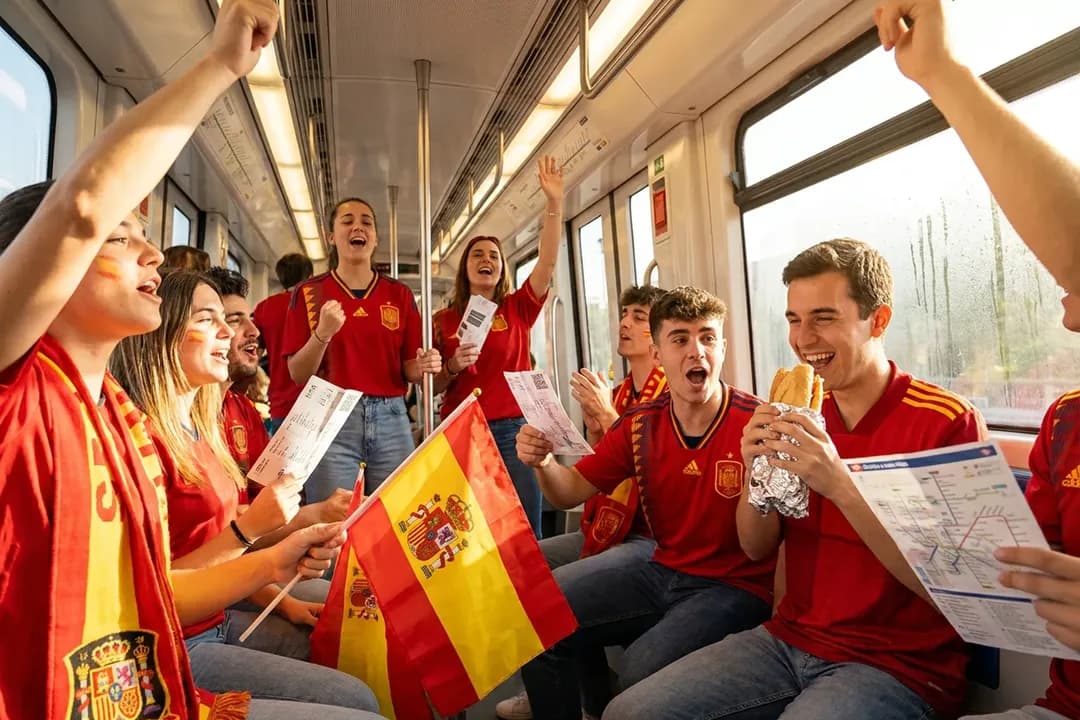
Why Spain’s 2026 title changes the search answer
Before Spain’s 2026 championship, Spain was known among men’s World Cup champions for its 2010 title. The 2026 win turned that single-title status into a two-title total. That is why the headline question has a new answer after the final in the New York City area. Spain did not simply add another line to its national football story; it changed the way fans categorize World Cup winners by exact championship count.
Searches for world cup winners list often produce long historical summaries, but Spain’s second championship creates a more precise need. Many readers do not want every champion listed; they want to know which countries now have exactly two. The confirmed group is Spain, France, and Uruguay. Spain’s arrival does not require speculation about future tournaments, projections, or invented rankings. It only requires recognizing the new title count after the 2026 final.
Spain joins France and Uruguay in the two-title tier
Spain’s new position is easy to state but meaningful in context. With two men’s World Cup championships, Spain now shares a specific status with France and Uruguay. Each of those countries has won the tournament exactly twice, which separates them from one-time champions and from nations with larger totals. This tier is a distinct snapshot inside the overall history of the competition, and it became more prominent once Spain climbed into it.
The phrase exactly two is doing important work here. It excludes every country with one title and every country with more than two titles, even though all belong somewhere on the wider champions list. Spain, France, and Uruguay are grouped because their total is identical. That makes the answer simple for fans, trivia hosts, searchers, and anyone updating a post-final conversation without needing to reproduce the entire historical record.
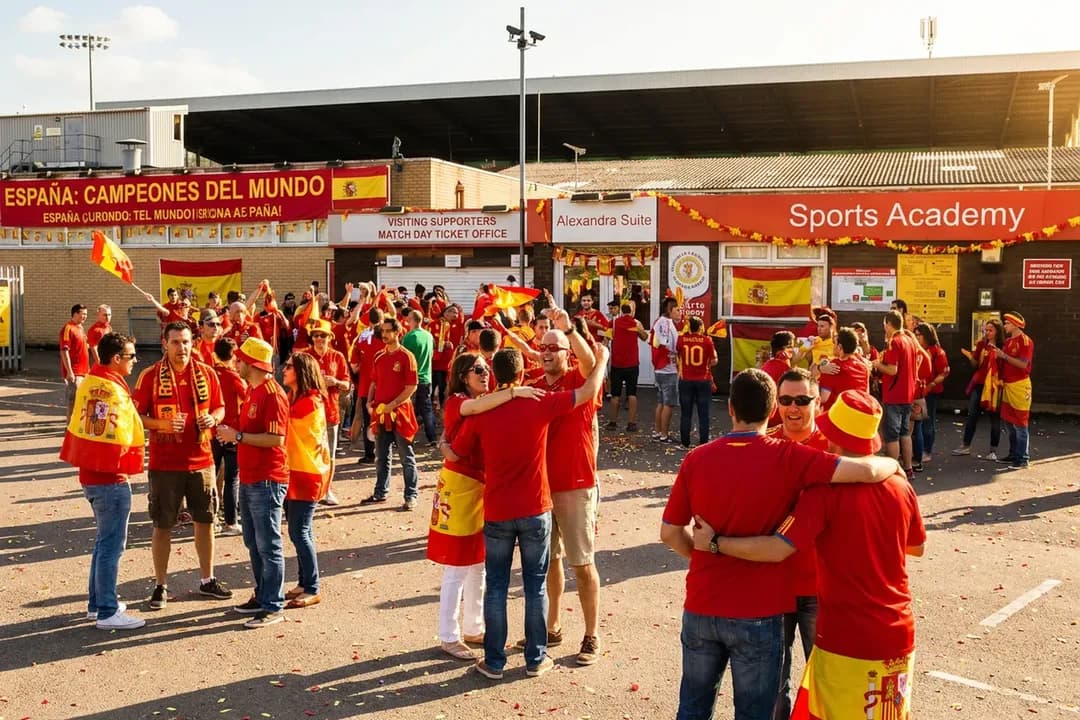
How to read this against the broader winners list
A full world cup winners list can be useful when the goal is to trace every tournament champion. This article answers a narrower question created by the 2026 result. The focus is not every winner, every edition, or every rank. The focus is the exact two-title group. Spain’s 2026 championship means the group now contains three countries: Spain, France, and Uruguay. That is the clean answer fans are likely looking for.
Keeping the exact-count answer separate also avoids a common post-final confusion. A team can be a World Cup winner, a multiple-time winner, or an exactly two-time winner, but those categories are not identical. Spain now qualifies for the last two descriptions because it has two championships. France and Uruguay also fit the exactly-two description. The broader champions list remains larger, but the exact answer stays compact and easy to remember.
What Spain’s second title means for fans and trivia
For fans, Spain’s second men’s World Cup championship changes the way the country is discussed in historical shorthand. Instead of being introduced as a nation with one title from 2010, Spain can now be described as a two-time men’s World Cup champion. That matters in watch-party debates, pub quizzes, social posts, and quick comparisons between national teams. The 2026 title gives Spain a new place in the competition’s title-count conversation.
For trivia, the update is especially clean. If the question is, which countries have won exactly two men’s World Cups, the answer is Spain, France, and Uruguay. If the question is the broader world cup winners list, the answer expands beyond that. The difference is small in wording but large in accuracy. Spain’s move makes it important to ask whether someone wants every champion or only the exact two-title group.
The updated exact-two answer after 2026
After Spain’s 2026 title, the updated exact-two answer is settled: Spain, France, and Uruguay. Spain’s titles are anchored by 2010 and 2026, making its new total two. The main point is not how the final unfolded, because the exact-title-count answer does not need scores, lineups, or match details. It needs the confirmed championship total, and Spain’s second men’s World Cup win supplies the change that fans are searching for.
So, when someone searches world cup winners list and really means the exact two-title group, the answer should not be buried. Spain has joined France and Uruguay as a country with exactly two men’s World Cup championships. That is the post-2026 update. It keeps the focus on verified title counts, avoids unnecessary ranking claims, and gives readers the simple answer created by Spain’s move into the two-time champions category.
Tags: #WorldCup2026
Sources consulted: FIFA World Cup champions history · FIFA final hub
All trademarks are the property of their respective owners.
Ask Karpo First
Ask Karpo: Text us where you are watching from, your group size, and your vibe, and we’ll build a personalized Spain 2026 final-recap, celebration, food, or city plan around the moment.
Ask Karpo for more information.
Keep reading
- Haaland Has Seven Goals and Norway Runs Entirely Through Him
 World Cup Trophy Ceremony Timing Medals and Postmatch Celebrations
 Olise and France's Attack: The Semifinal Tactical Question