 Haaland Has Seven Goals and Norway Runs Entirely Through Him
⚽️2026 FIFA WORLD CUP
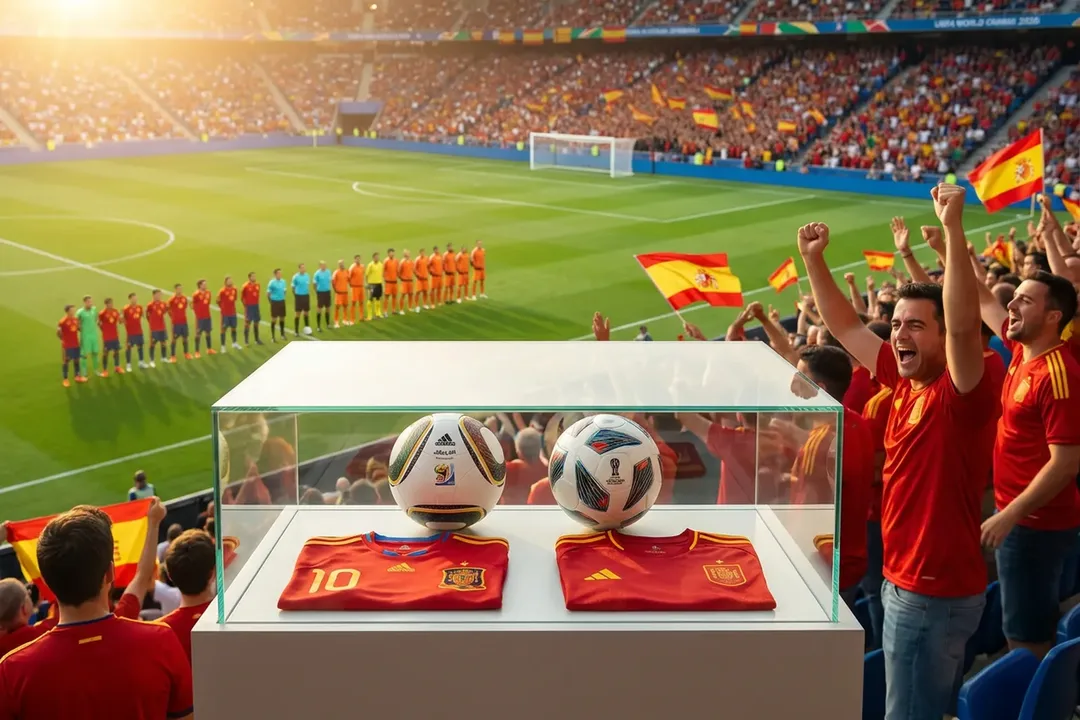
Spain’s 2010 and 2026 Final Winners Both Needed Extra Time
Spain’s 2010 and 2026 world titles share a decisive extra-time thread. Andres Iniesta and Ferran Torres turned two scoreless finals into 1-0 Spanish celebrations.
East Rutherford · New York City · North America — Spain’s latest World Cup title instantly revived the memory of another Spanish final that refused to end in normal time. In 2010, Spain beat the Netherlands 1-0 after extra time, with Andres Iniesta providing the decisive goal. In 2026, Spain again lifted the trophy by the same final score after extra time, this time against Argentina, with Ferran Torres scoring the winner. The comparison is simple but powerful: two championship nights, two extra-time breakthroughs, and two Spanish match-winners attached to different generations of national-team history.
Text Karpo for a personalized final-recap plan, whether you want a quick 2010-to-2026 comparison, a celebration route in New York City, a food stop near East Rutherford, or a viewing-night guide built around Spain’s title moments.
Two Spanish Finals, One Extra-Time Pattern
The clearest link between Spain’s 2010 and 2026 World Cup triumphs is not a sweeping tactical mirror or a claim that both finals unfolded the same way. It is the decisive structure of the result. Spain needed extra time in both title matches, and both ended 1-0. That alone makes the two finals unusually easy to pair in memory: normal time could not separate Spain from the opponent, but an extra-time Spanish goal settled the trophy.
The 2010 world cup final remains one of the defining reference points for Spain’s global football identity. Andres Iniesta’s winner against the Netherlands gave Spain a 1-0 victory after extra time and secured the country’s first men’s World Cup title. Sixteen years later, the 2026 final against Argentina added a second chapter with the same score line and the same timing category: not a regulation-time decision, but an extra-time goal that turned tension into confirmation.
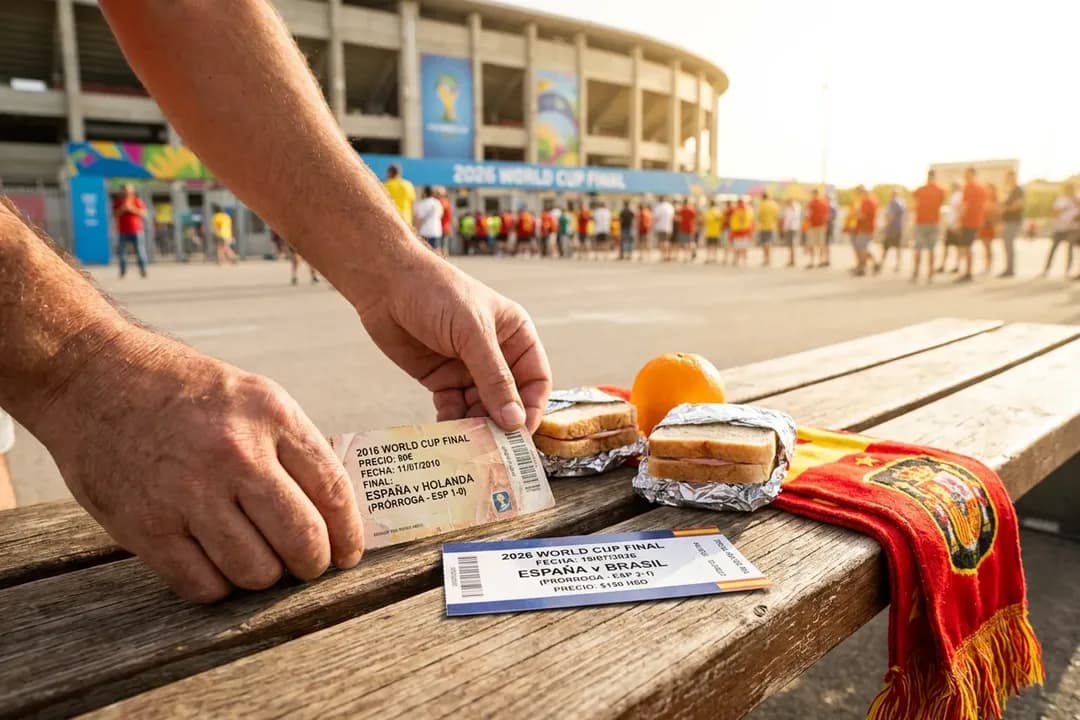
Iniesta’s 2010 Goal Became a National Marker
In 2010, Iniesta’s decisive goal carried more than the value of a single finish. It became the cleanest shorthand for Spain’s breakthrough on the sport’s biggest stage. The official result, Spain 1-0 Netherlands after extra time, is compact, but it contains an enormous shift in Spanish football memory. When fans refer to that final now, they do not need a long summary. Iniesta’s name, extra time, and the first Spanish title are enough.
That is why any comparison with 2026 must start carefully. The 2010 match should not be turned into a template for everything that followed, and the 2026 final should not be forced into the same story beyond the verified overlap. What can be said is that Spain’s title was not sealed early or comfortably on the scoreboard. It required the last phase beyond normal time, and Iniesta became the player forever tied to that decisive extra-time moment.
Ferran Torres Added the 2026 Counterpart
The 2026 final produced the counterpart that makes this comparison timely. Spain beat Argentina 1-0 after extra time, and Ferran Torres scored the decisive goal. For a different Spanish generation, that is the line that will carry forward: opponent, score, extra time, scorer. As with 2010, the historical memory is likely to condense around the one moment that separated a scoreless final from a championship result.
Torres’s goal does not need to be framed as a replay of Iniesta’s to matter. It stands on its own because it won a World Cup final. The connection is more elegant than identical: both goals arrived after regulation could not produce a winner, and both gave Spain a 1-0 final victory. That shared frame lets fans compare the pressure of the occasions without pretending the matches were tactically equivalent or emotionally identical in every detail.
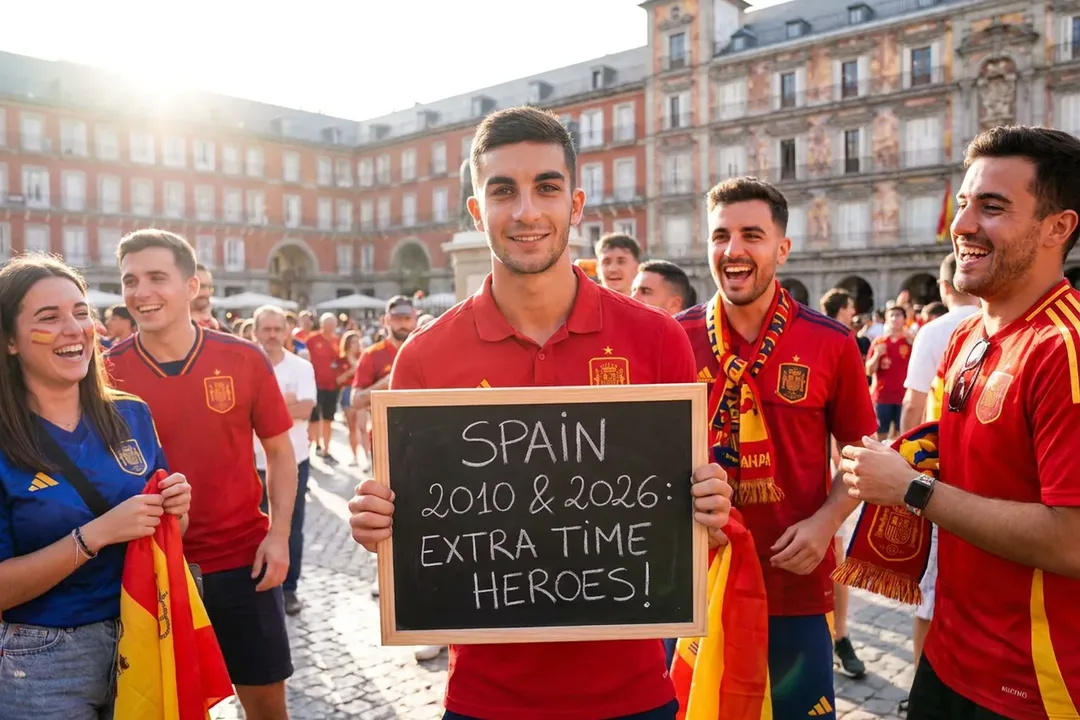
The Score Line Makes the Comparison Sharper
A 1-0 final after extra time creates a particular kind of legacy. There is no long list of goals to divide attention, no comeback score to complicate the memory, and no penalty shootout to shift focus away from open-play resolution. In both Spain title wins discussed here, the final scoreboard points directly to one Spanish scorer. Iniesta in 2010 and Torres in 2026 became the named endpoints of two extended championship matches.
That narrow score line also keeps the comparison disciplined. It is not necessary to claim that Spain controlled both finals in the same way, faced the same match problems, or won through the same broader approach. The verified facts are strong enough: two finals, two 1-0 wins, two extra-time decisions. The similarity sits in the result and the timing of the breakthrough, not in any invented description of formations, rhythm, chances, or match management.
Why Extra Time Changes a Final’s Memory
Extra time changes how a final is remembered because it stretches the emotional wait. A goal in regulation can still decide a title, but a goal after ninety minutes carries the feeling of a match that had already resisted resolution. For Spain, both the 2010 and 2026 titles gained that added layer. The winning goal did not simply move Spain ahead; it arrived after the final had entered the period reserved for unresolved championship tension.
That makes Iniesta and Torres natural historical anchors. Their goals are not just recorded as scoring events; they are attached to the moment when Spain escaped the stalemate of a final and crossed into title certainty. Supporters may remember where they watched, who they watched with, or how long the wait felt, but the public record remains clean. Spain won each final 1-0 after extra time, with one Spanish player providing the decisive finish.
A Shared Thread Across Different Generations
The distance between 2010 and 2026 gives the comparison its generational weight. Iniesta’s winner belongs to the Spain that first conquered the men’s World Cup. Torres’s winner belongs to a later Spain that added another title in North America. The opponents were different, the years were different, and the context around each team was different. Still, the title-winning shape is strikingly familiar: Spain waited beyond normal time, then found the goal that decided everything.
For fans searching the 2010 world cup final after Spain’s 2026 win, the reason is obvious. The older final offers the first version of a pattern Spain has now repeated at the highest level. One should not flatten the two matches into the same story, but the extra-time connection is real and memorable. Andres Iniesta and Ferran Torres now stand as the decisive names in Spain’s two 1-0 World Cup final victories after extra time.
Tags: #WorldCup2026
Sources consulted: FIFA World Cup champions history · Associated Press final report · FIFA final hub
All trademarks are the property of their respective owners.
Ask Karpo First
Ask Karpo to build your personalized Spain final recap, 2010-to-2026 comparison, or New York City celebration plan.
Ask Karpo for more information.
Keep reading
- Haaland Has Seven Goals and Norway Runs Entirely Through Him
 World Cup Trophy Ceremony Timing Medals and Postmatch Celebrations
 Olise and France's Attack: The Semifinal Tactical Question