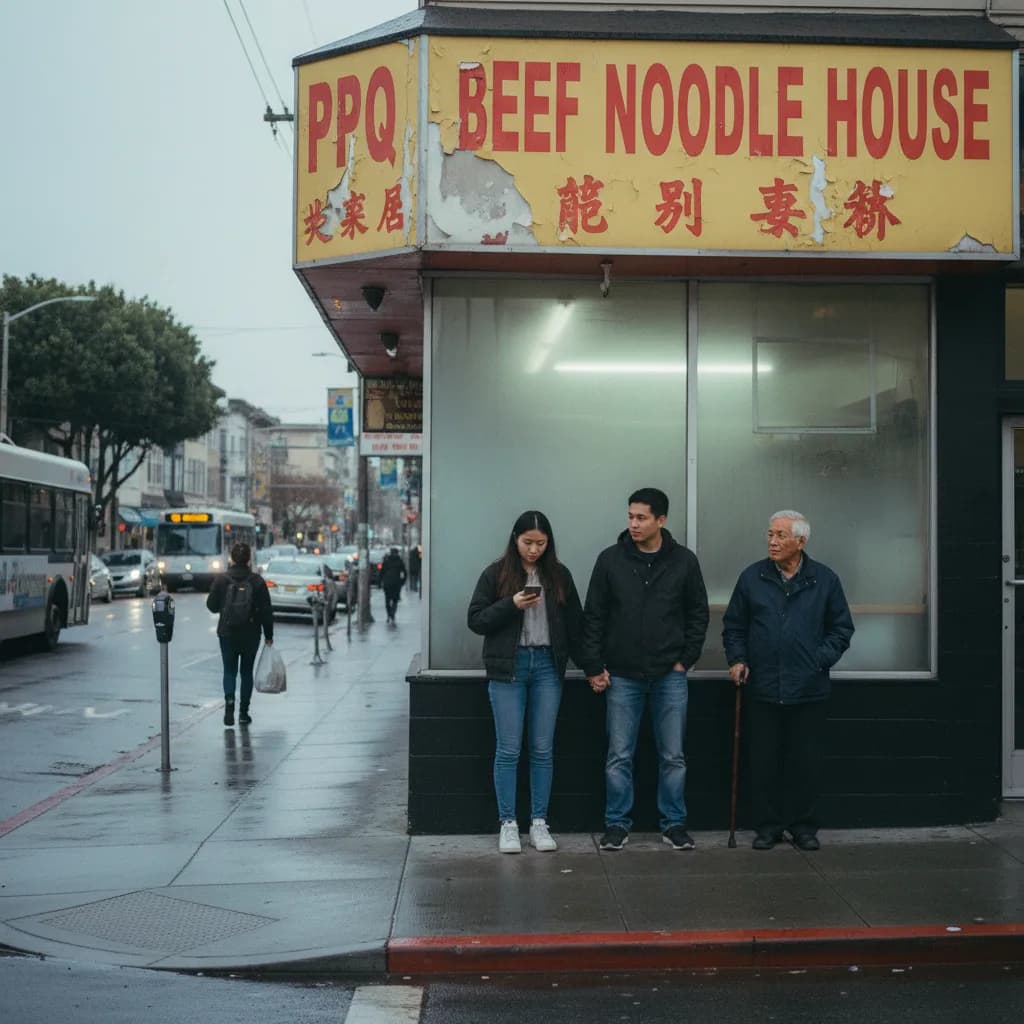
 Outer Richmond Restaurants Open Near Me: PPQ Beef Noodle House
Hidden Gems & Odd Finds

SpaceX Rocket Crashes on the Moon: San Francisco Science Stops
Turn a viral space headline into an engaging San Francisco science route, exploring the cosmos and critical thinking without falling for unverified claims.
The internet is abuzz with the phrase "spacex rocket crashes on the moon," sparking a flurry of online discussion and speculation. While the veracity of such a dramatic headline often requires careful verification, it also presents a unique opportunity, especially in a city like San Francisco, to engage with science in a meaningful way. Rather than taking viral claims at face value, this moment invites us to explore the scientific principles behind space exploration and the importance of critical inquiry. San Francisco, with its rich array of public institutions dedicated to science and learning, offers an ideal backdrop for turning a trending topic into a tangible educational journey. This guide maps out a skeptical, yet engaging, science route through the city, designed to encourage curiosity and a deeper understanding of our universe, all while navigating the nuances of unverified news.
Want to ensure a smooth, educational trip through San Francisco's science hubs? Text Karpo to verify current operating hours, reservation requirements, and any unexpected closures for this exact city plan.
Treat the Viral Space Headline as a Question
The trending phrase "spacex rocket crashes on the moon" serves as an excellent starting point for a science-focused exploration, not as a confirmed event, but as a compelling question. In an age of rapid information dissemination, discerning fact from fiction is a vital skill. San Francisco's science institutions are perfectly positioned to foster this critical thinking, allowing visitors to delve into the physics of spaceflight, the geology of the moon, and the challenges of space exploration, all without endorsing unverified headlines. Our route is designed to leverage this viral moment as a hook for genuine scientific inquiry.
This approach encourages visitors, especially families, to ask 'how do we know?' and 'what does the science say?' instead of simply reacting to a headline. It transforms a potentially misleading piece of information into a springboard for engaging with real scientific processes and understanding the complexities of space missions. By framing the viral claim as a hypothesis to be investigated, we can engage with the excitement of space news while grounding our learning in verifiable scientific principles and observations.
Start With Hands-On Physics at the Exploratorium
A natural first stop for any science-curious individual in San Francisco is the Exploratorium. Known for its interactive exhibits that demystify scientific concepts, it's an ideal place to engage with the fundamental physics that govern space travel. While the specific details of a "spacex rocket crashes on the moon" scenario are hypothetical, the principles of propulsion, gravity, and orbital mechanics are very real and beautifully illustrated here. However, before planning your visit, it's crucial to acknowledge current access issues.
Attempts to access the Exploratorium's official website resulted in a "403 ERROR" message, indicating a blocked request or server issue. This means it's currently not possible to verify operating hours, ticket information, or exhibit availability directly from their site. While the Exploratorium remains a cornerstone of San Francisco science education, any visit would require prior verification of their operational status through alternative channels. This highlights the importance of checking institutional status before setting out.
Use Randall Museum for a Free Low-Key Reset
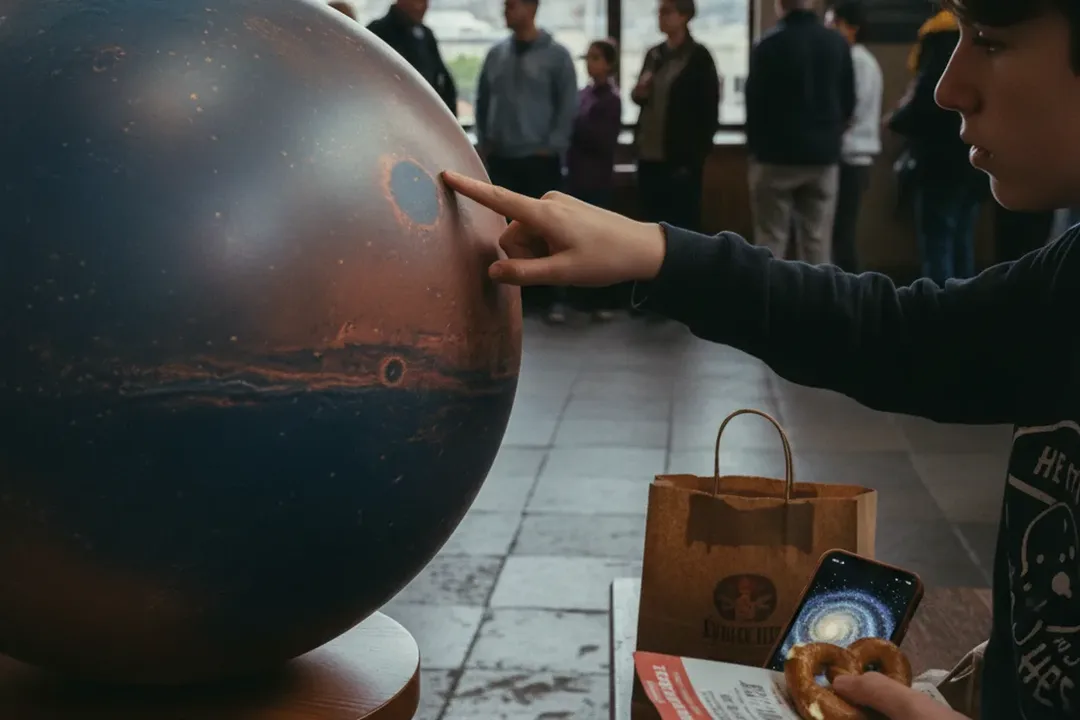
For a more grounded, accessible experience, especially if the Exploratorium remains inaccessible, the Randall Museum offers a wonderful alternative. While perhaps less focused on the grand scale of space exploration, it provides opportunities to connect with natural sciences and local ecosystems, offering a palate cleanser for the mind. Its commitment to community and hands-on learning can provide a welcome, low-pressure environment for families.
Unfortunately, like the Exploratorium, the Randall Museum's official website also presented an access issue, displaying a "Country Blocked" message. This means that direct verification of their hours, programs, or entry policies is not possible online. While known for its programming, visitors would need to confirm its operational status and access requirements through other means. This situation reinforces the need for diligent pre-visit checks to avoid disappointment, especially when planning a multi-venue route.
Reserve Morrison Planetarium as the Big Finish
To bring the celestial journey to a spectacular close, the Morrison Planetarium at the California Academy of Sciences is an absolute must-visit. This institution offers a direct, immersive experience of the cosmos, providing a powerful counterpoint to any unverified headlines. Its 75-foot dome, one of the world's largest all-digital domes, immerses visitors in cutting-edge visualizations of galaxies, planets, and spacecraft, all precisely mirroring real-world counterparts fueled by scientific data. This is where the wonder of space truly comes alive, offering a scientifically accurate and awe-inspiring perspective.
Morrison Planetarium shows, such as "Incoming!" narrated by George Takei, or "Big Astronomy," which journeys to observatories in Chile, offer rich educational content. For families, "Tiny Chef, Big Impact: The Show" provides an engaging, age-appropriate option. Free reservations are required for all shows and are available on a first-come, first-served basis. It's important to note that shows may not be appropriate for children under 7, and children under 4 are not permitted. The planetarium is open daily. Check their Daily Calendar for specific showtimes and to make those crucial reservations.
Match the Route to Budget and Attention Span
Crafting a San Francisco science route around a trending topic like "spacex rocket crashes on the moon" requires flexibility and consideration of your group's budget and attention span. Given the current website access issues for the Exploratorium and Randall Museum, the Morrison Planetarium stands out as a reliably verifiable and accessible option for direct space-themed engagement. Its free reservation system for shows, coupled with the admission cost for the California Academy of Sciences itself (which houses the planetarium), allows for flexible budgeting.
For a full day, starting with a confirmed-open Exploratorium (if access issues resolve) to cover fundamental physics, then a quick stop at Randall (if accessible) for a broader science perspective, and finally culminating in the immersive planetarium experience, offers a comprehensive journey. However, if website access issues persist, focusing solely on the Morrison Planetarium with its robust programming might be the most practical and impactful approach, ensuring a high-quality, verifiable experience without unnecessary travel or disappointment.
Check Live Programs Before Crossing the City
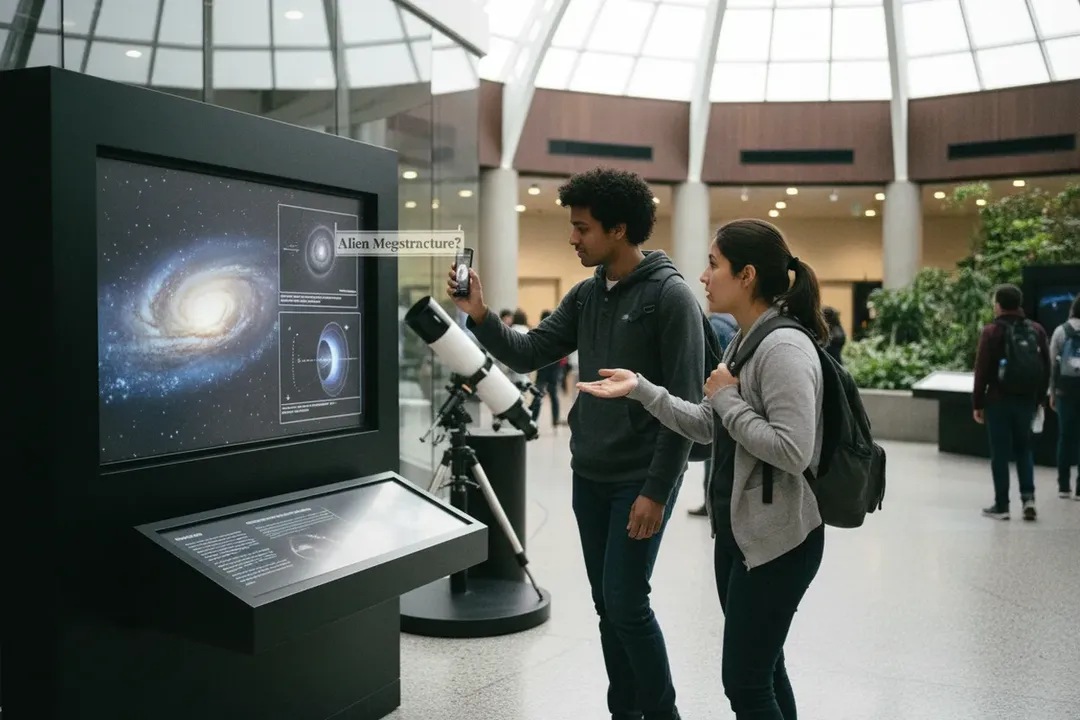
The current status of the Exploratorium and Randall Museum websites underscores a critical piece of advice for any San Francisco itinerary: always check live programs, hours, and accessibility before embarking on your journey. Relying on outdated information or assuming normal operations can lead to wasted time and frustration, especially when traversing a city like San Francisco. This is particularly vital for a time-sensitive, trending topic like "spacex rocket crashes on the moon," where institutions might adapt programming or face unexpected technical difficulties.
For the Morrison Planetarium, its website clearly states daily operating hours and the necessity of free, first-come, first-served reservations for shows. This level of detail is exactly what visitors should seek for all planned stops. Before you leave, confirm everything from special exhibitions and showtimes to potential closures or changes in entry policy. A quick call or a check of their social media channels can save significant hassle and ensure your science-filled day in San Francisco is both educational and enjoyable.
Tags: #SanFrancisco #ScienceRoute #SpaceExploration #MorrisonPlanetarium #Exploratorium #RandallMuseum #CriticalThinking #FactChecking #FamilyFunSF #BayAreaScience #HiddenGems #OddFinds #AskKarpo #BeforeYouGo
Sources consulted: exploratorium.edu · randallmuseum.org · calacademy.org
All trademarks are the property of their respective owners.
Ask Karpo first
Navigating San Francisco's dynamic attractions requires up-to-the-minute information. For the most current details on exhibit availability, reservation slots, and any unexpected operational changes at these fantastic science institutions, ask Karpo first. Your seamless, educational journey is just a query away.
Ask Karpo for more information.
Keep reading
- Outer Richmond Restaurants Open Near Me: PPQ Beef Noodle House
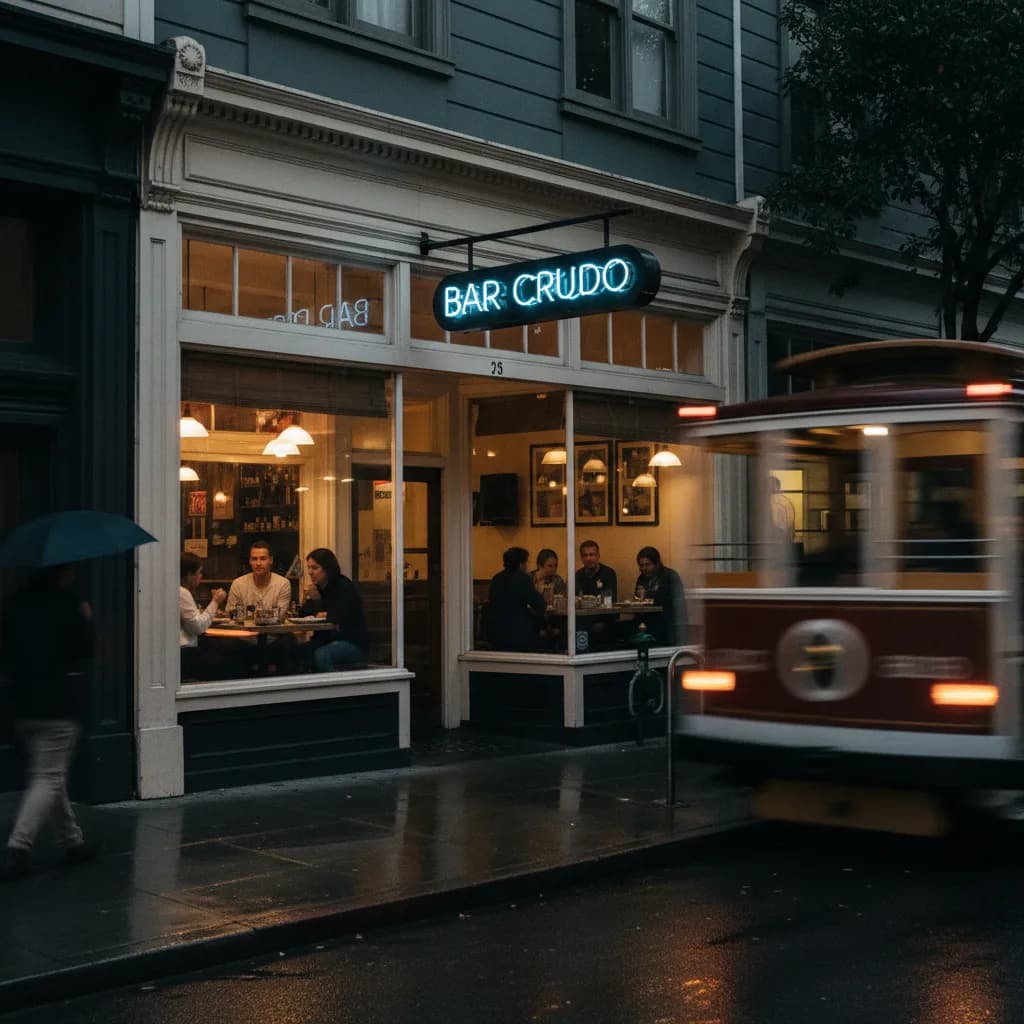 Bar Crudo Divisadero: Premier Seafood Near Me, Raw Bar Excellence
 Woodhouse Fish Co. Castro: Best Seafood Near Me, San Francisco