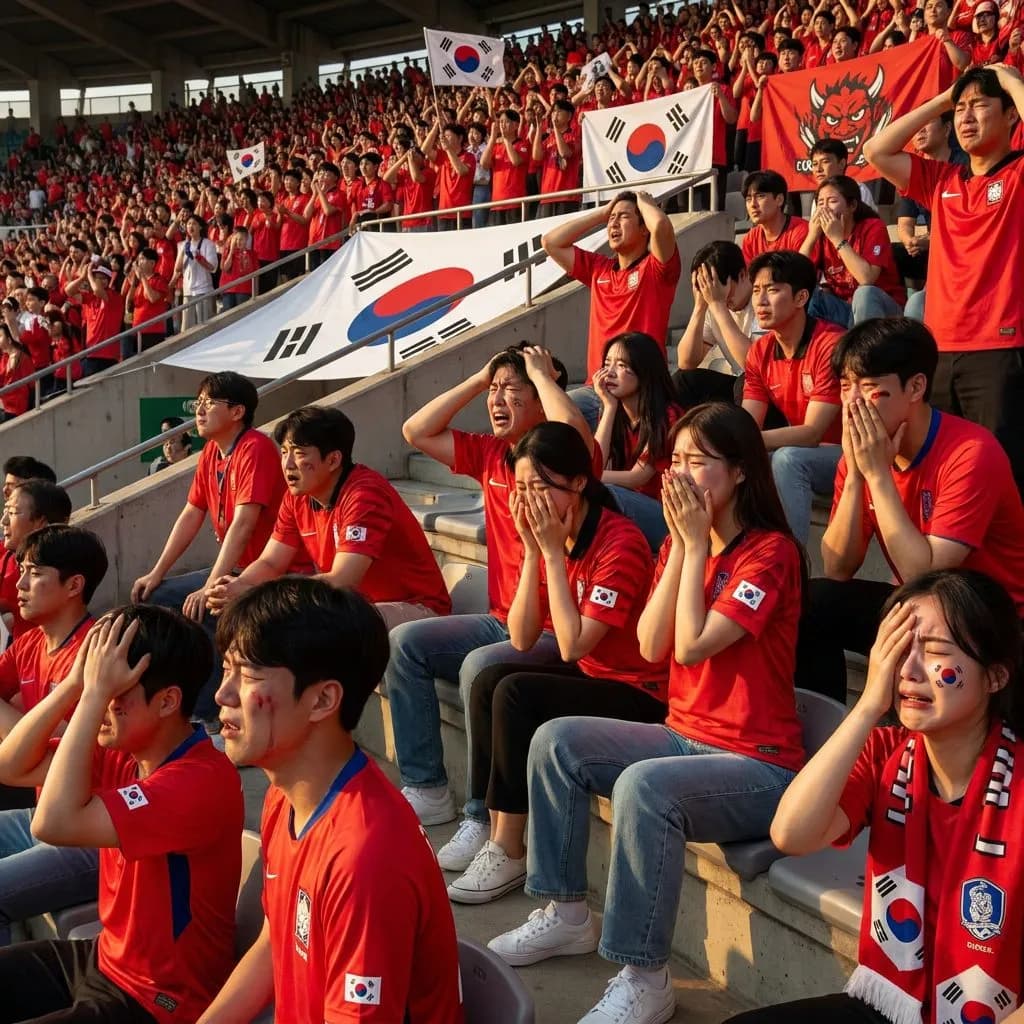
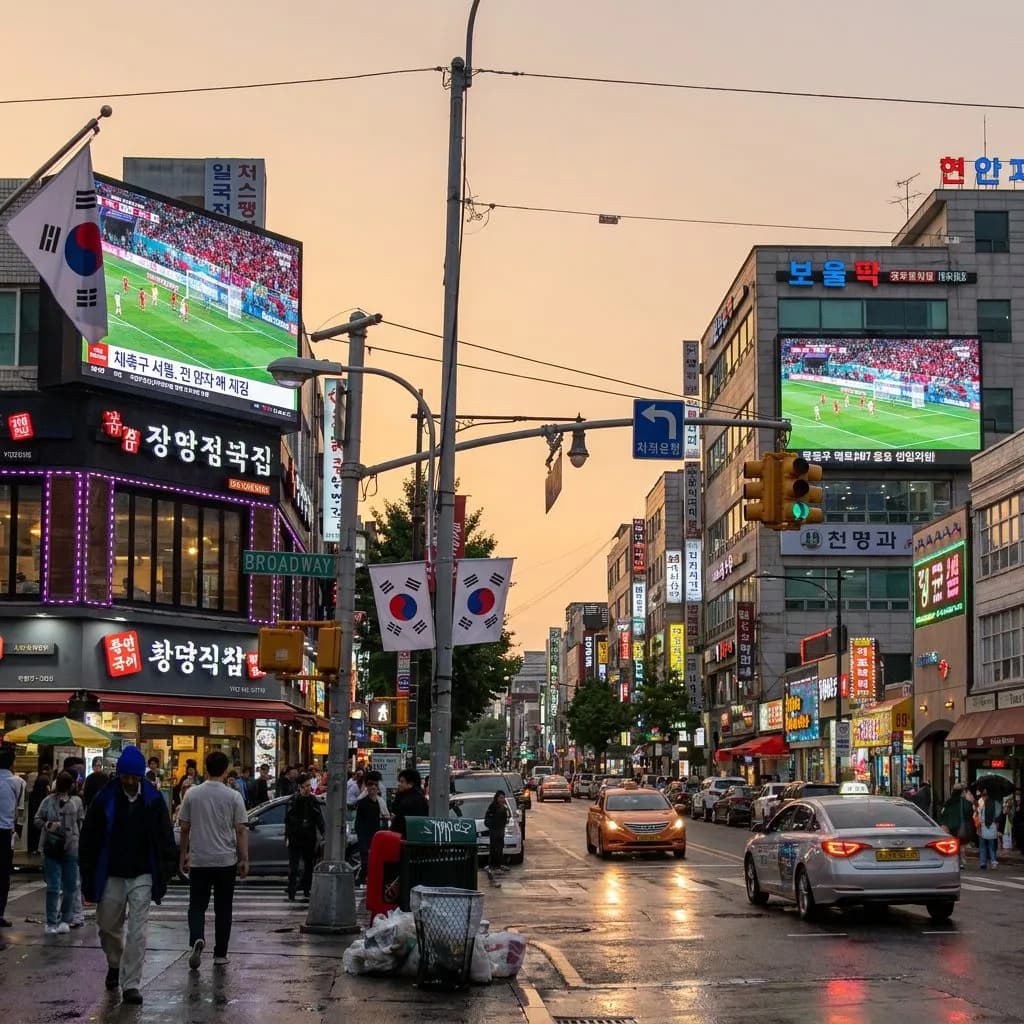
Rain lashed against the colossal screens in Seoul's Gwanghwamun Plaza, mirroring the tears of thousands. South Korea was out of the 2026 World Cup in the group stage. The dream, nurtured for four years, dissolved amidst missed chances and defensive errors. As the rain soaked their 'Taeguk Warriors' jerseys, anger simmered, soon to boil over into a national conversation, spearheaded from the highest echelons of power.
What Happened: South Korea's Group Stage Exit
South Korea entered the 2026 World Cup with a blend of veterans and young talent, a squad many believed could reach the knockout rounds. Their group was challenging but not insurmountable. An opening draw against an African side was disappointing. The second match, a narrow 1-0 defeat to a European powerhouse, left them needing a result in their final game. In this decisive third match against a highly-rated South American opponent, the wheels truly came off. Despite flashes of brilliance from their talismanic captain, the team appeared disjointed. A critical penalty decision went against them, followed by a lapse in concentration leading to another goal. The final scoreline, a two-goal deficit, sealed their fate. Statistics told a grim story: few shots on target, lack of attacking cohesion, and tactical rigidity.
The Presidential Statement Explained
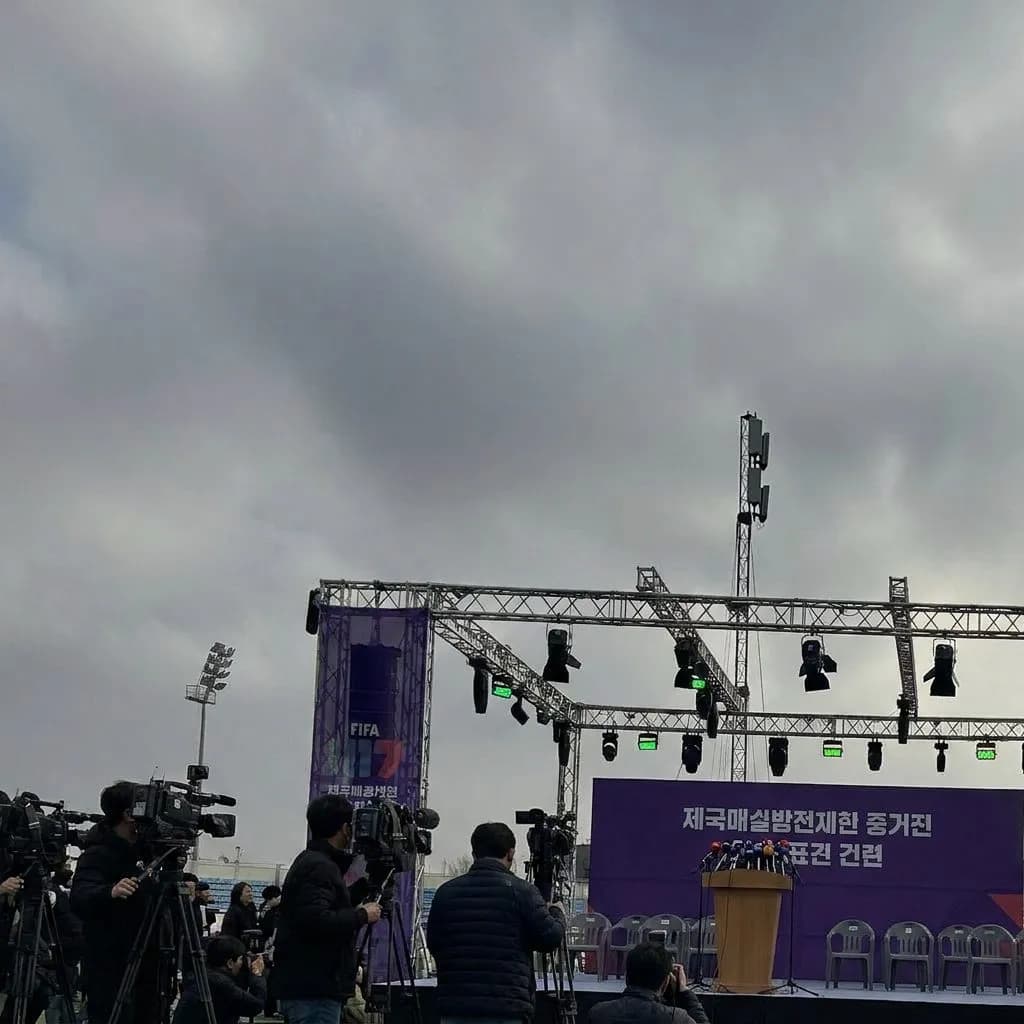
Within hours of the team's exit, the Blue House released a statement that captured national and international headlines: the South Korean President, in an unprecedented move, demanded an investigation into the early World Cup exit. This was not mere disappointment; it was a directive of significant political weight. Sources close to the President indicated motivation from profound national disappointment, considerable public funds invested in the national football program, and perceived lack of accountability within the Korea Football Association (KFA). The presidential statement cited "failure to meet national expectations" and ordered a full review of the team's preparation, strategy, and decision-making processes. This dramatic intervention signaled that the nation's sporting performance on a global stage is a matter of national importance. The directive was widely interpreted as a direct response to escalating public outcry.
Fan Reaction Across South Korea and Abroad
The immediate aftermath saw an outpouring of emotion. On online forums, #월드컵2026침묵 (WorldCup2026Silence) trended, reflecting betrayal. Petitions to the KFA chairman garnered hundreds of thousands of signatures, demanding accountability. Fan groups organized impromptu gatherings outside KFA headquarters, calling for resignations. One protest saw thousands lay 'jerseys of shame' on the KFA building steps. The anger wasn't confined to the peninsula. Korean diaspora communities in Los Angeles, New York, and London also voiced frustration, sharing stories of staying up late to watch matches, only to be met with disappointment. Many overseas fans expressed longing for the fighting spirit of past campaigns. The perceived lack of effort and strategic direction fueled criticism, amplified by the President's official inquiry.
Coaching Controversy and Tactical Questions
Head Coach Kim Min-jun, a respected figure, found himself at the epicenter of the storm. His tactical choices, particularly puzzling substitutions in the do-or-die third group stage match, came under intense scrutiny. An insider revealed "significant disagreements" between Coach Kim and his assistant coaches regarding player selections and formation strategies. It was rumored that the coach's preference for a rigid 4-4-2 formation stifled creative players. Questions were raised about the team's physical conditioning; multiple players appeared to fatigue rapidly. Critics pointed to the consistent underutilization of a highly-rated young midfielder. The presidential investigation is expected to delve deeply into these coaching decisions and the overall management of the squad.
Historical Context: South Korea's World Cup Legacy
South Korea boasts an extraordinary World Cup legacy, particularly in AFC. They are the most successful Asian team in World Cup history, participating in eleven tournaments, including a historic run to the semi-finals on home soil in 2002. That semi-final appearance, under Guus Hiddink, transformed the nation's football landscape. Since then, they have consistently been competitive, reaching the round of 16 in 2010 and 2022. The expectation is rooted in a proven track record. This historical context makes the 2026 group stage exit all the more shocking and unacceptable. The 2002 campaign, often invoked, serves as a stark contrast to the perceived lack of spirit and tactical acumen in 2026. The presidential impetus to investigate is, in part, a drive to understand why a nation with such a rich footballing heritage could falter so spectacularly.
Practical Notes
As the presidential investigation ramps up, the immediate future of South Korean football remains uncertain. The KFA chairman has tendered his resignation, pending the outcome of the inquiry. Key figures within the national team setup are expected to provide testimony. Fans are advised to monitor official KFA and Blue House channels for updates. For those planning to travel to future international matches, check ticketing and fan travel guidelines. The footballing world watches keenly as South Korea grapples with this setback, a painful learning experience for a football-mad nation. The question now isn't merely who is to blame, but how the country plans to rebuild and reclaim its place among Asia's elite, ensuring that such an early exit doesn't become a recurring nightmare.
Tags: #WorldCup2026 #FIFAWorldCup #SouthKoreaFootball #KFA #FootballInvestigation #PresidentialDecree #TeamKorea #AsianFootball #WorldCupExit #SeoulSports #KoreanCulture #FanProtest #FootballCrisis #SportsScandal #WorldCupHeartbreak
Sources consulted: fifa.com · metlifestadium.com
All trademarks are the property of their respective owners.
Ask Karpo First
Curious about the details of the presidential investigation, how South Korea's exit compares to past World Cup performances, or where Korean fan communities are processing the result? Ask Karpo for the latest updates on the investigation, historical World Cup stats, and community discussion spaces.