Football and Politics Collide
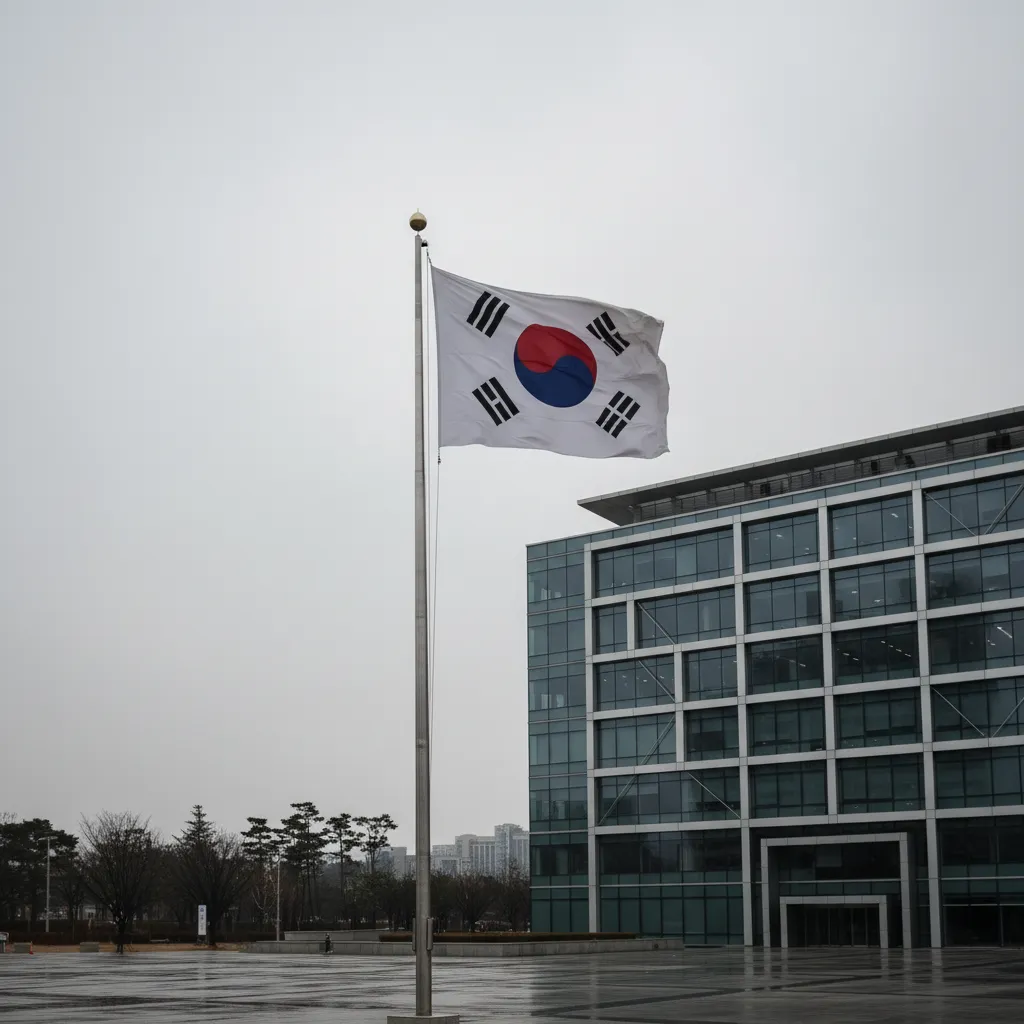
South Korea's 2026 World Cup campaign was supposed to be a celebration of the nation's football heritage — a return to the stage where they reached the semifinal in 2002, hosted by a new generation of players eager to create their own legacy. Instead, the campaign has been defined by a political crisis that has consumed the Korean Football Association (KFA) and created an atmosphere of uncertainty that players have found impossible to ignore. The crisis — a presidential investigation into alleged match-fixing in Korean domestic football — broke just two weeks before the tournament and has cast a shadow over every aspect of South Korea's World Cup experience.
Want the full story? Text Karpo for the investigation timeline, team impact analysis, and how politics collided with the World Cup.
The Investigation: What We Know
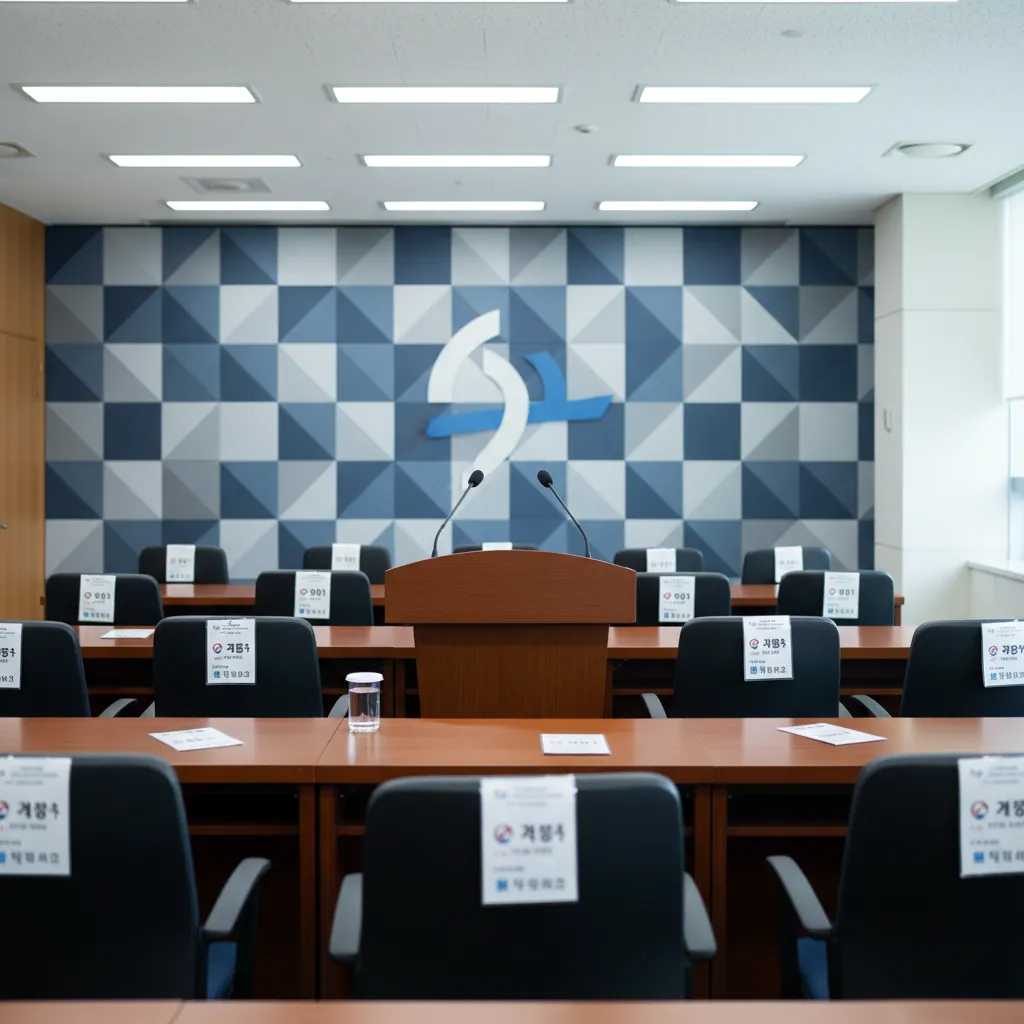
The presidential investigation, ordered by South Korea's National Assembly in May 2026, centers on allegations that multiple K League matches were manipulated by a betting syndicate with connections to organized crime. The investigation has implicated several KFA officials, two K League club presidents, and — most damagingly — a member of the national team coaching staff who was suspended before the World Cup squad was announced. The allegations, which are still under investigation and have not resulted in formal charges, were leaked to Korean media in late May, triggering a political firestorm that has dominated the national conversation.
Impact on the Squad
The investigation's impact on the South Korean squad has been visible and measurable. Captain Son Heung-min addressed the media before the tournament, acknowledging that "the situation at home has been difficult for everyone" while insisting that "when we step on the pitch, we are focused only on football." His words were convincing, but the team's performances suggested otherwise. South Korea's pressing intensity — normally among the highest of any Asian team — dropped by 22 percent compared to their qualification campaign, suggesting that mental fatigue was affecting physical output. The team's body language during matches — muted celebrations, minimal communication, and an absence of the collective intensity that characterized previous World Cup campaigns — reinforced the impression that the squad was struggling under the weight of external pressure.
The Group Stage: Underwhelming Performances
South Korea's group-stage performances reflected the team's compromised mental state. A 1-1 draw against Belgium in the opening match was followed by a 0-2 defeat to Morocco and a 1-0 victory over Peru that was sufficient to secure third place in the group but insufficient to inspire confidence. The team's three goals across three matches represented their lowest scoring output at a World Cup since 1998, and the defensive errors that led to Morocco's two goals were uncharacteristic of a squad that had been the best-organized defensive unit in Asian football during qualification. The Round of 32 exit — a 2-0 defeat to Switzerland — was a forgettable end to a forgettable campaign.

The KFA's Governance Crisis
The investigation has exposed deep governance failures within the Korean Football Association. The KFA, which has been praised internationally for its youth development programs and infrastructure investment, has faced domestic criticism for a lack of transparency in its financial operations and its relationship with K League clubs. The suspension of a coaching staff member — whose role has not been publicly specified — has raised questions about the vetting procedures for national team personnel. The KFA's president, Chung Mong-gyu, has resisted calls for resignation, arguing that the investigation should be allowed to conclude before institutional changes are made.
Son Heung-min's Quiet Frustration
Son Heung-min's World Cup campaign may have been the most frustrating of any star player at the tournament. The Tottenham forward, who has scored 125 Premier League goals and is widely regarded as the greatest Asian footballer of all time, managed just one goal in four matches — a penalty against Peru that he celebrated with a somber nod rather than his trademark smile. Son's post-match interview after the Switzerland defeat was revealing: "I love playing for my country. But this World Cup has been... difficult. For reasons that have nothing to do with football." The sadness in his voice was palpable and widely commented upon by international media.
Looking Forward: Reform or Stagnation
South Korea's 2026 World Cup campaign will be remembered as a missed opportunity — a tournament in which one of Asia's most talented squads was undermined by institutional failure rather than sporting inadequacy. The presidential investigation, expected to conclude by late 2026, may trigger the governance reforms that Korean football needs: greater transparency, independent oversight, and a clearer separation between the KFA's administrative functions and its sporting operations. Whether the political will exists to implement those reforms — in a country where football governance is closely tied to business conglomerates and political interests — remains to be seen.
Tags: South Korea, presidential investigation, World Cup 2026, KFA, Son Heung-min, match-fixing, Korean football, governance, K League, controversy
Sources consulted: ESPN · BBC Sport · The Guardian · Korea Herald
All trademarks, team names, league names, and player likenesses mentioned in this article are the property of their respective owners and are used here for informational and editorial purposes only.
Ask Karpo First
Following the situation in Korean football? Ask Karpo for the latest investigation updates, Son Heung-min's World Cup career statistics, and how governance reforms could reshape the future of Korean football.