When Football and Politics Collide
South Korea's exit from the 2026 World Cup group stage was painful but not historically unusual — the Taegeuk Warriors have been eliminated in the group stage at four of their last six World Cups. What was unusual was the response from the highest office in the land. Within hours of South Korea's elimination, President Yoon Suk-yeol issued a public statement calling for a "comprehensive investigation" into the Korean Football Association (KFA), citing "systematic failures in preparation, squad selection, and tactical planning." The statement sent shockwaves through Korean politics, media, and sport.
The On-Field Context: What Went Wrong
South Korea's group-stage campaign was underwhelming but not catastrophic. They drew 1-1 with Peru, lost 2-0 to Spain, and beat New Zealand 2-1 — finishing fourth in their group and missing out on the Round of 32 by a single goal on goal difference. Son Heung-min provided four assists across three games but could not find the net himself. The tactical setup under manager Jurgen Klinsmann was criticized for being too conservative against Peru and too aggressive against Spain. The squad selection also drew scrutiny — the omission of several K League-based players in favor of European-based alternatives who were short of fitness raised eyebrows.
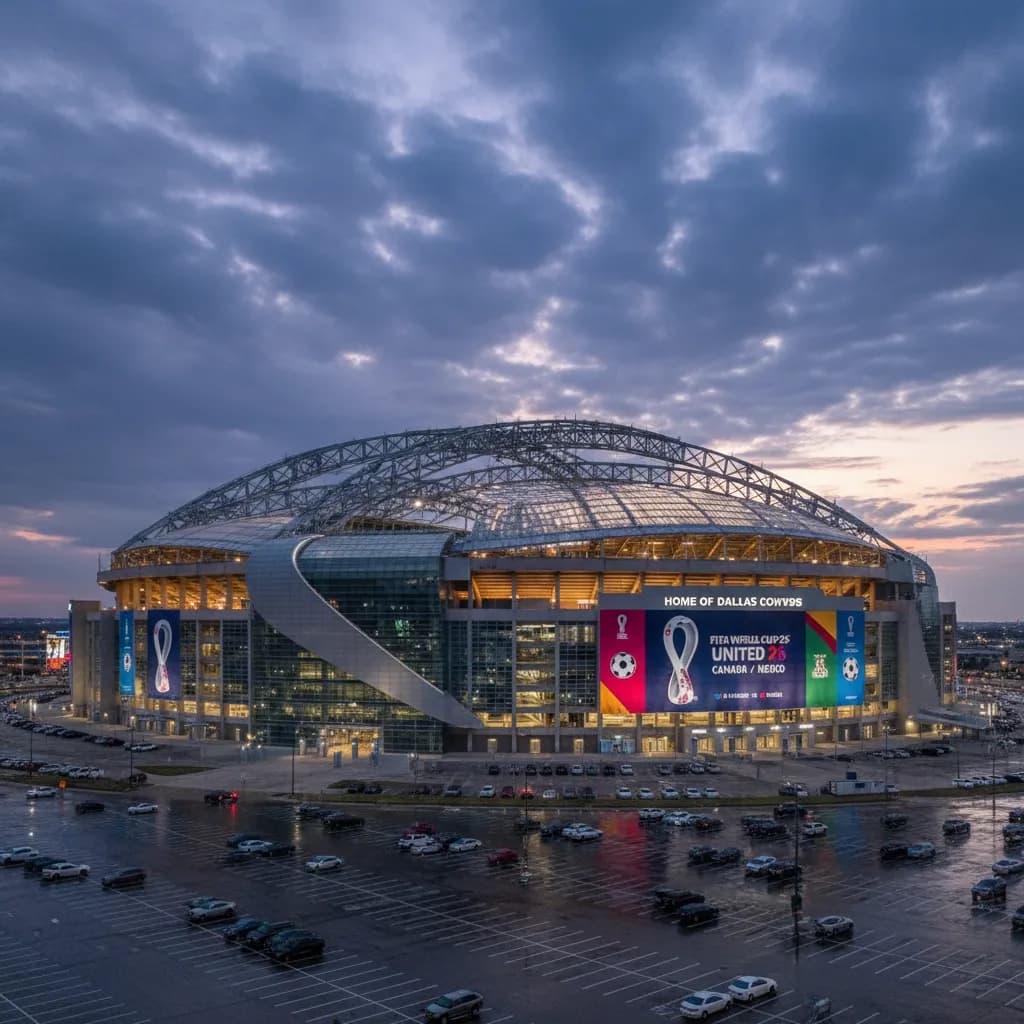
The President's Statement Crossed a Line
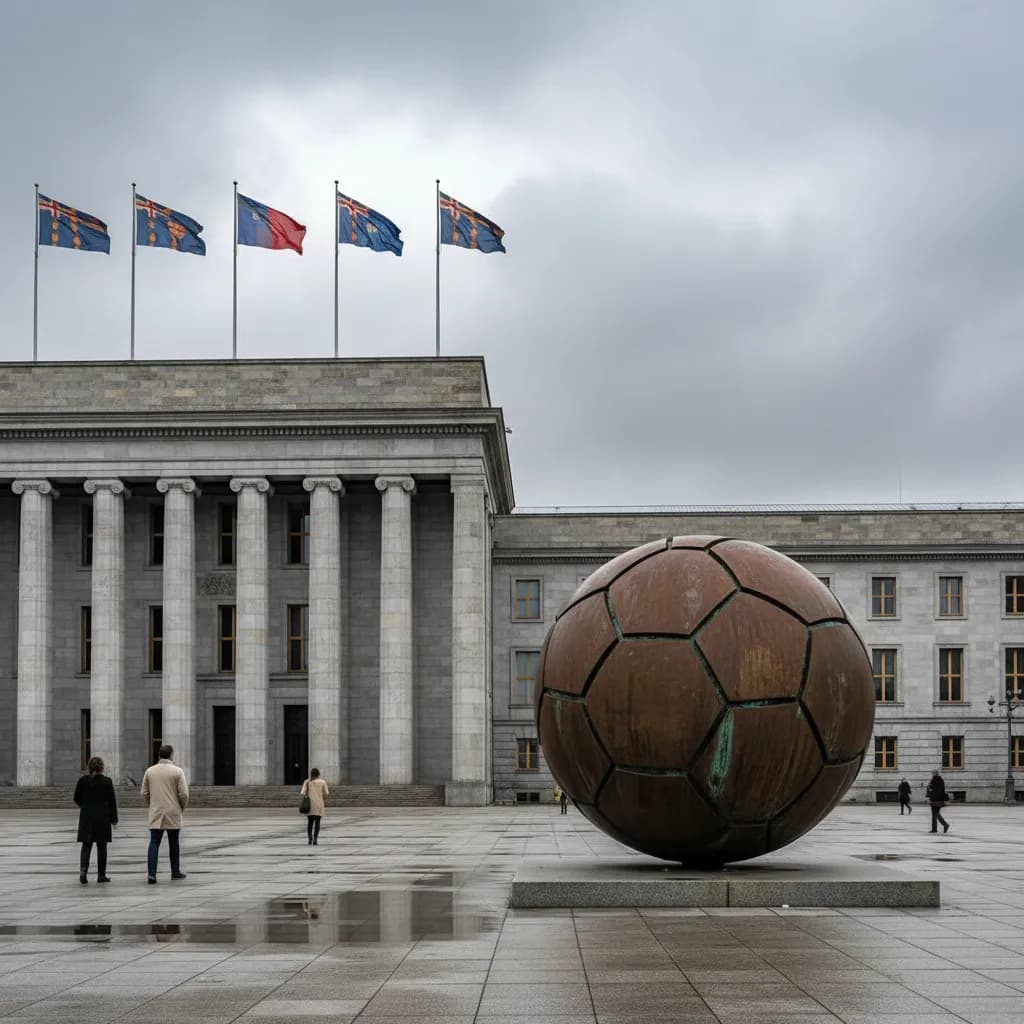
Yoon's statement was unprecedented in the relationship between the Korean government and its football association. While South Korean presidents have historically shown public interest in the national team's World Cup performances, direct calls for investigation into the governing body's operations represent a new level of political interference. FIFA's statutes explicitly prohibit government interference in national football associations, and the statement triggered immediate warnings from FIFA that South Korea could face suspension from international competition if political interference continued.
The KFA's Response Was Defiant
The Korean Football Association responded with a carefully worded statement defending its autonomy and rejecting political interference. KFA president Chung Mong-gyu — himself a political figure with connections to the ruling party — walked a diplomatic tightrope, thanking the president for his concern while asserting the association's independence. Behind the scenes, the tension was more acute: KFA officials privately expressed anger at what they saw as an attempt to scapegoat football administrators for broader political failures. Yoon's approval ratings had been declining for months, and critics suggested the football investigation was a distraction tactic.
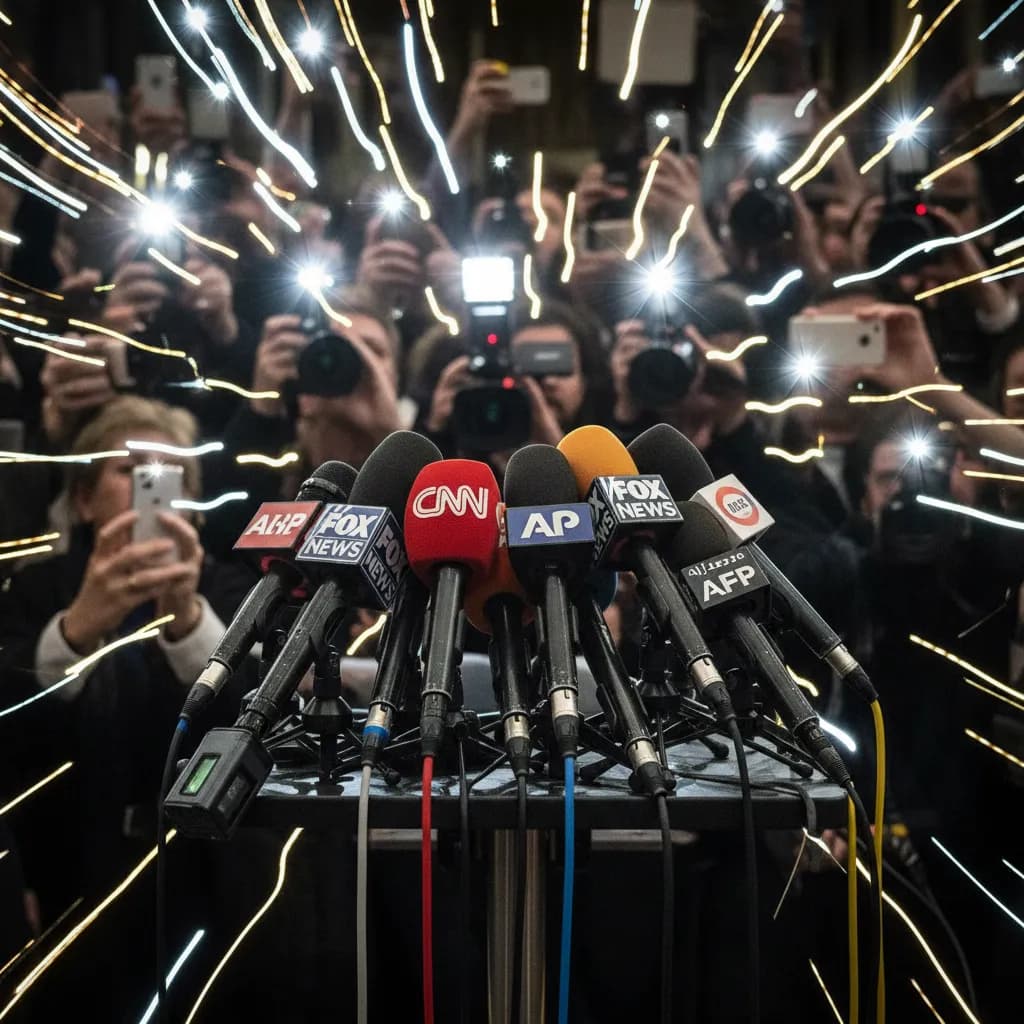
Son Heung-min's Diplomatic Response
Son Heung-min, South Korea's captain and most recognizable athlete, was asked about the president's statement in a post-match press conference. His response was a masterclass in diplomacy: "I am a footballer. I focus on what happens on the pitch. I respect all institutions and I know everyone wants the best for Korean football." The statement was widely interpreted as a subtle rebuke of political interference, delivered without directly criticizing the president. Son's popularity in Korea — he is consistently ranked as the most admired public figure — gave his words particular weight.
The Broader Pattern of Political Interference in Asian Football
South Korea is not the first Asian nation to see political interference in football governance. The Chinese Football Association has been repeatedly restructured by government order. The Indian football federation was suspended by FIFA in 2022 due to political interference. Saudi Arabia's Vision 2030 program has transformed its domestic league through state-directed investment. The pattern raises fundamental questions about the relationship between government and sport in societies where football is seen as a matter of national prestige.
What Happens Next
FIFA has opened a monitoring case on the situation, with a delegation expected to visit Seoul in the coming weeks. If the investigation into the KFA proceeds with government involvement, FIFA could suspend South Korea from international competition — a sanction that would prevent them from participating in the 2027 Asian Cup qualifiers. The most likely outcome is a diplomatic resolution: the president's office will quietly step back, the KFA will announce voluntary reforms, and football will return to the pitch where it belongs. But the episode has exposed the fragility of football's political independence in a country where the World Cup is not just a tournament but a matter of national identity.
Tags: World Cup 2026, South Korea, president investigation, Yoon Suk-yeol, Korean Football Association, Son Heung-min, political interference, FIFA, group stage elimination, Asian football
Sources consulted: ESPN · FIFA · Al Jazeera
All trademarks, team names, league names, and player likenesses mentioned in this article are the property of their respective owners and are used here for informational and editorial purposes only.
Ask Karpo First
Want to stay updated on World Cup political developments and find Korean restaurants near tournament venues? Ask Karpo for the latest team news, a guide to Korean BBQ near AT&T Stadium, and cultural events in Dallas.