Socrates Sculpture Park occupies five acres of former industrial waterfront in Astoria, transformed in the 1980s from an abandoned landfill into one of the city's most quietly compelling outdoor art spaces. The park's appeal lies less in institutional polish than in its raw materials: an open lawn punctuated by large-scale sculptures, a gravel shore meeting the East River, and sight lines that layer Roosevelt Island against the Queensboro Bridge. It remains one of the finest free things to do in Queens for anyone seeking art in a landscape context, without the mediation of walls or admission desks.
The Lawn and Rotating Installations
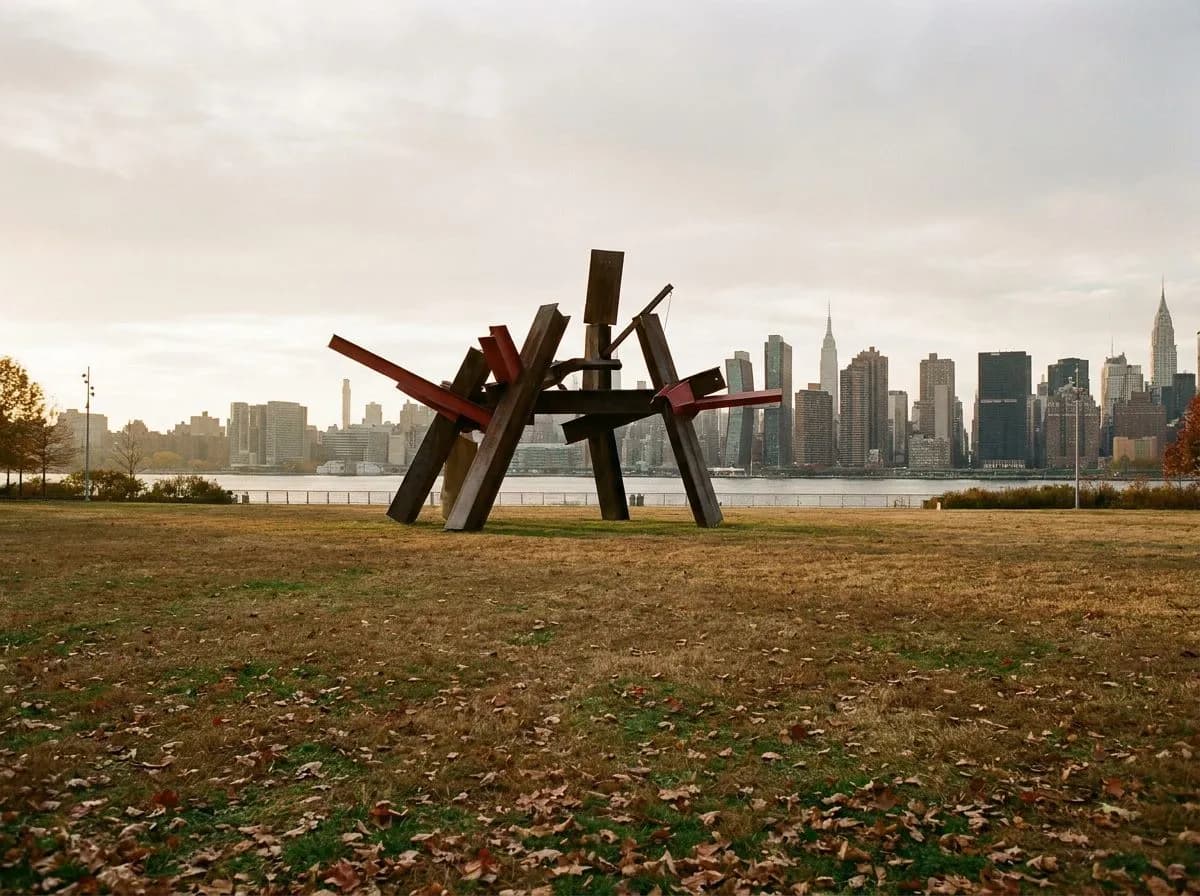
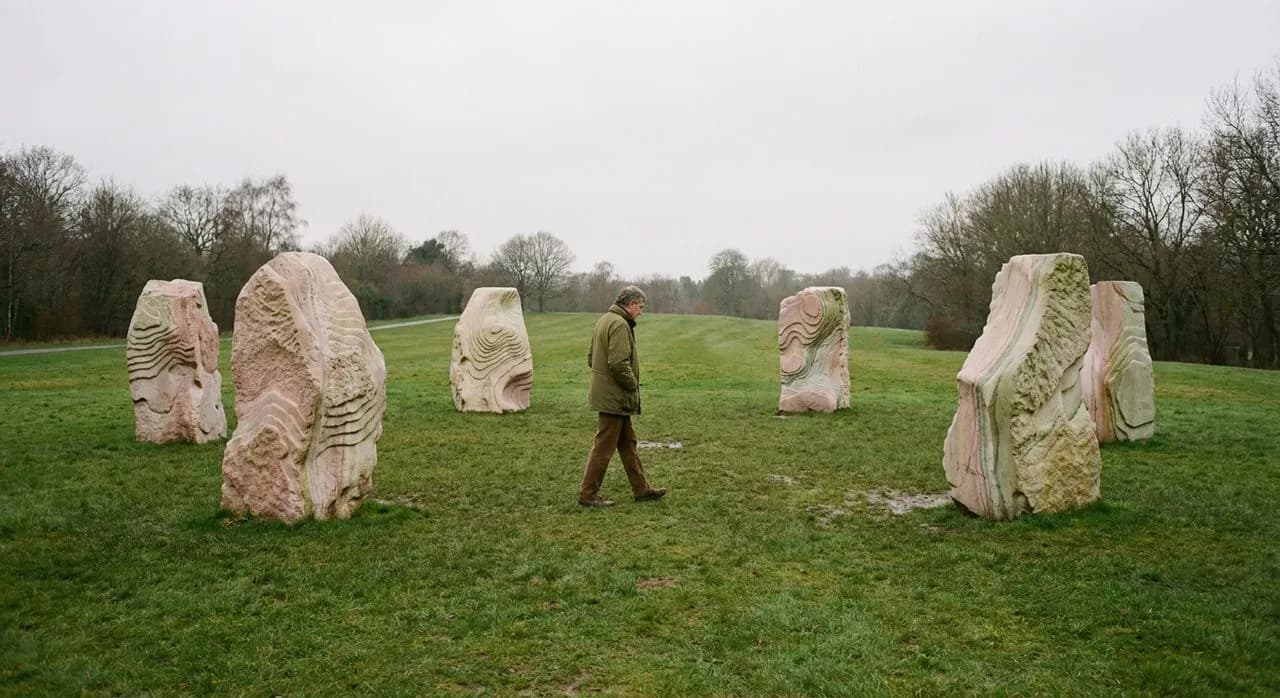
The park's central lawn sprawls unevenly, dotted with contemporary sculptures that rotate twice annually in spring and fall. Installations range from welded steel forms to kinetic pieces that catch river wind, from painted wood assemblages to site-specific earthworks. The work changes enough to reward repeat visits, yet the landscape itself—flat, open, backed by industrial Astoria and the water—provides continuity. Scale matters here. Pieces that might feel cramped in a gallery courtyard breathe against the river and sky. The exhibition model prioritizes emerging and mid-career artists, giving the space an experimental energy distinct from more established sculpture venues. Works interact with their environment directly—salt air accelerates patina, wind tests structural engineering, weather becomes collaborator.
The quietest visit windows fall in the two weeks immediately after installation, when the new works have just landed but crowds haven't yet discovered them. The park avoids the scrum of more trafficked cultural sites; even during busy weekends it rarely feels congested. Late afternoon light in fall slants low across the lawn, casting long sculpture shadows toward the water. Summer brings humidity and the particular green of mown grass against concrete and gravel. These seasonal rhythms affect not just visitor comfort but how the artwork itself appears—winter's stark light reveals form differently than summer's haze.
Early Morning Rhythm
Socrates Sculpture Park is open daily, with hours tied to sunrise and sunset and seasonal variations posted by the park. Weekends see the most traffic, particularly mid-morning when group visits and yoga classes populate the lawn. Arrive before nine in the morning on Saturdays or Sundays to claim the space in relative solitude. The park at dawn has a different character: dew on the grass, softer light, the river still and glassy before boat traffic picks up. Morning air carries less of the industrial smell that can build by afternoon when the sun heats asphalt and river alike.
Early visits also mean encountering the sculptures without interpretive crowds, allowing for slower looking. You notice details—weld seams, surface patina, the way a piece sits on its plinth or anchors into the ground. By ten-thirty the lawn begins to fill with picnickers, families, and weekend exercisers, which is fine but changes the quality of attention available. The park transforms from contemplative space to social one, both modes valid but offering different experiences of the same five acres.
The Gravel Shore and Bridge Sight Lines
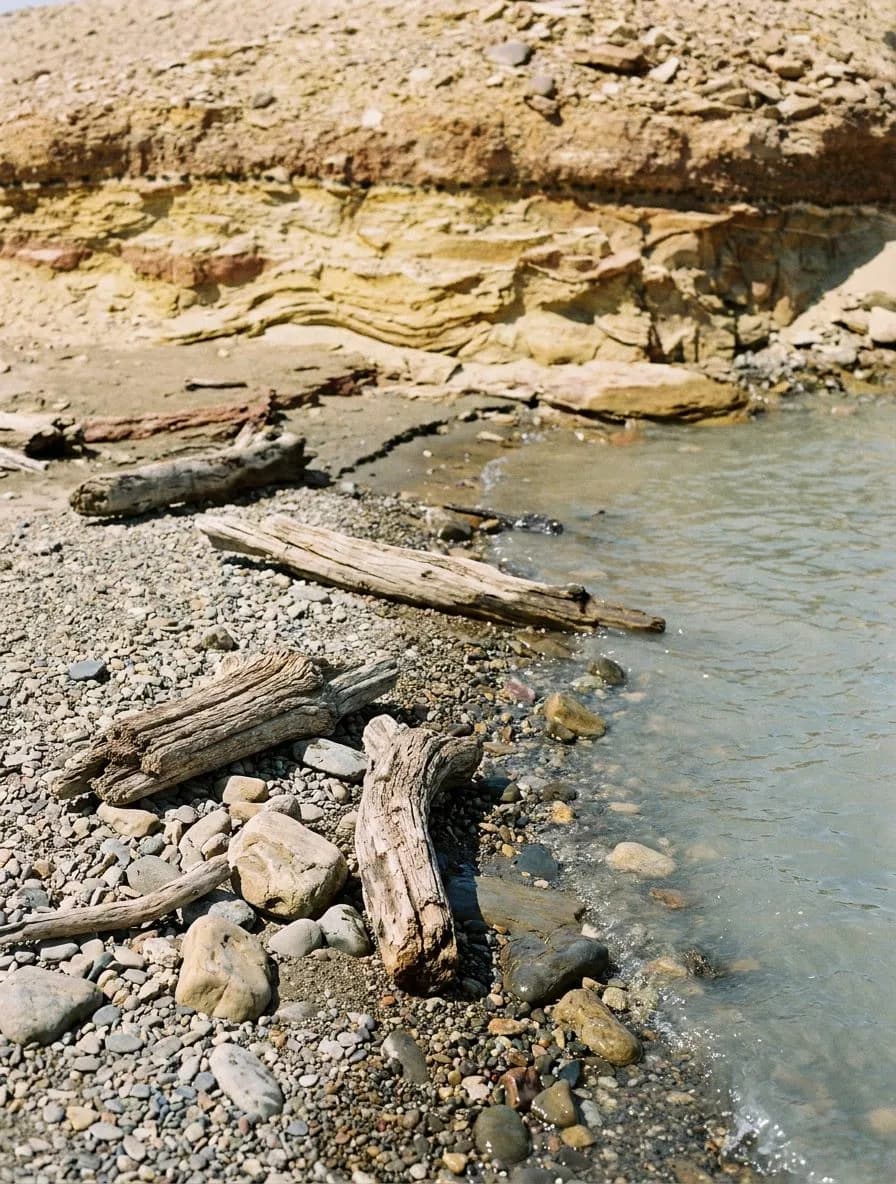
At the park's northern edge, the lawn gives way to a gravel shoreline where the East River laps against rounded stones. This stretch offers a clear ground-level view of the Queensboro Bridge's undercarriage framed by Roosevelt Island, a sight line unavailable from most Manhattan or Queens vantage points. The bridge's steel latticework appears in full structural detail, layered against the island's residential towers and, beyond, the Midtown skyline. The engineering becomes legible in a way it never does when you're crossing the span itself—the diagonal bracing, the rivet patterns, the way load transfers through connected members.
The shore itself is contemplative infrastructure—not a beach, but a permeable edge where river, stone, and city meet. Gulls work the waterline. Small waves generated by passing ferries arrive in delayed sets. The gravel crunches underfoot, and the air smells faintly of salt and diesel. On clear days the light off the water is sharp; in fog or low cloud the bridge softens into gray tones. It's a spot for sitting on a flat rock, watching barge traffic, or simply letting the view settle.
Material Texture and Seasonal Shifts
The park's materials register seasonal change more vividly than manicured green spaces. Late fall brings bare branches from the scattered trees, mud where lawn meets gravel, and a particular slant of light that throws sculptures into high contrast. Winter strips the site to its bones—raw, cold, austere. Spring greens the lawn quickly and brings migratory birds to the shoreline. Summer can be hot and exposed; the lack of shade is real. Carry water, wear a hat.
The gravel shore retains the day's heat longer than the grass, making it pleasant for evening visits in cooler months. Metal sculptures respond to temperature—cold to the touch in winter, sun-warmed in August. The park's industrial bones never fully disappear beneath the greenery, which is part of its honesty.
Sound and Sensory Layering
The park's soundscape layers industrial, natural, and urban elements in ways that shift with wind direction and time of day. East River current creates a low ambient wash, punctuated by ferry engines, helicopter passes heading to or from Manhattan heliports, and the distant hum of traffic from the Queensboro Bridge. Gravel underfoot provides constant acoustic feedback—the crunch and shift of stones marking each step along the shore. On the lawn, grass muffles sound, creating pockets of relative quiet even when visitors are present.
Gulls call overhead, their cries mixing with the occasional bark from dogs walking the waterfront path. When wind picks up off the river, kinetic sculptures respond audibly—metal components tapping, fabric pieces snapping, moving parts creaking. These sounds integrate with the work itself, making the audio environment part of the art experience. Early morning and late evening offer the clearest soundscapes, when traffic noise recedes and individual elements become distinct rather than blurred into urban background.
The Astoria Context
Socrates Sculpture Park sits in a transitional zone of Astoria, where residential blocks meet waterfront industry and new development. The neighborhood's density and diversity give the park a local-use quality absent from more tourist-oriented art destinations. You'll see regulars walking dogs, teenagers on the lawn, older Greek and Egyptian residents, newer arrivals from across the city. It's public space functioning as designed—open, accessible, unpoliced in tone.
The park programs events throughout the year—artist talks, outdoor cinema, performances—but its core value lies in simply being open. No tickets, no timed entry, no membership required. The waterfront path continues north toward Astoria Park and south toward other industrial-edge green spaces, making Socrates a natural stop on longer walks. Astoria's dining scene clusters a few blocks inland; after a visit, options abound for Greek, Egyptian, Brazilian, and other cuisines.
Practical notes
Socrates Sculpture Park is located at 32-01 Vernon Boulevard, Astoria, Queens. Nearest subway: N or W to 36th Avenue or 30th Avenue, then a walk west toward the river. Street parking is available on surrounding blocks. Hours run daily from dawn to dusk; check the park's website for seasonal variations. The site is largely flat and accessible, though the gravel shore presents uneven footing. Bring sun protection, water, and layers depending on season. Benches are limited; a blanket for the lawn is useful. No food vendors on-site; pack snacks or plan for nearby Astoria options. Free admission always.
Tags: #SocratesSculpturePark #AstoriaQueens #EastRiverfront #OutdoorArt #QueensboroView #NYCParks #FreeAndFine #SculptureGarden #WaterfrontWalks #RooseveltIsland #ArtInPublicSpace #QueensFinds #NYCFall2026 #CityAtTheEdge #FreeThingsToDo
Sources consulted: Socrates Sculpture Park - Wikipedia · Socrates Sculpture Park Official Site · NYC Parks - Socrates Sculpture Park · MTA Trip Planning & Maps · Astoria, Queens - Wikipedia
All trademarks are the property of their respective owners.