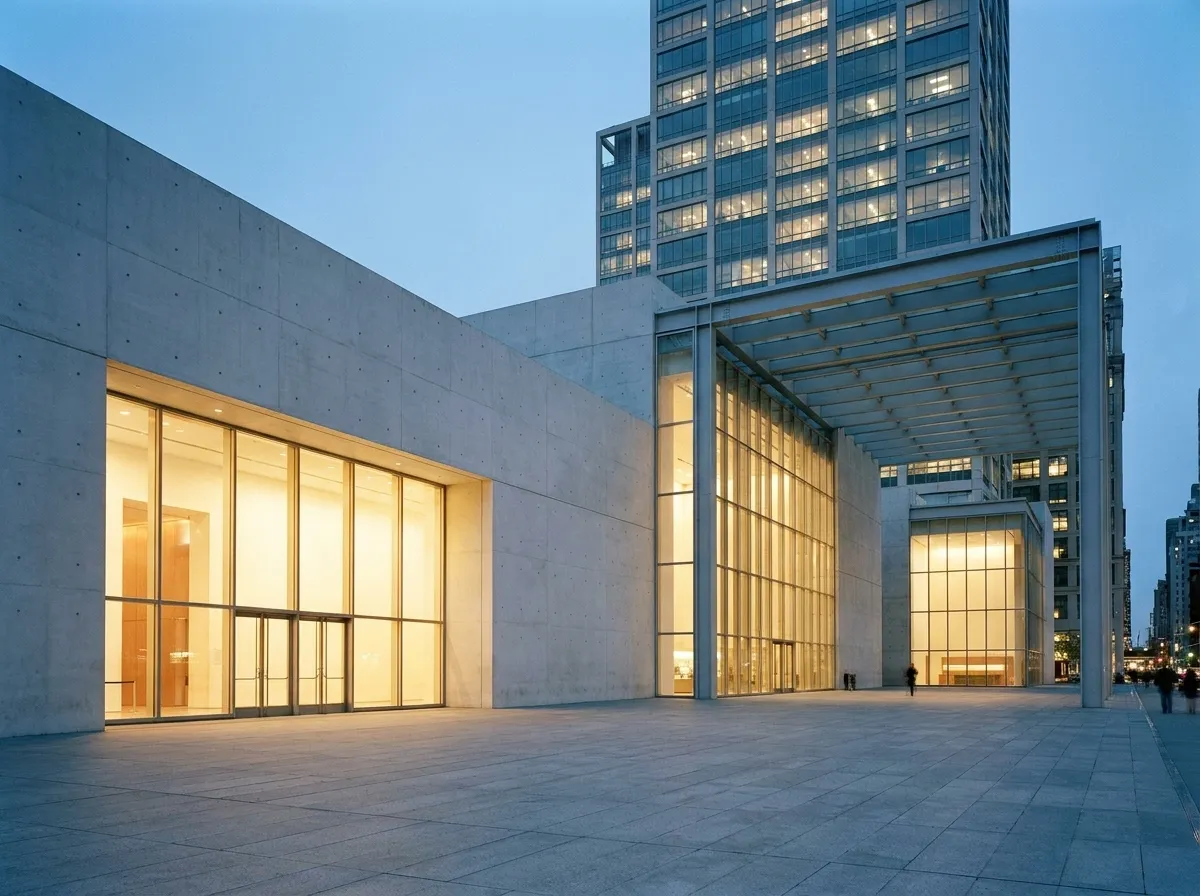
On a hot July afternoon in Lower Manhattan, the National Museum of the American Indian is useful in a way many free stops are not. It is indoors, Smithsonian-run, ticket-free, and set inside the Alexander Hamilton U.S. Custom House at One Bowling Green, so it works as both a museum visit and an architecture pause. As of July 16, 2026, the museum lists daily hours of 10 AM to 5 PM, except December 25, with admission always free and no tickets required. That makes it a strong reset for a downtown visitor, FiDi worker, family with an older kid, or anyone choosing air-conditioning over another punishing park walk.
Want a fast read on whether this fits your afternoon? Text Karpo with your location, time window, heat tolerance, and whether you need elevators, quiet, or kid-friendly pacing.
Why This Works In July
The practical advantage is not just that the museum is free. It is a Smithsonian site with substantial ongoing exhibitions, security screening, restrooms, seating moments, and a building that rewards a slower look. On July 16, current reporting described New York dealing with heat, humidity, and wildfire-smoke air quality concerns, which makes a flexible indoor plan more valuable than a long waterfront loop. Treat this as a downtown cooldown with content, not as a lobby stop.
The fit is strongest when you have 45 to 90 minutes between lunch and evening plans. You can enter without timed tickets, build the visit around one or two galleries, and leave without feeling you wasted a paid admission. It is less ideal if your group needs a cafe, a guaranteed locker, or a toddler runaround. The museum’s own FAQ says there are no accommodations for eating inside, so plan food before or after.
What You Can Actually See
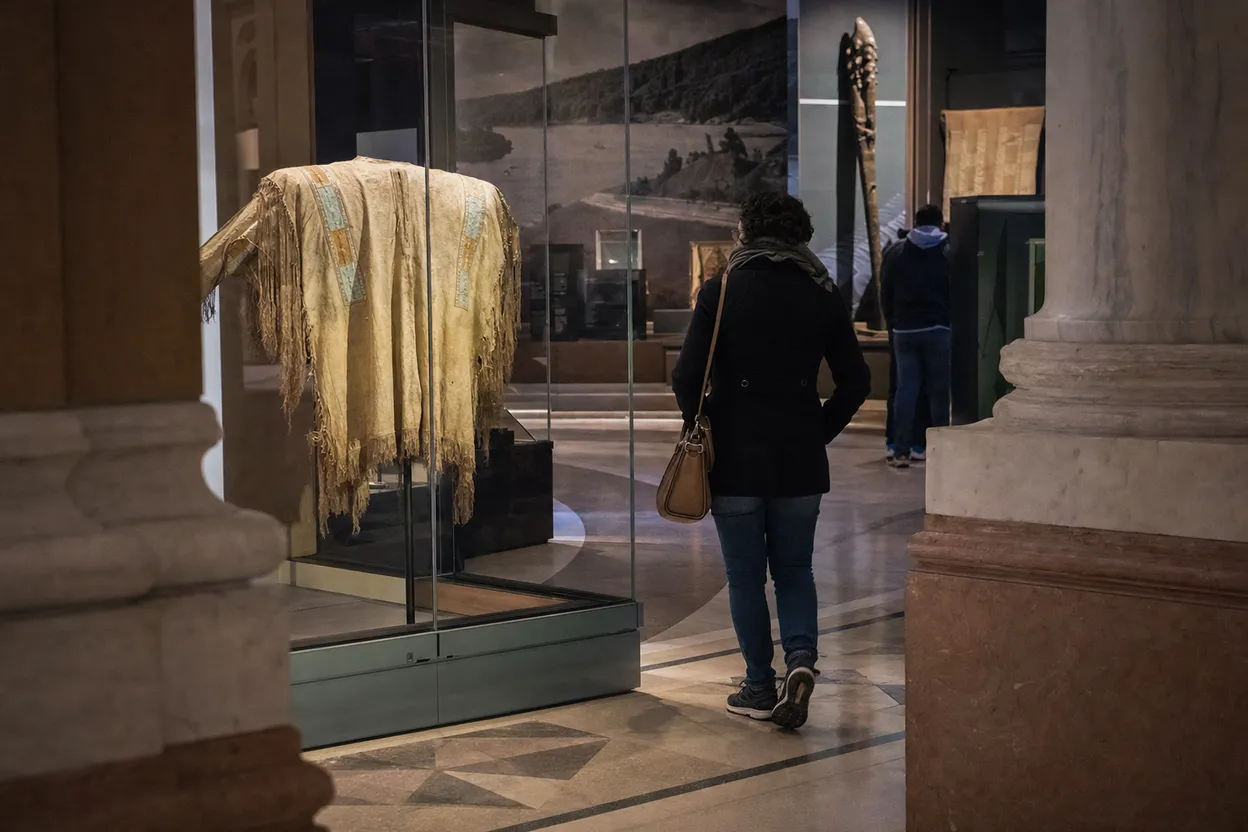
The official New York exhibitions page lists four ongoing exhibitions: “Native New York,” “Infinity of Nations,” “Ancestral Connections,” and “Jeffrey Veregge: Of Gods and Heroes.” That mix matters for pacing. You are not gambling on a single temporary show being open. There is enough material for a meaningful visit, including collection-based art and history, New York-focused context, and contemporary visual work, while still staying manageable for a mid-afternoon pause.
For a first visit, start with “Native New York” because it grounds the museum in the city and region rather than treating Indigenous history as somewhere else. Then decide whether your remaining energy is better spent with collection depth in “Infinity of Nations” or a lighter contemporary-art pass through Jeffrey Veregge’s work. If someone in your group is tired, choose fewer rooms and read more labels. The museum works better when you do not rush every gallery.
Getting There Without Overbuilding It
The simplest subway target is Bowling Green on the 4 and 5 trains, listed by the museum as a direct transit option. The museum also points visitors to the 1 at Rector Street or South Ferry, R and weekday W at Whitehall Street, J and Z at Broad Street, and 2 and 3 at Wall Street. That redundancy is the point: if one line is delayed, the plan can survive without becoming a crosstown project.
Use the MTA service status before leaving, because downtown transfers can feel longer in heat than they look on a map. The museum entrance is on the south side of Bowling Green, near the northeast corner of Battery Park, so the final approach is short but exposed. If air quality is poor, minimize wandering, skip photo detours, and go straight from station to entrance. Drivers should know the museum says it has no parking.
The Building Is Part Of The Visit
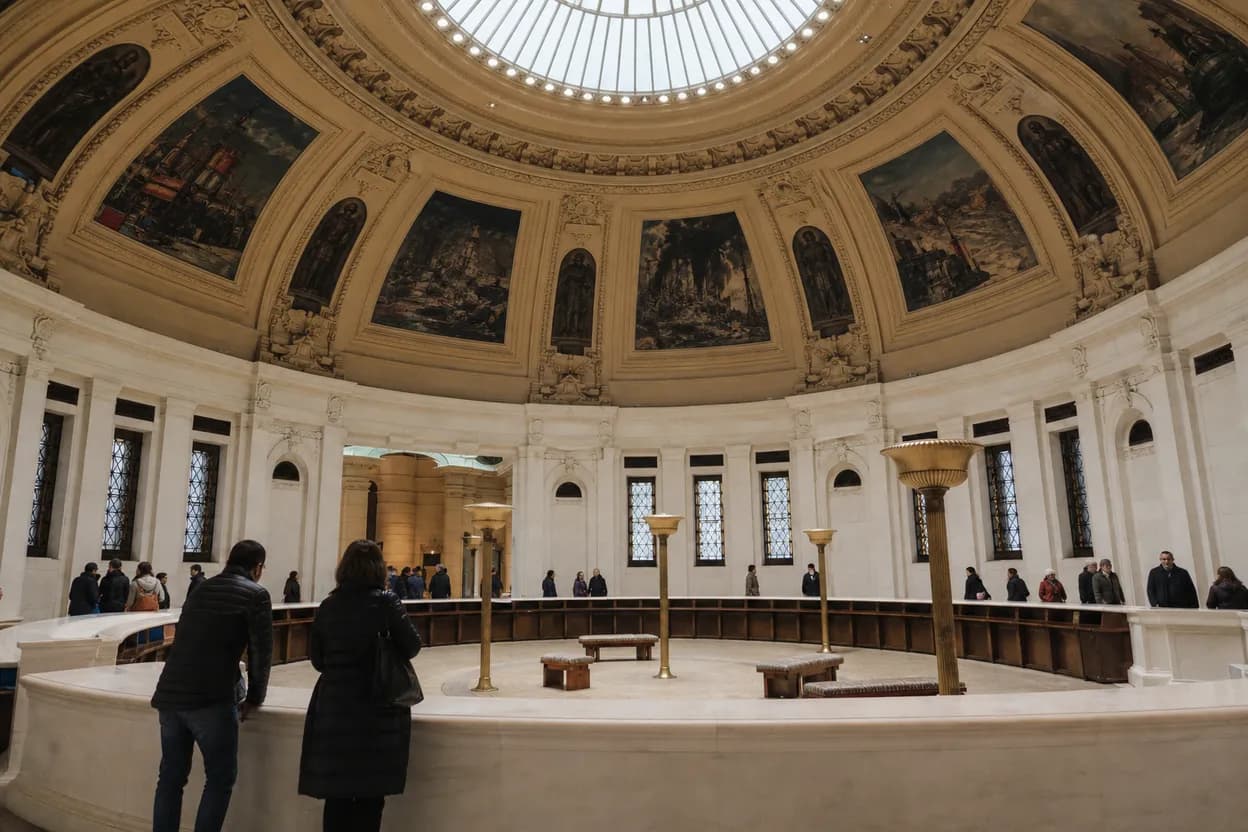
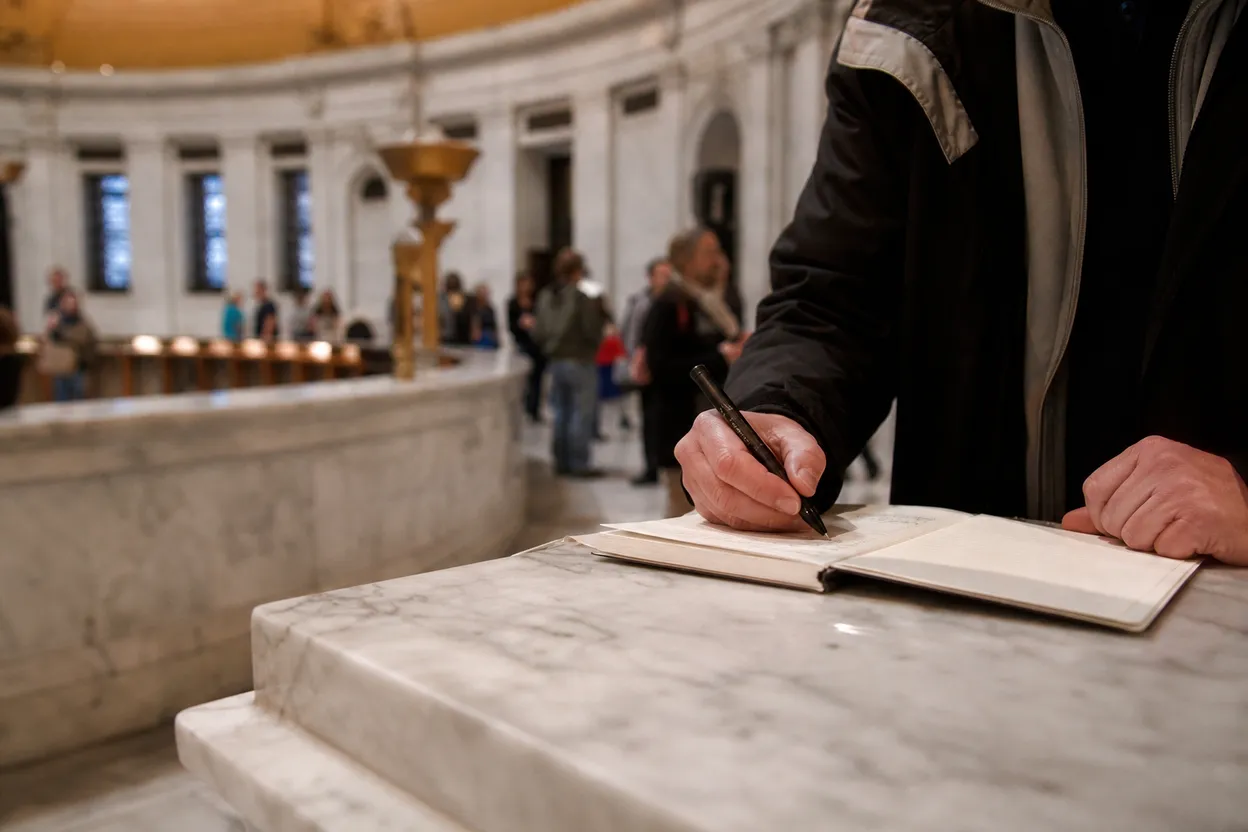
Do not treat the Alexander Hamilton U.S. Custom House as a shell around the museum. The Smithsonian identifies the location as the historic Custom House at One Bowling Green, and the building’s public spaces are a major reason this plan feels different from a generic cooldown. The rotunda, stair details, and scale of the interior give the visit architectural weight even if your group only has limited gallery stamina.
That said, keep the history claims disciplined. The reliable practical fact for visitors is that this is the National Museum of the American Indian’s New York site, housed in the Custom House, not a themed attraction or temporary pop-up. If architecture is your main interest, verify whether any building-specific tours or special access are offered that day before promising them to a companion. The default visit should assume self-guided viewing of public areas and galleries.
Accessibility, Security, And Bags
The museum states that the ground-floor entrance and all exhibitions are wheelchair accessible. Wheelchairs are available by request from security staff on the ground floor on a first-come, first-served basis, and additional accessibility services require two weeks’ advance notice. That makes the site a reasonable choice for mixed-mobility groups, but not a place to assume specialized support will be instantly available. Call or email ahead when a specific accommodation is essential.
Security is part of the timing. Smithsonian guidelines say visitors at American Indian Museums in DC and New York go through metal detectors, with bag checks by hand or X-ray. The Smithsonian also prohibits sharp items, firearms, pepper spray, and Mace, and asks visitors to limit belongings. The New York FAQ mentions only limited coat carts for visiting groups, so do not build the afternoon around storing luggage, shopping bags, or picnic supplies.
Who Should Choose It
This is a strong match for a solo visitor who wants quiet culture without a paid museum commitment, a parent with an older kid who can handle galleries, or a friend showing someone Lower Manhattan beyond the Statue of Liberty queue and Wall Street photos. It also suits FiDi workers who need a decompression break that feels like leaving the office, not just sitting in another coffee shop with a laptop.
It is weaker for groups seeking a loud social hangout, a meal destination, or a guaranteed hands-on children’s session. The imagiNATIONS Activity Center is listed by the museum, but student groups interested in timed entry may need reservations, so do not assume every child-focused feature is casually available at any moment. If your companion mostly wants skyline views, ferry energy, or playground time, save this for the hour when heat or haze changes the plan.
What to verify for National Museum of the American Indian, Alexander Hamilton U.S. Custom House
Check the museum’s New York visit page the same day for hours, because the current listed schedule is daily 10 AM to 5 PM except December 25. Confirm the exhibitions page if a particular show matters. Check MTA service for Bowling Green and nearby alternatives. Check NYC or National Weather Service alerts when heat, storms, or smoke are part of the reason you are going. Pack light enough to pass security quickly.
Build a backup that does not depend on standing outside. If the museum is unexpectedly crowded, shorten the gallery route rather than forcing the full visit. If you need food, eat before entering or plan a nearby stop after, because the museum FAQ says there is no designated eating area inside. If accessibility support, a wheelchair, or program availability is central to the outing, verify directly with the museum before leaving.
Tags: #AskKarpo #BeforeYouGo #KarpoNYC #NYC #LowerManhattan #FiDi #FreeNYC #FreeMuseum #Smithsonian #NationalMuseumOfTheAmericanIndian #BowlingGreen #IndoorNYC #NYCHeat #MuseumDay
All trademarks are the property of their respective owners.
Ask Karpo first
Tell Karpo your date, group size, budget, and starting neighborhood. We’ll check current access, timing, transit, and the cleanest plan for National Museum of the American Indian, Alexander Hamilton U.S. Custom House before you head out.