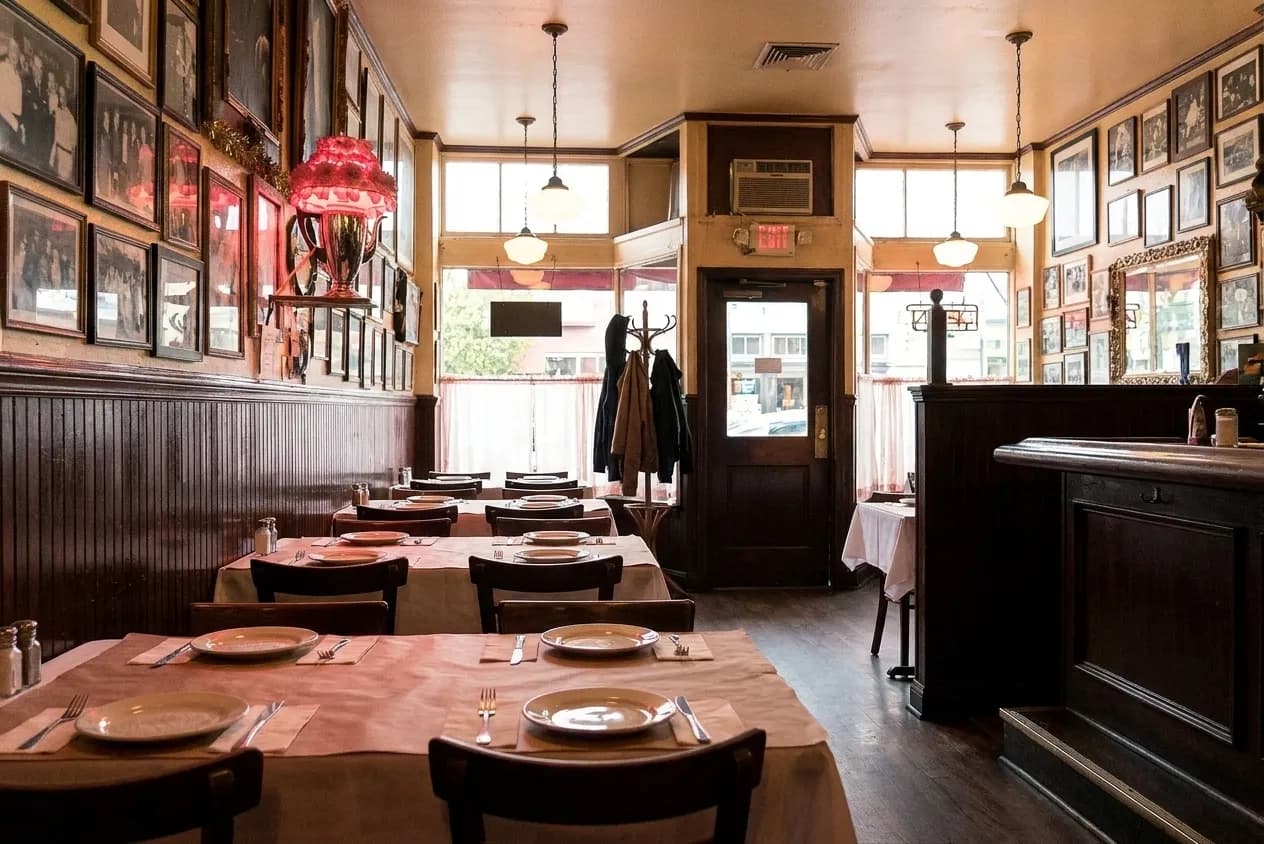
Every neighbourhood has restaurants that are good and unknown, and the reason is almost never that they are hiding. It is that they opened before the internet decided what restaurants look like, they do not photograph well, they have no publicist, and their customers are people who live within four blocks. North Beach has an unusual number of these, because it has more long-tenured, family-owned rooms than anywhere else in San Francisco.
The rooms worth finding here do no marketing at all, which is exactly why they are not in your search results. Tell Karpo what kind of dinner you want near you and it will look past the places paying for visibility.
Three kinds of sleeper, and how they got that way
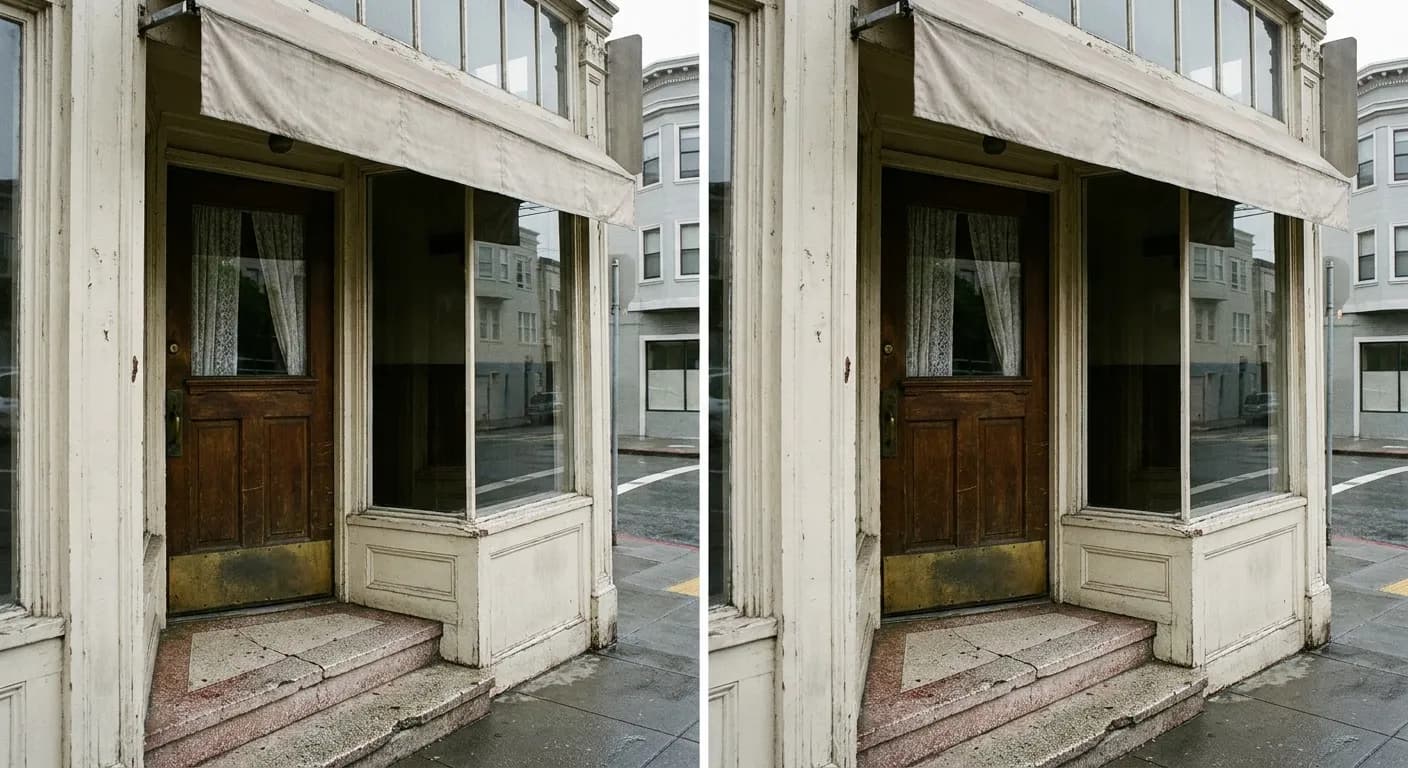
The first kind is the second-generation family room — opened decades ago, now run by someone who grew up in it, cooking a short menu that has not changed and does not need to. These are the most reliable sleepers in the neighbourhood and the easiest to walk past, because the frontage looks exactly as it did in 1985.
The second is the good restaurant on the wrong street. A room three doors off Columbus gets a fraction of the foot traffic of one on it, and that difference is enough to keep a genuinely accomplished kitchen quiet for years. The third is the upstairs or downstairs room — North Beach has several restaurants above street level or in a basement, and being invisible from the sidewalk is a nearly perfect way to stay undiscovered.
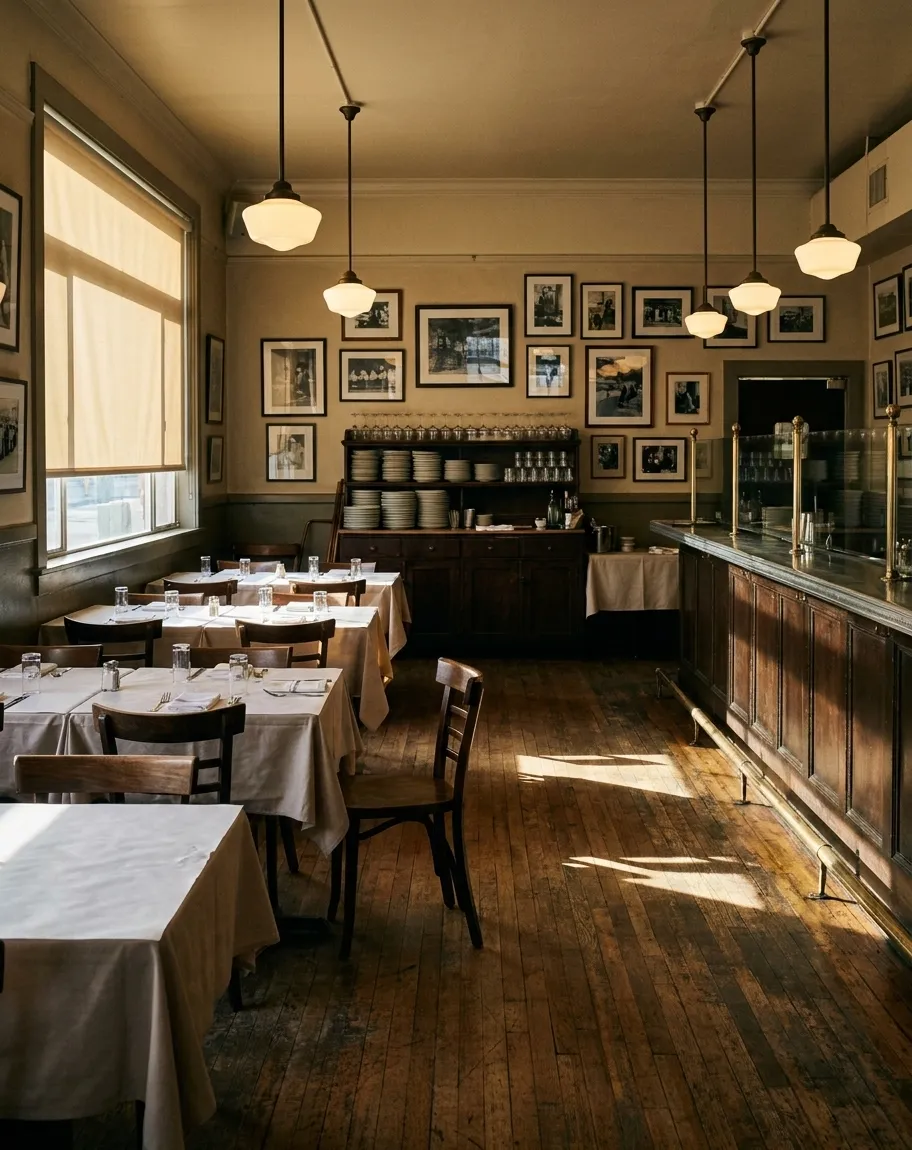
The signals that mean a sleeper is good
A short menu is the strongest single indicator. A room offering fourteen dishes is cooking them; a room offering fifty is assembling them. After that: a handwritten or typed specials sheet that changes, a wine list of twenty bottles rather than a bound book, and a staff of two or three people who are clearly not temporary.
Look at who is eating. A sleeper's dining room at seven on a Wednesday should contain people who are obviously regulars — being greeted by name, ordering without looking, sitting alone with a newspaper. A room full of people photographing the food is not a sleeper, whatever else it may be, and a room that is empty at seven on a weeknight in a dense neighbourhood is empty for a reason.
The signals that mean it is just old
Not every long-running restaurant is a sleeper, and it is worth being clear about the difference. A very large menu with photographs, laminated pages and multiple translations means the room is serving whoever walks past rather than whoever comes back. A host outside on the sidewalk is a tourist-trade signal, not a hospitality one.
The other tell is the seafood section. In this neighbourhood, a modest Italian room with three fish dishes is buying what is good; the same room with a page of crab, lobster, prawns and scallops available year-round is buying frozen. That single page sorts North Beach's institutions from its survivors more accurately than any review score.
How to actually find them
Walk the neighbourhood at seven in the evening on a weeknight and look through windows. It sounds crude and it works better than searching, because everything you need — the crowd, the volume, the menu in the window, the state of the room — is visible from the sidewalk in five seconds. Twenty minutes of walking Grant Avenue and the cross streets will give you three candidates.
The other route is to ask people who work in the neighbourhood rather than people who eat in it. Bakery and café staff, shop owners and bartenders eat locally, at odd hours, on a budget, and their answer to where they go on a night off is consistently better than any list. It is also how you find the rooms that do not appear on delivery platforms at all, which in 2026 is a meaningful filter.
How to order once you are in
In a sleeper, order the house specialty and the thing the specials board mentions, and nothing else. These kitchens are small and their strength is depth on a few dishes rather than range. If there is a pasta the room is known for, that is what to have, even if it looks plain next to something more elaborate.
And go back. The single biggest difference between eating at a sleeper and eating at a restaurant is that the second visit is materially better than the first — you get told what came in, you get the off-menu thing, you get the table you like. That relationship is the whole point of these rooms and it is why the people who use them do not write about them.
Tags: #SanFrancisco #NorthBeach #HiddenGems #SFRestaurants #WhereToEatSF #SFEats #ItalianFood #SFFoodie #BayArea #LocalEats #DinnerInSF #NeighborhoodEats #FamilyRun #TelegraphHill
Sources consulted: sf.eater.com · sfchronicle.com · sfstandard.com
All trademarks are the property of their respective owners.
Ask Karpo first
The rooms in this category are exactly the ones with no website, irregular hours and no online booking. Ask Karpo what is open near you tonight and worth walking to, and it will look past whatever is paying to be at the top of the results.