Jannik Sinner's commanding 6-2, 6-3, 3-6, 6-3 victory over Alexander Zverev in the July 12, 2026 Wimbledon final delivered his fifth major title and reinforced a tactical rivalry built on contrasting styles. The match showcased Sinner's aggressive baseline precision against Zverev's towering serve and defensive reach on grass, but these patterns would shift dramatically on hard courts. The surface change fundamentally alters serve effectiveness, return positioning, and rally construction, making their Wimbledon encounter both a revealing case study and an incomplete predictor of future meetings. Understanding the tactical nuances between these two players offers insight into how their styles might clash on different surfaces throughout the season.
Text Karpo Now: Tell us what you want from Sinner vs Zverev, and Karpo can track official updates, match timing, tickets, transit, and the easiest way to plan your US Open day.
Serve and Return Dynamics on Grass
At Wimbledon, Zverev's serve reached peak effectiveness on low-bouncing grass, where his height advantage—he stands 6'6" compared to Sinner's 6'2"—allowed him to generate steep angles that stayed low through the court. The German's first serve consistently pushed Sinner three to four feet behind the baseline, forcing rushed returns that limited the Italian's ability to dictate early in rallies. However, Sinner adapted by standing closer to the baseline on second serves, taking returns on the rise and immediately pressuring Zverev's backhand. This aggressive return positioning proved decisive in the opening sets, where Sinner redirected returns crosscourt with minimal backswing, denying Zverev time to establish his preferred rally rhythm.
The Italian's own serve, while less imposing in raw speed, relied on precision placement and disguise. Sinner consistently targeted the T on crucial points, using his compact motion to hide serve direction until the last moment. On grass, where the ball skids lower and faster, this placement strategy prevented Zverev from loading up on forehand returns, forcing him into defensive slice backhands that Sinner could attack. The third set saw Zverev adjust by standing further left in the deuce court, anticipating the T serve and successfully redirecting several returns down the line. This tactical adjustment highlights how serve-return patterns remain fluid even within a single match.
Baseline Height and Rally Construction
The height at which each player strikes the ball during baseline rallies proved critical in determining rally outcomes at Wimbledon. Sinner's game is built around taking balls early, ideally between knee and waist height, where he can drive through the court with minimal topspin and maximum pace. Grass courts naturally produce lower bounces, which suited Sinner's strike zone and allowed him to maintain his aggressive court position. Zverev, by contrast, prefers balls that bounce higher, giving him time to uncoil his long levers and generate heavy topspin from above shoulder height. The grass surface limited these opportunities, forcing Zverev to hit from lower contact points where his mechanics become less efficient.
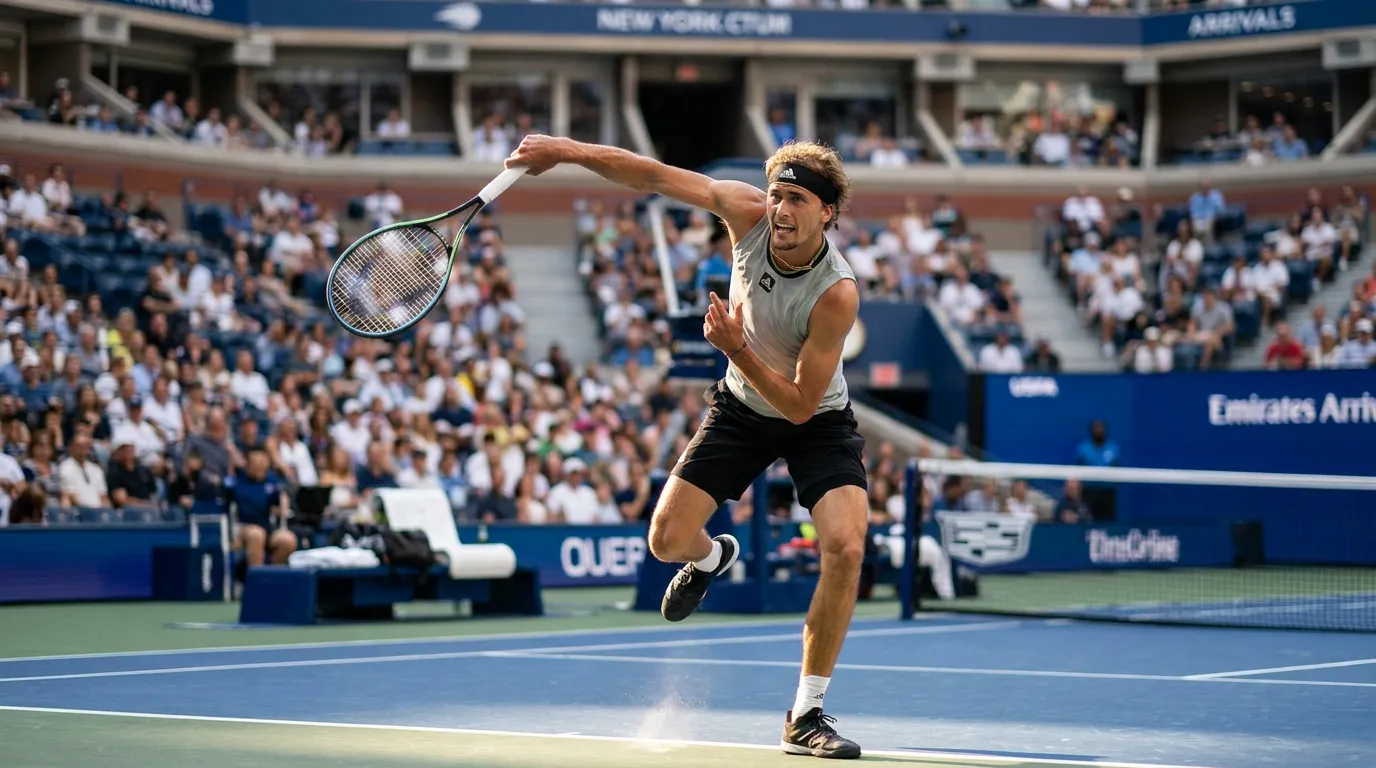
Hard courts produce a fundamentally different bounce profile. Typical hard court surfaces generate medium-high bounces with consistent rebound characteristics, allowing players to predict ball height more reliably than on grass. This change benefits Zverev significantly, as his heavy topspin groundstrokes kick higher, pushing opponents further behind the baseline and into defensive positions. The German's backhand, in particular, becomes more dangerous on hard courts, where he can loop balls with enough height to force opponents into uncomfortable strike zones. Sinner would need to adjust his court positioning, likely standing further back than he did at Wimbledon, which affects his ability to take time away and dictate rally tempo.
Pressure Points and Mental Patterns
The Wimbledon final revealed distinct pressure responses from both players. Sinner demonstrated remarkable composure in the opening sets, converting break opportunities with clinical precision. His ability to maintain aggressive intent on break points—rather than defaulting to conservative play—forced Zverev into defensive positions. Zverev's third-set resurgence came when he simplified his tactics, focusing on deep, heavy balls and approaching the net more frequently. This tactical shift reduced the number of extended baseline exchanges where Sinner's superior court coverage gave him an advantage.
Zverev's history as the 2020 US Open runner-up adds psychological complexity to his hard court campaigns. He carries both the confidence of having reached a major final on hard courts and the memory of letting a two-set lead slip away in that championship match. Sinner, meanwhile, has built his recent success on emotional consistency, maintaining similar intensity levels regardless of score or situation. This temperamental steadiness could prove decisive in tight sets where momentum shifts rapidly, particularly in the best-of-five format where mental endurance matters as much as physical conditioning.
Hard Court Tactical Adjustments
The transition from grass to hard courts requires specific tactical adjustments that could reshape this rivalry. Sinner would likely need to incorporate more topspin into his groundstrokes to account for the higher bounce, which slightly reduces his ability to hit through the court with flat power. His return position would also shift backward, giving Zverev more time to recover after serving. The Italian's best strategy may involve more aggressive net approaches on short balls, using the true bounce of hard courts to execute approach shots with confidence and finish points before Zverev can deploy his passing shots.
Zverev's adjustments center on maximizing his serve and exploiting the higher bounce to push opponents into defensive positions. His second serve, which was vulnerable at Wimbledon when Sinner stepped inside the baseline, becomes more effective on hard courts where the kick serve jumps higher and forces returns from above shoulder height. The German should also look to extend rally length, using his reach and defensive skills to absorb initial aggression and waiting for opportunities to counterattack. Hard courts reward patience more than grass, where points end quickly, giving Zverev more chances to turn defense into offense.
- Sinner's early ball-striking suits faster hard courts, allowing him to maintain offensive positioning
- Zverev's serve gains effectiveness on hard courts where bounce consistency allows better placement strategy
- Extended rallies favor Sinner's superior movement and shot tolerance across all surfaces
- Net approaches become more viable on hard courts, potentially benefiting tactical variety
Practical Notes
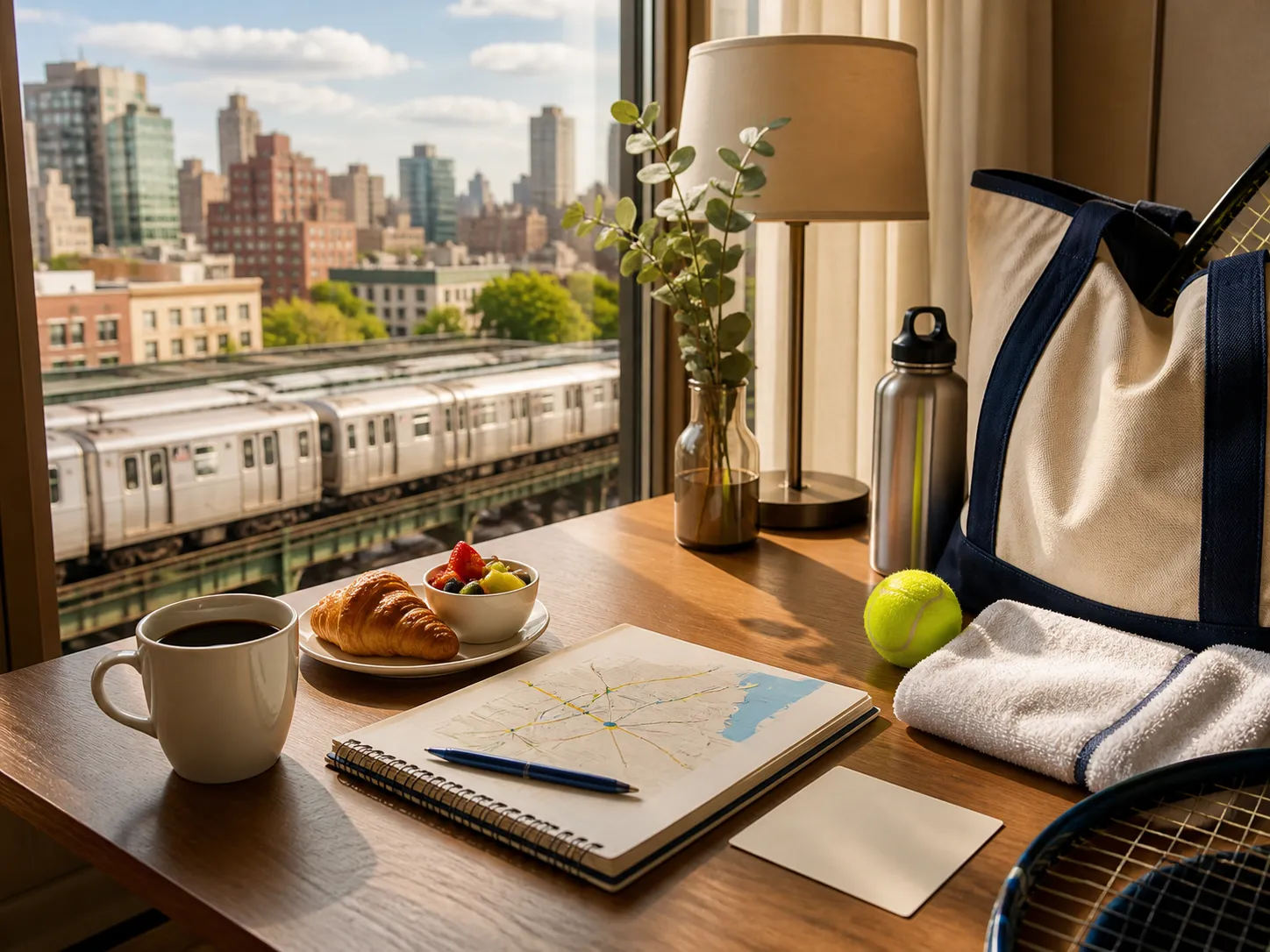
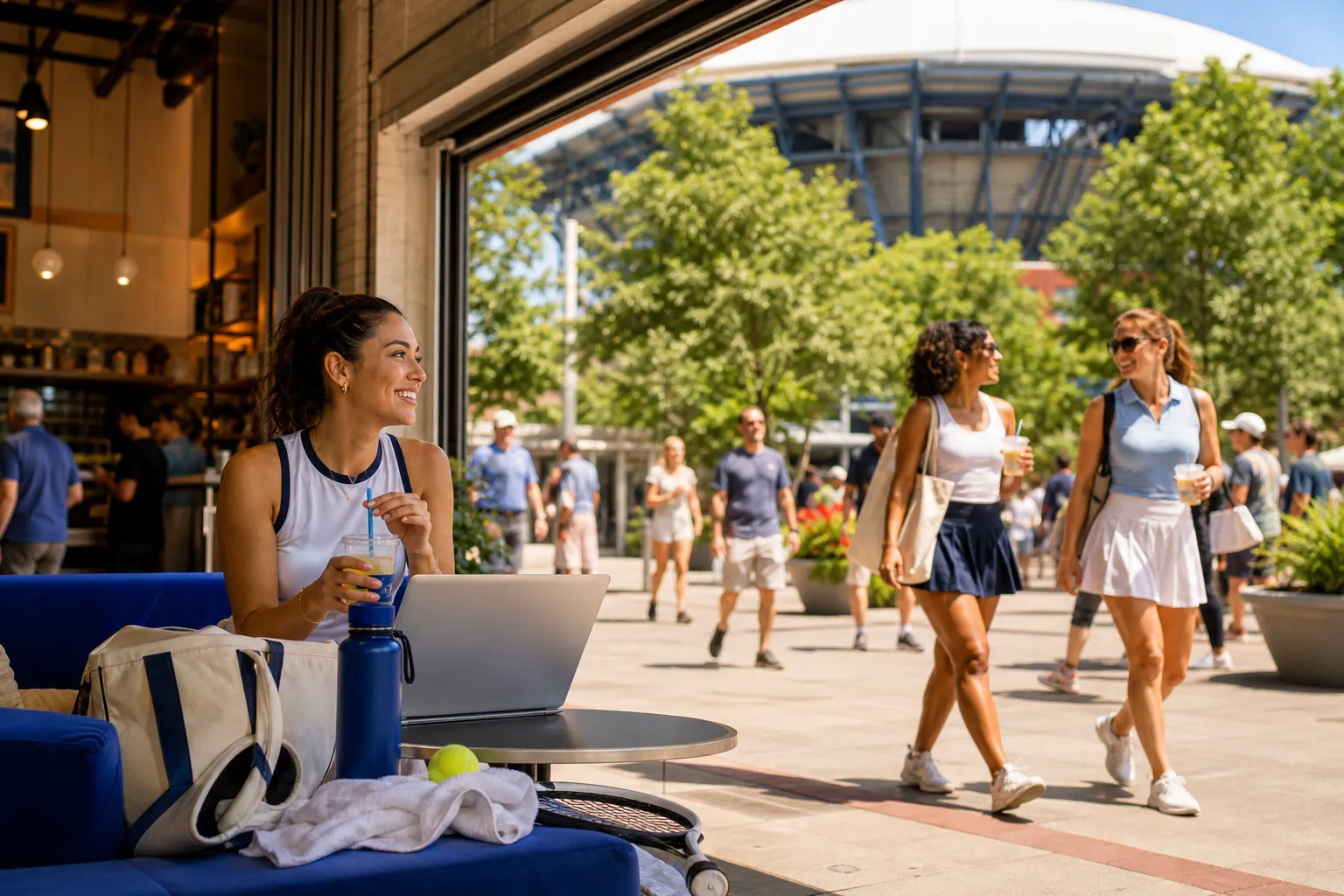
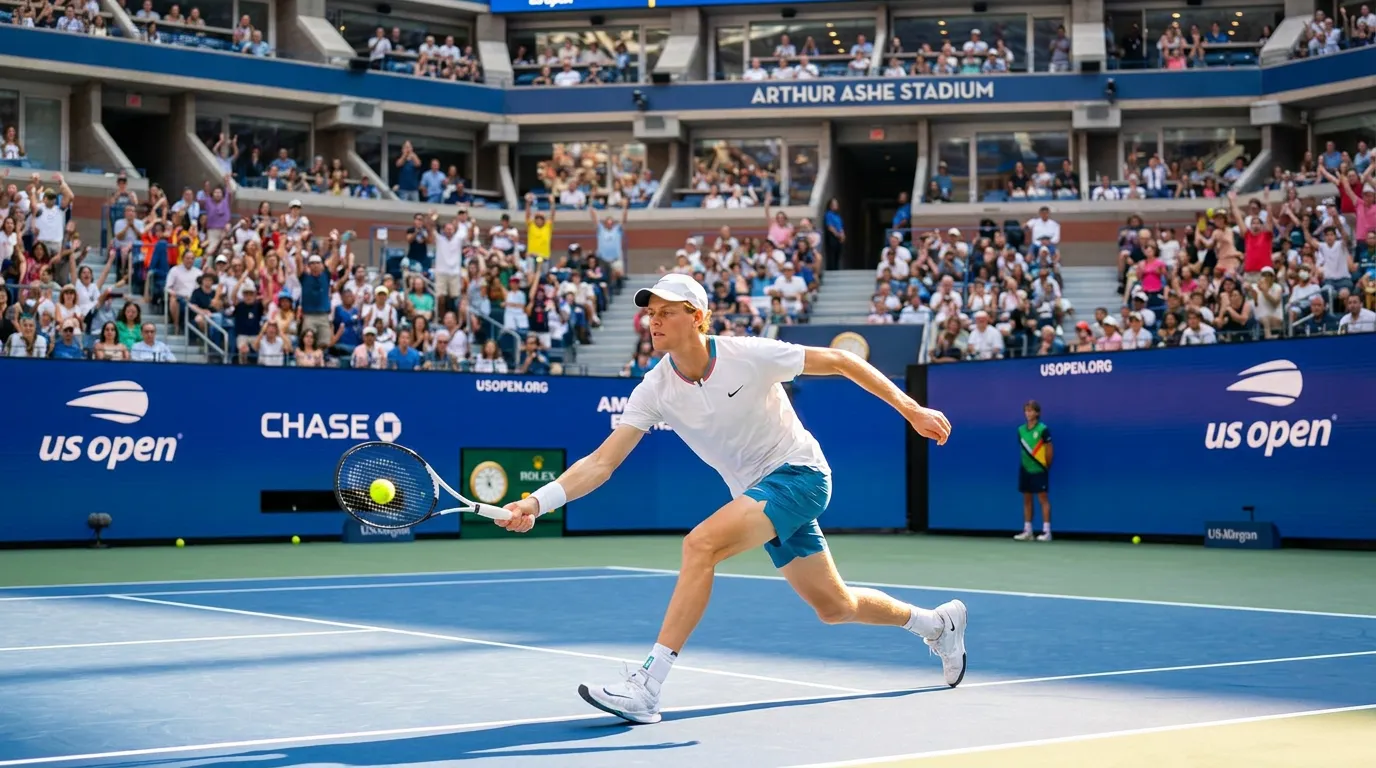
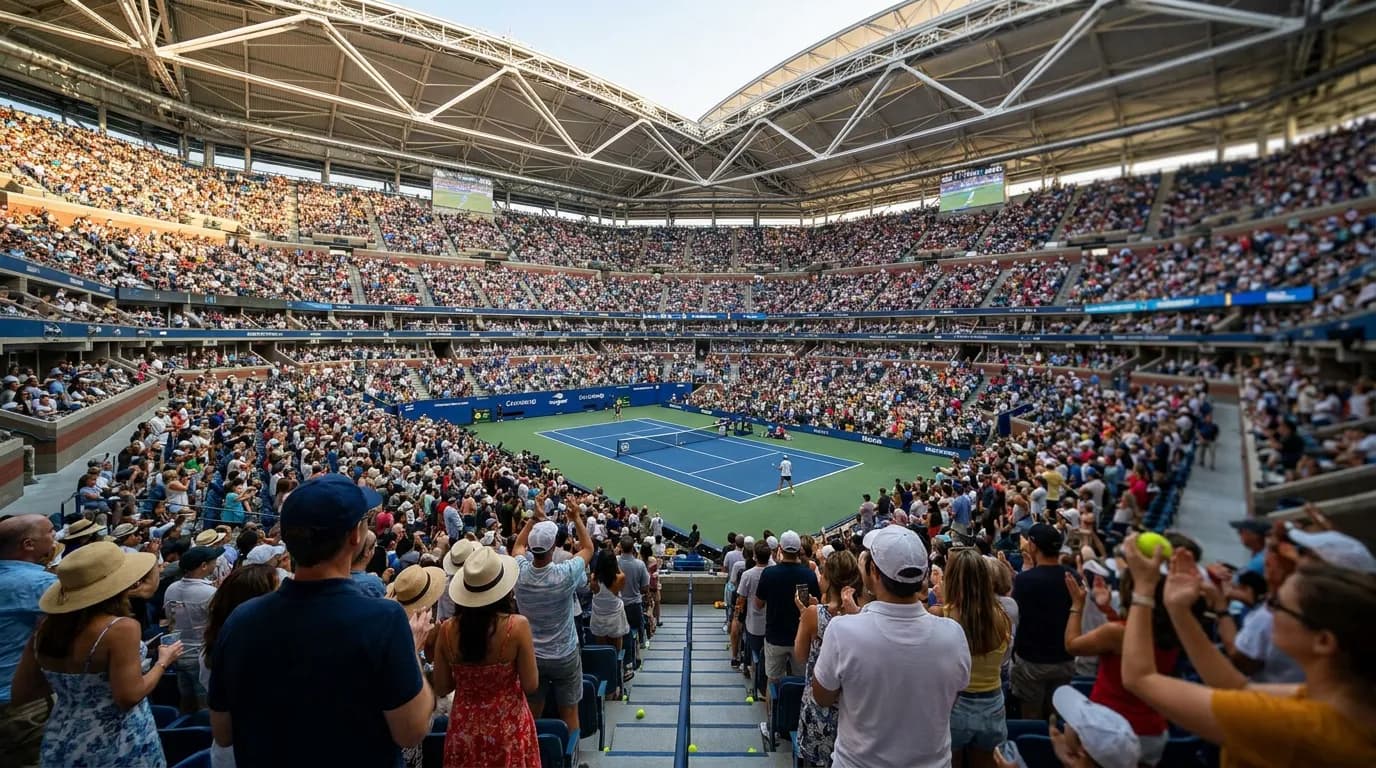
The US Open main draw typically begins in late August, with the tournament running through early September at the USTA Billie Jean King National Tennis Center in Queens. Day session tickets provide access to all outer courts, where early-round matches often showcase top players in more intimate settings than Arthur Ashe Stadium. Evening sessions feature marquee matchups on the main court, with matches beginning at 7:00 PM Eastern. The grounds pass offers good value for fans wanting to watch multiple courts throughout the day, including the Grandstand and Louis Armstrong Stadium. Transportation via the 7 train to Mets-Willets Point station provides direct access to the venue. August weather in New York typically brings heat and humidity, so plan for sun protection and hydration.
Tags: #USOpen2026 #Tennis #GrandSlam #NewYorkTennis #ArthurAsheStadium #FlushingMeadows #USOpenGuide #TennisFans #SportsTravel #HardCourt #NewYork #KarpoFinds
Sources consulted: atptour.com — Official reference · usopen.org — Official reference · usopen.org — Official reference
All trademarks are the property of their respective owners.
Ask Karpo first
Before you lock in tickets or build a full day around an unconfirmed schedule, ask Karpo first. Share your dates, budget, and favorite players, and Karpo can help turn official US Open updates into a practical New York plan.