 Haaland Has Seven Goals and Norway Runs Entirely Through Him
⚽️2026 FIFA WORLD CUP
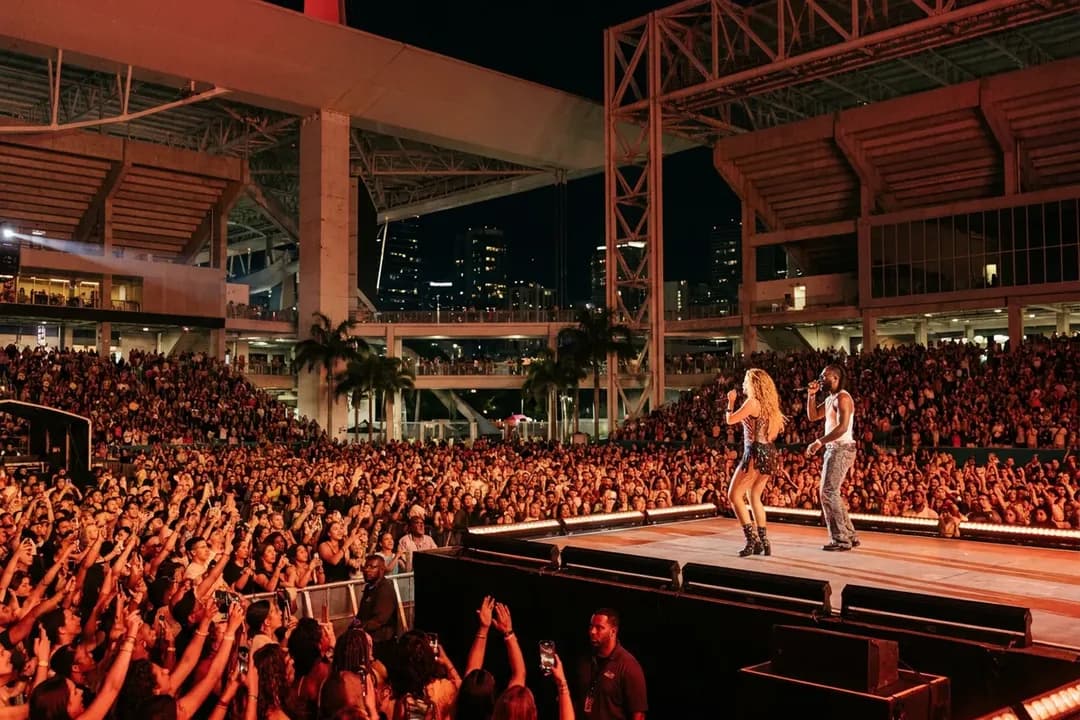
Shakira and Burna Boy Brought Global Energy to Final
Shakira and Burna Boy gave the World Cup final halftime conversation a distinctly global shape. Their reported involvement connected Latin pop, Afrobeats, and a North American championship stage without needing invented set-list drama.
The World Cup final in East Rutherford carried more than sporting weight for fans arriving from across New York City, North America, and beyond. Public reporting placed Shakira and Burna Boy among the performers connected to the final halftime show, instantly giving the moment a global music identity. That pairing mattered because it brought together two artists whose audiences stretch across languages, continents, and generations. Without guessing at songs, stage order, duets, or timing, the bigger story is clear: the final was positioned as a cultural gathering as much as a championship event.
Text Karpo before or after the final and ask for a personalized plan: a recap angle, a viewing setup, a celebration route, food ideas near your city, or a music-first guide to the day built around your group.
Why This Pairing Felt Bigger Than Halftime
Shakira has long been associated with global football culture, and the search interest around shakira tends to rise whenever music, sport, and international spectacle meet. Burna Boy brings a different but equally global current, with Afrobeats helping define how contemporary pop travels across borders. Placing both names in the halftime conversation created a bridge between Latin pop visibility and African music’s expanding mainstream presence, especially on a stage connected to the biggest football event in the world.
The strength of the pairing is that it does not require speculation to feel significant. No one needs to invent a surprise duet, a specific medley, or an exact running order to understand why these artists made sense together. Their reported presence signaled a final designed for viewers who do not all share one language, one home country, or one musical tradition. In that context, halftime became a shorthand for the World Cup’s widest promise: a shared event built from many cultures.
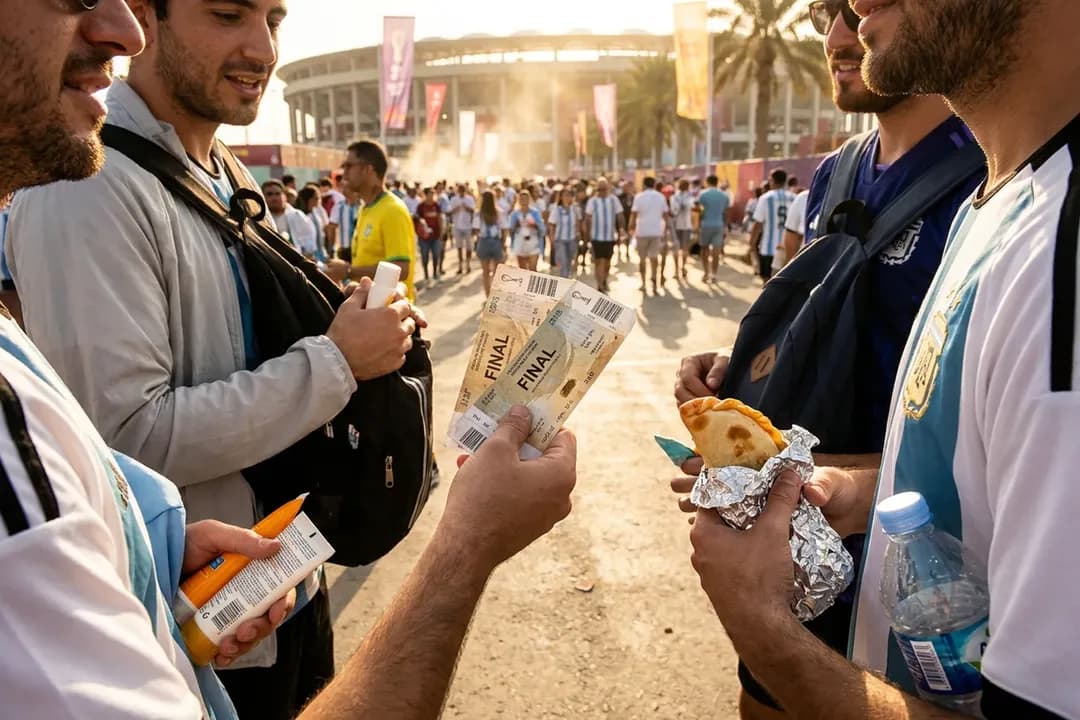
East Rutherford as a North American World Stage
East Rutherford sits just outside New York City, but for a World Cup final, the geography expands in meaning. The location becomes a North American gateway for fans, media, and cultural attention moving through one of the world’s most recognizable metropolitan areas. A halftime lineup discussion involving Shakira and Burna Boy fit that setting because the region already functions as a crossroads. Communities from Latin America, Africa, the Caribbean, Europe, and Asia all shape the city’s daily sound.
That local-global mix is exactly why the final’s entertainment conversation traveled so quickly. New York City’s orbit gives any major event a built-in sense of international movement, while East Rutherford provides the stadium setting for the championship. The reported performers reflected that wider map. Shakira’s connection to Spanish-language and global pop audiences, combined with Burna Boy’s role in Afrobeats’ worldwide rise, matched a host region where music scenes regularly overlap rather than stay separate.
Avoiding Set-List Guesswork Matters
Halftime coverage often becomes a race to predict songs, surprise guests, and exact sequences, but responsible reporting has to draw a firm line. The verified point is that Shakira and Burna Boy were among performers reported for the World Cup final halftime show. Anything beyond that, including song titles, duets, precise stage timing, or the size of the audience watching, would move from reporting into invention. For a publication-ready recap, that distinction is essential.
Staying within confirmed information does not make the story smaller. It actually keeps the focus on what can be meaningfully analyzed: why these artists mattered, how their fan bases shaped the event’s cultural footprint, and what their reported inclusion said about the World Cup as entertainment. Fans can still feel the excitement of a major performance moment without being handed false details. In a global event, accuracy is part of the experience.
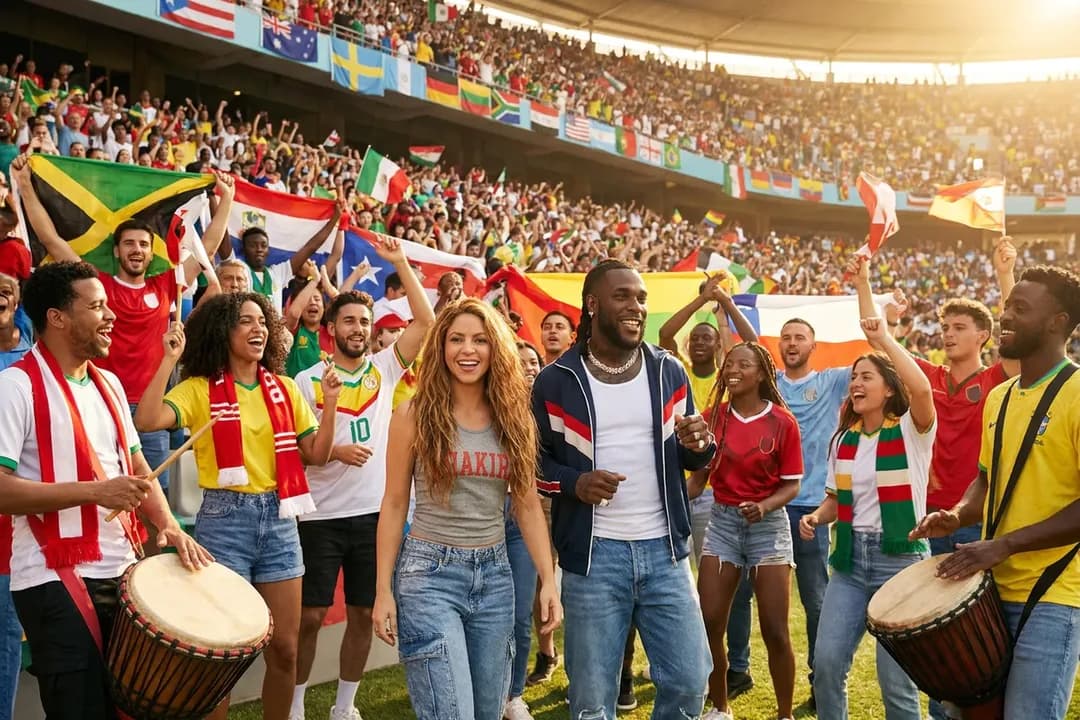
Shakira’s Football Cultural Footprint
Shakira’s name carries a particular charge around international football because many fans associate her with the sport’s festival atmosphere. Even without naming songs or reconstructing a performance, her presence in the halftime conversation immediately suggested familiarity for audiences who see football as sound, movement, and national pride. She represents the kind of artist whose appeal can cross broadcast markets, family watch parties, and fan zones, making her a natural subject for global attention around a final.
The keyword shakira also reflects how fans search when a sports moment becomes cultural. People may begin with the match, then look for the performer, the fashion, the atmosphere, or the celebration around it. That is part of her value to an event like this. She does not simply appear as a musician added to a sports program; she functions as a recognizable global signal that the final is meant to be experienced beyond the pitch.
Burna Boy and the Afrobeats Expansion
Burna Boy’s reported involvement brought another major global current into the halftime frame. Afrobeats has become one of the defining international music movements of the past decade, influencing clubs, festivals, playlists, and collaborations around the world. His presence connected the final to African music’s expanding reach without reducing that reach to a trend. For many viewers, it signaled that the World Cup’s soundscape should reflect the continents and communities that give the tournament its emotional scale.
That mattered in North America, where Afrobeats has grown through diaspora communities, streaming culture, nightlife, and major concert audiences. A World Cup final stage connected to Burna Boy therefore carried both symbolic and practical weight. It acknowledged listeners already shaping the musical mainstream while introducing others to a sound that is no longer peripheral. Paired in public discussion with Shakira, his name helped make the halftime show feel less like a single-market broadcast and more like a global meeting point.
What Fans Could Take From the Moment
For fans planning around the final, the reported halftime performers added another layer to the day. Some watched primarily for football, some for the spectacle, and many for both. Shakira and Burna Boy offered a way for mixed groups to connect, especially when not everyone follows the same team or knows the same players. Music can make a final feel accessible to relatives, friends, and casual viewers who want to share the occasion without needing tactical expertise.
The smartest way to remember the moment is not by guessing what happened beyond confirmed reports, but by recognizing what the pairing represented. It pointed toward a World Cup final built for a worldwide public, staged in the New York City area, and amplified by artists with audiences far beyond one border. That is the real takeaway: the final’s cultural energy came from connection, and the music conversation helped make that connection visible.
Tags: #WorldCup2026
Sources consulted: World Cup final halftime show report · FIFA final hub
All trademarks are the property of their respective owners.
Ask Karpo First
Ask Karpo for a custom World Cup final plan with your city, group size, food preferences, viewing style, and whether you want a football-first or music-first recap.
Ask Karpo for more information.
Keep reading
- Haaland Has Seven Goals and Norway Runs Entirely Through Him
 World Cup Trophy Ceremony Timing Medals and Postmatch Celebrations
 Olise and France's Attack: The Semifinal Tactical Question