 Haaland Has Seven Goals and Norway Runs Entirely Through Him
⚽️2026 FIFA WORLD CUP
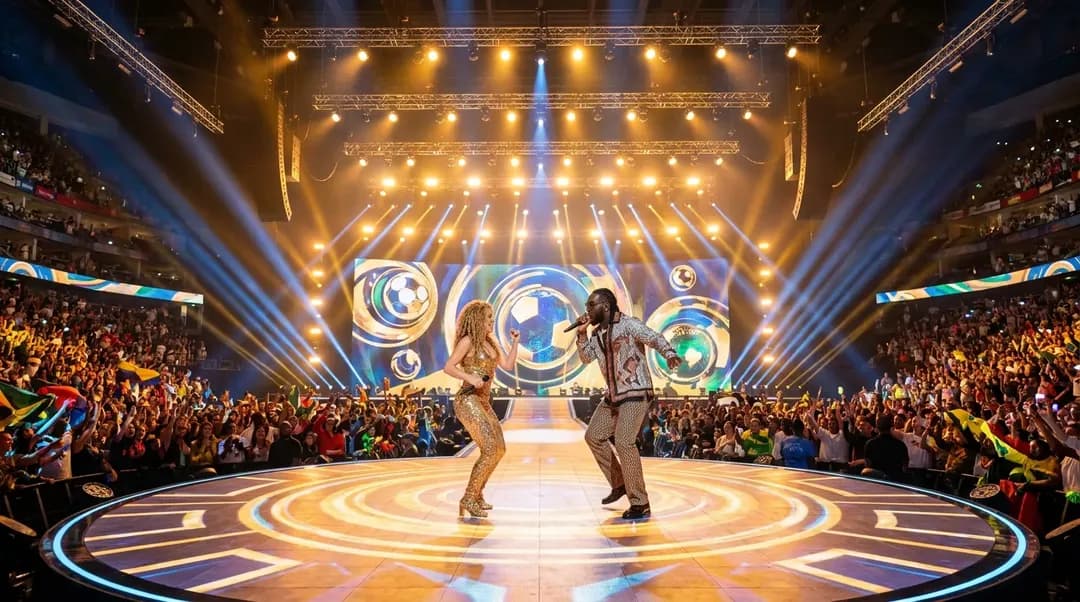
Shakira and Burna Boy Closed the World Cup Journey
The official anthem echoed one final time as Shakira and Burna Boy brought their global hit back to the biggest stage. After 104 tournament kickoffs, Dai Dai returned for the halftime celebration in East Rutherford.
Shakira and Burna Boy brought the official 2026 World Cup anthem full circle during the final halftime show in East Rutherford, performing Dai Dai on the world's biggest football stage. The song, which had become the sonic identity of the tournament after playing before all 104 matches according to AP coverage, returned one last time as the two global superstars closed out a World Cup journey that spanned three nations and countless unforgettable moments.
Text Karpo to discover more about the music and memorable moments that defined this historic World Cup. Our team can help you explore performance highlights, tournament milestones, and the cultural moments that made this edition unforgettable.
The Anthem That Defined a Tournament
Dai Dai became more than just a song during the 2026 World Cup. It evolved into the auditory signature that greeted fans in stadiums across Canada, Mexico, and the United States, playing before every single match from the opening group stage through the knockout rounds. That consistency created a thread connecting the tournament's diverse venues and audiences, from the Pacific Northwest to the Gulf Coast, from the Great Lakes to the high-altitude venues of central Mexico.
The selection of Shakira and Burna Boy as the voices behind the official anthem represented a deliberate fusion of musical traditions. Shakira, already legendary for her World Cup contributions, brought her global appeal and history with football's biggest stage. Burna Boy added contemporary African rhythms and a voice that has dominated charts worldwide. Together, they crafted an anthem that could resonate across the tournament's unprecedented geographic and cultural footprint.
From Kickoff Ritual to Halftime Spectacle
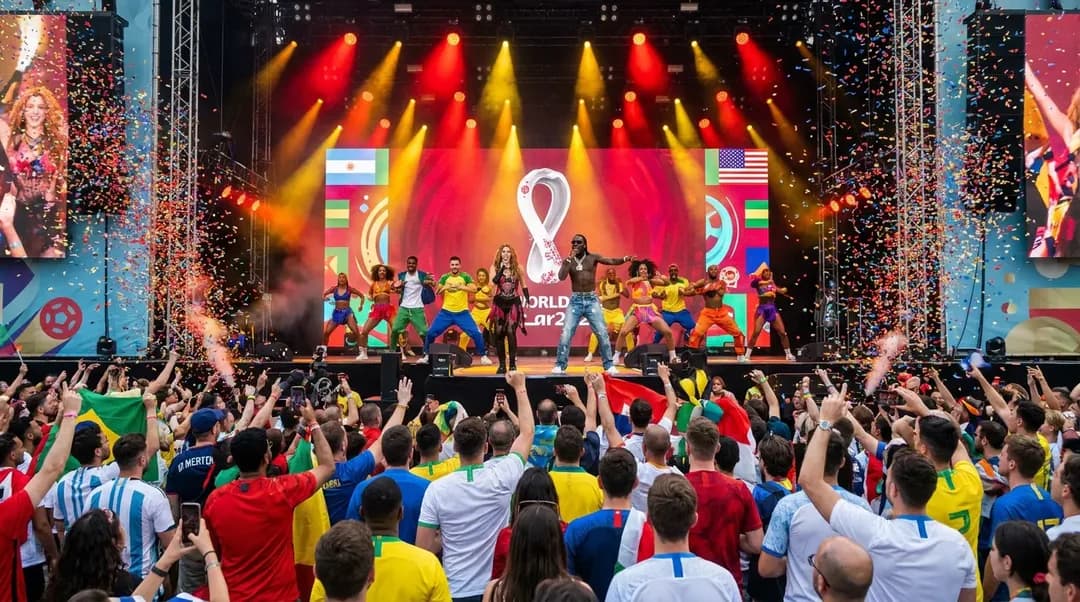
For 104 matches, Dai Dai served as the auditory cue that the world's attention was about to focus on the pitch. Fans learned to associate those opening notes with the anticipation that precedes kickoff, the moment when speculation ends and the actual contest begins. Stadium sound systems carried it to packed stands in MetLife Stadium, Mercedes-Benz Stadium, Estadio Azteca, and dozens of other venues that hosted the expanded tournament format.
The halftime performance transformed that familiar anthem into something larger. Rather than serving as a prelude to action, Dai Dai became the centerpiece of a full production. Shakira and Burna Boy commanded the stage together, delivering the song not as a recorded introduction but as a live celebration. The shift from pre-match audio to halftime spectacle gave the anthem new weight, elevating it from functional tournament element to memorable performance art.
East Rutherford as the Final Stage
MetLife Stadium in East Rutherford provided the setting for this closing chapter. The venue, which had already hosted multiple tournament matches, took on additional significance as the site where the World Cup's musical identity would make its final official appearance. The New York metropolitan area brought its characteristic energy and diversity to the occasion, filling the stands with fans who had traveled from across the globe to witness football's ultimate prize decided.
The location also represented a homecoming of sorts for a tournament that had emphasized North American unity. After weeks of matches distributed across three countries and multiple time zones, the convergence on a single stadium in the northeastern United States provided geographic focus. The halftime show became a moment to reflect on the journey before the second half would determine the champions, and Dai Dai served as the perfect vehicle for that reflection.
Musical Legacy of World Cup Anthems
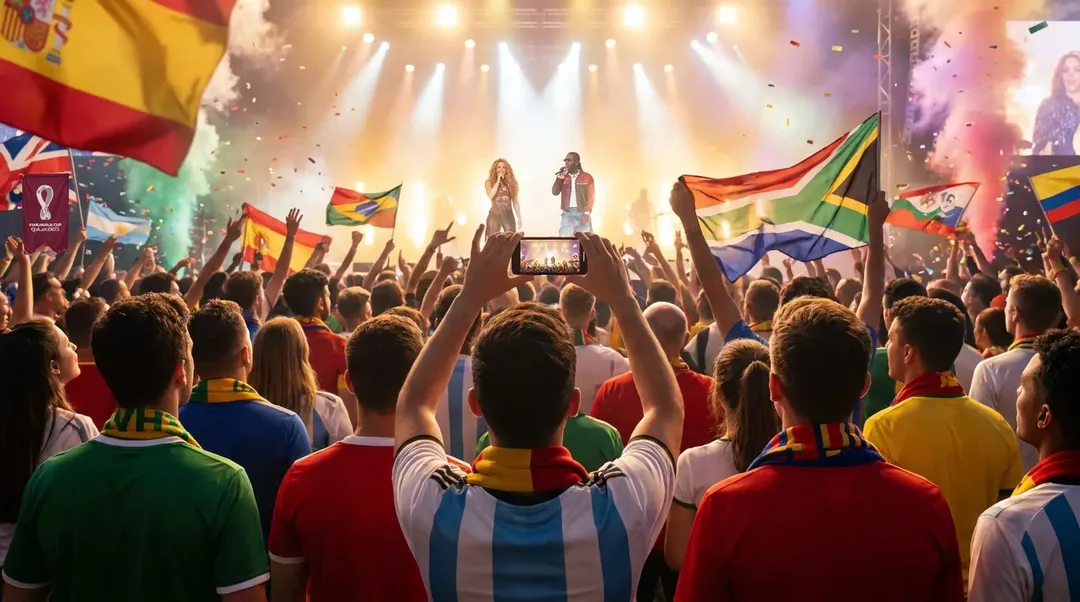
World Cup official songs carry a unique burden. They must appeal across cultures and languages while capturing something essential about the tournament they represent. Some become timeless classics that transcend their original context, while others remain pleasant but forgettable footnotes. The success of an official song often depends less on its musical merits in isolation and more on how thoroughly it becomes woven into the tournament experience itself.
Dai Dai benefited from maximum exposure through its placement before every match. Unlike anthems relegated to promotional materials or occasional stadium appearances, this song became genuinely unavoidable for anyone following the tournament. That repetition created familiarity, and familiarity created connection. By the time Shakira and Burna Boy took the stage for the halftime show, millions of fans worldwide had heard those opening bars more than a hundred times, each instance tied to memories of specific matches, upsets, celebrations, and heartbreaks.
A Moment Between Halves
Final halftime shows occupy a strange position in tournament narratives. They arrive at a moment of maximum tension, when the outcome remains uncertain but half the match is complete. Fans experience competing impulses: the desire to process what has already happened and the need to prepare for what comes next. A halftime performance must acknowledge both states without disrupting the flow of the sporting event itself.
Shakira and Burna Boy's performance of Dai Dai navigated that challenge by offering familiarity rather than surprise. This was not the moment to introduce new material or experimental arrangements. Instead, the performance delivered the song that fans already knew, allowing the audience to participate in a collective moment of recognition. The anthem that had preceded 104 kickoffs now provided a brief respite before the final whistle would crown champions and close the 2026 chapter of World Cup history.
Closing the Circle
The structure of returning to Dai Dai for the halftime show created a sense of completion. The tournament had begun with this anthem, played it throughout the competition, and now featured it live as the final match reached its midpoint. This circular approach provided narrative symmetry, using music to frame the entire World Cup experience. From the first group stage match to the closing moments before a champion would be crowned, one song connected the journey.
That decision to close with the official anthem rather than introducing entirely new performances for the final also showed confidence. Tournament organizers and the artists themselves clearly believed Dai Dai had earned its place as more than just promotional material. By centering the halftime show around the song that had defined the tournament's audio identity, they acknowledged that sometimes the most powerful moment comes not from novelty but from recognition, from bringing fans back to the sound that had accompanied every step of an unforgettable World Cup journey.
Tags: #WorldCup2026 #Shakira #BurnaBoy #DaiDai #WorldCupFinal #HalftimeShow #EastRutherford #FootballMusic #TournamentRecap
All trademarks are the property of their respective owners.
Ask Karpo First
Whether you want to know more about World Cup music history, explore how official anthems are selected and promoted, or discover details about other tournament moments, Karpo can help you find the information you need. Our platform connects you with answers about the cultural and sporting elements that make global football events memorable, from opening ceremonies to final celebrations and everything in between.
Ask Karpo for more information.
Keep reading
- Haaland Has Seven Goals and Norway Runs Entirely Through Him
 World Cup Trophy Ceremony Timing Medals and Postmatch Celebrations
 Olise and France's Attack: The Semifinal Tactical Question