A laptop fire on American Airlines flight 2398 to Dallas this August put lithium-ion battery safety back in the headlines, and San Francisco International Airport travelers are feeling the ripple effects. The incident, which sent one passenger to medics with burns after smoke filled the cabin during landing, arrived just as global aviation regulators tightened rules on power banks and portable chargers. If you're flying out of SFO with backup batteries, you now face a two-device cap, an in-flight charging ban, and stricter enforcement at the gate. Here's what changed, what the watt-hour limits mean in practice, and how to avoid last-minute surprises when your carry-on gets checked planeside.
Karpo tracks real-time SFO security wait times and gate-change alerts so you have time to pull batteries from checked bags before boarding.
What happened on the Dallas flight
American Airlines flight 2398 from Atlanta landed at Dallas–Fort Worth on August 21 with smoke in the cabin after a passenger's laptop ignited during descent. The Airbus A321 carried 133 people. Flight attendants used a thermal containment bag to isolate the burning device, and emergency crews met the aircraft at the gate around 6:55 p.m. local time. One passenger received treatment for burns at the scene and was released.
Air traffic control audio suggested additional communications about injuries, though Dallas–Fort Worth International Airport confirmed only one person needed medical attention. The incident joins a growing list of lithium-ion battery fires on commercial flights, including a February event on a United flight and multiple reports logged by the FAA in the past year. The Dallas fire arrived two weeks before the International Civil Aviation Organization's new global guidance took effect, tightening rules that many U.S. carriers had already begun enforcing piecemeal.
The two-power-bank cap and charging ban
As of March 2026, passengers worldwide may carry a maximum of two power banks on any flight, and those batteries cannot be recharged from in-seat or overhead USB ports during taxi, takeoff, or landing. The rule applies regardless of a power bank's watt-hour rating, so even a 10,000 mAh unit counts toward your two-item limit. Airlines had been moving toward this standard independently after a string of thermal events, but the U.N. aviation agency's adoption made the cap universal.
The charging ban is less about battery capacity and more about crew access. If a power bank overheats while plugged into a seat-back port, a flight attendant can't quickly reach it if it's wedged between cushions or buried in a seatback pocket. Keeping batteries within arm's reach and unplugged during critical flight phases gives cabin crews a fighting chance to deploy containment bags before smoke spreads. For SFO travelers heading to Asia or Europe on fourteen-hour legs, that means planning terminal charging sessions instead of relying on in-flight top-ups.
Watt-hour limits and what counts as spare
Most consumer power banks and laptop batteries fall under the 100-watt-hour threshold, which requires no airline approval. A typical 20,000 mAh power bank at 3.7 volts calculates to 74 Wh, well within the limit. Batteries rated between 101 and 160 Wh need carrier approval and are capped at two spares per passenger. Anything above 160 Wh is forbidden on passenger aircraft. The FAA and IATA both publish calculators, but the simplest check is to look for a Wh label on the battery itself or multiply milliamp-hours by voltage and divide by 1,000.
A spare battery is any lithium cell not installed in a device. Your phone's internal battery doesn't count as spare, but the moment you pop a camera battery out of its housing or carry a standalone power bank, it becomes spare and must travel in your carry-on. Checked baggage is off-limits for all spare lithium batteries, a rule that predates the recent Dallas incident by years. If an airline checks your carry-on at the gate because overhead bins are full, you must remove every power bank, vape, and loose battery before the bag goes below.
SFO gate agents have started asking passengers to open roller bags during planeside checks, especially at Terminal 2 and International Terminal G gates where long-haul flights fill quickly. Expect an extra 90 seconds per transaction if you're in the final boarding group and the agent spots a charger or battery pack in your bag. Pack spares in an outer pocket or small pouch so you can pull them without unpacking your entire carry-on on the jetway.
Protecting terminals and preventing short circuits
Exposed battery terminals can short-circuit if they touch keys, coins, or other metal objects in a bag. The FAA and IATA both require passengers to insulate terminals by taping over contacts, keeping batteries in original retail packaging, or placing each unit in a separate plastic bag or protective pouch. A short circuit generates heat fast, and a crowded overhead bin full of jackets and duty-free bags won't give anyone warning before a thermal event starts.
Most power banks have recessed ports that reduce the risk, but older camera batteries and some aftermarket laptop cells have exposed contacts. A single strip of electrical tape or a silicone terminal cover solves the problem. If you carry multiple spares, keep them separated rather than tossing them all into one pencil case. Recent airline guidance suggests a low state of charge—under 25 percent—for spare batteries, though that's not yet a hard rule at U.S. carriers. The logic is that a battery with less stored energy presents less fire risk if it does overheat.
What to do if your device overheats mid-flight
If your phone, laptop, or power bank feels hot, starts smoking, or shows any sign of swelling, alert a flight attendant immediately. Do not try to cool it with water or ice. Modern aircraft carry thermal containment bags designed to isolate a burning device and vent smoke without spreading fire. Crew members are trained to use these bags, but they need to know about the problem as soon as it starts. A delay of even 30 seconds can turn a contained incident into a cabin evacuation.
Don't put a smoking device in an overhead bin or under the seat in front of you. Hand it to a crew member or place it on the floor in the aisle if instructed. If you're seated and can't reach a flight attendant, press the call button and keep pressing it. Passengers on the Dallas flight reported smelling acrid smoke during descent, a clue that the laptop had been overheating for several minutes before anyone noticed. Lithium fires produce a sharp, chemical odor distinct from burnt coffee or overheated air vents.
Practical notes
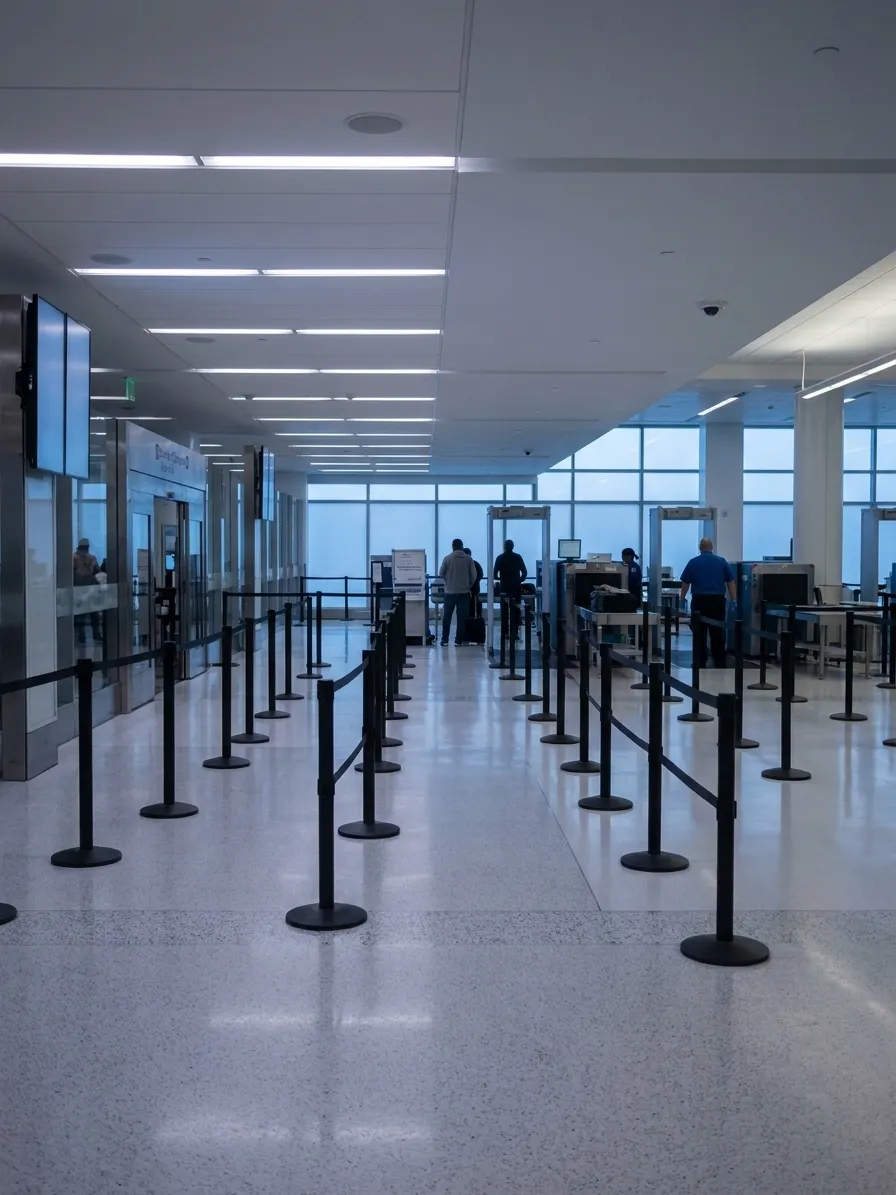
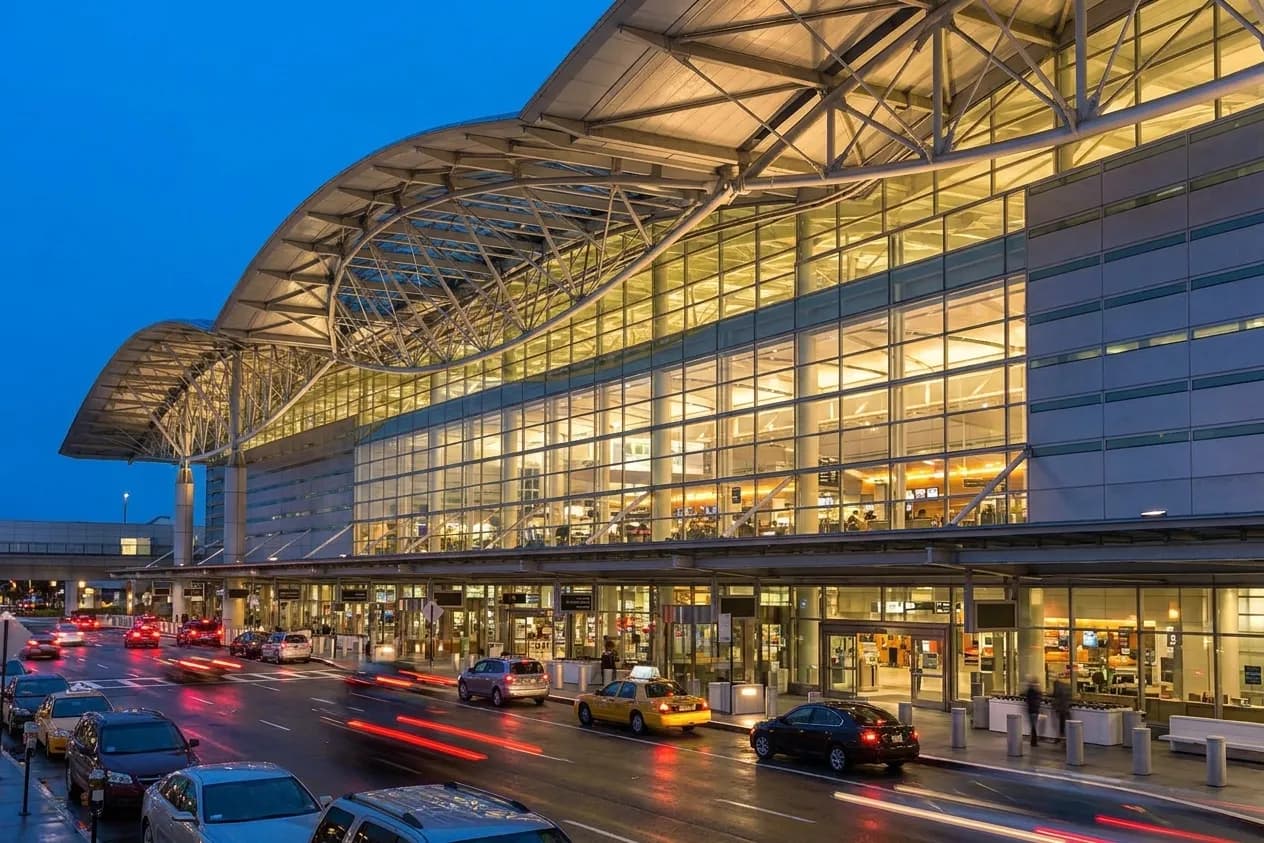
San Francisco International Airport handles more than 50 million passengers a year, and TSA checkpoints see the highest volumes between 5 a.m. and 8 a.m. on weekdays. Terminal 2 serves Alaska and American; Terminal 3 handles United; the International Terminal covers most long-haul carriers. All terminals have post-security charging stations, but outlets near gates fill quickly during boarding. If you need to top off a power bank before a red-eye, head to the International Terminal's G gates or Terminal 3's secure-side lounges, where seating and power are more plentiful. BART runs to SFO from downtown San Francisco in about 30 minutes; the AirTrain connects all terminals airside. Check your airline's website for current power-bank policies, as some carriers impose stricter limits on specific routes or aircraft types. Pack spares in carry-on outer pockets, tape exposed terminals, and keep devices accessible during boarding.
Tags: #SFOTravel #LithiumBatterySafety #PowerBankRules #AmericanAirlines #FlightSafety #CarryOnRules #SanFranciscoAirport #TravelTips #AirportSecurity #BatteryRegulations #GateCheck #TSARules #InFlightSafety #TravelPrep #AviationSafety
All trademarks are the property of their respective owners.
Ask Karpo first
Planning a tight connection through SFO or worried about battery limits for your next international hop? Ask Karpo which gates have the shortest security lines right now, where to find charging stations in your terminal before takeoff, or how to route around Terminal 3 construction when you're juggling devices and carry-ons.