 Stonestown Winter Farmers Market Picker for Student Cooks
Weekend Plans
Zombie Escape Room Near Me: PanIQ Escape Room on Mission Street
A Mission District guide to PanIQ Escape Room SF at 2146 Mission Street, with horror-room teamwork, arrival planning, and a food-and-murals walk afterward.
PanIQ Escape Room SF at 2146 Mission Street is a useful zombie escape room near me choice for a group that wants a cinematic, horror-leaning challenge in the Mission District. The attraction is strongest when the party treats the room as a shared investigation instead of waiting for a performer to do the frightening work. Read the current scenario descriptions, choose the level of darkness and urgency your group can enjoy, and arrive ready for a countdown, physical clues, and a neighborhood evening that can continue on foot after the door opens.
Choose the Room by Its Actual Promise
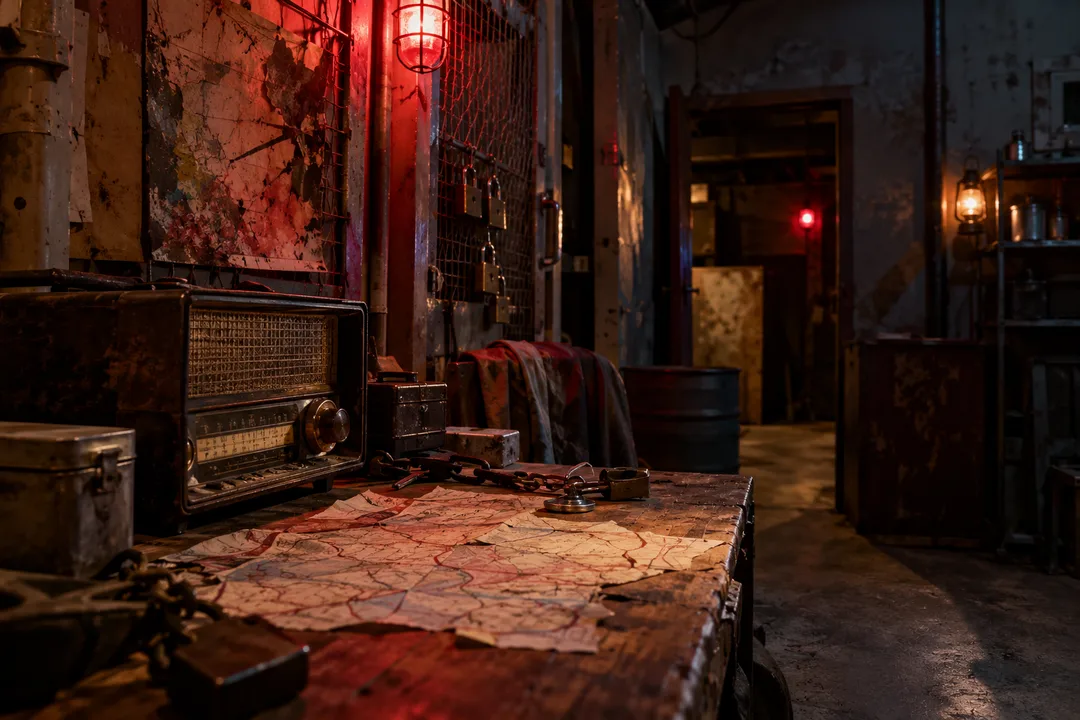
PanIQ's appeal is its commitment to atmosphere. A team enters expecting more than a bare room with combination locks: the set, sound, lighting, and story framing are supposed to make each discovery feel like part of a larger problem. That makes the venue a natural fit for people who use zombie language to mean tension, urgency, and a world that feels slightly unsafe. The room still depends on ordinary skills—reading, searching, counting, and listening—so do not confuse theatrical decoration with a reason to ignore the practical puzzle work.
Start by separating the room into search zones. One person can check containers and shelves, another can read documents, a third can watch the central set pieces, and a fourth can track every symbol or number. If the room supports a group larger than four, split into pairs only after the host explains whether clues are shared or sequential. Mission District traffic and street noise can make the arrival feel rushed, so agree on roles before entering rather than trying to organize once the timer is running.
The most useful habit is a loud handoff. Say where a clue came from, what it appears to show, and whether it has already been tested. A code that failed once may become useful after another clue changes the order, but a code that nobody records will be tried repeatedly. PanIQ-style rooms reward players who can maintain a small shared memory while the environment creates distraction. That is the difference between a team that looks busy and a team that is actually progressing.
Use Mission Street as the Recovery Route
A horror-themed room should have a pre-game comfort conversation. Ask who dislikes darkness, confined spaces, sudden sound, or actor interaction, then make sure everyone understands the venue's format. The group does not need to remove all suspense, but it should not surprise a friend with an experience they would have declined. The best scare is one the team can enjoy together. If somebody needs a break or clarification, tell the host early rather than treating discomfort as a challenge to overcome.
Do not wait until the clock is nearly empty before asking for help. A hint can preserve the story and keep the team from turning one unsolved mechanism into a personal argument. The person who notices the problem is not necessarily the person who should solve it, so invite a fresh pair of eyes. Rotate searchers, readers, and code testers after a transition in the story. That keeps the room social and gives quieter players a real chance to contribute.
Skip the impulse to touch everything at once. Props are designed to attract attention, but some are atmosphere and some are evidence. Check the natural logic of an object before moving it, and return anything that is not part of the active puzzle. A careful team is faster than a frantic one because it avoids rechecking the same drawer, losing a small key, or forgetting which sequence has already been ruled out.
Make the Mission District Part of the Plan
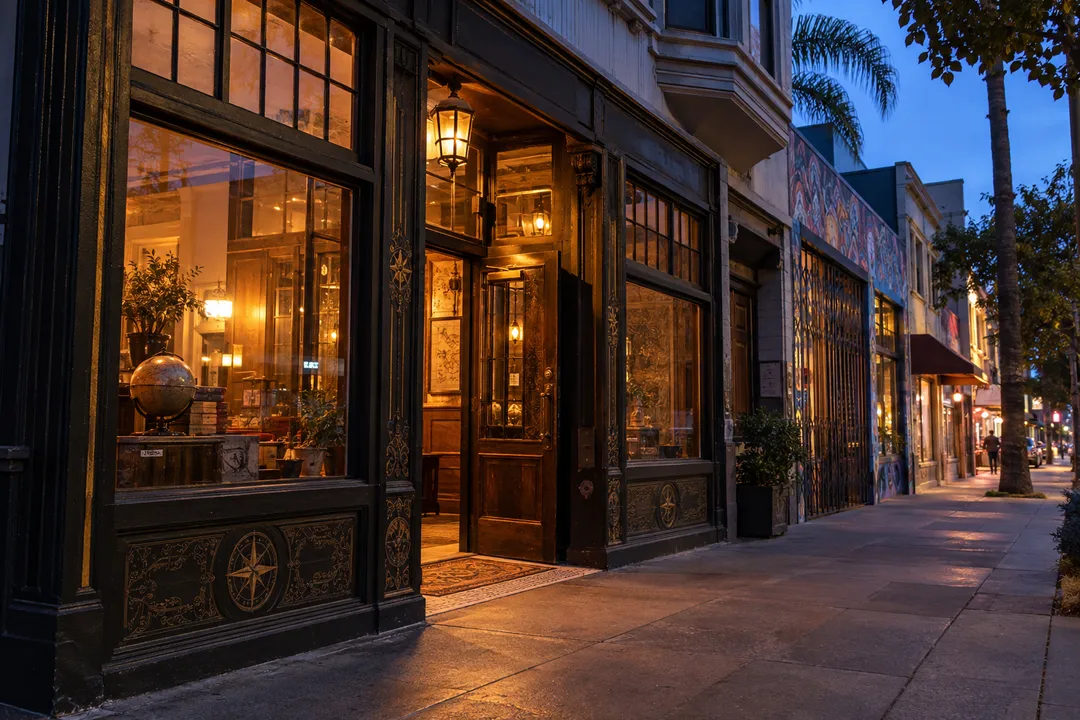
The venue's 2146 Mission Street address sits in a neighborhood that rewards a walking itinerary. Before the game, use the block as a meeting point rather than asking friends to wait inside a crowded restaurant. Afterward, head toward 24th Street for murals, bakeries, and casual food, or walk north toward Valencia Street if the group wants bars and more storefront browsing. Build in a buffer for crosswalks and crowded sidewalks; Mission blocks can feel slow when a group is trying to stay together.
A post-game meal works as a debrief because everyone is still carrying the same set of clues. Ask the team to name the moment when the room changed, the prop that looked irrelevant, and the hint that should have arrived earlier. Keep the conversation moving while ordering, but do not force a full sit-down meal if the session ends late. The neighborhood has enough flexible options that the escape room can remain the anchor rather than a prelude to a complicated reservation.
This plan suits visitors who want an indoor activity with a strong sense of place. It is less useful for a group that needs a silent, low-stimulation attraction or a guaranteed short visit. A timed escape room can run over in the emotional sense even when the clock is fixed: the team may need ten minutes afterward to take photos outside, compare notes, or recover from a difficult sequence. Leave that breathing room before booking the next thing.
Practical Notes for 2146 Mission Street
Use the full address—2146 Mission Street, San Francisco, CA 94110—when sharing the plan. A central organizer should hold the confirmation, participant names, and arrival instructions. Meet on the sidewalk before the scheduled entry rather than creating a second check-in point inside the venue. If someone is delayed by transit, decide whether the rest of the team can begin without them. A late player may miss the rules and may also cause the group to repeat the introduction after the timer starts.
Wear comfortable layers and shoes that work for standing, reaching, and moving through a themed set. Bring only what the venue allows into the room, and keep phones away so the team is solving the environment rather than documenting it. If allergies, mobility needs, or strong reactions to darkness matter, raise them when booking. Clear information gives the host a chance to explain the room and lets the team choose a respectful pace.
PanIQ is a strong pick when the group wants the atmosphere to carry part of the story. Skip it when the only acceptable outcome is a literal zombie plot on a specific date; the exact room and schedule should be chosen from the current booking lineup. For a satisfying night, arrive early, give every clue a verbal home, take the hint before the room becomes an argument, and let Mission Street provide the food-and-murals afterparty.
The simplest backup is to keep the neighborhood plan intact. If a preferred room is unavailable, do not turn the whole evening into a cross-city scramble. Walk the Mission, choose a nearby meal, and save the next escape booking for a date when the group can enter without rushing. That decision protects the best part of the experience: a shared challenge followed by a real city street where everyone can keep arguing about the clue they missed.
Ask Karpo for more information.
Keep reading
- Stonestown Winter Farmers Market Picker for Student Cooks
 Clement St Winter Farmers Market Picker for Lunar New Year
 Fort Mason Winter Farmers Market Picker for Citrus Bakers