 Stonestown Winter Farmers Market Picker for Student Cooks
Weekend Plans
Zombie Escape Room Near Me: EscapeSF on Kearny Street
A San Francisco guide to EscapeSF at 602 Kearny Street, with private multi-room games, Alcatraz and Blind Tiger strategy, arrival rules, and a Chinatown walking plan.
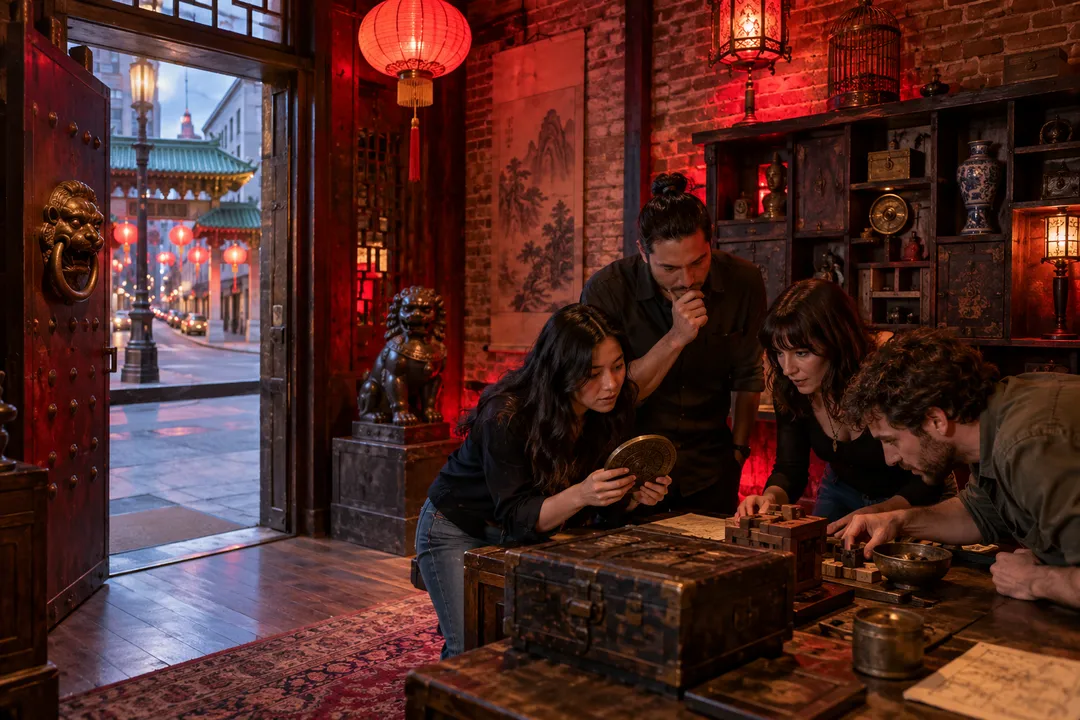
EscapeSF at 602 Kearny Street is a downtown San Francisco option for a zombie escape room near me search when the group wants a private, multi-room game with a strong setting rather than a paper-and-padlock exercise. The official FAQ lists Escape from Alcatraz, Blind Tiger, King Arthur's Legacy, and Sabotage, with the regular games built for about 60 minutes and Sabotage extending to 75 minutes. EscapeSF asks players to allow roughly 1.5 hours for briefing and an optional solution walk-through. It is an escape game in a Kearny Street venue, not a tour of Alcatraz Island.
What Makes EscapeSF Different
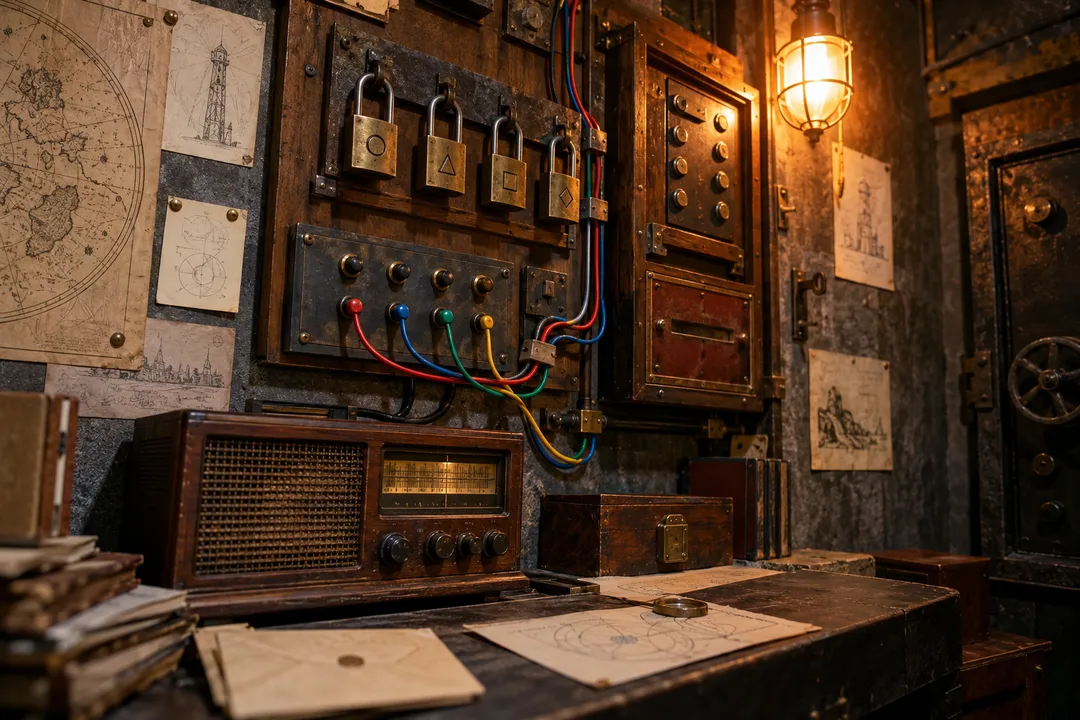
EscapeSF says its games are private, so your team does not play with strangers. It also describes multi-room environments and a design approach that emphasizes setting and behind-the-scenes effects over rows of paper clues. That makes the venue a good match for friends who want the room to feel like a place rather than a worksheet. The zombie search is only a starting point; the current official lineup leans toward prison break, speakeasy, medieval quest, and large-group sabotage themes.
Escape from Alcatraz is the most natural choice for visitors who want a San Francisco story. The setting can echo the city's prison mythology without pretending the booking is an actual historical tour. Blind Tiger suits a group that likes a bar or prohibition mood, while King Arthur's Legacy is the higher-difficulty quest. Sabotage is designed for 20 or more players and uses a longer case-game format, so it belongs on a corporate or large-party shortlist rather than a casual two-person date plan.
EscapeSF describes the games as hard but not impossible, and its FAQ gives difficulty estimates for the current rooms. That is useful context: the team should expect to communicate and delegate, not wait for one puzzle expert to rescue every scene. If someone wants a light, quick novelty, choose another activity. If the group enjoys a serious challenge with a detailed environment, the difficulty becomes part of the appeal.
Arrival Rules That Actually Matter
The venue is at 602 Kearny Street, San Francisco, CA 94108. The site lists daily hours from 10 a.m. to 11 p.m. and says reservations are required. Use the full address because Kearny Street sits at the edge of several downtown walking routes, and a group coming from Chinatown, Union Square, or the Embarcadero may approach from different sides. There is no benefit to showing up hoping for a walk-in slot.
EscapeSF asks players to arrive 15 minutes before the game. The regular session takes 60 minutes, but the company asks guests to budget 1.5 hours for the introduction and optional solution walk-through. That is the number to use when planning dinner or transit afterward. A team that arrives 30 minutes late can be treated as a no-show, and the FAQ says bookings are non-refundable once confirmed, so a late arrival is not a small inconvenience.
The booking rules also deserve a group-chat summary. The official FAQ says only people at least 18 can book, cancellations do not receive refunds, and rescheduling carries a $28 fee with no changes within 48 hours. These are operator rules, not universal escape-room law, but they affect how cautiously the organizer should choose a date. Put the confirmation, arrival time, and one phone number in one message before anyone starts traveling.
Solving a Multi-Room Game as a Team
Multi-room design rewards information flow. At the beginning, appoint a caller who announces where each clue was found and a keeper who remembers which objects have already been tested. Everyone else can search separate zones. When a door or mechanism opens, pause long enough for the full group to see what changed. A player who runs into the next room alone may feel fast, but they can also leave a teammate holding the clue that explains the new sequence.
For Alcatraz or Blind Tiger, divide by type rather than by personality. One pair can read and compare documents, another can inspect hardware, and a third can look for environmental relationships. Rotate after a solve so the same person is not permanently assigned to locks. If a puzzle has a 6.5 or 8 difficulty feel, the team needs a shared record of failed attempts; otherwise the same combination will be tried again by someone who did not hear the first result.
EscapeSF provides an optional solution walk-through, so the ending does not have to be rushed out of the building. If the team finishes early, use that time to understand why a prop worked. If the clock wins, listen to the explanation without turning it into a blame session. The best post-game lesson is one concrete habit to keep next time: speak sooner, search wider, or ask for a hint before the final ten minutes.
A Kearny Street Debrief Walk
602 Kearny Street is well placed for a Chinatown and downtown evening. Before the game, a short walk can gather the group without sending anyone too far from the booking. Afterward, move toward Chinatown for food, east toward the waterfront for a longer reset, or south toward Union Square if the team wants shopping and transit options. Choose one direction before leaving. The conversation will be lively, and a pre-agreed landmark prevents six people from splitting at the first crosswalk.
The Alcatraz theme naturally invites a second stop at a real San Francisco viewpoint or waterfront location, but keep the distinction clear: the room is a fictional game built around a setting, not an official prison visit. That honesty improves the evening because players can enjoy the theatrical premise without expecting museum-level history. If someone wants actual island tickets, make that a separate day plan rather than an assumption attached to the booking.
EscapeSF works for teams that want privacy, travelers looking for a downtown indoor activity, and groups comfortable with difficult puzzles. It is less suitable for a casual walk-in or a guest who dislikes no-refund reservations. The venue's best feature is the combination of set design, multi-room movement, and a clear game-master structure. Choose the room by difficulty and story, not by a generic zombie promise.
Practical Notes for 602 Kearny Street
Ask Karpo for more information.
Keep reading
- Stonestown Winter Farmers Market Picker for Student Cooks
 Clement St Winter Farmers Market Picker for Lunar New Year
 Fort Mason Winter Farmers Market Picker for Citrus Bakers