 Stonestown Winter Farmers Market Picker for Student Cooks
Weekend Plans
Mission Potrero Woodblock Print Workshop Urban Crossing Path
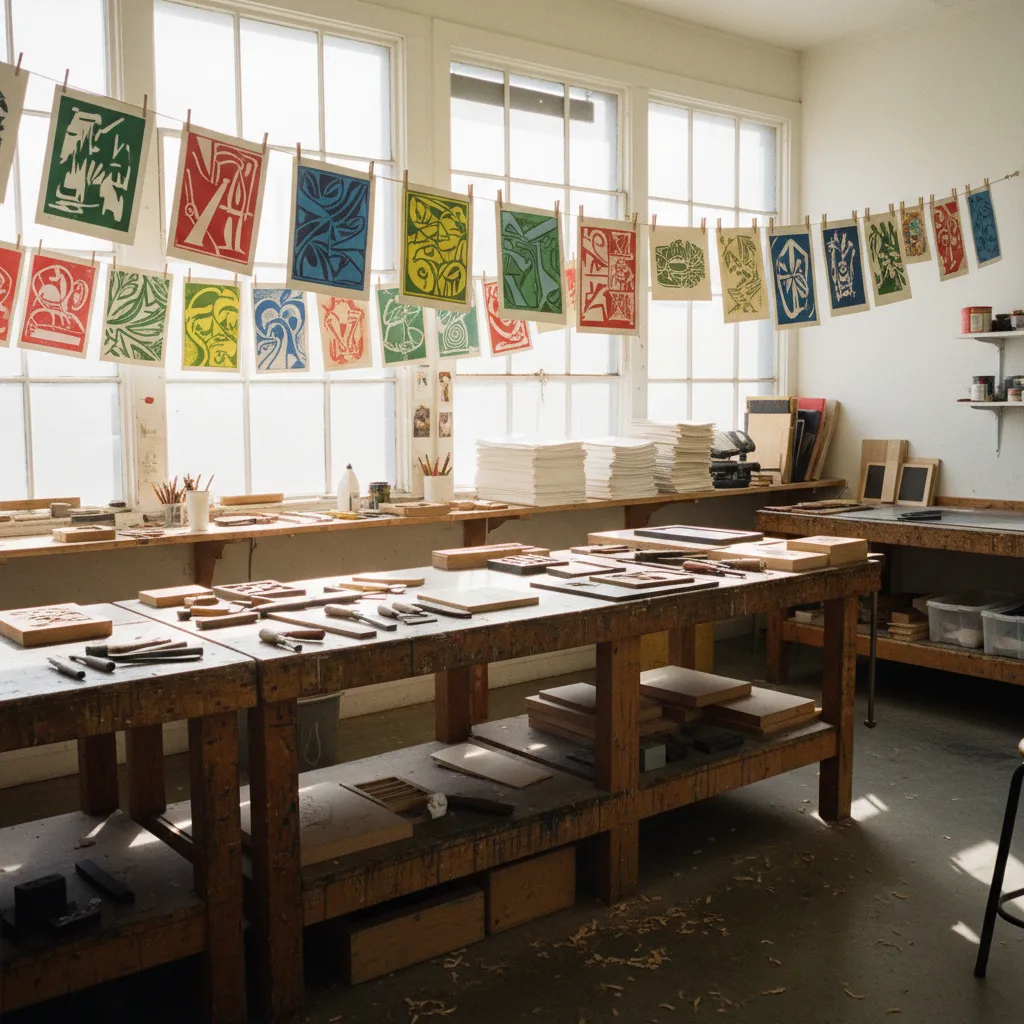
Explore dynamic relief printmaking and hand baren printing traditions inside converted industrial artist studios in San Francisco Mission lofts.
San Francisco's Mission District and the neighboring industrial slopes of Potrero Hill have long formed the city's premier epicenter for radical poster arts, mural painting, and community printmaking. Enrolling in an open woodblock print workshop here immerses modern creators in that storied tradition of manual graphic expression. Converted brick warehouses along historic rail spurs now provide cavernous, sunlit studios where students gather around sturdy timber worktables to learn relief cutting from seasoned local artisans.
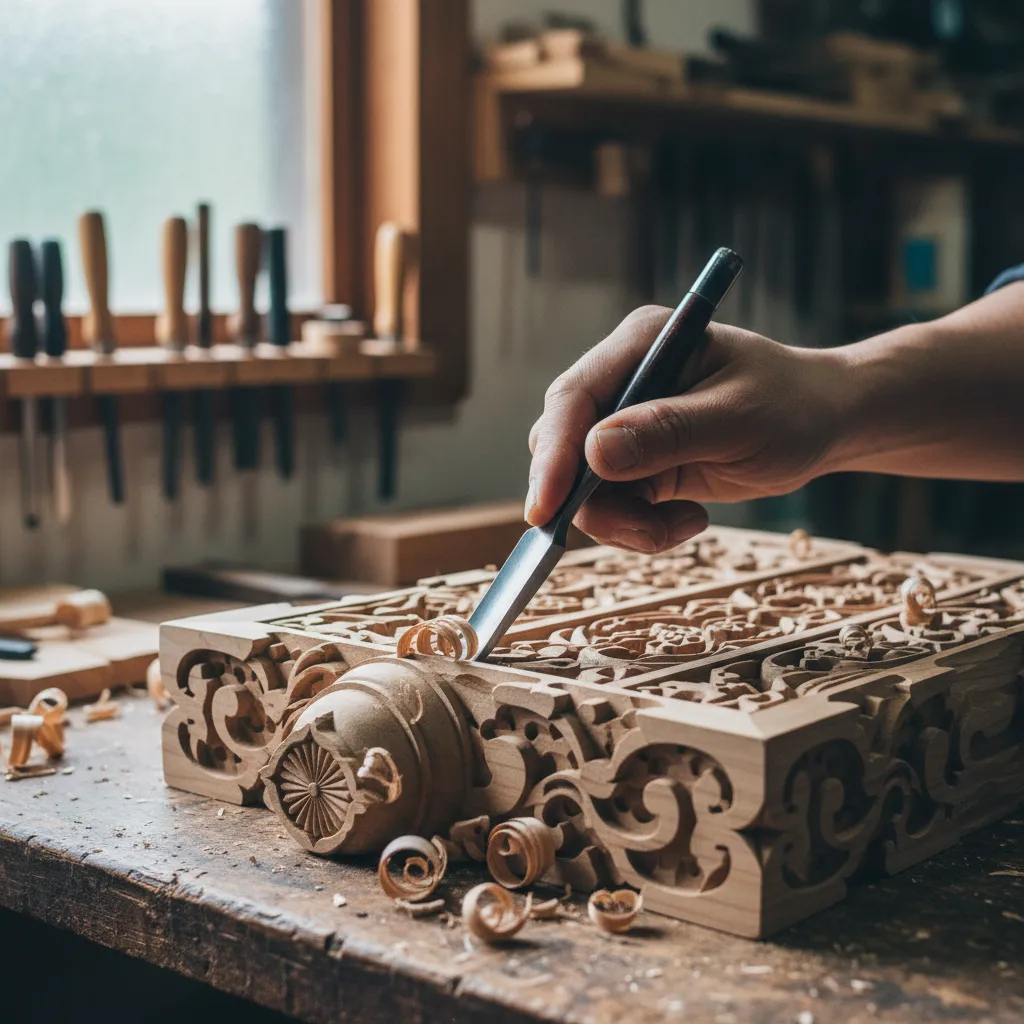
The atmosphere inside Mission print lofts balances working-class industrial grit with vibrant artistic camaraderie. Lofty timber truss ceilings, exposed red brick masonry, and worn fir plank floors provide a durable backdrop for heavy maple print benches equipped with custom bench stops. Natural northern light pours through steel-sash windows, illuminating trays of sharpened Japanese gouges, leather strops, and dampening blotters as makers work side by side in companionable quiet.
Relief printmaking in this neighborhood emphasizes raw physical engagement with organic materials over detached screen-based design. Carving a block of timber requires makers to slow their breathing and respond to the subtle density shifts across natural wood grain. Every decisive gouge cut leaves an indelible mark on the plate, teaching patience, precision, and an appreciation for the honest, handmade irregularities that give relief prints their enduring visual soul.
The neighborhood's dynamic streetscape—from colorful alleyway murals and historic Victorian rooflines to weathered industrial rail warehouses—provides inexhaustible visual inspiration for block designs. Translating local Mission scenes into stark black-and-white relief prints trains artists to simplify complex urban environments into striking graphic silhouettes, capturing the authentic pulse of San Francisco's most creative district.
Selecting Substrates and Carving Tool Mechanics
Every successful print begins with selecting an appropriate wooden block suited to your intended design. Students frequently start with fine-grained Japanese shina plywood, prized for its knot-free uniformity, smooth texture, and resistance to chipping during curved cuts. Advanced carvers often work with solid basswood or mountain cherry planks that hold crisp typographic borders and endure extensive edition printing without wearing down.
Mastering specialized carving chisels is the foundational skill taught during the morning session. Students learn to wield the angled hanto knife to incise clean boundary lines that safeguard delicate design details from accidental chipping. Accompanying U-shaped gouges swiftly excavate wide negative spaces, while fine V-shaped tools cut delicate crosshatch patterns and subtle shadow textures across the relief surface.
Studio instructors emphasize proper posture and safe hand mechanics to prevent accidents and physical fatigue. Carvers anchor their wooden panels firmly against raised bench hooks, ensuring that the non-dominant guide hand remains strictly behind the cutting blade at all times. Applying steady forward momentum from the shoulders rather than bending the wrist ensures smooth, continuous shavings and eliminates chatter marks across the wood.
Developing sensitivity to wood grain direction ensures clean, splinter-free cutting action across the plate. Carving parallel to grain fibers produces smooth, curling shavings, whereas carving across the grain demands decisive, shallow slicing strokes. Instructors encourage carvers to rotate their wooden panels frequently on the bench hook to maintain natural, ergonomic cutting angles for every curve.
Water-Based Moku Hanga Inking and Paper Selection
Mission workshops frequently celebrate the traditional Japanese moku hanga method, which replaces petroleum-based solvents with non-toxic, water-based pigments and natural rice paste. Mixing ground pigments or artist-grade watercolors directly on the damp wooden block allows delicate washes and soft tonal fades. This sustainable technique creates breathable, velvety impressions where the ink binds deeply with the paper fibers without synthetic odor.
For creators seeking bold, high-contrast graphics, water-washable oil relief inks provide deep opacity and velvety black saturation. Printmakers roll ink out on polished plate glass with soft rubber brayers, listening for the distinctive gentle hiss that signifies an even, thin ink film. Proper inking control prevents clogging fine carved lines while guaranteeing crisp image transfer on every paper pull.
Choosing the right paper substrate is critical for successful hand printing. Studios stock a wide variety of handmade Japanese washi, including absorbent mulberry sheets, delicate kozo paper, and heavier cotton rag papers. Lightly humidifying the paper sheets between moist blotters softens the plant fibers, allowing them to draw pigment cleanly from the woodblock under gentle hand pressure without tearing.
Hand Baren Impression and Registration Craft
Transferring ink without a heavy mechanical printing press relies on the traditional hand baren. This disc-shaped tool features a coiled bamboo inner core supported by lacquered paper discs and wrapped tightly in a ribbed bamboo leaf. Applying firm, circular palm pressure across the back of the print drives ink into the dampened paper fibers with remarkable clarity and uniform distribution.
Multi-block color printing requires carving precise kento registration marks directly into the corners of each wooden block. An L-shaped corner guide on the bottom right and an aligned straight stop along the bottom edge ensure that the paper drops into the exact same position for every successive color pass, guaranteeing hairline alignment across the entire print edition.
Peeling the printed sheet slowly away from the carved block is the ultimate reward of relief printmaking. The freshly pulled print reveals crisp raised linework, rich color saturation, and the natural grain of the woodblock permanently pressed into the fibers. Each hand-pulled impression carries unique nuances that make it an authentic, one-of-a-kind art piece with undeniable craft value.
Mission Alleys and Studio Planning Advice
Concluding your workshop with a walk through the Mission and Potrero corridors offers a wonderful creative transition. Strolling past historic mural-painted alleys, neighborhood coffee roasters, and independent art bookshops allows newly pulled prints to dry safely in protective blotter portfolios. The neighborhood's vibrant creative spirit provides endless inspiration for future printmaking projects and expanded personal sketchbooks.
Preparing for your initial relief printing class is straightforward and enjoyable. Dressing in comfortable, studio-ready clothing and bringing high-contrast thumbnail sketches will help you dive straight into carving with confidence. The Karpo APP makes it easy to discover local artisan workshops, locate community print studios, and design memorable weekend craft itineraries across the San Francisco Bay Area.
Ask Karpo for more information.
Keep reading
- Stonestown Winter Farmers Market Picker for Student Cooks
 Clement St Winter Farmers Market Picker for Lunar New Year
 Fort Mason Winter Farmers Market Picker for Citrus Bakers