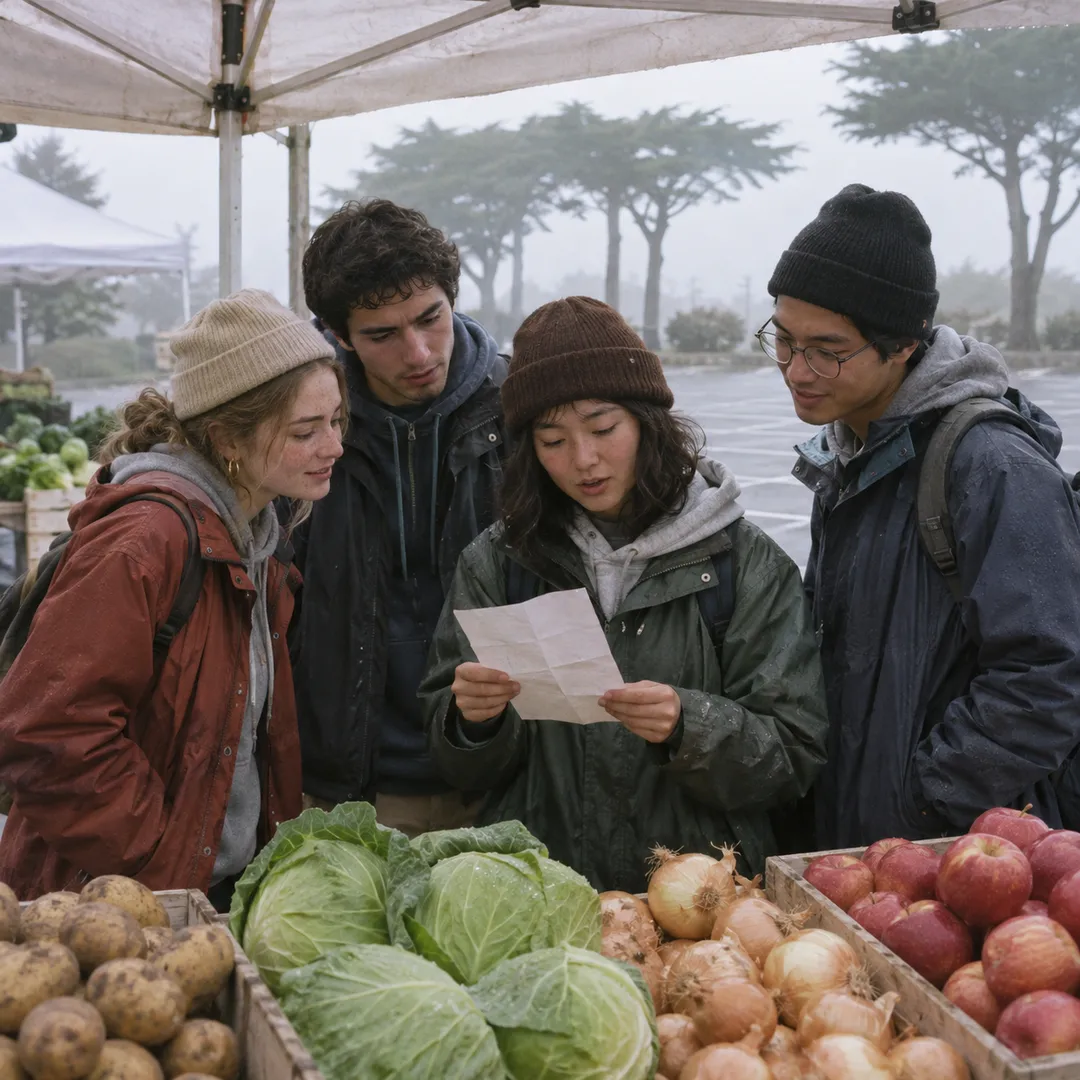
 Stonestown Winter Farmers Market Picker for Student Cooks
Weekend Plans
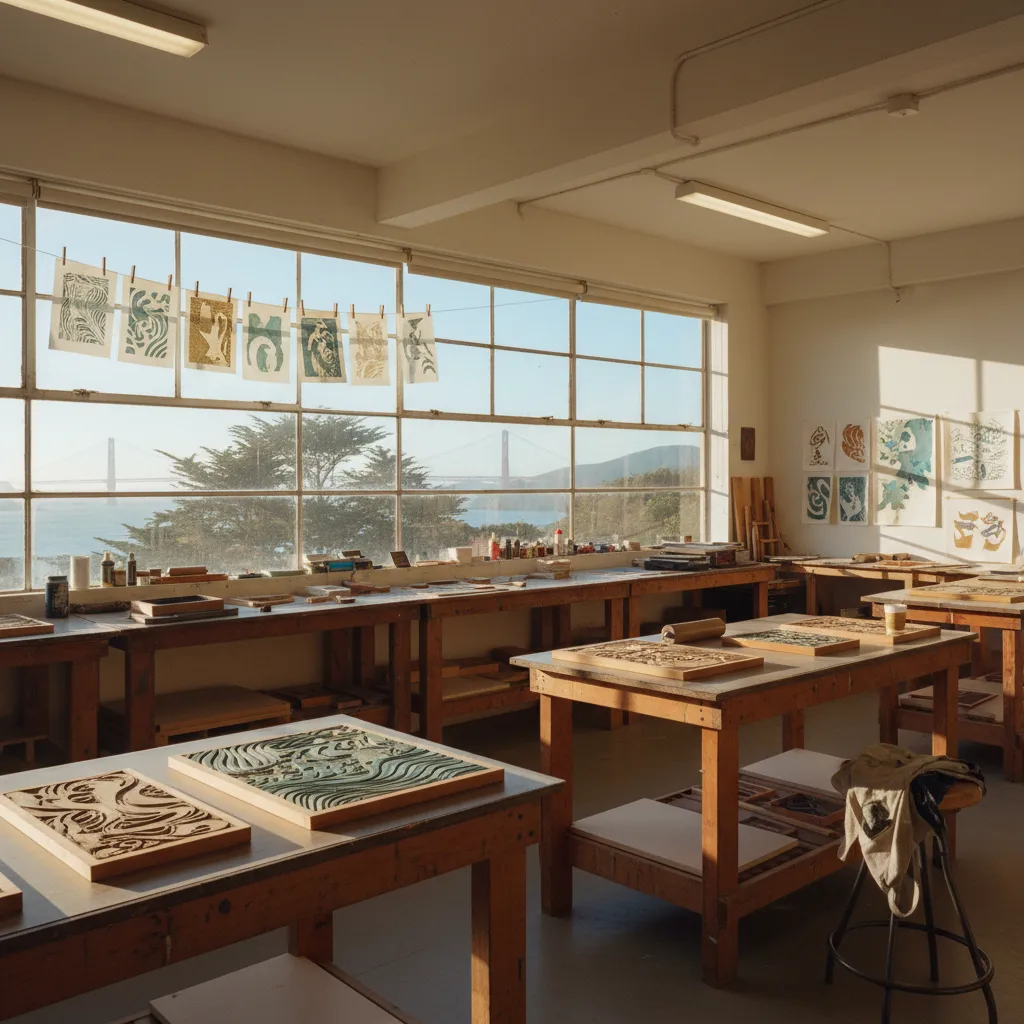
Marina Presidio Woodblock Print Workshop Scenic Bay Trail
Discover coastal relief printing techniques and fine paper dampening methods in tranquil maritime printmaking studios by the sunny bay shore.
Where the historic Spanish Presidio headlands slope gently toward the salt water of the Marina yacht harbor, creative printmakers discover an oasis of quiet focus. Converted military craft halls and neighborhood studios benefit from steady Pacific breezes and clear maritime daylight that illuminates long butcher-block carving tables. Joining a relief printmaking workshop in this tranquil corner of the city provides an inspiring setting for mastering block design and hand printing. The steady rhythm of carving tools shearing through pine and cypress blocks sets a calm, productive studio tone where makers can fully absorb traditional relief printmaking.
The studio atmosphere balances maritime coastal serenity with purposeful workshop industry. High multi-pane windows look out across cypress groves toward Alcatraz and the Golden Gate, casting diffuse northern light over rows of carved plates, honing stones, and drying racks. The faint scents of pine resin, damp printmaking paper, and soy-based cleaning oils create an environment where creators naturally lose track of time while pursuing tactile mastery.
Relief block cutting demands mindful physical coordination that grounds urban artists after weeks of digital screen overload. Slicing through basswood planks requires focused breath control, tactile intuition, and steady pressure. Each deliberate ribbon of shaved wood transforms a raw wooden board into a graphic matrix capable of producing multiple hand-pulled impressions of striking clarity.
The dramatic natural landscapes surrounding the Marina—from wind-bent Monterey cypress trees and sand dunes to passing container ships and fog banks—furnish limitless visual ideas for relief compositions. Students learn to distill shifting tidal waters, eucalyptus canopies, and historic masonry arches into balanced arrangements of positive line and negative space that translate beautifully into ink.
Selecting Seasoned Timber and Precision Carving Mechanics
Choosing the right wooden substrate represents the critical first step in producing an enduring relief print. Beginners typically work with layered Japanese shina plywood, celebrated for its smooth face veneers, predictable density, and resistance to chipping along diagonal cuts. Advanced students often tackle seasoned solid basswood or mountain cherry planks that maintain microscopic line fidelity through lengthy print runs. Seasoned timber boards offer reliable cellular density that allows delicate ocean ripples and coastal wind textures to be carved with absolute precision.
Instructors introduce carvers to the unique cutting dynamics of traditional Japanese woodblock knives. The angled hanto knife scores crisp perimeter boundaries around delicate illustration features, preventing tear-out during subsequent background clearing. Round-bottomed maruto gouges quickly scoop away unwanted wood, while narrow V-gouges carve fine directional hatching and ocean wave textures with effortless precision.
Maintaining safe workshop mechanics is essential for preventing hand strain and accidental tool slips. Carvers anchor their wooden panels firmly against heavy bench hooks, making certain that the non-cutting guide hand remains positioned safely behind the blade. Applying steady forward pressure from the shoulders rather than bending wrists ensures clean, ribbon-like shavings and uniform cutting depths across the block.
Controlling depth of cut is vital when clearing background spaces. Carving too deeply risks gouging into underlying wood plies, while overly shallow valleys may catch stray ink from rollers during heavy pressure passes. Mentors teach students to calibrate depth by touch and sight, creating smooth, undulating relief floors that stay immaculate and unprinted.
Eco-Friendly Inking Methods and Damp Paper Prep
Marina studios actively promote sustainable, non-toxic relief inking protocols that prioritize air quality and material preservation. Traditional water-soluble printing pastes combine finely ground mineral pigments with cooked starch paste, blended with wide horsehair brushes right on the dampened block face. This time-tested Japanese technique leaves paper fibers soft and breathable, producing subtle watercolor gradations impossible with synthetic enamels.
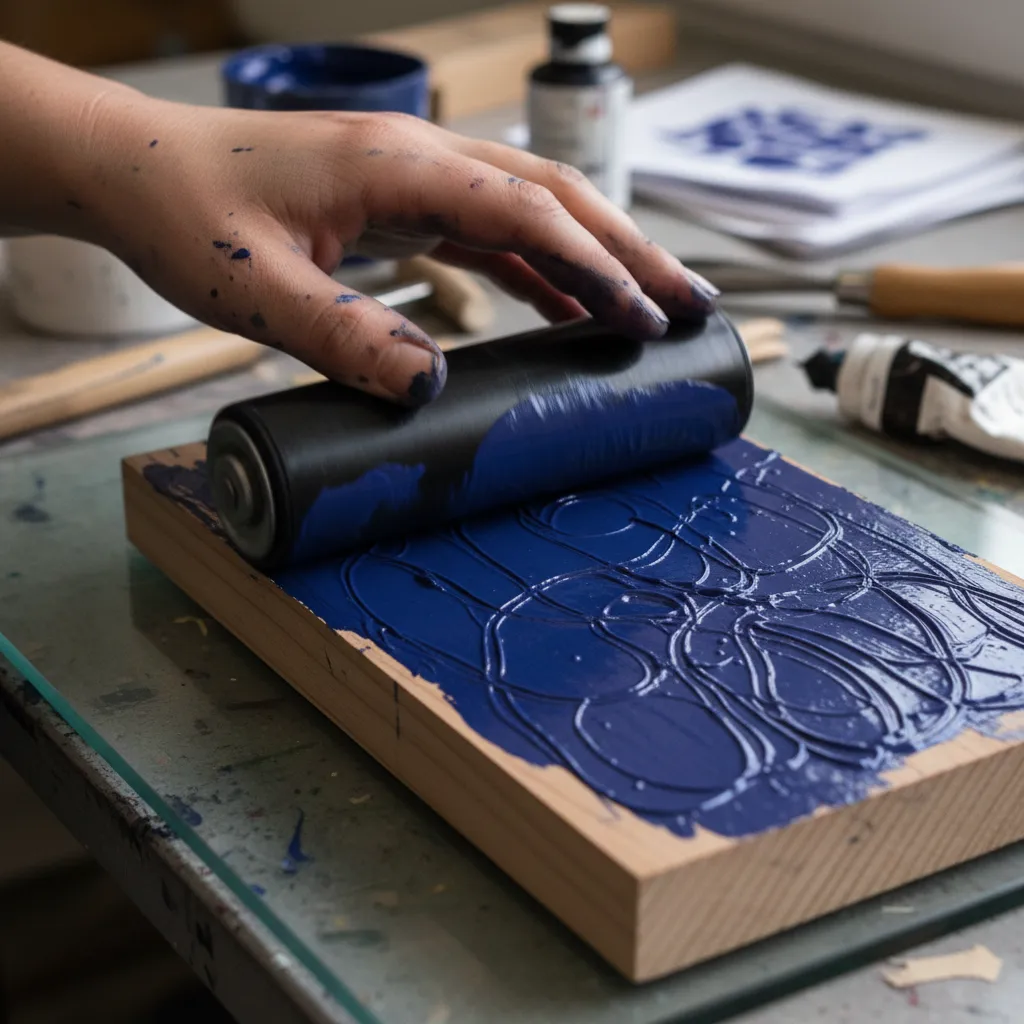
For artists seeking deep opaque graphic strength, modern non-hazardous oil inks rolled with dense rubber brayers provide rich velvety coverage. Printers roll thin ribbons of ink across glass palettes until an even, fine orange-peel texture develops on the roller. Careful ink metering prevents overflowing delicate relief valleys while ensuring consistent color density across the entire image area.
Selecting the ideal paper stock dramatically shapes the final visual aesthetic. Workshops supply imported Japanese washi made from mulberry, gampi, and kozo fibers, admired worldwide for their remarkable flexibility and longevity. Lightly misting sheets between absorbent blotters softens the fibrous matrix, allowing the paper to draw ink cleanly from relief ridges without requiring extreme mechanical force.
Hand Baren Pressure and Multi-Pass Alignment
Transferring ink from block to paper without a mechanical press relies on the traditional bamboo baren. This disc-like instrument features a coiled bamboo rope core wrapped in natural bamboo skin, concentrating human arm weight through the reverse side of the print. Moving the baren in rhythmic, expanding spirals drives pigment deep into the humidified paper fibers with absolute consistency.
Multi-color prints require cutting precise kento registration notches directly into the margins of each wooden block. An L-shaped corner notch and an aligned straight border guide ensure that every sheet drops into the exact same position for each color layer. This simple wooden registration method allows students to achieve razor-sharp registration across complex multi-block editions without complex machinery.
The climactic moment of every workshop occurs when the carver gently peels the printed sheet away from the carved block. Lifting the paper reveals crisp embossed contours, luminous color saturation, and the natural organic grain of the wood transferred permanently into the fibers. Each hand-rubbed impression carries subtle variations that mark it as a genuine, collectible piece of original craft.
Crissy Field Strolls and Studio Preparation
Following your coastal print session, heading out toward the Crissy Field promenade offers a scenic stroll along San Francisco's picturesque northern shoreline. Walking past historic aircraft hangars, tidal wetlands, and sandy beach lookouts allows wet prints to cure safely in protective carrying portfolios. The refreshing sea air clears the mind and sparks fresh ideas for subsequent coastal print editions.
Getting ready for an intensive weekend relief workshop is straightforward and rewarding. Bringing high-contrast linear sketches scaled to standard block sizes lets you begin carving immediately without wasting studio time on basic composition. The Karpo APP provides an indispensable directory for finding waterfront print classes, exploring neighborhood makerspaces, and organizing enriching cultural itineraries across coastal San Francisco.
Ask Karpo for more information.
Keep reading
- Stonestown Winter Farmers Market Picker for Student Cooks
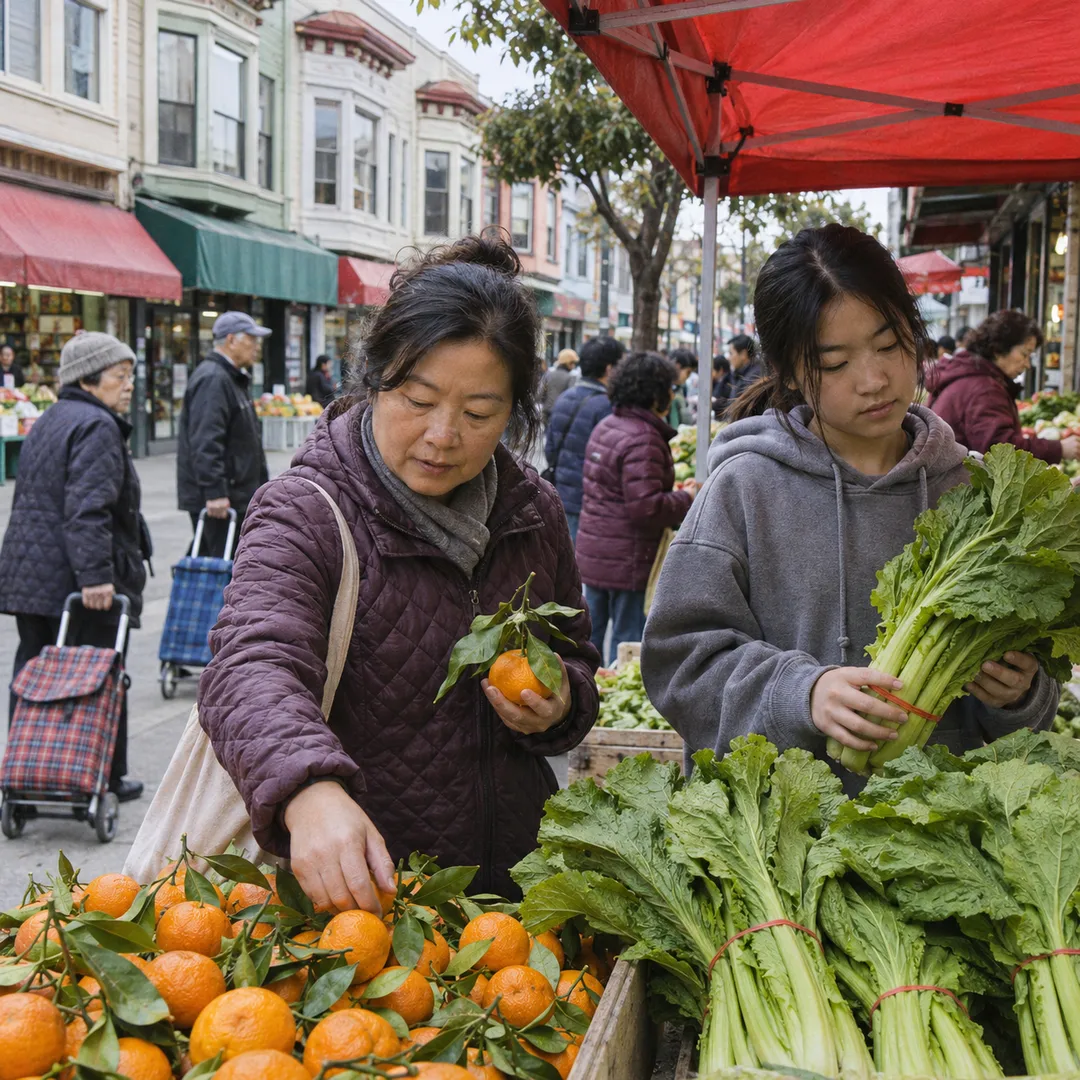 Clement St Winter Farmers Market Picker for Lunar New Year
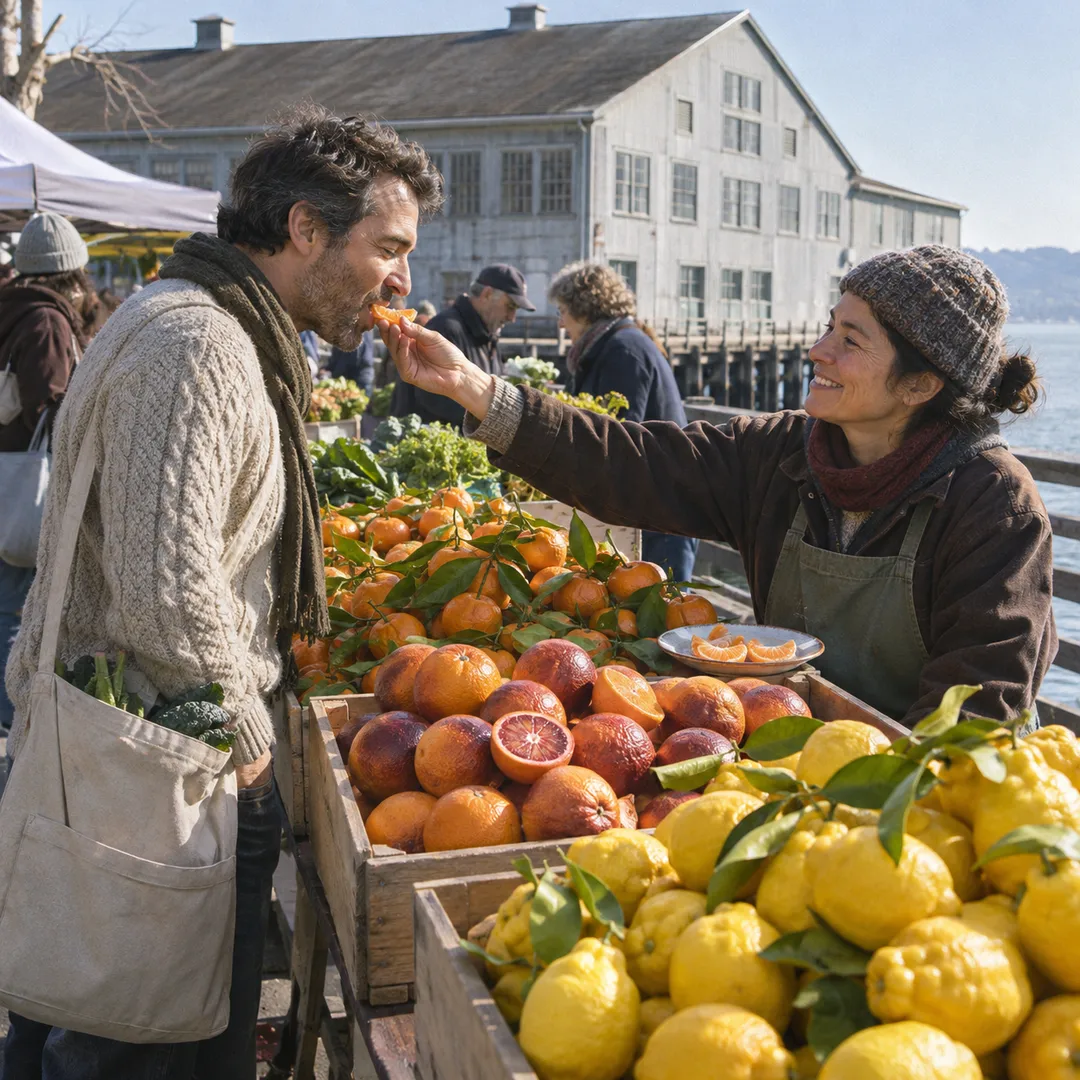 Fort Mason Winter Farmers Market Picker for Citrus Bakers