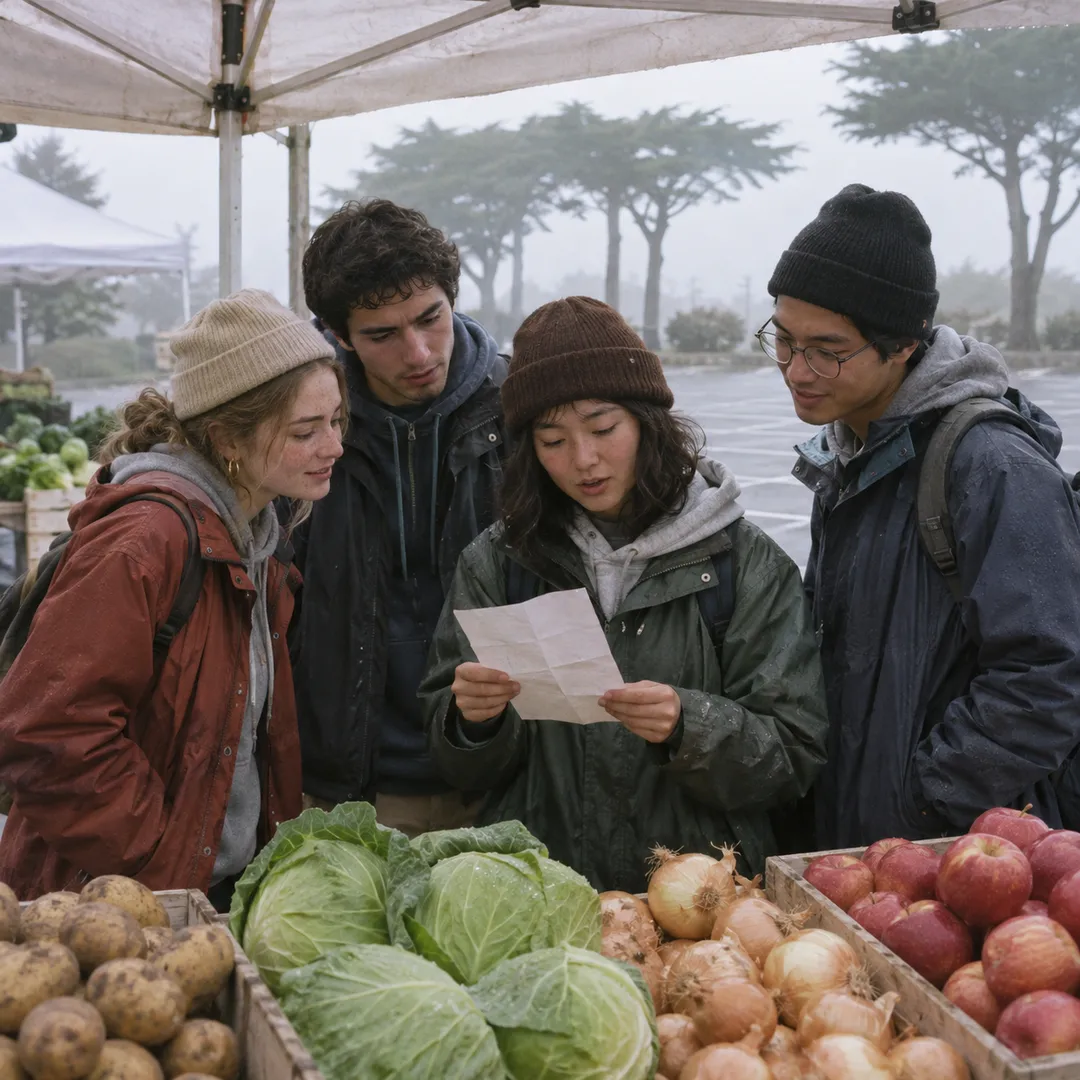
 Stonestown Winter Farmers Market Picker for Student Cooks
Weekend Plans
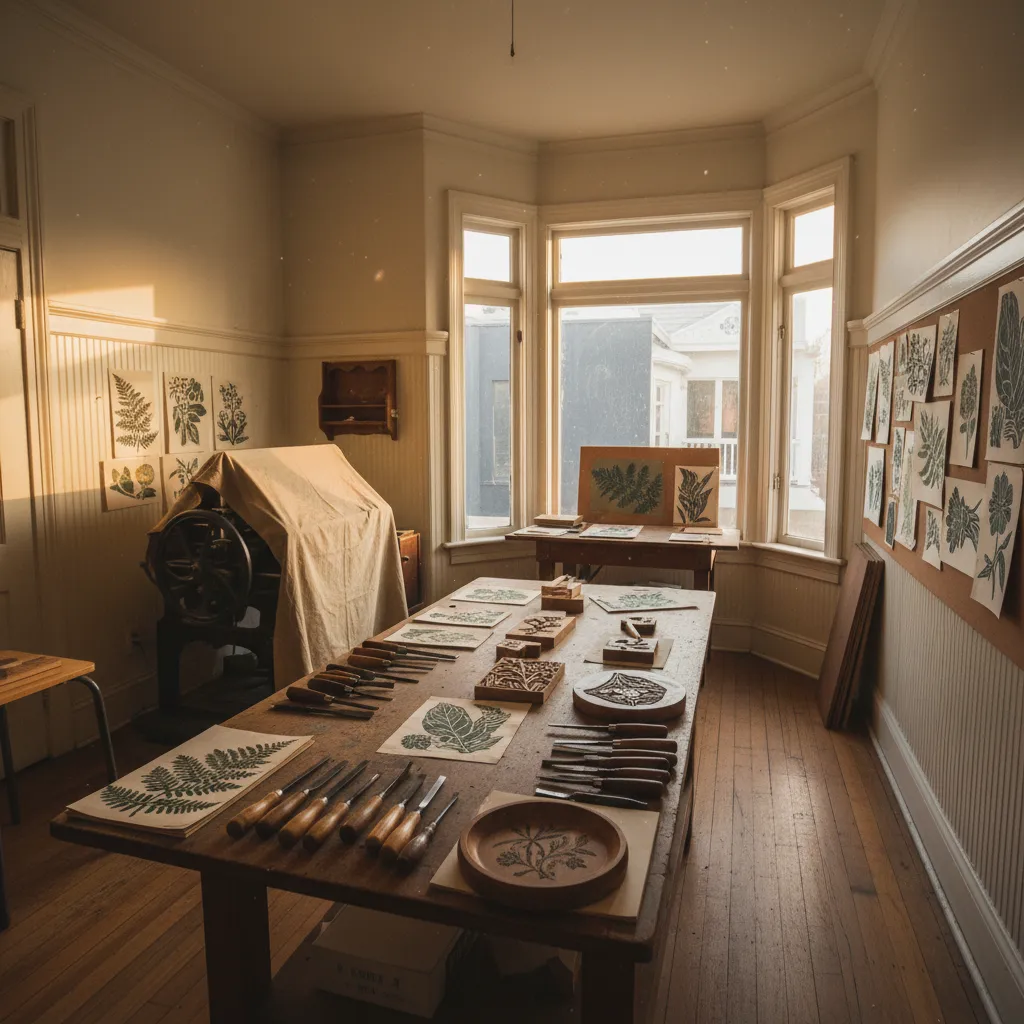
Hayes Valley Woodblock Print Workshop Western Studio Route
Master woodblock relief carving and botanical block printmaking in sunlit Victorian craft studios across central San Francisco artist quarters.
Surrounded by the ornate Victorian facades, pocket courtyards, and bustling design boutiques of Hayes Valley and the Western Addition, community print studios foster an intimate, design-forward crafting experience. Here, makers gather inside restored turn-of-the-century parlors with tall double-hung windows and polished fir floors to learn the delicate art of woodblock printmaking. Enrolling in a workshop in this central creative quarter bridges historic architectural craft with modern graphic illustration. The warm natural light and historic woodwork establish an inviting creative sanctuary where makers from diverse backgrounds gather to exchange technical insights. Slicing into smooth woodblocks amidst Victorian architectural details reawakens tactile creativity and deep artistic satisfaction.
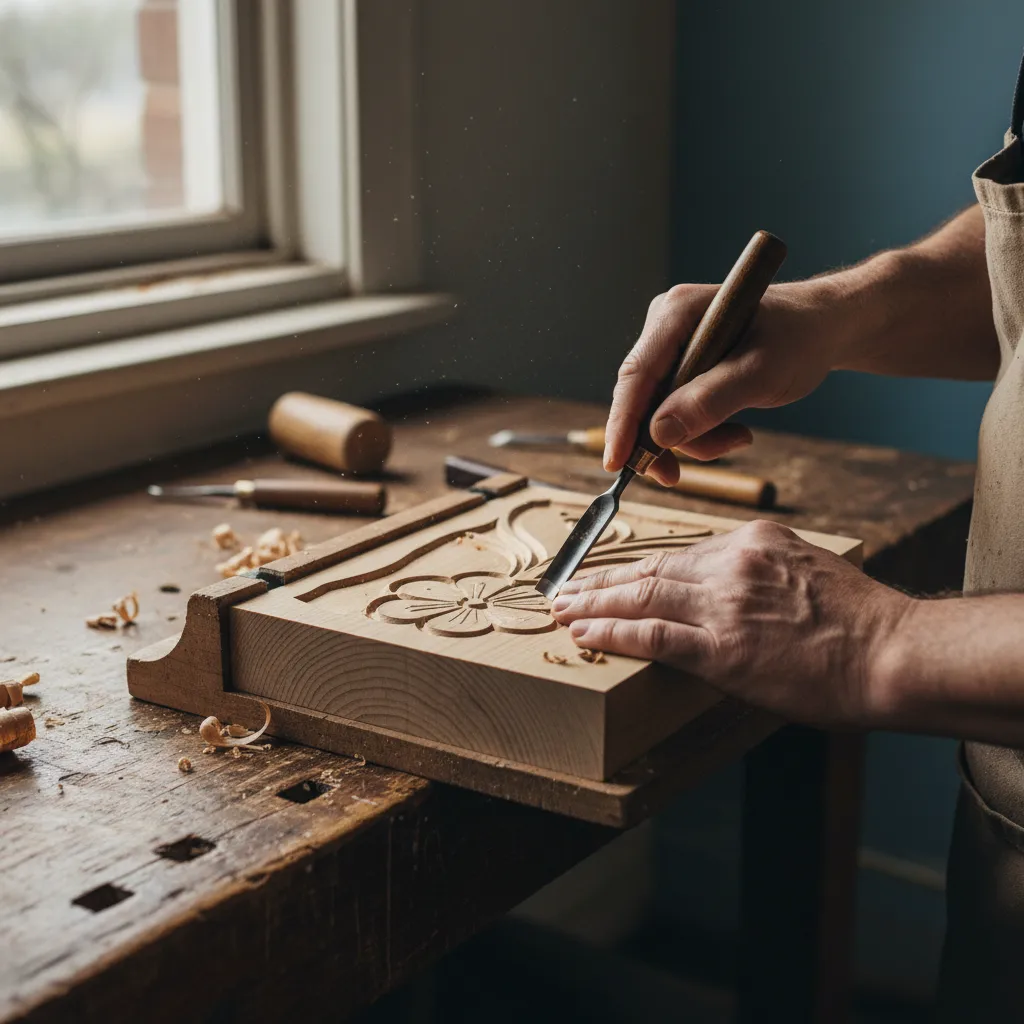
The studio atmosphere in Hayes Valley balances refined neighborhood sophistication with welcoming, hands-on maker energy. Long communal worktables are fitted with heavy brass bench hooks, leather-wrapped strops, and ceramic waterstones. Warm afternoon light streams across trays of carving tools and drying proof sheets, creating an inspiring environment where both beginners and experienced illustrators can focus on manual technique without distraction.
Relief carving provides a deeply tactile counterweight to screen-heavy urban routines. Carving wood demands deliberate presence, as makers learn to read the subtle direction of annual growth rings and adapt blade pressure to natural grain densities. Each controlled shaving carved from the block transforms raw timber into a dynamic relief stamp that reflects the maker's personal artistic vision.
The distinctive architectural gingerbread trim, wrought iron balconies, and lush sidewalk plantings of Hayes Valley provide rich visual subject matter for block prints. Students learn to distill ornate window arches, bay silhouettes, and local botanical textures into high-contrast relief compositions, using clean black-and-white cutting to celebrate the unique architectural soul of historic San Francisco.
Botanical Relief Motifs and Hand Tool Handling
Preparing a floral or architectural block requires transferring refined linear designs onto seasoned wood panels. In Hayes Valley studios, students trace botanical studies onto silky shina wood blocks using non-smudge graphite paper. Shina's supple, even cellular structure allows intricate organic curves and leaf veins to be carved without fear of the wood splitting along abrupt grain lines. Carving into fine shina plywood gives beginners the tactile confidence to shape ambitious compositions without fighting splintering wood fibers. Selecting supple shina plywood guarantees that intricate leaf veins and ornamental arches carve smoothly without unexpected grain resistance.
Working with micro-carving chisels demands light finger control and delicate wrist balance. The razor-sharp hanto knife cleanly severs wood fibers along curving petal borders, while microscopic U-gouges carve delicate stem textures and stippled background shadows. Flat chisels, or aisuki, glide across open field margins to remove excess wood while leaving smooth, clean valleys that never touch inking rollers.
Carvers cultivate mindful workshop posture to maintain unbroken artistic stamina throughout the afternoon. Students rest their forearms flat along padded workbench surfaces, guiding gouge blades with balanced two-handed leverage. By relying on slow, controlled body weight rather than strained fingertips, carvers produce long, fluid wood shavings that lift effortlessly from the block surface.
Honing cutting edges regularly represents an essential ritual of the printmaker's craft. Artisans lubricate fine Arkansas oil stones or diamond ceramic plates with mineral oil, making smooth figure-eight stroking passes to polish blade bevels to mirror sharpness. A sharp tool effortlessly cuts cross-grain fibers without crushing cell walls, ensuring crisp, immaculate print edges.
Gouache Pigment Formulations and Hand Inking
Printmaking instructors in Hayes Valley emphasize the delicate expressive range of traditional water-based pigment formulations. Students grind vibrant artist-grade gouache cakes into distilled water, blending the saturated liquid with sweet rice flour paste directly on the wooden block. Soft badger and sheep-hair inking brushes work color smoothly into the wood pores, yielding velvety matte color fields.
For graphic illustrators seeking bold monochromatic impact, soy-based non-toxic relief inks offer rich, opaque density. Printmakers charge soft rubber rollers on plate glass until an ultra-fine, even layer of black pigment is established. Rolling the block with light, multi-directional strokes transfers an even film across raised relief ridges without clogging delicate negative spaces.
Selecting handmade art papers completes the tactile printmaking process. Studios provide imported Echizen and Awagami washi sheets crafted from renewable kozo and mitsumata bark. Humidifying paper packs between damp felts softens the long plant fibers, allowing them to absorb liquid pigment smoothly and capture the microscopic texture of the hand-carved wood grain.
Baren Pressure Techniques and Color Alignment
Pulling impressions by hand relies on the nuanced pressure of the Japanese baren. Consisting of a tightly wound bamboo coil backed by stiff card disks and wrapped in a fresh bamboo sheath, the baren transmits gentle palm force across the paper back. Moving the tool in overlapping elliptical circles forces ink deep into the paper fibers without stretching the sheet.
Multi-plate color registration relies on traditional kento alignment notches incised into each wooden block. Artisans carve an L-shaped corner guide on the lower right alongside a straight margin stop. Dropping paper corners snugly into these wooden notches ensures that subsequent color layers land with hairline precision across every editioned sheet.
The magical moment of peeling the printed proof from the block rewards hours of patient hand carving. Slowly lifting the damp washi sheet reveals rich saturated hues, subtle paper debossing, and the organic wood grain permanently preserved in ink. Each finished print possesses subtle handmade variations that make it a truly unique collectible art object.
Octavia Street Walks and Studio Preparation
Concluding your workshop session with a leisurely walk down Octavia Street and through Hayes Valley's charming green parks offers a refreshing creative pause. Strolling past independent design shops, open-air cafes, and public art installations allows wet prints to dry flat in archival portfolios. The neighborhood's vibrant aesthetic energy provides fresh creative sparks for upcoming carving projects.
Arriving at your first Hayes Valley relief workshop with simple linear thumbnail sketches allows you to dive straight into block carving. Wearing casual studio clothes that handle water-based inks lets you print with complete peace of mind. The Karpo APP serves as a versatile guide for discovering central San Francisco artisan courses, locating hidden printing collectives, and planning rewarding cultural weekends.
Ask Karpo for more information.
Keep reading
- Stonestown Winter Farmers Market Picker for Student Cooks
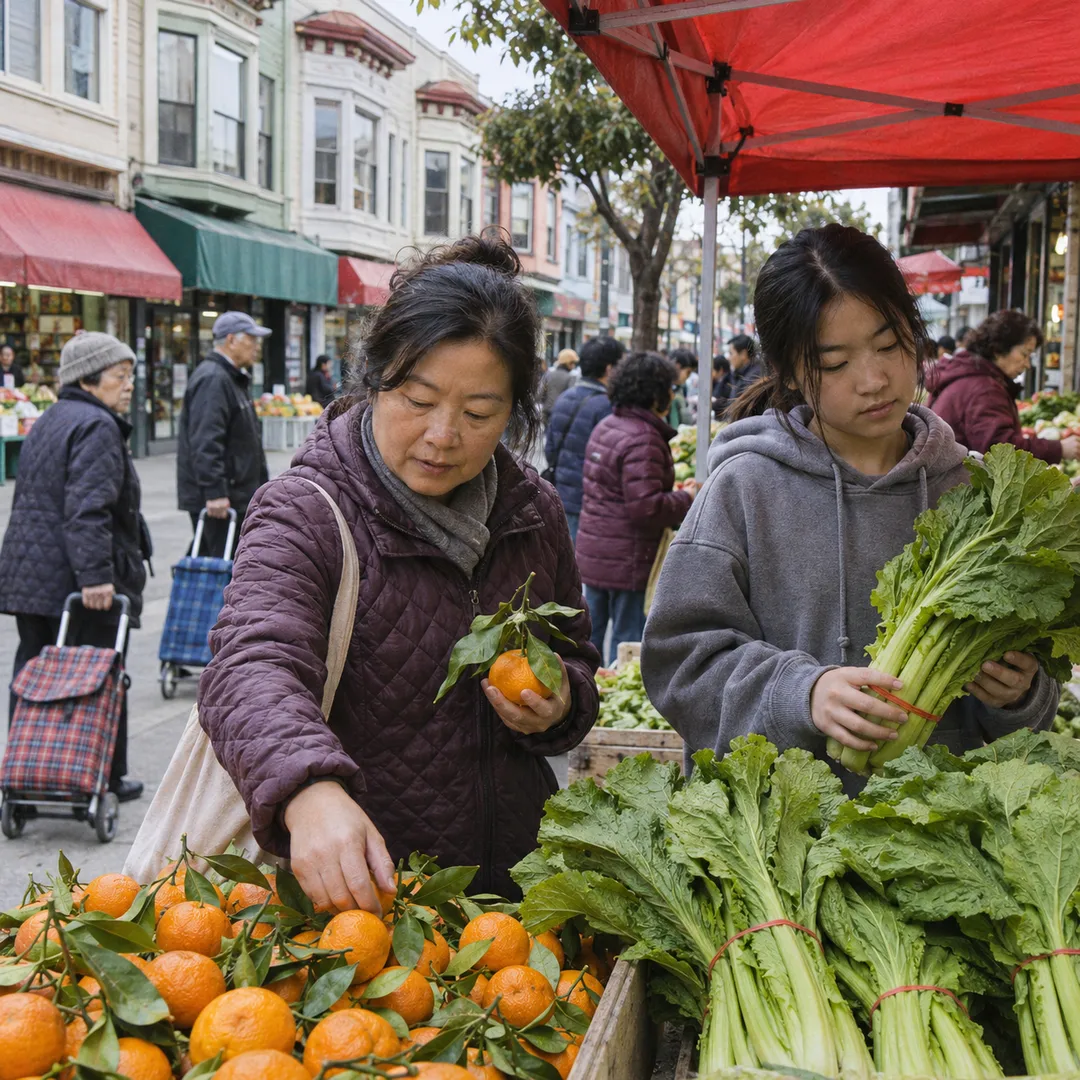 Clement St Winter Farmers Market Picker for Lunar New Year
 Fort Mason Winter Farmers Market Picker for Citrus Bakers