If you are hunting for the best wok in San Francisco, Chinatown is still the place where the heat, speed, and crowd pressure work in your favor. The dishes worth crossing town for are the ones that hit the pan hard and leave a little smoke, whether you want noodles, rice, greens, or a meat-and-egg comfort plate. The trick is knowing where to look, when to go, and what to order so you get the clearest wok hei without waiting too long.
Text Karpo and ask for a live, same-day route through San Francisco Chinatown with open spots, the best lunch window, and the fastest way to the dishes locals actually order. You get a public-only plan that saves time before you head out.

What to order first in Chinatown
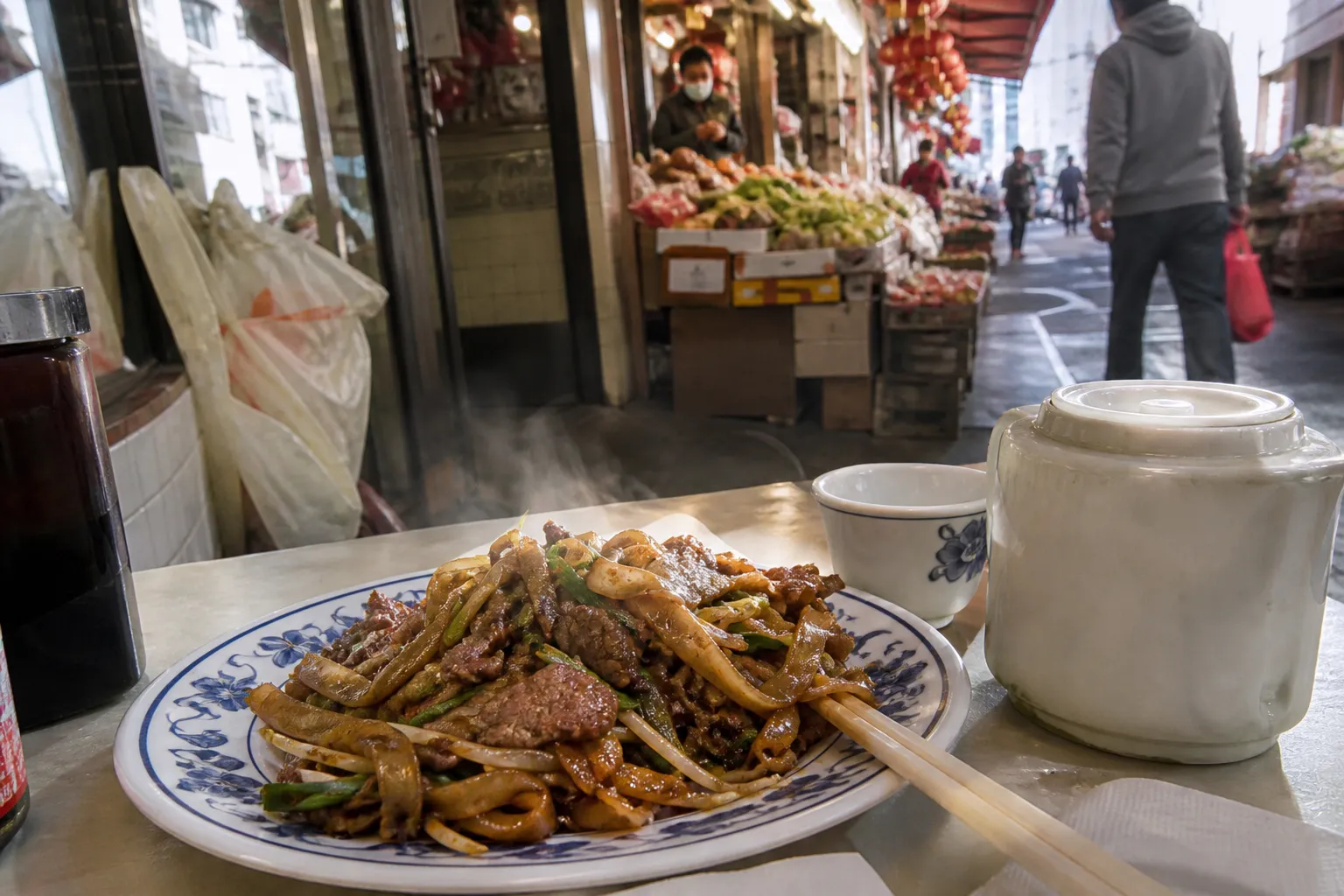
Start with dishes that show off direct high-heat cooking. Beef chow fun is the classic test: wide rice noodles should look glossy, slightly charred at the edges, and loose enough to pick up without clumping. In Chinatown, this is the plate that tells you whether a kitchen still trusts real heat instead of just sauce. If you want the most reliable introduction to wok locations San Francisco diners chase, this is the dish to use as your baseline.
From there, turn to salt-and-pepper crab, ginger-scallion lobster, and simple dry-fried green beans. Those plates are less about heavy seasoning and more about how the kitchen handles timing. For lunch, egg noodle dishes and shrimp fried rice are often the fastest way to get wok flavor without the price jump of seafood. The sweet spot is usually a short weekday window before the midday rush, when the line is moving but the pans are already hot.
The Chinatown blocks that matter most
Around Stockton Street, the lunch crowd tends to move fast, and that matters because busy turnover usually means ingredients are fresher and the wok stays hot. Grant Avenue can be easier for a slower first stop if you are walking from Union Square or the cable car area, but the more utilitarian dining rooms near Stockton often deliver the strongest no-frills plates. If you are comparing the best wok sf options, focus less on decor and more on whether the room is full of locals on a work break.
Portsmouth Square is a useful landmark when you are planning a food run, especially if you want to build a short loop instead of wandering randomly. The quieter entrances are often the side doors off the main drag, where you can slip in without getting stuck behind tour groups. That matters around lunch and again near early dinner, when the front of the dining room can feel packed even if there is still seating farther back.
How to read a good menu fast
When you are deciding where to find wok dishes, scan for words like dry-fried, stir-fried, pan-fried, and house special before you even look at the price. Those phrases usually point to the dishes most likely to come out with real sear. Avoid menus that lean too hard on saucy covers for everything; a kitchen that can handle wok hei will usually show confidence in simpler plates too. The cleanest results often come from dishes with fewer ingredients, because the heat reads more clearly on the finished plate.
Price tiers in Chinatown still make the area appealing. You can usually keep lunch in a modest range with noodles, rice, or greens, while seafood and specialty platters move into a higher tier quickly. If you are ordering for two, a smart mix is one noodle dish, one vegetable, and one richer protein dish. That gives you contrast without overpaying for a table full of the same sauce profile. Ask for rice only if the group truly wants it; otherwise, the starch in the stir-fry is usually enough.
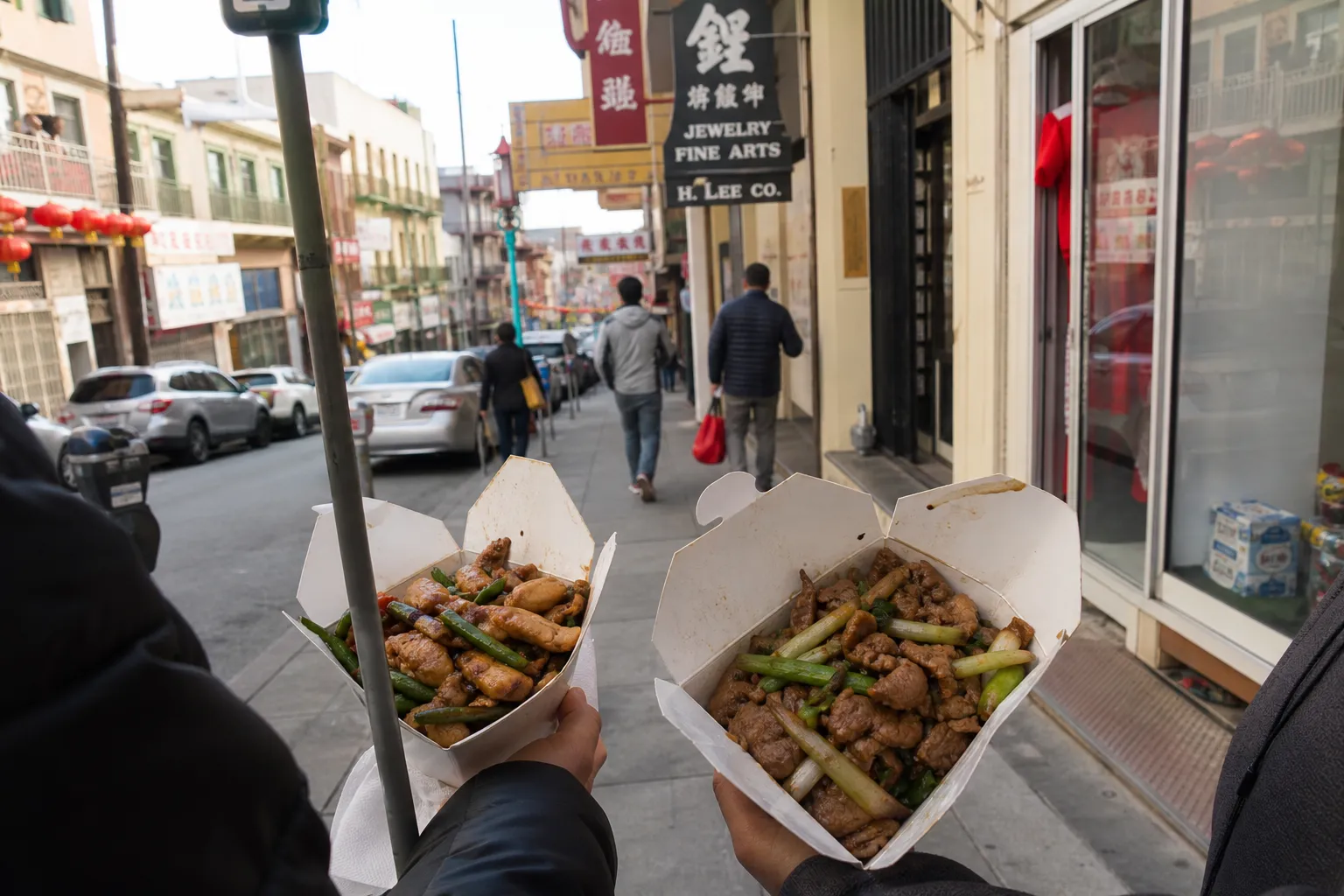
Best timing for the strongest wok flavor
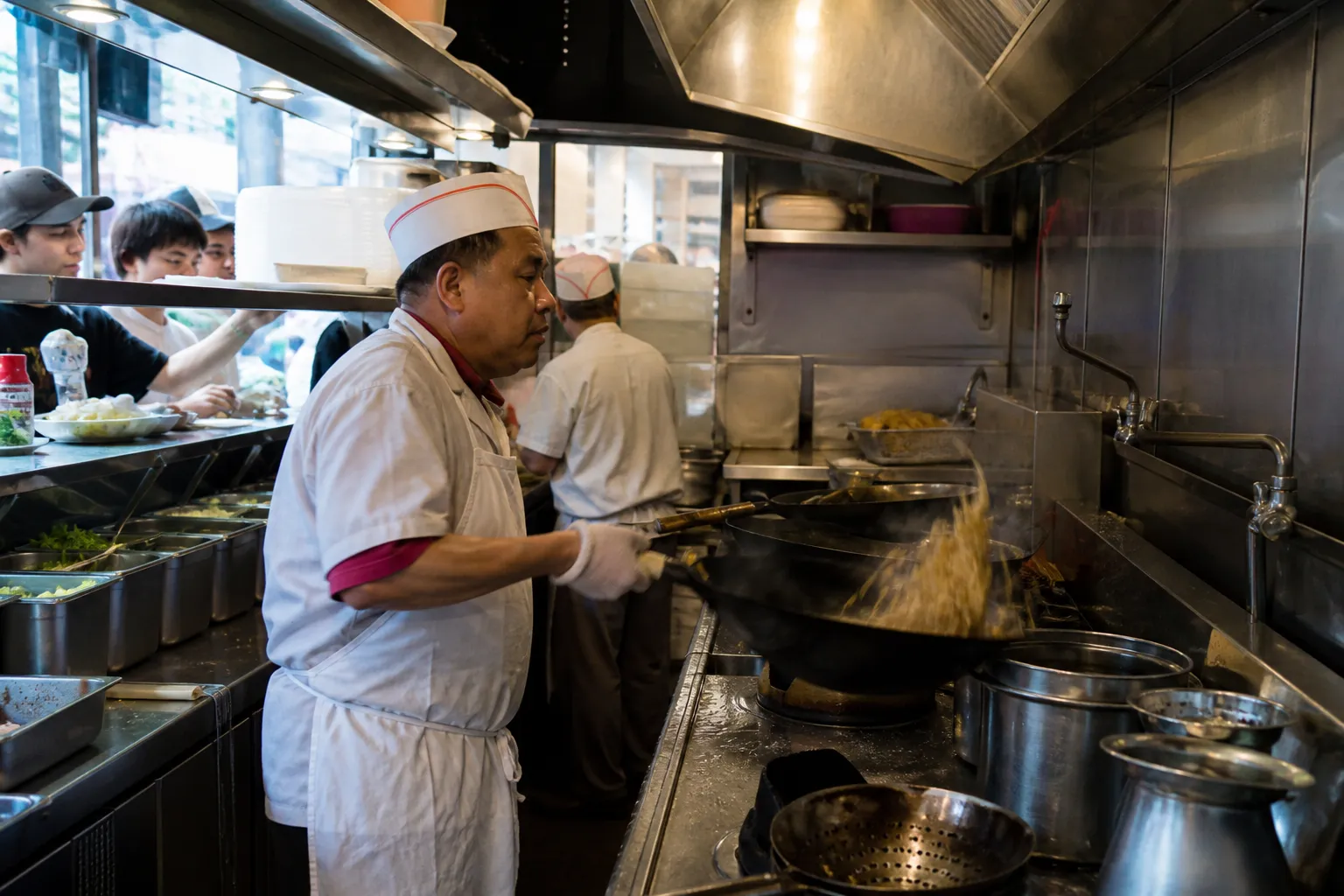
For wok hours, think in terms of kitchen rhythm rather than a perfect clock. Late breakfast into early lunch is often the best stretch for lighter waits and enough volume to keep the pans moving. Mid-afternoon can be quieter, but some spots slow service then, and the stir-fry line may not be as sharp if the room is nearly empty. If you care most about heat, go when the dining room has steady traffic and the cooks are clearly working through orders at pace.
On a school-day schedule, the after-class rush can affect nearby streets and parking more than the food itself, so public transit is usually the simpler call. If you are driving, build in extra time for garage or curbside searching because the neighborhood can tighten up quickly. A smart move is to eat just before the peak meal wave, then walk a few blocks afterward toward the shops and bakeries to let the food settle while you decide on dessert or tea.
What to pair with the main dishes
To keep the meal balanced, add one vegetable dish that can stand on its own. Chinese broccoli with garlic, pea shoots, or dry-fried string beans gives you enough bitterness and snap to offset richer noodles and meats. That balance matters in Chinatown because many of the most memorable plates are bold and oily by design. A plain, well-cooked green dish keeps the meal from flattening out.
If you want a more complete outing, pair lunch with a second stop nearby rather than trying to over-order in one sitting. Chinatown and North Beach are close enough that you can walk from a heavy wok meal to coffee, pastries, or a quieter side street. That works especially well for people using a lunch break or a short back-to-school errand run, since you can keep the outing compact and still feel like you got a real neighborhood round.
Practical notes
- Best time: weekday late morning to early lunch for hotter pans and shorter waits
- Check same-day hours before you go; lunch and dinner schedules can shift
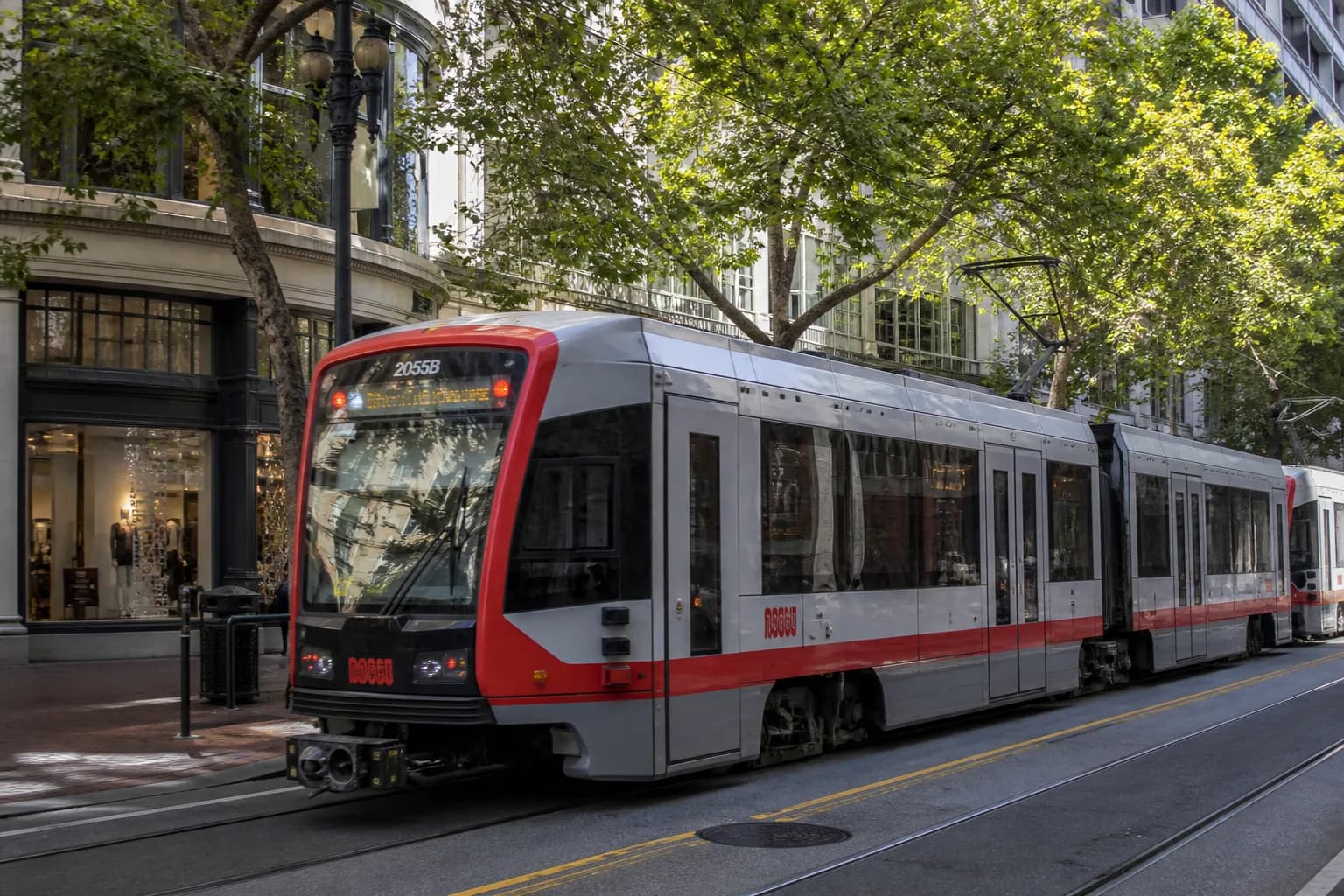
- Closest transit: Chinatown and downtown connections make a car optional
- Best order: one noodle, one green vegetable, one protein dish
- Budget: noodles and rice dishes usually sit lower than seafood specials
- Look for side entrances or rear dining rooms when the front is crowded
Tags: #sanfrancisco #chinatown #foodguide #chowfun #stirfry #wokhei #lunchspot #northbeach #downtowndining #bayareaeats #localfood #weekdayfood
All trademarks are the property of their respective owners.
Ask Karpo first
Ask Karpo for a same-day, public-only Chinatown food route that checks open status, lines, and the best lunch timing before you leave. It can map a short walk through the streets with the strongest wok hours and the most efficient stop order for your schedule.