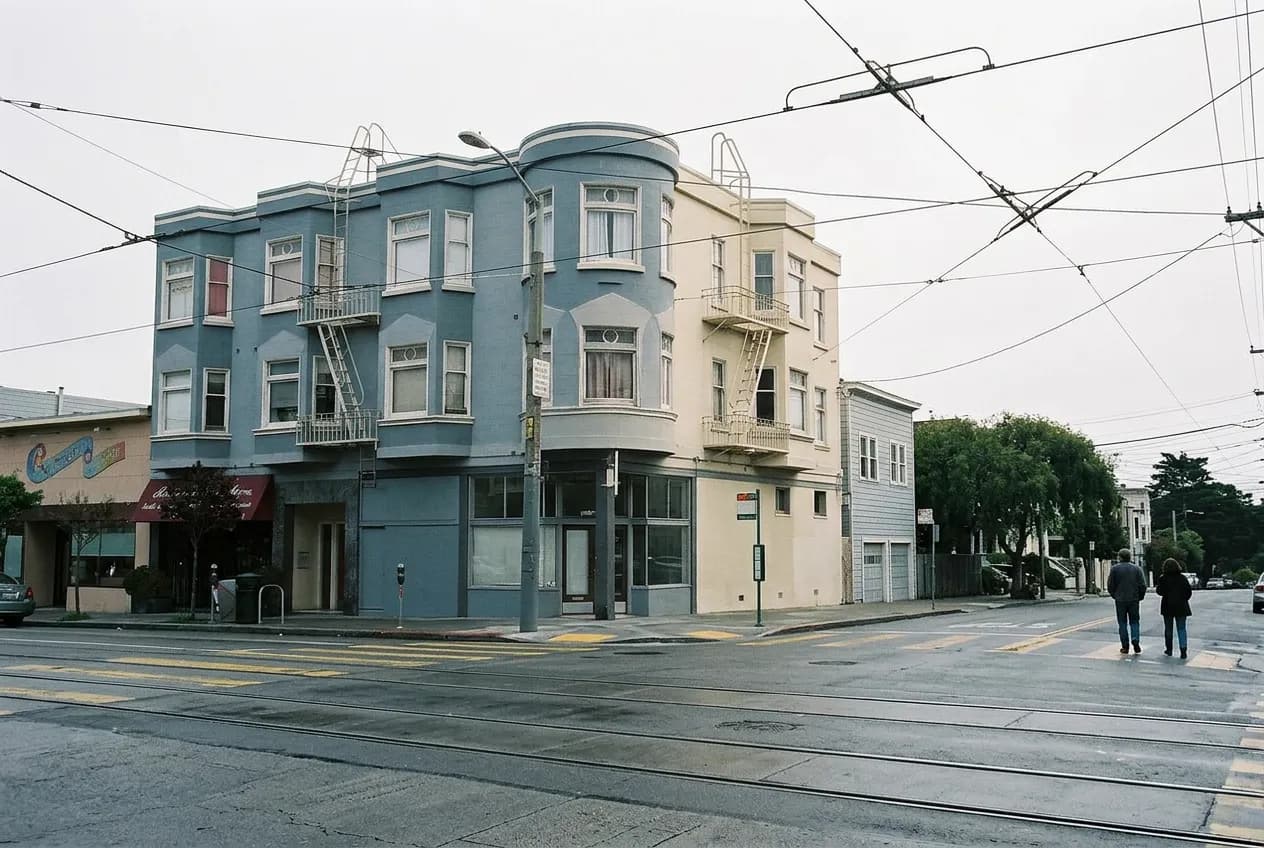
Search "vintage clothing stores near me" from anywhere in the Haight and the results fill with small consignment racks and one address that does not quite fit the pattern: a shop old enough to have outlasted several waves of the neighborhood's own reinvention, and one that still runs a working buying counter alongside the sales floor. That address is 1660 Haight Street, and the shop is Wasteland.
Ask Karpo before you go and find out whether it is worth timing your visit around Wasteland's buying window if you are hoping to sell or trade as well as shop.
Haight Street's retail identity runs on turnover
Haight Street has never been a district of static storefronts. Its retail mix has always depended on things moving through quickly — records, clothes, ephemera — and a shop's staying power there tends to say more about its business model than its charm. Wasteland's model is buy-sell-trade, which means the inventory is never fixed; it is a live feed of what the neighborhood is currently wearing and discarding.
That turnover is also why the shop reads less like a museum of the counterculture era and more like a working floor. Stock moves because people bring stock in, and the store's continued presence on the strip is tied directly to that exchange rather than to nostalgia alone.
A Berkeley thrift shop that scaled into designer racks
Wasteland opened in 1985, not in San Francisco but across the bay in Berkeley, where its founders started the first location with borrowed money. The San Francisco branch on Haight Street came later, as the format proved itself and expanded into multiple locations.
That origin matters because it explains the shop's identity now: this was never built as a boutique curating a single decade's look. It grew out of a resale operation, and resale logic — take in what's good, price it to move, keep the counter open — still shapes how the Haight Street store operates today.
Designer vintage, not bargain-bin thrift
The distinction that separates Wasteland from a general secondhand shop is the designer skew. The inventory leans toward men's and women's designer, vintage, and modern apparel and accessories, with a price feel that sits closer to premium resale than to a church-basement rummage table. Shoppers coming in expecting dollar-bin chaos will find something closer to a curated resale boutique with a much bigger footprint.
The stock spans a wide range: genuine pieces from the 1960s through the 1990s sit alongside vintage-inspired clothing made more recently. That mix rewards people who know what they are looking for and are willing to sort for it, rather than people hoping for a themed, single-era rack.
A quick read before you go
- Address: 1660 Haight St, San Francisco, CA 94117
- Format: buy-sell-trade vintage and designer clothing
- Stock spans the 1960s through the 1990s, plus newer vintage-inspired pieces
- Buying counter hours run 12pm to 6pm for anyone selling in
- Walk-in retail shop with no reservation system
The buying window turns customers into sellers
Wasteland runs buying hours from noon to 6pm, a detail that says something about how the business actually functions day to day. This is not a store that only takes consignment by appointment or through a back-office process; there is a set daily window where anyone can bring clothes in.
For a shopper, this matters because the same window that lets sellers in is the window during which new stock is most likely to appear on the floor. Arriving during or shortly after buying hours means a better chance of catching something before it gets picked over, though the store does not publish a guaranteed restock schedule.
Reading a cavernous floor without wasting an afternoon
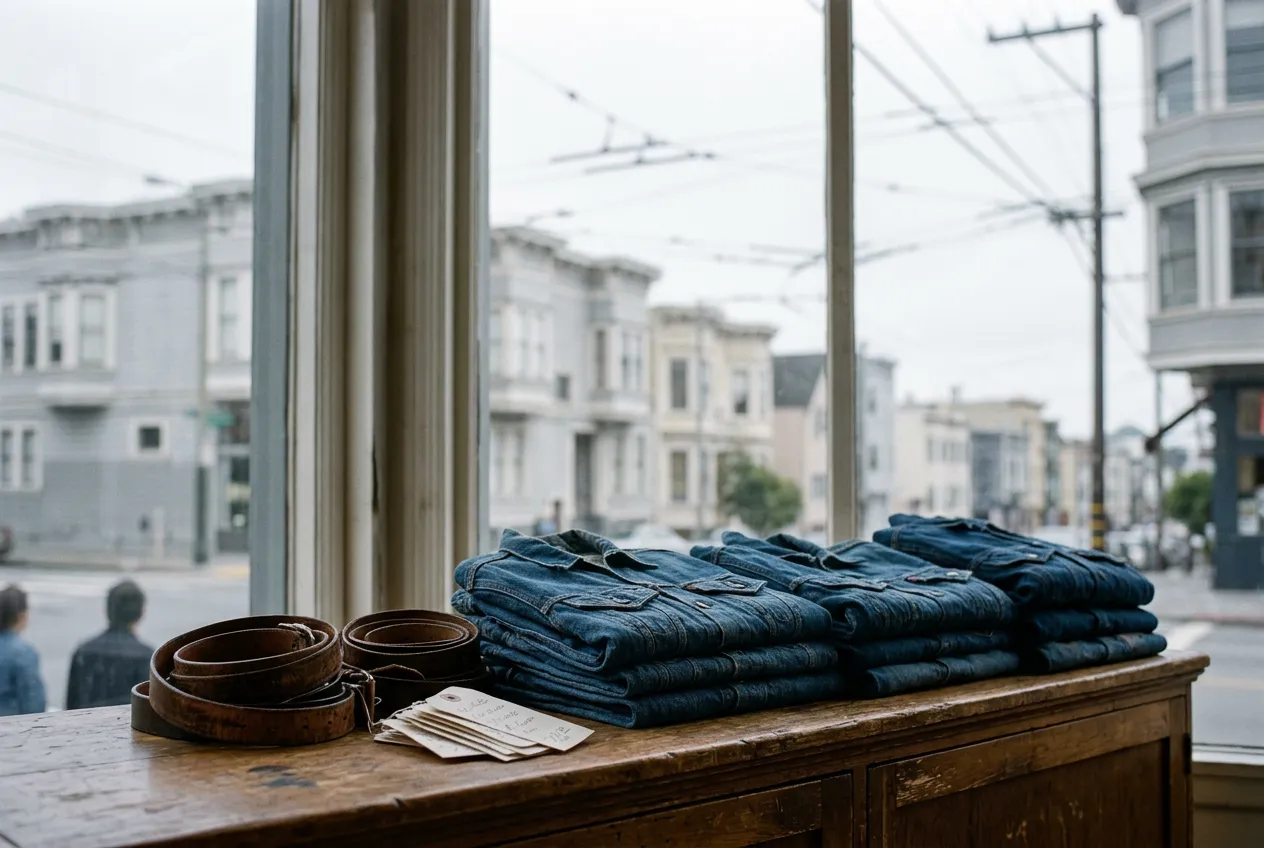
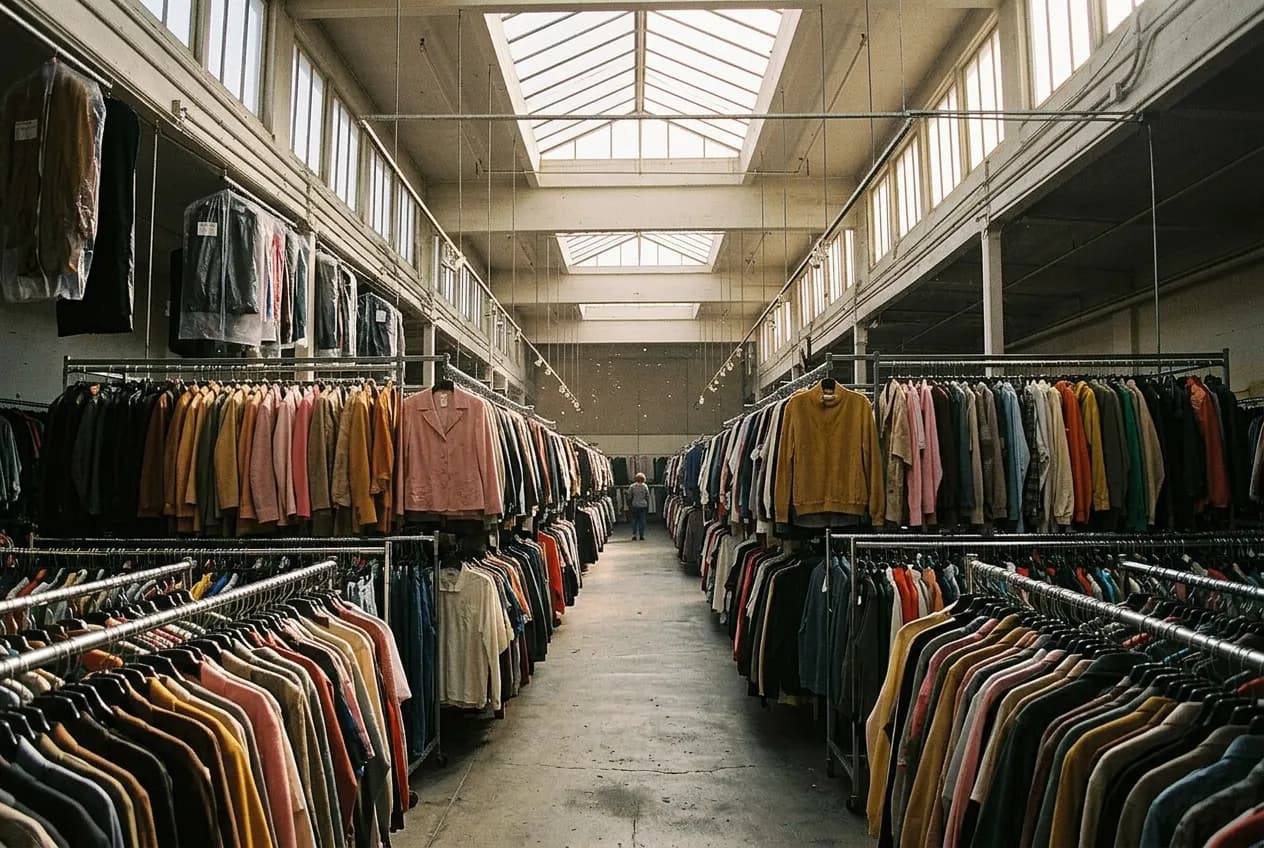
The space itself has been described as cavernous, which is a useful word for setting expectations. A large-format vintage store rewards a different browsing strategy than a small boutique: rather than scanning every rack once, it helps to pick a category — denim, outerwear, accessories — and work it thoroughly, since the volume of stock means missed sections rarely get revisited in one visit.
Because the inventory spans several decades and includes both authentic vintage and newer vintage-inspired pieces, it is worth checking tags rather than assuming by look alone. The two categories sit close together on the same racks, and the difference is often only visible up close.
Where it sits in the Haight's vintage crawl
Haight Street is dense enough with vintage, record, and counterculture retail that Wasteland functions as one stop on a longer walk rather than a destination in isolation. Relic Vintage, further down the strip at Ashbury, gives the corridor a second anchor, and the two shops sit close enough together that a single afternoon can reasonably cover both.
That density is part of why the street continues to draw the exact search behavior — "vintage clothing stores near me," typed from a phone on the sidewalk — that brought this shop back into results for decades. The corridor rewards walking it end to end rather than driving straight to one address.
Practical notes
Wasteland is at 1660 Haight Street in San Francisco's Haight-Ashbury neighborhood, operating as a walk-in retail shop with no reservation system. The store buys clothing directly from sellers during a daily window from noon to 6pm, which is worth building a visit around if you plan to sell or trade rather than only shop. Stock is designer-leaning vintage and modern apparel and accessories, spanning genuine pieces from the 1960s through the 1990s alongside more recent vintage-inspired clothing, so it helps to check garment tags rather than assume an item's era by eye. The shop sits within the broader Haight Street retail corridor, close enough to other vintage retailers on the same strip that a single visit can reasonably extend into a longer walk without much extra travel time.
Tags: #Wasteland #HaightAshbury #SanFrancisco #VintageClothing #DesignerVintage #ThriftShopping #BuyingHours #HaightStreet #UpperHaight #BackToSchool #SecondhandFashion #VintageShopping #SFStyle
All trademarks are the property of their respective owners.
Ask Karpo first
Ask Karpo whether the buying counter is likely to be busy on the day you plan to go, since that window shapes both what is on the racks and how much staff attention you will get while sorting through them. It is also worth asking Karpo how Wasteland fits into a wider Haight Street stop given how close it sits to other vintage retailers on the same corridor.