 Stonestown Winter Farmers Market Picker for Student Cooks
Weekend Plans
SF Weekend Plan Builder for a Solo Saturday Afternoon
Shape a solo SF afternoon around one satisfying stop, a comfortable walk and time to get home. Give Karpo your energy level and leave room to linger.
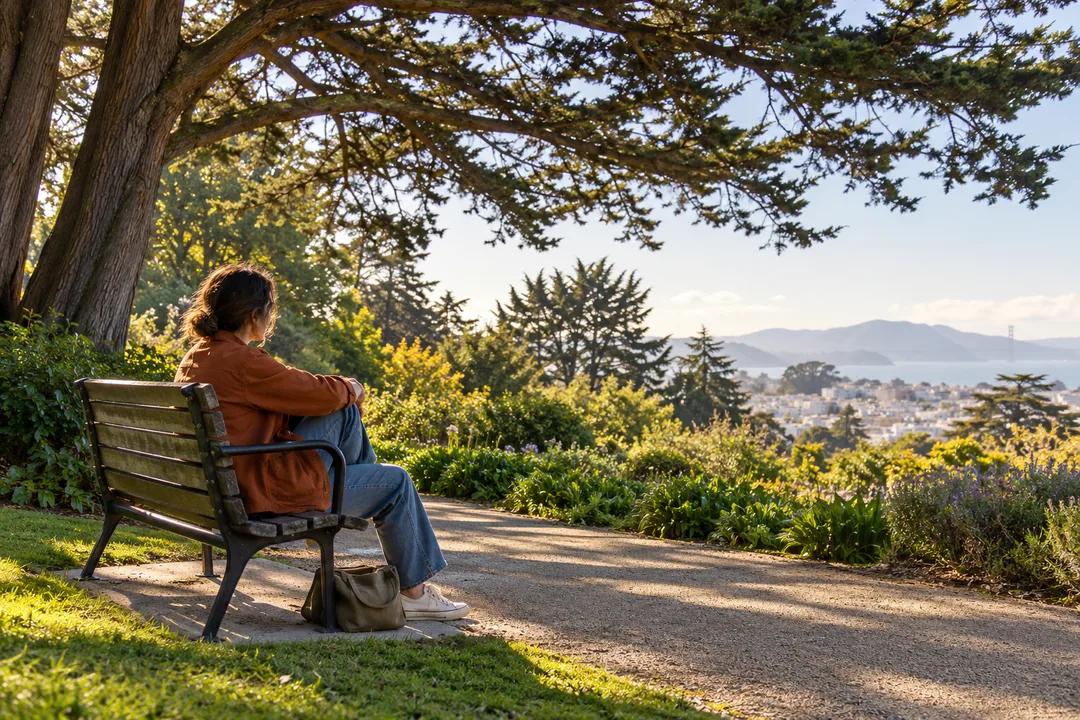
A Saturday afternoon by yourself can begin with a small question: what would feel good to have done by dinner? A San Francisco weekend plan builder becomes useful when that answer is concrete. Perhaps you want to look at something beautiful, stretch your legs and sit with a book. Perhaps leaving the apartment is already enough of a project. Open the Karpo APP and describe that version of the afternoon. Start with a manageable outing, then decide whether you want another stop after it.
Give the afternoon an edge
Choose when you want to be home before choosing a destination. A three-hour gap includes getting ready, reaching the first stop and returning, as well as the visit itself. If you mentally allocate all three hours to exploring, the journey home becomes an unwelcome extra. Put your finish time into the request alongside your starting neighborhood. A plan beginning in the Richmond should start from that actual departure point, rather than assuming you are already downtown and ready to wander.
Name an energy level in ordinary terms. You might feel rested but unsociable, curious but physically tired, or eager to walk without making decisions. These combinations point toward different outings. A quiet indoor browse followed by a seated break asks something different from an exposed waterfront stroll. Avoid requesting an ambitious afternoon simply because you have time available. The amount of effort you want to spend is a useful constraint, and it deserves the same attention as your preferred destination.
Choose the reason to go outside
Pick a single activity that would make leaving worthwhile even if everything else disappears from the plan. Looking at art, reading away from home, photographing residential details and finding lunch are all possible starting points. The activity can be modest. Its purpose is to give the afternoon direction without turning it into a test of productivity. Ask for suggestions related to that activity, then compare the ones that sound appealing. You do not need an itinerary full of highlights to justify getting dressed.
For example, you could write: “I am starting in the Inner Richmond on Saturday after lunch and want to be back before dinner. I would enjoy a quiet place to browse and a short walk. I am alone, do not want a steep climb and would rather avoid a timed commitment.” These are your proposed preferences, rather than facts about any venue. Add a spending limit if it matters, and distinguish between keeping the outing free and being willing to buy a drink.
Make solitude comfortable on purpose
Think about how you like spending time alone in public. Some people want a little background conversation, while others find even a busy cafe draining. Decide whether you want to sit among people, move continuously or spend most of the visit looking at things. Give Karpo those details as part of the question. “Quiet” by itself is ambiguous: it could mean a small room, little conversation, low music or simply being left to enjoy a book without social pressure.
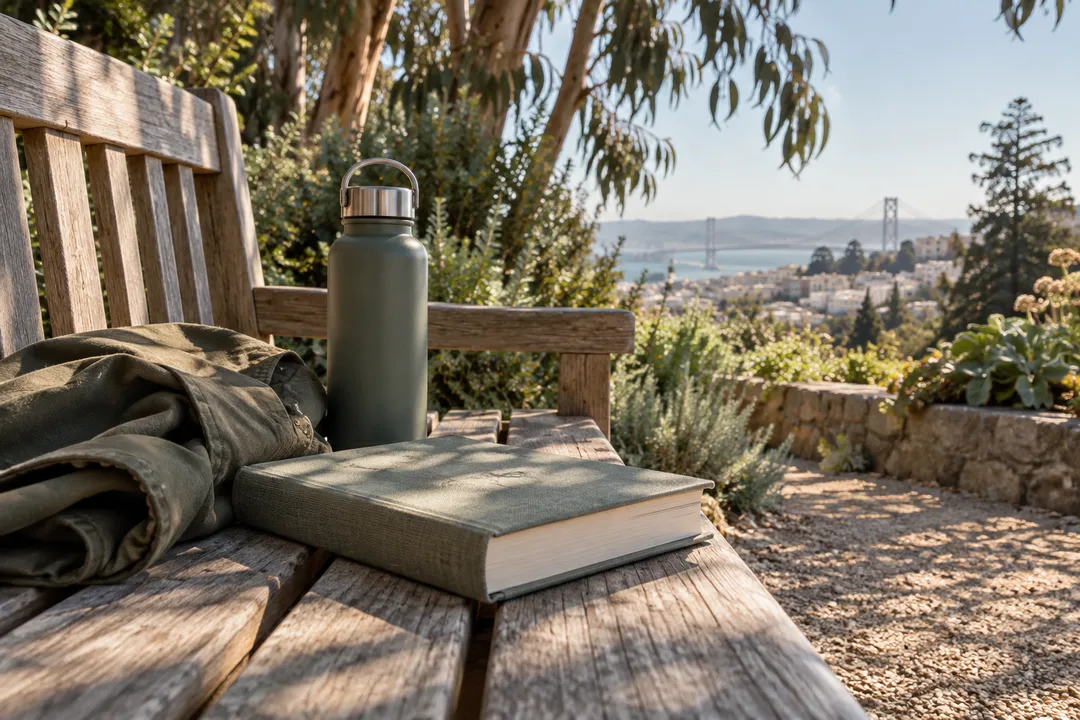
A solo plan also benefits from a clear way to leave. If a suggestion involves a guided session or a fixed performance, decide whether staying for its full duration appeals to you. For an afternoon intended to feel flexible, prioritize activities you can end on your own terms. Bring whatever makes a pause satisfying, such as a paperback or a sketchbook. You are arranging an experience for yourself, and the useful measure is whether the setting supports how you actually want to spend it.
Read the walk from the ground up
San Francisco route planning deserves more detail than a distance between two map pins. Ask about the walking connection separately from the destination. Describe whether stairs, sustained uphill sections or exposed stretches are unwelcome. A line that looks compact on a map can still be a poor match for your energy. Treat a proposed walking duration as an estimate and look at the actual streets and entrances when deciding. A shorter outing with a comfortable return can be more attractive than a longer loop.
Keep the geographical scope narrow. If you begin around the Inner Sunset, ask for a coherent afternoon around that starting area before considering a second neighborhood. If you are drawn to North Beach instead, make that the main outing and allow the journey there its own time. Neither name is a promise of a particular activity being available. They are ways to define the search area. The goal is to avoid spending your free afternoon repeatedly relocating just because several unrelated suggestions sounded interesting.
Decide what happens if the mood changes
Give yourself two useful exit points: after the main visit, and after the optional pause. This lets you go home satisfied when your energy runs out instead of abandoning a supposedly unfinished schedule. An extra stop should be genuinely optional. Do not put something you deeply want to do at the very end and call it an add-on. If seeing it matters most, promote it to the main reason for going and remove another commitment from the afternoon.
Weather can change what feels comfortable without requiring an entirely new day. You might prefer a seated indoor visit when the air feels cold, or a shorter outdoor stretch if you tire sooner than expected. Ask for a different type of suggestion using the same starting area and finish time. You remain the person choosing whether to switch. The planning conversation is a way to sort options, while an actual ticket or reservation is a separate commitment made through the relevant provider.
Practical notes for an unhurried return
Before leaving, put the chosen destination, the return journey and any genuine booking information together where you can find them. A recommendation alone does not establish admission or reserve a seat. If the selected activity requires a ticket, use the venue's purchasing process and retain its confirmation. For an outing without a booking, keep the finish time equally clear. A loose plan can still have a dependable ending, especially when the evening has another purpose you want to protect.
Pack for the afternoon you described: a layer, comfortable shoes, water and the book you meant to read. Include any access requirements in your request rather than treating them as minor details after a shortlist appears. You can keep your starting point approximate by naming a neighborhood or public landmark. There is no need to supply a home address to explain the area where you want to begin. Specific preferences usually matter more to the decision than personal detail.
Once the choices have narrowed, stop searching long enough to enjoy one. You can ask Karpo for ideas about what is worth seeing this weekend, select a suitable suggestion and leave the rest for another day. Notice afterward whether the walking effort, social atmosphere and length felt right. Those observations give you a clearer brief next time. A successful solo afternoon might end with only one visit and a few pages read, with enough energy left to enjoy being home again.
Ask Karpo for more information.
Keep reading
- Stonestown Winter Farmers Market Picker for Student Cooks
 Clement St Winter Farmers Market Picker for Lunar New Year
 Fort Mason Winter Farmers Market Picker for Citrus Bakers