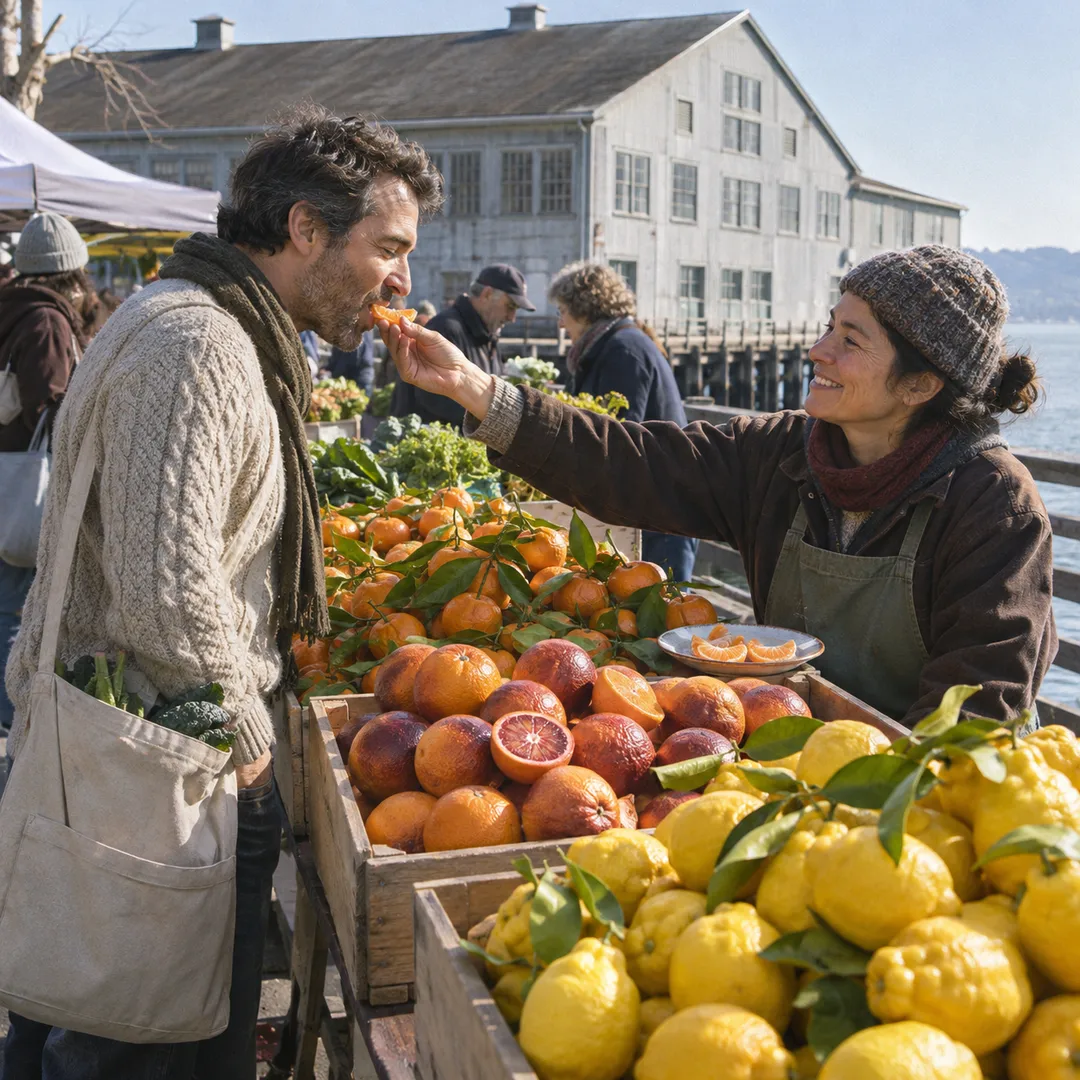
 Stonestown Winter Farmers Market Picker for Student Cooks
Weekend Plans
San Francisco Weekend Plan Builder: Light Hill Family Outing
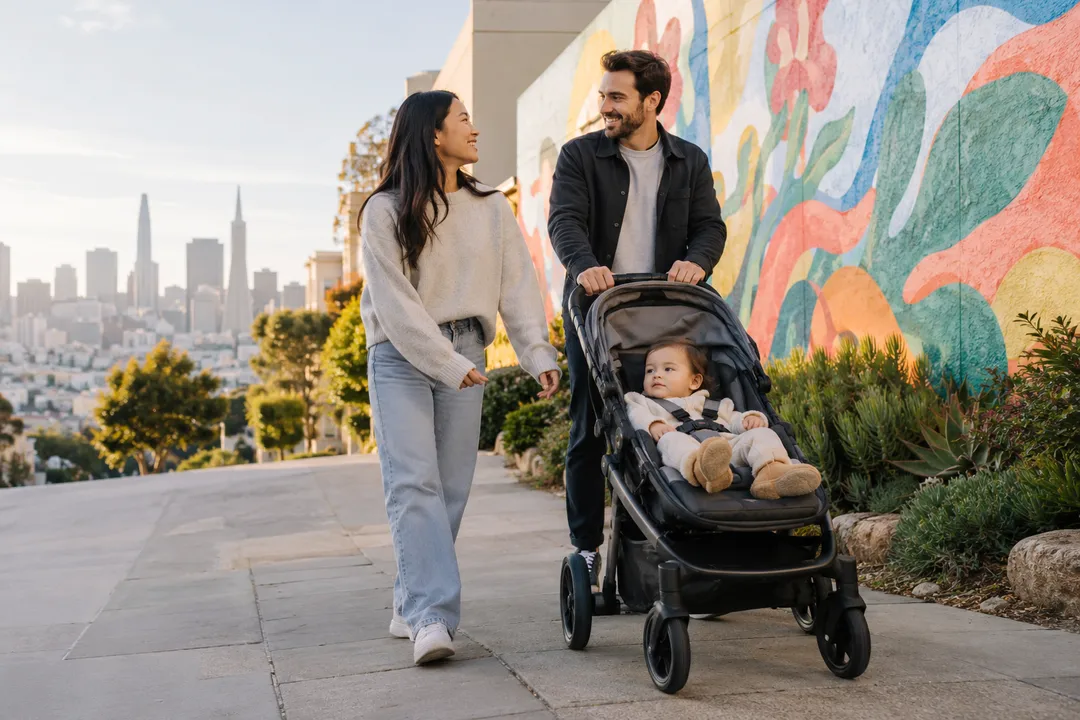
Give a family hill outing gentle movement, a hands-on anchor, planned breaks, and an early finish that keeps adults and children comfortable.
A family day in San Francisco becomes manageable when hills, attention spans, and bathroom stops are treated as design constraints. Tell the Karpo APP the children’s ages, the adult-to-child ratio, the steepest walk you can accept, and the time you want to be home. Ask for one shared anchor, a short outdoor stretch, and a sheltered alternative. The tool can organize those preferences into a route conversation, but it cannot promise a seat, a ticket, or a real-time traffic result.
Start with the youngest traveller
Describe the youngest child’s rhythm first: nap timing, snack needs, stroller use, and tolerance for waiting. Add the older child’s interest so the plan does not feel like a series of compromises. Ask Karpo to place the easiest win at the beginning and to keep the route close to a restroom. A family itinerary that protects the first ninety minutes has more resilience than one that saves the “best” idea for the end, when patience is already gone.
Set a hill and distance limit
Give the planner a concrete boundary, such as one gentle incline and no continuous walk longer than fifteen minutes. Mention whether carrying a toddler is possible and whether a scooter or stroller comes along. Ask for a version with transit replacing the steepest connection. Distances and slopes in a suggestion are not accessibility proof, so inspect entrances and current service details yourself. The point is to make the family’s comfort visible before the route is filled with destinations.
Choose an anchor that welcomes pauses
Look for an activity where children can observe, ask questions, and take a break without disrupting the whole group. Tell the assistant whether you prefer animals, art, hands-on making, or a view. Add an approximate stay length and an exit time. A flexible anchor gives adults room to reset while keeping the day coherent. If the activity is timed, build food and bathroom space before it rather than assuming a perfect connection between doors.
Plan food around the messy moments
Family meals succeed when the plan anticipates hunger instead of reacting to it. Ask for a substantial stop near the anchor and a portable snack window before the final transfer. Include allergies, high-chair needs, and whether a quick counter order is preferable. Do not let a long meal become the only buffer in the itinerary. The planner can compare meal placement and pacing, while the group checks the provider’s current menu, seating policy, and booking requirements.
Make a weather shelter useful
A fallback should solve a specific family problem: sudden cold, overstimulation, or a wet stroller. Ask Karpo to replace the exposed segment with a nearby indoor pause and to say what happens to the timing. If the children are doing well, keep the original outdoor moment; if not, switch early. A simple family rule such as “after one uncomfortable block, use the sheltered route” prevents adults from arguing while everyone waits.
Try a complete family prompt
Write: “Plan a San Francisco Saturday for two adults and children ages four and eight, beginning after breakfast. Keep hills gentle, include one hands-on anchor, a lunch with quick seating, a short scenic moment, and a fallback for rain. Finish by 4:30 near transit.” Add nap or sensory details in a second message. Ask for reasons behind each stop so you can remove anything that demands more patience than the family has.
Keep adults’ needs in the frame
A child-friendly plan still needs an adult reset. Tell the planner where a quiet coffee, a bench, or a short solo browse could fit without splitting the family for long. Ask for an optional two-adult handoff so one person can take a break while the other stays with the children. Make the handoff explicit and time-limited. That small allowance often prevents a minor complaint from turning into a full-day cancellation.
Record the practical details
Before you leave, read the published address and hours, entrance rules, stroller access, and any timed booking with the actual providers. Put the recorded details beside the suggested route. If one fact does not line up, ask Karpo for a replacement that serves the same family function. The conversation helps you decide what to ask; it is not evidence that a provider has space or that a schedule has been reserved.
Practical Notes: finish before the crash
End near a simple ride home and protect ten quiet minutes for shoes, snacks, and regrouping. Keep the last optional stop disposable. Share the anchor, meal, fallback, and adult handoff in a short family note. If the children’s energy shifts, revise the ending in the Karpo APP rather than insisting on every planned block. A successful hill outing is the one that leaves everyone able to talk about the fun part on the way home.
Give the adults a recovery plan
Families often plan the children’s entertainment and forget the adults’ recovery time. Add one brief pause where a grown-up can refill water, repack snacks, or sit without supervising a moving activity. Ask for two ways to take that pause: together in a calm place, or as a short handoff. A planner that sees those needs can build a day with fewer brittle transitions. When the adult battery is protected, the children usually receive more patient attention, and the family gets to keep the part of the outing that made everyone excited to leave home.
Pack the items that make the family route forgiving: water, a small snack, a layer for wind, and whatever helps with a quiet break. Note those needs in the brief so the suggested sequence does not assume everyone can improvise. A plan built around real pockets of comfort lets the adults watch the children rather than constantly solve preventable problems, which is exactly what a good weekend is meant to feel like.
Let children choose one detail
Give each child a small choice within the adult-designed route: which color to look for, which snack to pack, or which final song to play in the car. Tell the planner that the choice should be short and real, not another destination. Ownership can make a transition easier without adding time. Keep the anchor, meal, and early finish fixed, then let the children shape one detail. That balance gives the family a sense of adventure while preserving the breaks and limits that make the outing comfortable.
Ask Karpo for more information.
Keep reading
- Stonestown Winter Farmers Market Picker for Student Cooks
 Clement St Winter Farmers Market Picker for Lunar New Year
 Fort Mason Winter Farmers Market Picker for Citrus Bakers