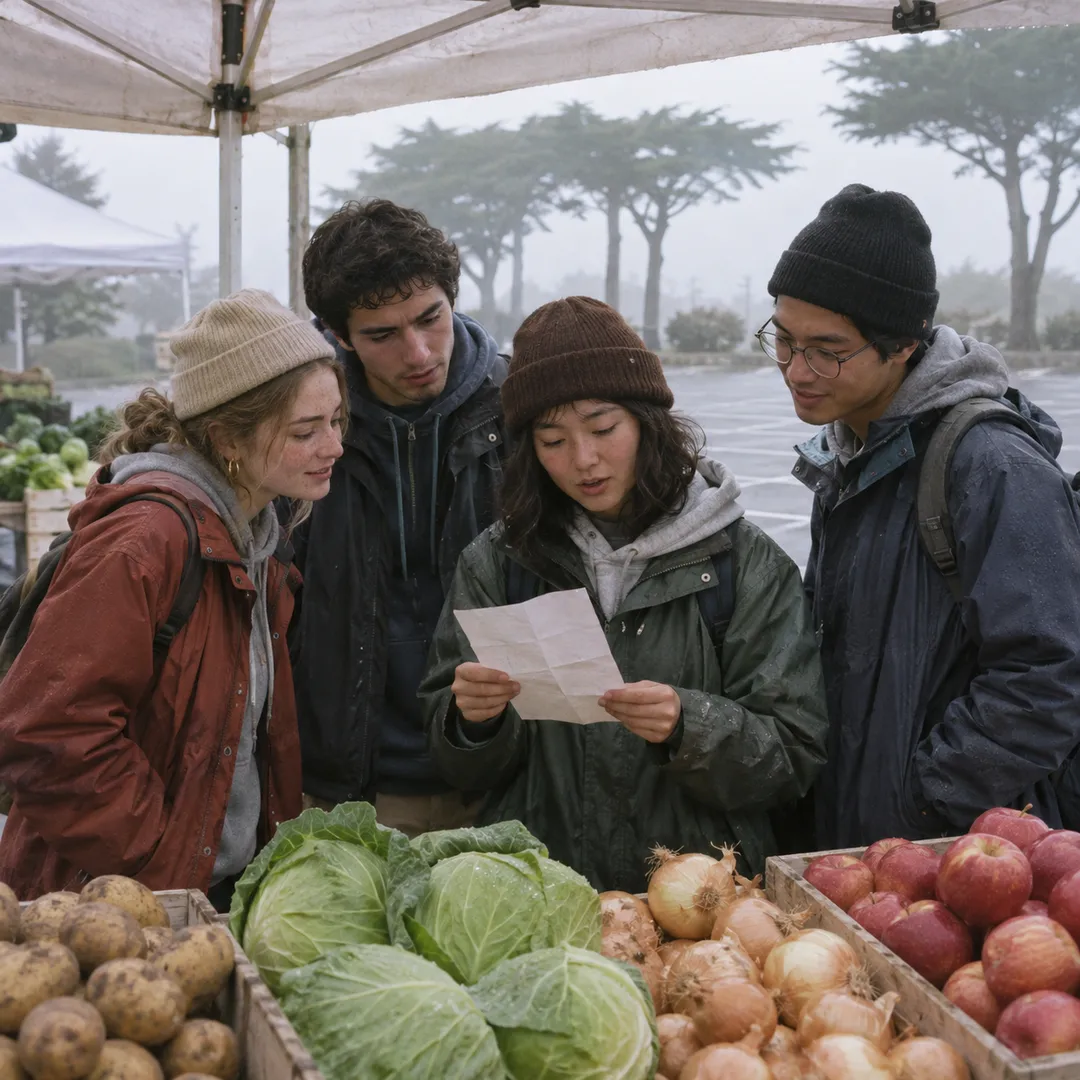
 Stonestown Winter Farmers Market Picker for Student Cooks
Weekend Plans
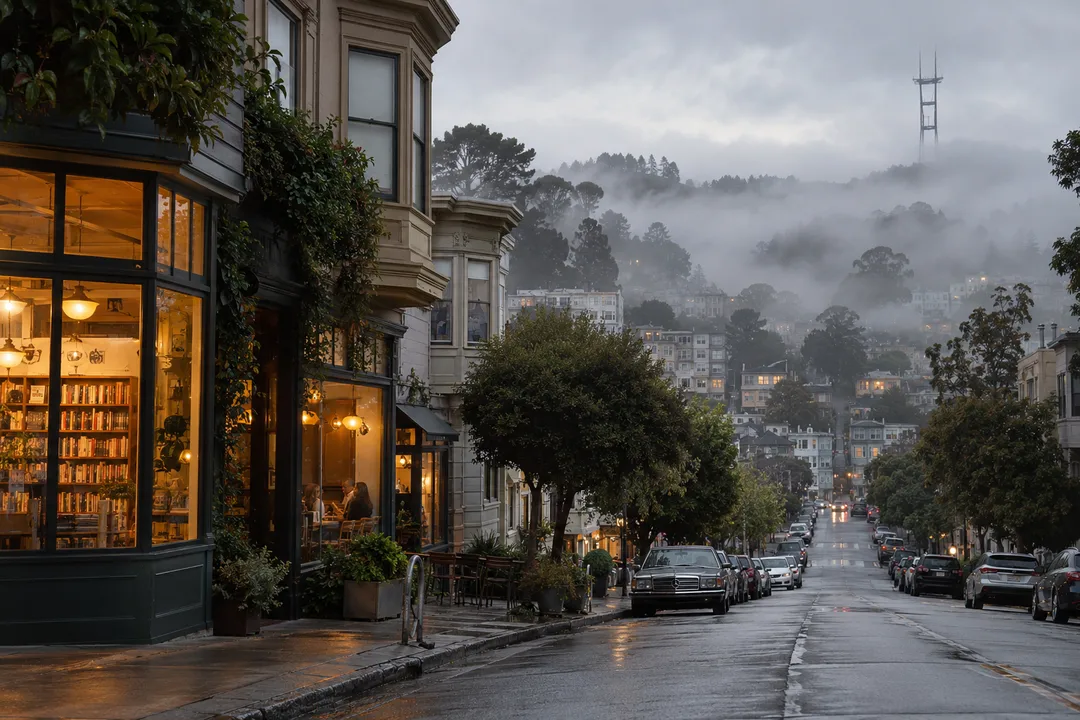
San Francisco Weekend Plan Builder: Foggy Saturday Backups
Use fog tolerance, a warm anchor, and a compact backup so a San Francisco Saturday stays comfortable when visibility and wind change. Keep plans clear.
A foggy San Francisco Saturday works best when the plan has a deliberate escape hatch. Start by telling the Karpo APP where you will begin, how much hill climbing feels reasonable, and which part of the day matters most. Ask for a primary sequence plus a second route that keeps the same mood if the air turns cold. The result should be a set of choices you can discuss, not a claim about live tables, tickets, or travel conditions. Treat every suggested stop as a candidate until you make the booking yourself.
Describe the fog in practical terms
“Foggy” can mean a soft marine layer or a damp wall that makes a long viewpoint walk miserable. Give the planner a threshold: perhaps one exposed stretch is fine, while a steep climb or windy overlook is off the table. Mention whether anyone carries a camera, pushes a stroller, or dislikes wet benches. Those details change the order of a morning more than a generic request for scenic places. Add a latest ending time so the plan does not spend its last hour crossing town in the dark.
Give your starting side of town
San Francisco itineraries become easier when the arrival side is explicit. Say whether the group begins near the Embarcadero, the Mission, the Richmond, or a bridge approach. If two people arrive from different lines, provide both neighborhoods and let Karpo compare a central meeting point with a split-start option. You can also state a preferred transfer style, such as one transit ride and a walk, or a loop that returns to the original district. The assistant can organize those preferences, but the route still needs your own map and service checks.
Choose one anchor before adding extras
Pick the experience that deserves protection from the weather. It could be a gallery visit, a long lunch, a bookstore browse, or a quiet stretch in a park when the fog lifts. Tell the planner why that anchor matters and how long you want to stay. Then request supporting ideas within the same general corridor. A short coffee break is useful when it solves a timing gap; a fourth destination is noise if it makes the group rush between hills. Ask the tool to rank options by comfort, not by fame.
Compare hills, transit, and exposure
Request a side-by-side explanation of each connection. A route that looks close on a map may include a steep block, a stairway, or an unprotected wait for a bus. Ask Karpo to describe the tradeoff in plain language: gentler grade with more transit, or a faster walk with a windy corner. Give a maximum transfer count and a walking preference, then inspect the proposed path yourself. The planning conversation helps you choose; it does not measure current delays, elevator outages, or street conditions.
Build a fog-proof pivot
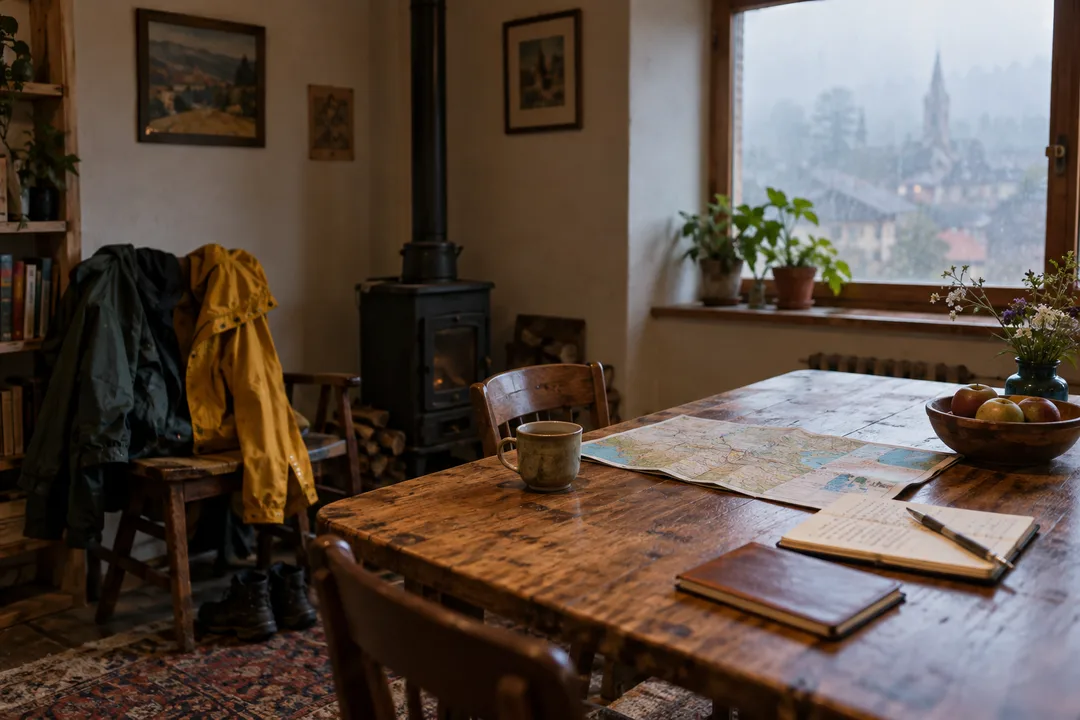
A backup is strongest when it replaces the vulnerable segment rather than restarting the day. If the original idea depends on a distant viewpoint, ask for an indoor observation substitute or a neighborhood route with shelter. If the meal is the fixed point, protect it and swap the preceding walk. Tell the assistant exactly what may change and what must remain. A useful decision rule might be, “If visibility is poor at departure, choose the compact loop.” Write that rule in the shared itinerary so the group can act without another debate.
Write a prompt with social details
Try a brief such as: “Plan a San Francisco Saturday for three adults starting in the Mission at 11, with one scenic moment if the fog opens, one indoor cultural stop, and dinner near transit. Keep hills modest, offer a shorter backup, and explain why each route is comfortable.” Add dietary needs, a budget ceiling, or a quiet-hour preference in a follow-up. Change one constraint at a time; otherwise it is hard to tell which edit improved the result.
Keep suggestions separate from reservations
The plan builder can arrange ideas, timing, and questions for a provider. It cannot promise that a restaurant has a table, that a museum has an exhibit slot, or that a vehicle is waiting. Once you book something, copy its recorded time and entrance note into the conversation and let the rest of the plan flex around it. If a recommendation lacks a detail that matters, remove it instead of filling the gap with an assumption. A concise, verified outline beats a long list of uncertain possibilities.
Make the handoff easy for the group
Fog makes last-minute coordination tiring, so send a compact version to everyone. Include the meeting neighborhood, the protected anchor, the alternate route, and the point at which you will switch. Use whatever group channel your friends already read; the Karpo APP does not distribute the plan for you. Ask one person to own the recorded booking and another to watch the clock. That tiny division of labor prevents the classic problem where everyone thinks someone else checked the final admission time.
Practical Notes: finish near a known exit
End the itinerary with an uncomplicated departure. A final stop near a major transit corridor is easier than a scenic detour that leaves the group on a dark, damp slope. Save the exact provider record, accessibility notes, and any weather decision in one place. If the fog never clears, follow the compact version without apologizing for it. Return to the Karpo APP when the group’s starting point or available hours change, and ask it to rebuild only the affected segment rather than rewriting a plan that is already working.
If the day changes at noon
A fog forecast can be less useful than the view from your own doorway. If the morning turns clearer or colder, return to the brief and change just the weather condition, available hours, or desired finish. Ask for a ranked adjustment: keep the anchor, shorten the transfer, or move the whole route to the starting neighborhood. Read the new suggestion as a conversation starter and compare it with your recorded booking. Keeping one stable element helps the group recognize what changed and prevents a minor forecast shift from wiping out every decision already made.
Carry a fog-day decision card
Write three lines before leaving: the protected anchor, the maximum exposed walk, and the indoor switch. Add the meeting neighborhood and the time the group must head home. That card is useful when visibility makes a map difficult to read or a friend suggests a detour. Give the same lines to everyone so the person arriving later is not trying to reconstruct a debate. The Karpo APP can help phrase the card, while the group decides which real-world information deserves priority. Keeping the decision small makes the fog feel like a condition to manage rather than a reason to abandon the afternoon.
Ask Karpo for more information.
Keep reading
- Stonestown Winter Farmers Market Picker for Student Cooks
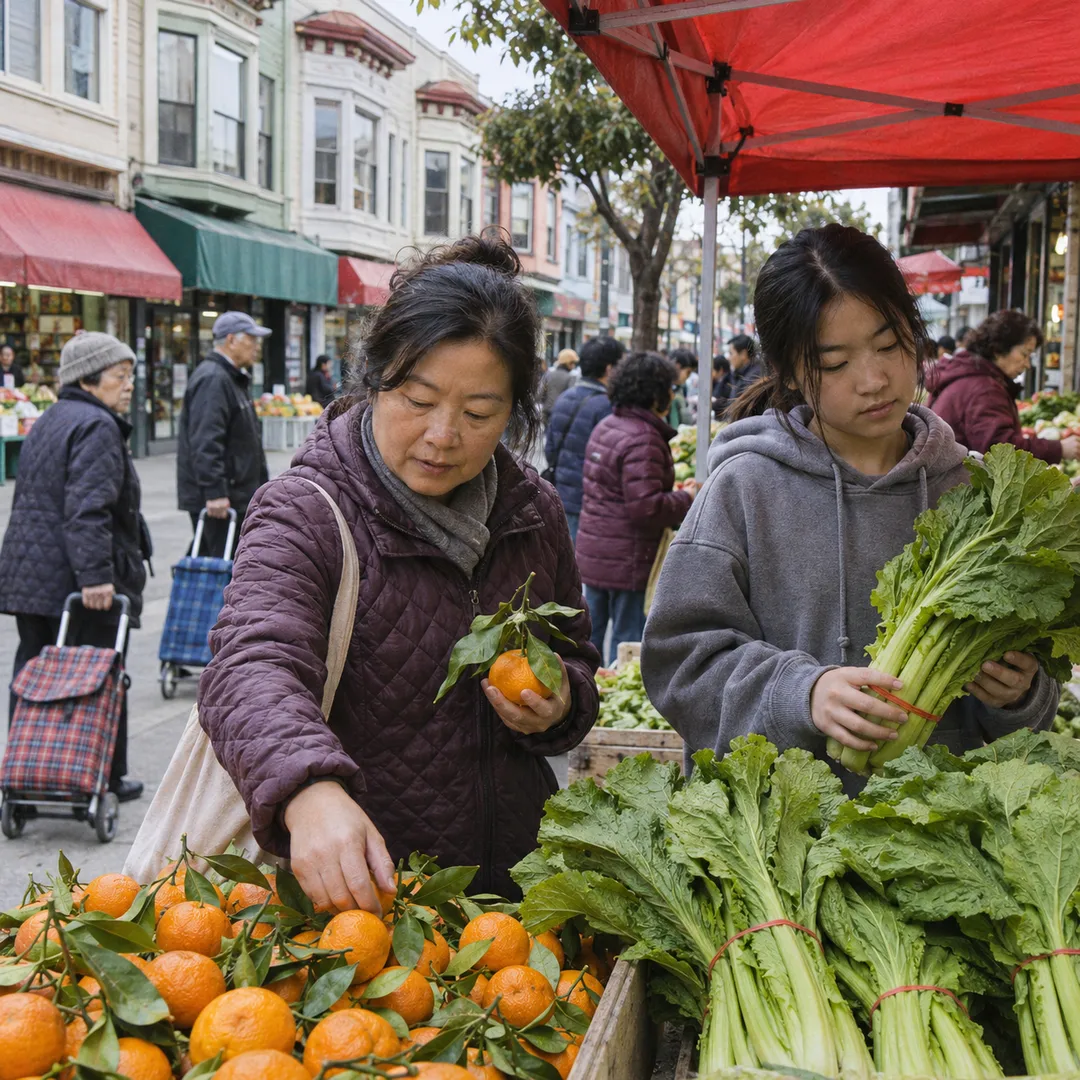 Clement St Winter Farmers Market Picker for Lunar New Year
 Fort Mason Winter Farmers Market Picker for Citrus Bakers