 Stonestown Winter Farmers Market Picker for Student Cooks
Weekend Plans
SF Weekend Activity Comparator: Two Museums for Rainy Days
Compare California Academy of Sciences and Exploratorium plans in SF by learning style, indoor time and ticket inputs, then choose a focused museum visit.
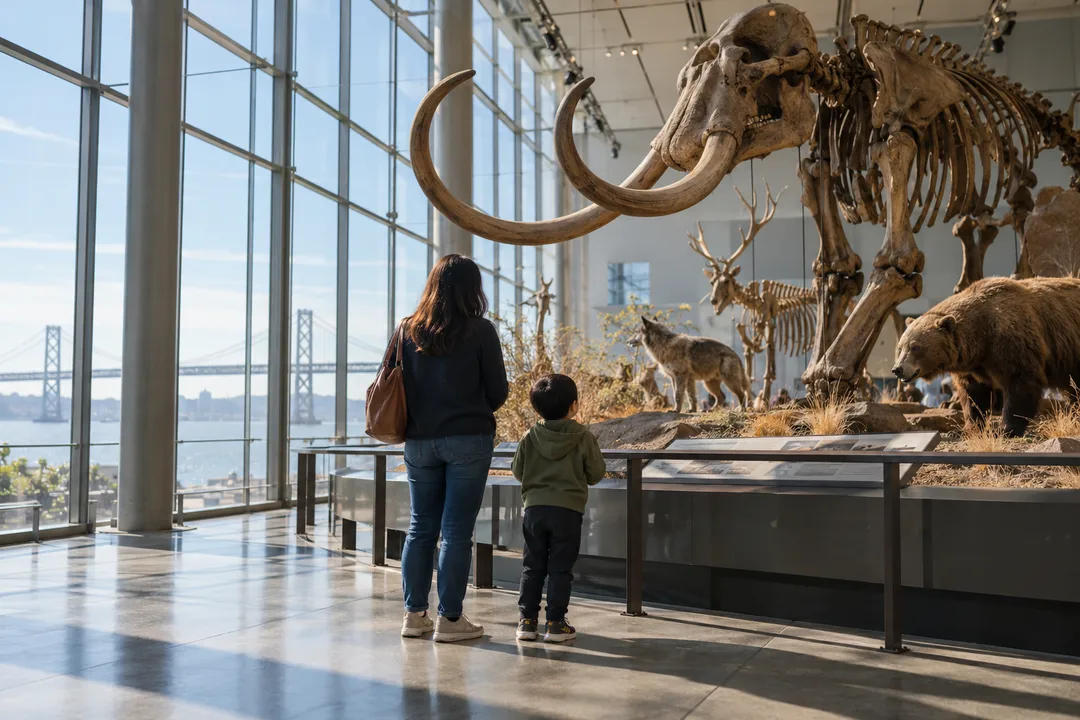
The California Academy of Sciences and the Exploratorium make a useful comparison when your group wants a science-centered San Francisco outing. The decision is less about declaring one universally better and more about matching the visit to attention spans, interests and the time available. Use a weekend activity comparator in the Karpo APP to compare the two plans you are considering. Include how your group likes to learn, the ticket information you have and how much of the day needs to remain comfortably indoors.
Start with the way your group gets curious
Ask each person what makes a museum visit satisfying. One visitor may enjoy observing living things or natural-history displays, while another wants to manipulate an experiment and try it repeatedly. These are preferences for the comparison, rather than a claim that every exhibit follows one style. Use the museums' own descriptions when selecting the particular experiences that interest you. Tell Karpo which of those interests is central and which could be satisfied by a brief stop.
The Academy describes its combination of an aquarium, planetarium, rainforest and natural history museum. For the Exploratorium proposal, list the experiments that interest you from the museum materials you are using. Those broad descriptions offer a starting distinction, not a complete itinerary or a guarantee that every component fits your admission or schedule. Ask how the experiences you actually want would shape a visit. A recommendation becomes stronger when it connects the group's curiosity to a few priorities instead of counting the total number of possible things to see.
Compare depth with variety
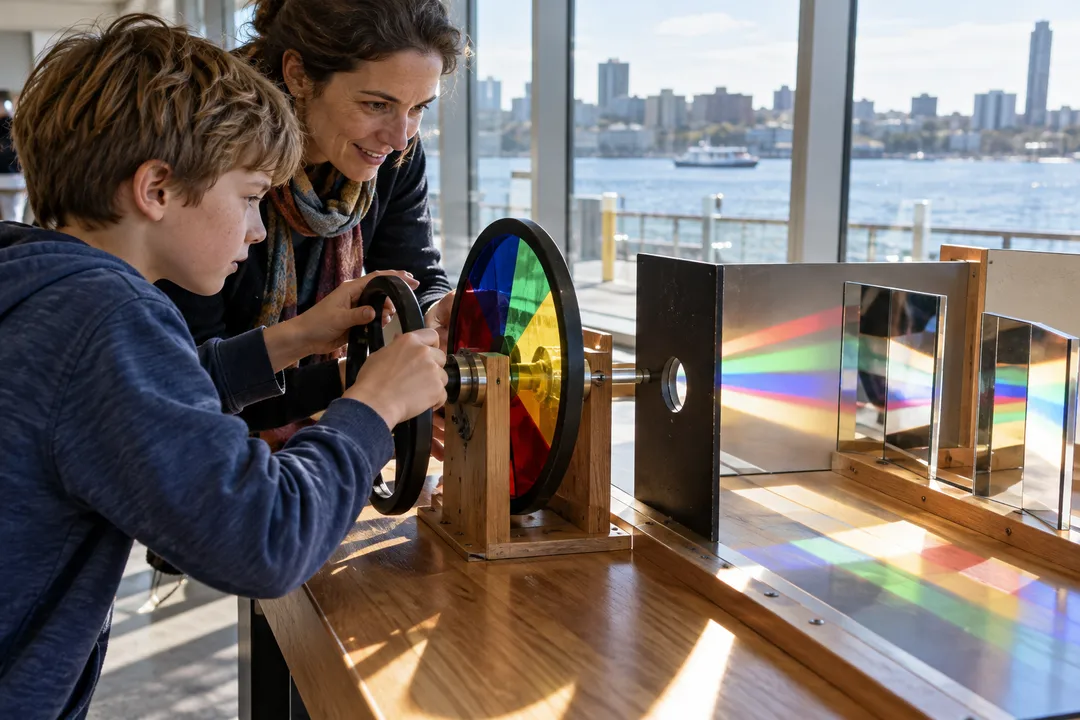
Interactive depth can mean spending longer with one experiment, changing a variable and noticing a different result. If that is your preferred learning style, say that repeated attempts are part of the visit rather than wasted time. Ask for an itinerary with breathing room between priorities. A fast circuit through many displays may produce fewer satisfying discoveries than a smaller set explored slowly. The comparison should account for the pace at which your group becomes engaged, not assume that more stops automatically mean more value.
Variety can be equally valuable when people have different interests or short attention spans. Ask how a proposed Academy visit could move between the specific areas you selected without trying to complete the whole institution. Then give the Exploratorium proposal the same discipline: a manageable set of interests with optional additions. Avoid comparing a leisurely version of one museum with an exhausting maximum version of the other. Each needs a fair plan based on the time and energy you are willing to spend.
Make a rainy-day plan from door to door
Indoor resilience is about the entire journey. Include travel to the museum, the approach to the entrance, any planned meal and the trip home. Rain can matter before you reach an exhibit and after you leave it. Tell Karpo whether the group can tolerate a short wet walk, needs space for bulky layers or prefers to avoid an outdoor extension entirely. Ask for the indoor portion and the exposed travel portions to be shown separately in both proposals.
Do not assume that every experience associated with a museum is indoors or included in an ordinary visit. Work from the details of the areas you intend to use. If an outdoor feature is optional, keep it outside the core rainy-day plan. A useful comparison still makes sense if you skip that feature. When forecast information is uncertain, ask for a visit that stays worthwhile under the wetter scenario rather than relying on a convenient dry interval that nobody has established.
Judge ticket value against the visit you will take
Supply the admission information relevant to your date, ages and any eligibility that applies to your party. Use amounts obtained from the museum rather than a generic price remembered from another visit. Ask Karpo to keep admission, travel and food distinct, and to identify any component whose inclusion is unresolved. A precise total is only useful when its inputs match your situation. This article does not assign a current ticket price or imply that the app can hold an admission slot.
Value also depends on how you expect to use the visit. A child who enjoys repeating an experiment may get considerable satisfaction from a small part of a museum. An adult with one strong natural-history interest may prefer a focused route over a longer general survey. Compare the likely experience against the amount you intend to spend, without turning the calculation into a competition to stay as long as possible. Leaving while people are still engaged can be a better outcome than forcing extra hours to justify admission.
Give different attention spans a shared plan
Tell Karpo who needs breaks, who likes reading labels and who learns through doing. Include sensory preferences without assuming either museum will always be quiet. Ask how the visit would work if a chosen area feels busy or someone loses interest earlier than expected. Those are response plans for your group, not predictions of live attendance. Choose a meeting arrangement and a small set of shared priorities so the outing does not dissolve into competing lists immediately after arrival.
Build the meal and departure around actual needs. If someone becomes uncomfortable when lunch slips, keep food planning prominent rather than treating it as a spare slot after the exhibits. If you intend to bring food or use a particular facility, rely on the museum's relevant policy for that choice. Do not assume a seating or storage arrangement exists because it would be convenient. The comparator should expose those dependencies so you can simplify the plan before they become a problem during the visit.
Finish with a focused museum brief
A useful request is: Compare the California Academy of Sciences with the Exploratorium for our rainy-day outing. One adult likes natural history, another enjoys hands-on experiments, and our child needs frequent pauses. Here are the admission details we have and the forecast we are using. Suggest a focused visit for each, separate indoor time from travel exposure and explain the main tradeoff. Add your departure point, available time and any specific access needs to make the comparison meaningful.
Read the answer for a match between people and experience, then select the few priorities that make the chosen museum worthwhile. Keep optional areas optional, and use the museum's own ticket process for any purchase you decide to make. Planning support does not establish availability or complete a booking. The goal is to arrive with a clear learning focus, a realistic pace and a comfortable finish. The Karpo APP can help structure that decision using your preferences and the information you bring to the conversation.
Ask Karpo for more information.
Keep reading
- Stonestown Winter Farmers Market Picker for Student Cooks
 Clement St Winter Farmers Market Picker for Lunar New Year
 Fort Mason Winter Farmers Market Picker for Citrus Bakers