 Stonestown Winter Farmers Market Picker for Student Cooks
Weekend Plans
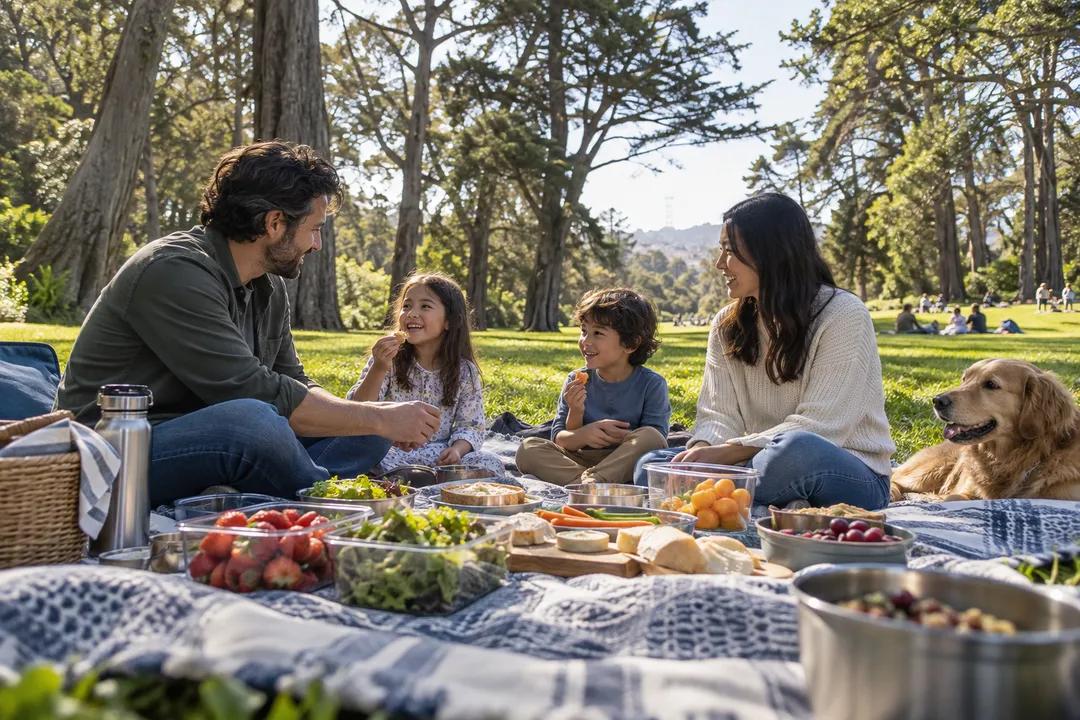
SF Weekend Activity Comparator: Park or Lawn for Picnics
Compare Golden Gate Park and Marina Green picnic plans in SF by activity choices, carrying effort and travel needs, then build a day with an easy finish.
A full-day picnic needs more than an attractive patch of grass. Golden Gate Park and Marina Green can anchor different kinds of San Francisco outing, but the right choice depends on your particular picnic spot, travel plan and appetite for extra activities. A weekend activity comparator helps you separate the meal from the rest of the day. Tell the Karpo APP whether the picnic is the main event or a break between other plans, then compare two bounded itineraries that leave energy for packing up and getting home.
Decide whether the blanket is the destination
Start with a simple question: would the day still feel successful if you stayed near the picnic for most of it? If yes, prioritize the setting, a comfortable duration and a manageable load. If no, list the activities that make the trip worthwhile. For a Golden Gate Park proposal, name the particular area and activities you are considering. For Marina Green, describe the lawn-based plan you want. Neither label alone tells Karpo how much moving around belongs in your day.
Avoid comparing a richly detailed park itinerary with an almost empty lawn itinerary. Give each option an equivalent brief: a meal, a rest period and any activity the group actually wants. An impressive list of possibilities can make one option look superior even when nobody intends to use them. Ask for unused possibilities to stay outside the score. A quiet picnic should not lose simply because another destination can fill a longer agenda. The relevant measure is how well the day matches your purpose.
Count the weight before counting the activities
Write down what you expect to carry, including food, water, a blanket, layers and anything needed by children. A cooler, games and extra seating can turn a relaxed idea into a transport problem. Ask how the load affects the proposed route from arrival to the picnic spot. Do not assume a nearby map pin means a short carrying distance. If the route or access details are incomplete, keep them unresolved rather than granting either option an easy-arrival advantage.
Split the packing list into essentials and items that only make sense for one plan. A simple meal may let a transit-based group move more freely after eating. A larger setup may favor staying near the blanket for the afternoon. Neither approach is inherently better. Tell Karpo whether you can comfortably carry the kit without help, and whether the same people must carry it home. The comparison should account for leftovers and tired shoulders, not just the enthusiasm of the outward journey.
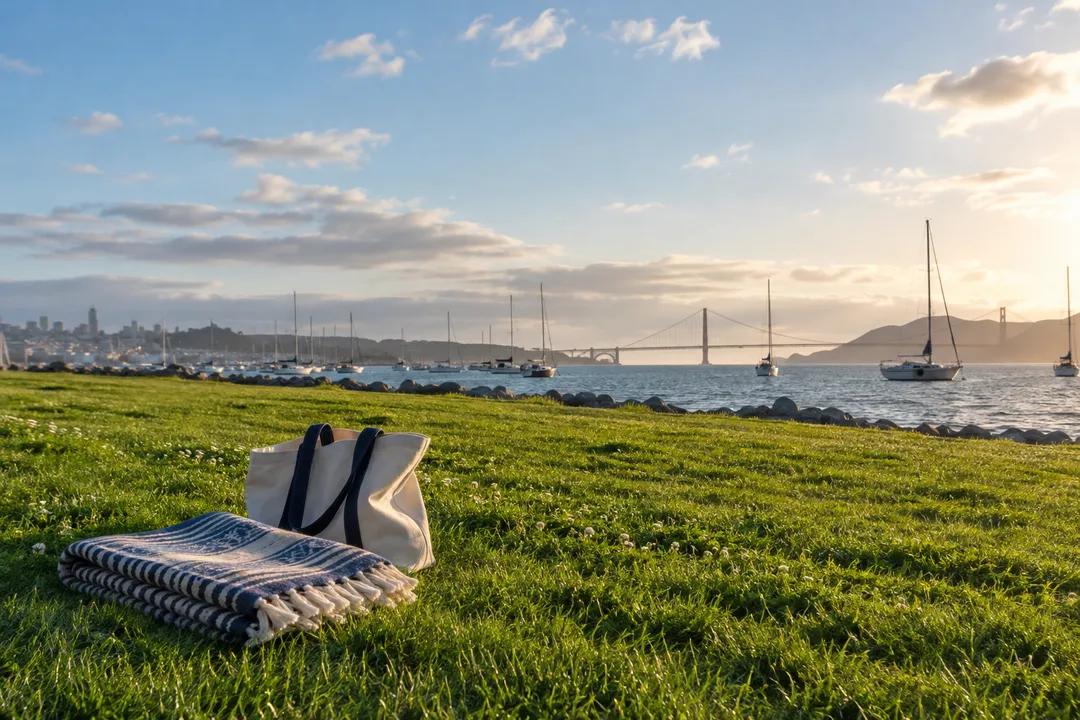
Compare variety with the cost of moving
Activity variety has value only when the transitions fit the group. If you propose several park stops, include packing up, carrying equipment and getting settled again. A picnic between activities can become a chain of chores when every move requires reorganizing bags. Ask for a version with one base and one optional excursion. Compare it with a Marina Green plan that keeps the meal and leisure time close together. Use the routes you have selected, without assuming that any lawn offers permission for every game or gathering.
Give each person one priority. Someone may want a long walk, another may want conversation and a child may want room for a quiet activity. Ask which plan accommodates those priorities simultaneously and which depends on splitting the group. Splitting can be reasonable if everyone agrees on meeting arrangements, but it should be a deliberate choice. A day described as flexible can otherwise leave one person guarding bags while the rest explore. Include that responsibility when judging how relaxing each proposal really is.
Use weather to choose the shape of the day
Provide the forecast relevant to your planned date and the times you expect to be outside. Ask how wind, cool air or rain would affect the meal, the carrying setup and the optional activity. An open lawn and a particular park site may respond differently, but the answer should remain tied to that site rather than a blanket claim that a large park is sheltered. If comfort depends on a specific feature, identify it in the route information before relying on it.
A full-day ambition does not require staying outside until the original endpoint. Build an earlier finish into both proposals and ask what you would still have enjoyed by then. Food that is difficult to manage in wind or a blanket that stays uncomfortable after damp weather can change the experience. Select a packing and meal style that suits the conditions you are prepared for. Keep any indoor alternative separate unless its access and logistics are actually part of your plan.
Put transit access beside carrying effort
Enter your departure point and the travel modes the group can use. Compare the entire chain, including transfers and the final walk with bags. A route with fewer transfers may be attractive even if its travel portion is longer. A route that drops you nearer your chosen picnic site may reduce the hardest carrying step. Ask Karpo to explain those tradeoffs using the journey information available to you. The result should not imply live vehicle tracking or make assumptions about available space on a service.
Think about the return as a separate journey. People who happily carry supplies before lunch may prefer a simpler departure after a long afternoon. Set a finishing point that works with your transport plan and avoid adding one final distant stop by default. If you drive, distinguish reaching the area from finding a legal place to leave the vehicle. Parking availability is not established by a planning recommendation. Compare what you can control: the load, the route, the departure window and how many activities remain optional.
Make the full day easy to shorten
Ask Karpo: Compare a Golden Gate Park picnic with a Marina Green picnic for our group. We are using transit, bringing a modest meal and want one shared activity after eating. Here is our forecast and carrying limit. Give each plan an arrival, a picnic period, an optional extension and a simple return. Explain whether activity variety justifies the extra movement. Replace those example preferences with your own, especially if accessibility or children's rest needs determine the location.
Choose the proposal with the most convincing ordinary version, not the most spectacular maximum version. A picnic day can be complete after the meal, conversation and a short walk. Ask what would make you extend it, then let that remain an invitation rather than a requirement. Save the chosen outline and the earlier finish together. The Karpo APP comparison has done its job when the group knows where its effort goes and can enjoy the afternoon without defending every activity on an overfilled itinerary.
Ask Karpo for more information.
Keep reading
- Stonestown Winter Farmers Market Picker for Student Cooks
 Clement St Winter Farmers Market Picker for Lunar New Year
 Fort Mason Winter Farmers Market Picker for Citrus Bakers