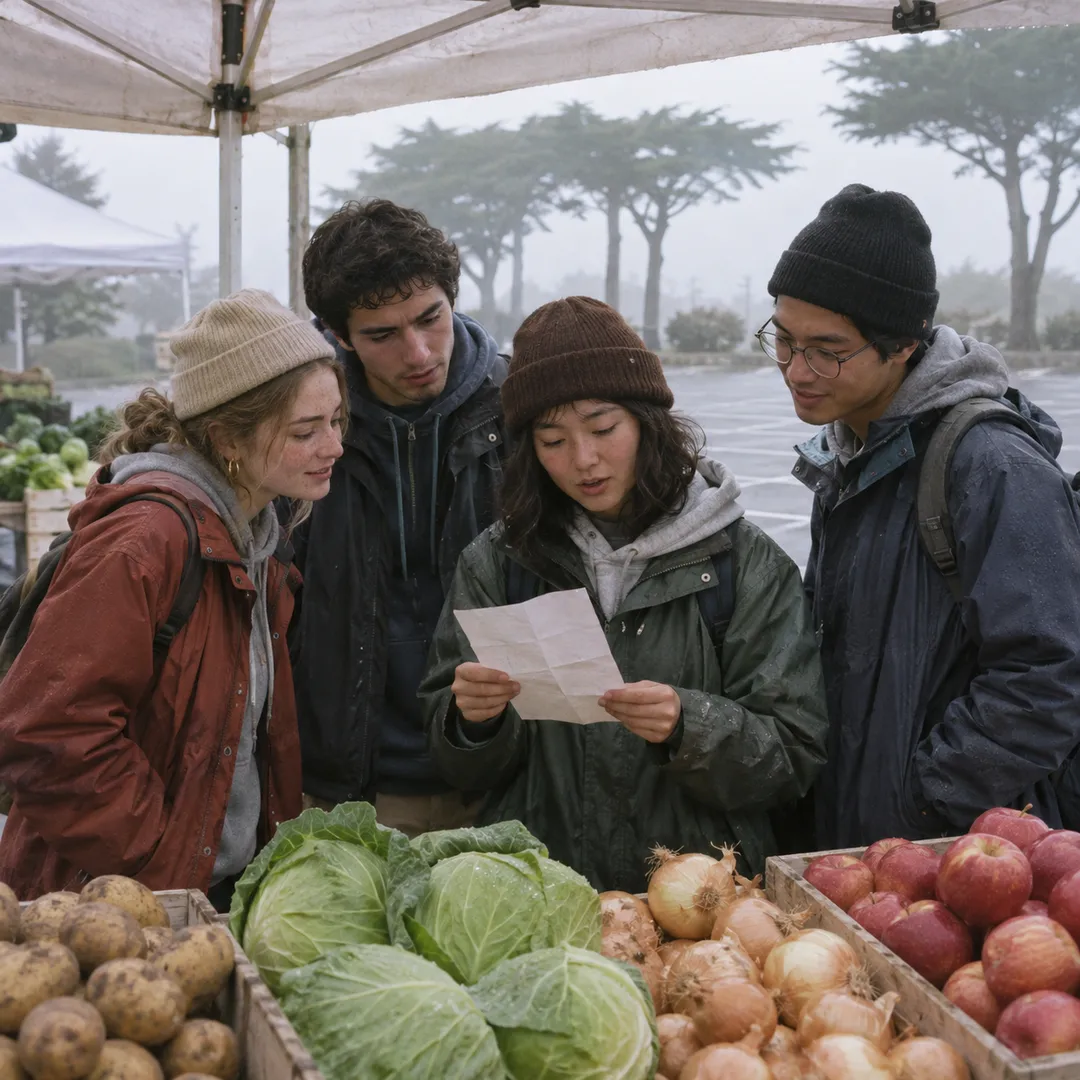
 Stonestown Winter Farmers Market Picker for Student Cooks
Weekend Plans
SF Weekend Activity Comparator: Two Food Crawls to Pick
Compare an SF Ferry Building food morning with Clement Street through tasting priorities, spending limits and walking pace, then choose a focused food crawl.
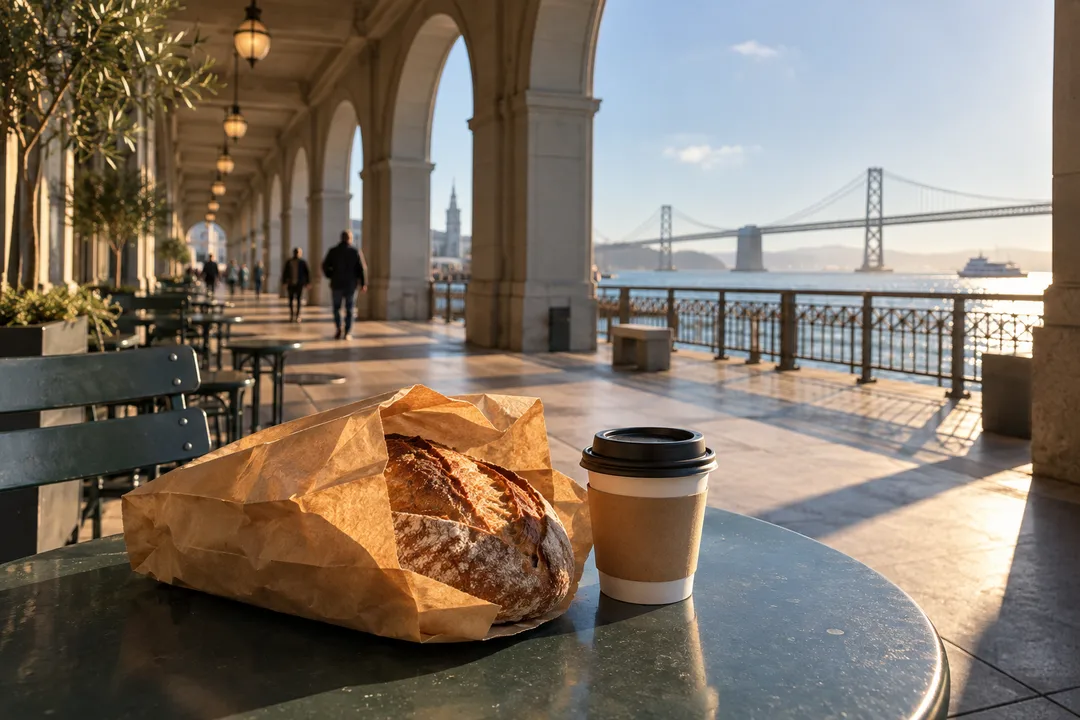
Choose a Ferry Building food morning when your proposed stops and waterfront setting match the experience you want. Choose a Clement Street crawl when the neighborhood route and foods on your shortlist matter more. The useful comparison begins with appetite, walking tolerance and a spending ceiling, rather than a claim that one district always costs less or feels quieter. In the Karpo APP, use a weekend activity comparator to organize the food stops you are considering into two realistic mornings with room to eat, pause and decide.
Build the crawl around an appetite
A food crawl can mean a proper breakfast with a small extra taste, or several shared bites spread across a walk. Those are different budgets and different amounts of food. Tell Karpo whether you are replacing a meal or sampling for curiosity. Name any foods you already want and any ingredients you avoid. A long list of tempting stops is not yet a plan. The first useful output is a short sequence that fits the group's appetite without making everyone buy something at every counter.
For each district, select an anchor purchase and an optional extra. The anchor is the item or meal that makes the journey worthwhile. An extra stays optional even if it photographs well. This structure keeps the comparison honest when one route offers many appealing distractions. If somebody wants a full savory breakfast while another wants coffee and a sweet bite, preserve both needs. Shared spending does not require identical orders, and a route should not depend on everyone enjoying the same ingredients.
Separate the waterfront mood from the food decision
The Ferry Building name can carry an appealing waterfront image, but scenery and eating logistics deserve separate rows in the comparison. Ask whether your proposed sequence includes a place to pause, time spent carrying food and an exposed stretch between stops. Do the same for the Clement Street option rather than assuming a neighborhood street guarantees easy seating. Keep any shop-specific details tied to information you actually have. A district's general atmosphere cannot establish the rules or facilities of an individual business.
Decide how much wandering belongs in the morning. Some groups enjoy browsing before choosing food. Others become frustrated if breakfast keeps slipping behind another interesting display. Tell Karpo which style describes you, and ask for the first substantial food stop to reflect it. A browse-first plan can work for people who have already eaten something. Hungry children or an early lunch commitment may call for the opposite sequence. That difference can matter more than which district contains the larger number of possible stops.
Give every purchase a job in the budget
Set a total you are comfortable spending and separate food from transport. Use actual menu amounts you have obtained when you want a numerical comparison. Otherwise keep the unknowns explicit and compare the number of planned purchases. Avoid treating an imagined average snack price as a reliable total. Ask which optional item would be removed first if the plan exceeds your ceiling. That creates a usable budget decision without implying that all food in one district is uniformly expensive or inexpensive.
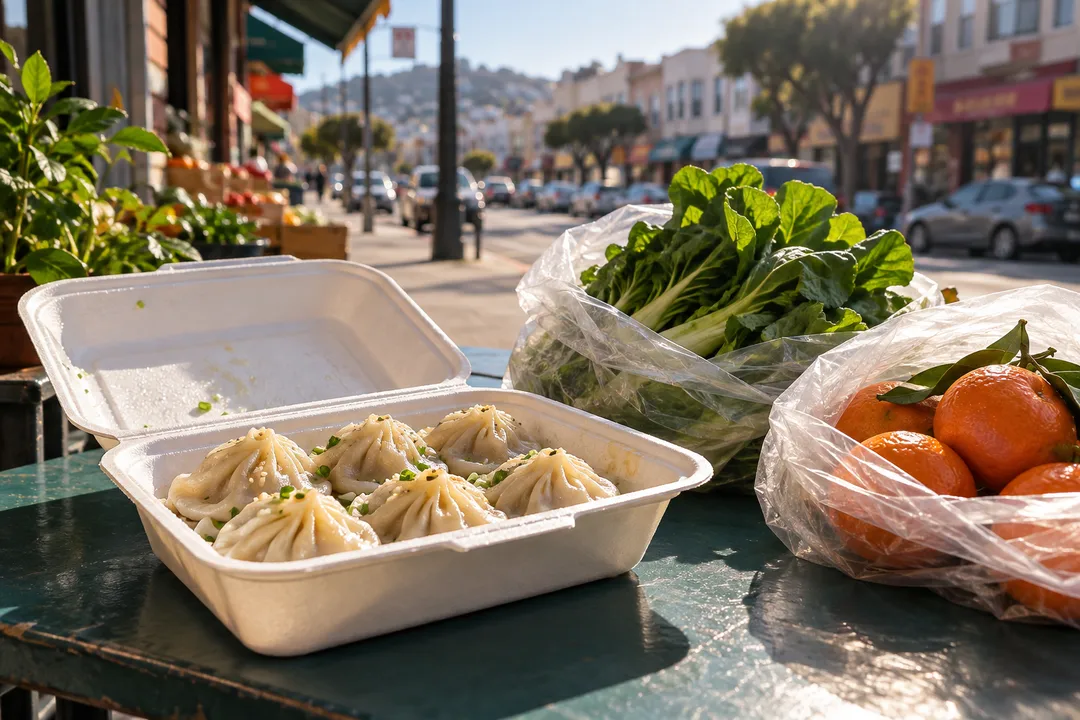
Sharing can help you taste more variety, but it only works when portions, dietary needs and the group relationship make it comfortable. Tell Karpo whether everyone pays separately and whether shared items need agreement in advance. Add room for a drink if that is part of your morning. A crawl with several small transactions can feel inexpensive at each stop while still exceeding the total you intended. Comparing the whole basket of planned purchases makes that accumulation visible before the walk begins.
Treat congestion as a scenario
Ask how each route would function if a chosen stop has a line, rather than asking the app to promise an uncrowded district. The practical questions are where the group waits, whether the next purchase can be skipped and how a delay affects the rest of the morning. You can supply observations or event information you already have, with their dates attached. They remain context for planning. They do not turn the comparison into a live crowd count or a guaranteed prediction of the next visit.
Choose a waiting limit in language the group understands. You might be happy to wait for the anchor food but unwilling to queue again for an optional taste. Ask for that distinction to shape both routes. A substitute should serve the same purpose, such as a different breakfast choice, rather than merely add another detour. If a particular food is the entire reason for going, say so. In that case a shorter crawl around one priority may beat a varied sequence that never delivers it.
Make walking pace part of the meal
Measure the route by how it feels while eating and carrying purchases. Someone balancing coffee and a takeaway box moves differently from someone taking a brisk sightseeing walk. State whether you want to sit for the main meal or are comfortable eating during designated pauses. Include children, mobility needs and bags in the request. Ask for a compact version of each crawl. A route that looks short between map pins can still feel fragmented when every stop requires regrouping and finding somewhere to pause.
Weather can change the preferred sequence without deciding the district in advance. Provide the forecast you are using and ask which portions of each proposed crawl depend on comfortable outdoor conditions. Keep a poor-weather version focused on fewer stops rather than extending the route in search of shelter that has not been established. The useful output distinguishes what is known about your selected stops from what remains a planning assumption. That makes it easier to choose an eating style suited to the morning you actually want.
Turn two lists into a decision
Try this request in the Karpo APP: Compare a Ferry Building food morning with a Clement Street food walk for three people. We want one filling savory purchase and two optional shared tastes, prefer a compact route and have a firm food budget. Use the menu details I provide, keep unknown costs separate and show what to skip if the anchor stop takes longer. Add your starting point and dietary constraints so the answer can compare the full morning rather than just the food names.
Read the result for a clear tradeoff. One proposal may suit browsing and scenery while another better matches the foods you named. Ask which assumption most affects that recommendation, then resolve that assumption if it matters to you. Finish with an anchor stop, an optional purchase and a natural endpoint. The crawl succeeds when everyone eats comfortably within the budget and time available. The comparison should make that outcome easier to achieve, with enough flexibility to leave a tempting extra for another weekend.
Ask Karpo for more information.
Keep reading
- Stonestown Winter Farmers Market Picker for Student Cooks
 Clement St Winter Farmers Market Picker for Lunar New Year
 Fort Mason Winter Farmers Market Picker for Citrus Bakers