 Bernal Heights Pottery Glaze Supply Browsing Route: Walk
Hidden Gems & Odd Finds
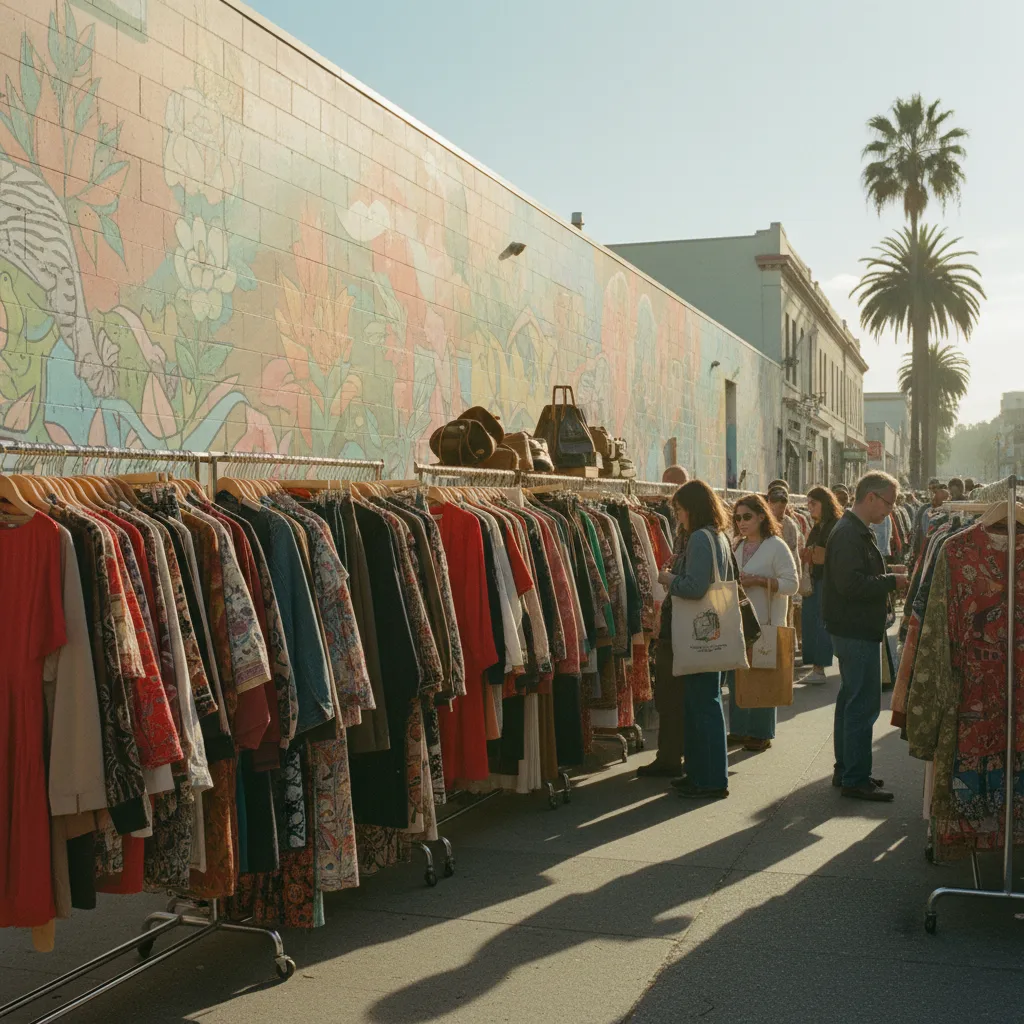
Mission District Vintage Clothing Market: Valencia Guide
Explore vintage clothing market routes across the Mission District, browsing colorful retro clothing racks, sunny public parks, and neighborhood sidewalks.
Embark on a sartorial journey through San Francisco's Mission District, a vibrant tapestry of culture and history where vintage treasures await discovery. This guide navigates the eclectic street corridors, focusing on the sensory experience of textile exploration, garment inspection, and the rhythmic flow of urban market browsing. From resilient denim to luxurious silk, prepare to unearth unique pieces that tell stories of past eras, all while immersing yourself in the neighborhood's distinctive atmosphere. Discover architectural gems and artistic expressions that form the backdrop to this unparalleled vintage expedition, ensuring a deeply authentic and rewarding experience.
Morning Market Foot Traffic and Architectural Settings
Upon exiting the 16th Street Mission BART Station, immediately immerse yourself in the district’s energetic morning pulse, particularly along Valencia Street, Mission Street, and 16th Street itself. The air hums with anticipation as pedestrians, many beginning their own vintage quests, weave through the colorful mural-lined avenues. Observe the intricate details of historic Victorian storefronts, their ornate cornices and bay windows often housing contemporary boutiques and long-standing vintage emporiums, creating a fascinating juxtaposition of old and new that defines the neighborhood’s unique character.
The architectural setting provides a rich historical context for your vintage textile hunt. Note the vibrant public artworks adorning building facades, especially in Clarion Alley and Balmy Alley, which serve as visual landmarks and cultural touchstones. These artistic expressions contribute to the area's distinct identity, enhancing the sensory experience of exploring each block. The morning light illuminates the varied textures of brick, stucco, and painted wood, setting the stage for a day of examining fabric and garment construction, connecting the built environment with the wearable artifacts you seek.
In-Hand Inspection of Vintage Denim and Workwear
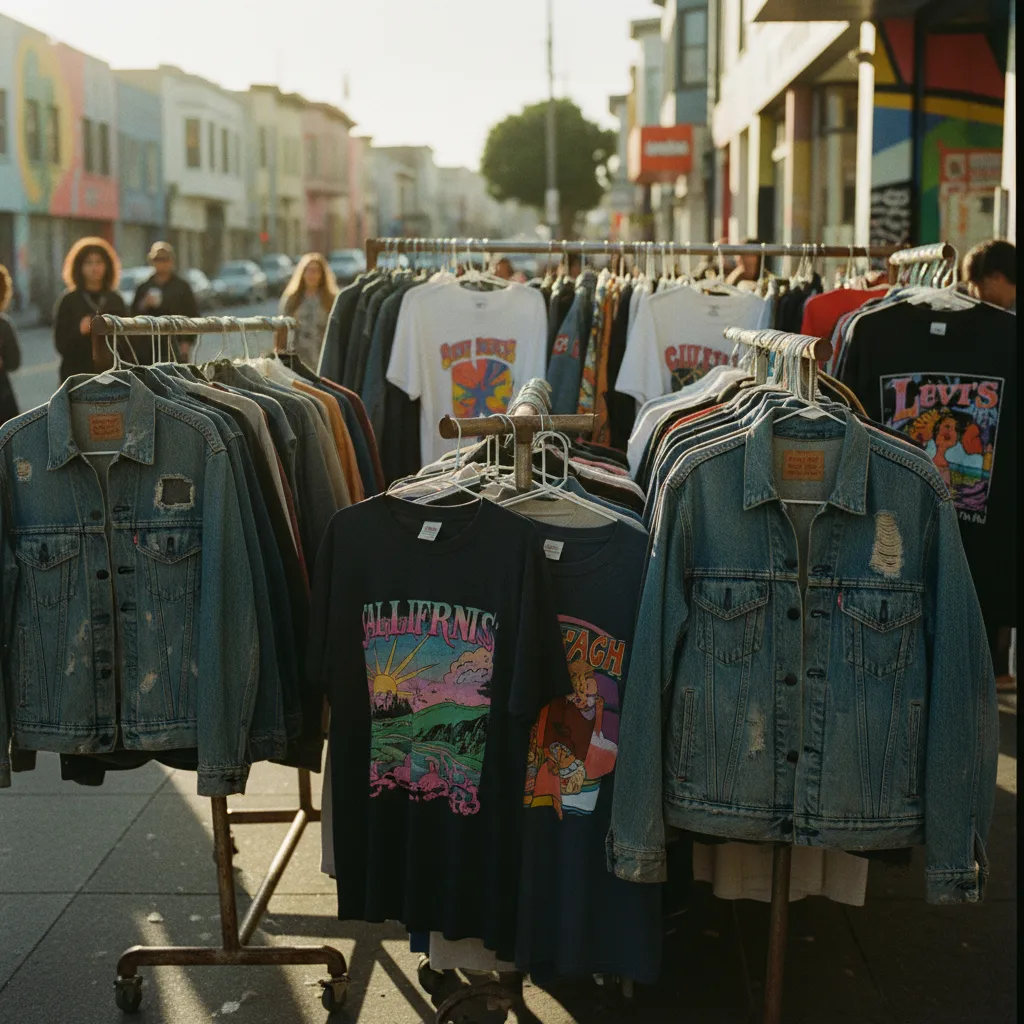
Begin your tactile exploration by focusing intently on vintage denim, a cornerstone of durable American fashion. Run your fingers along the selvedge weaves, identifying the characteristic tight, clean edge that prevents fraying, a hallmark of quality denim from past decades. Inspect the copper rivets, often stamped with brand names or patent dates, which speak volumes about a garment's age and manufacturer. Pay close attention to union tags, small woven labels often found inside pockets or waistbands, providing insights into labor practices and manufacturing origins, offering a rare glimpse into industrial history.
Further your examination with workwear canvas, noting its robust texture and often faded, lived-in patina. Evaluate the stitching, particularly historic chainstitching, recognizable by its distinct looped pattern on hems and seams, which signifies traditional manufacturing techniques. Observe the wear patterns, knee fades, and subtle discolorations that tell the story of a garment’s previous life, adding to its unique charm and authenticity. This deep inspection reveals the craftsmanship and resilience inherent in true vintage workwear, differentiating it from modern reproductions.
Tactile Evaluation of Knitwear, Silks, and Leathers
Shift your focus to vintage knitwear, running your hands over the varied textures of wool, cotton, and blends. Evaluate the drape and elasticity of retro cardigans, assessing their original fiber content and construction quality. Inspect the horn buttons, often featuring unique natural patterns and subtle variations, which are indicators of genuine vintage pieces and superior craftsmanship. Feel for the density and loft of the knit, noting any repairs or signs of hand-mending, which add character and speak to a garment’s longevity and care.
Extend your tactile assessment to silk scarves, appreciating their smooth, cool hand and often intricate printed patterns. Unfold them completely to inspect for any pulls, snags, or fading, while enjoying the vibrant designs. Conclude this phase with supple leather jackets, feeling the patina that develops over decades, which imbues each piece with unique character. Observe the softness and flexibility of the leather, paying attention to seam construction and zipper quality, as these elements inspect the garment's integrity and original material excellence.
Peaceful Respite at Mission Dolores Park & 24th Street Plaza
After the focused intensity of market browsing, seek a peaceful respite at Mission Dolores Park, a quintessential San Francisco green space offering panoramic city views. Find a quiet bench or a spot on the grass to sit and enjoy a freshly brewed coffee, allowing a moment of calm amidst the urban energy. This break provides an ideal opportunity to review your morning finds, spread out your newly acquired textiles, and re-evaluate each piece in natural light, appreciating their individual narratives away from the bustling streetscape.
Alternatively, the smaller, more intimate 24th Street Plaza provides a tranquil spot for a similar acoustic respite from traffic. The sounds of the city soften here, allowing for quiet contemplation. Use this time to consider how your new vintage acquisitions fit into your existing wardrobe, and to plan your subsequent explorations. This reflective pause is integral to the vintage hunting experience, allowing for a deeper connection with the garments and the neighborhood’s serene pockets, recharging you for the afternoon's discoveries.
Dressing for SF Weather and Preparedness for Browsing
Dressing appropriately for San Francisco’s famously capricious weather is paramount for a comfortable and productive vintage hunt. Prioritize adaptable layers; a light base, a mid-layer sweater or cardigan, and a wind-resistant outer shell will serve you well through the city’s microclimates. The ability to shed or add layers as you move from sunny streets to shaded interiors ensures sustained comfort throughout your exploration, allowing you to focus on the treasures at hand rather than temperature fluctuations.
Comfortable walking shoes are non-negotiable for traversing the Mission District’s varied terrain and maximizing your browsing time. Beyond footwear, strategic packing enhances efficiency: carry a retractable measuring tape for accurate garment assessment, allowing you to inspect dimensions without relying on approximations. Crucially, bring reusable canvas tote bags; these not only align with sustainable shopping practices but also provide sturdy, spacious carriers for your precious vintage finds, minimizing the need for single-use plastics from vendors.
Seamless Transit Connections and Digital Navigation
The 16th Street Mission BART Station serves as an excellent central hub for transit connections, facilitating seamless arrival and departure from the vintage market corridors. From this station, explore the connected pedestrian loops that extend along Valencia, Mission, and 16th Streets, allowing for efficient navigation between diverse vintage shops and market stalls. Familiarize yourself with the street grid; many key vintage spots are within a comfortable walking radius, making foot travel the primary and most rewarding mode of transport within this district.
Enhance your self-guided exploration with a digital navigation tool like the Karpo APP. This application proves invaluable for saving favorite spots, allowing you to pin specific vintage stores or market stalls for future reference or revisits. Utilize its mapping features to plot optimal walking routes, ensuring you cover key areas efficiently. Furthermore, the Karpo APP assists in timing neighborhood transit, providing real-time updates for buses or BART, should you wish to explore areas slightly further afield, ensuring a smooth and well-organized vintage expedition.
Ask Karpo for more information.
Keep reading
- Bernal Heights Pottery Glaze Supply Browsing Route: Walk
 Potrero Hill Pottery Glaze Supply Browsing Route: Walk
 Mission Pottery Glaze Supply Browsing Route: Studio Walk