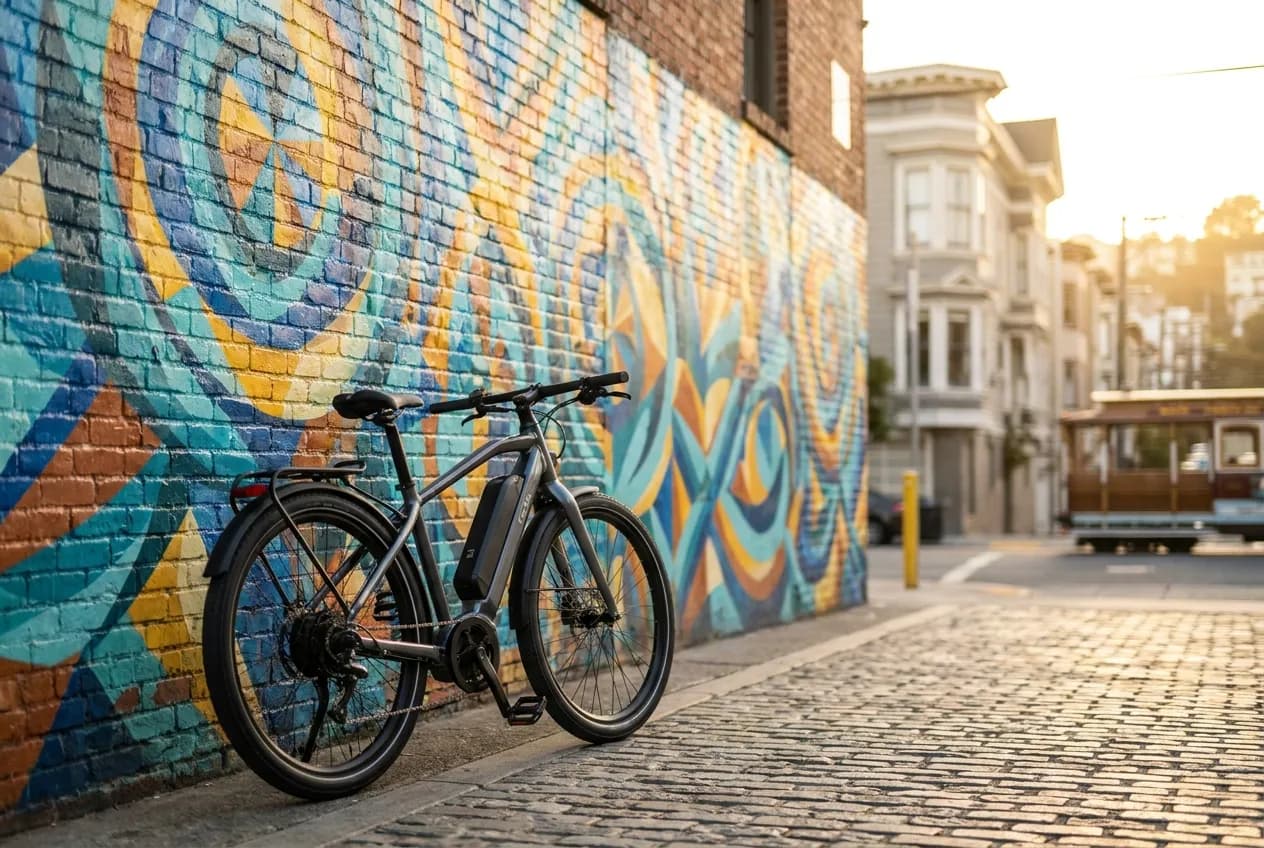
Power banks get the headlines, but the battery rules that actually surprise people at SFO involve everything else: the vape in a checked duffel, the e-bike battery in a bike box, the pile of camera spares from a wedding shoot, the drill pack from a Tahoe cabin project. In a year when federal regulators have counted 58 lithium incidents on US passenger flights and airlines keep adding restrictions, here is the full taxonomy — what flies, what flies only beside you, and what does not fly at all.
Karpo can sort any packing list into cabin, checked and leave-home in one pass, and check your airline's latest battery fine print. Text Karpo what you're bringing and pack it right the first time.

Vapes: the strictest small rule
E-cigarettes and vaping devices carry the most absolute rule in the cabin-bag universe: they must travel in the cabin, never in checked luggage — the heating element plus battery combination has a documented habit of activating in bags. Onboard, using them is banned everywhere and charging them is banned too. Stash the device where it can't switch on (a case, not a loose pocket), and note that this rule is about the hardware, not the substance: it applies identically to every vape pen regardless of what it vaporizes. Checked-bag vapes are among the most commonly confiscated battery items in American airports; don't donate yours.
Spare vape batteries — the loose 18650 cells many devices use — follow spare-battery law: cabin only, terminals protected, ideally in a plastic cell case. Loose cells rattling against keys are the classic short-circuit story.
E-bikes and scooters: mostly grounded
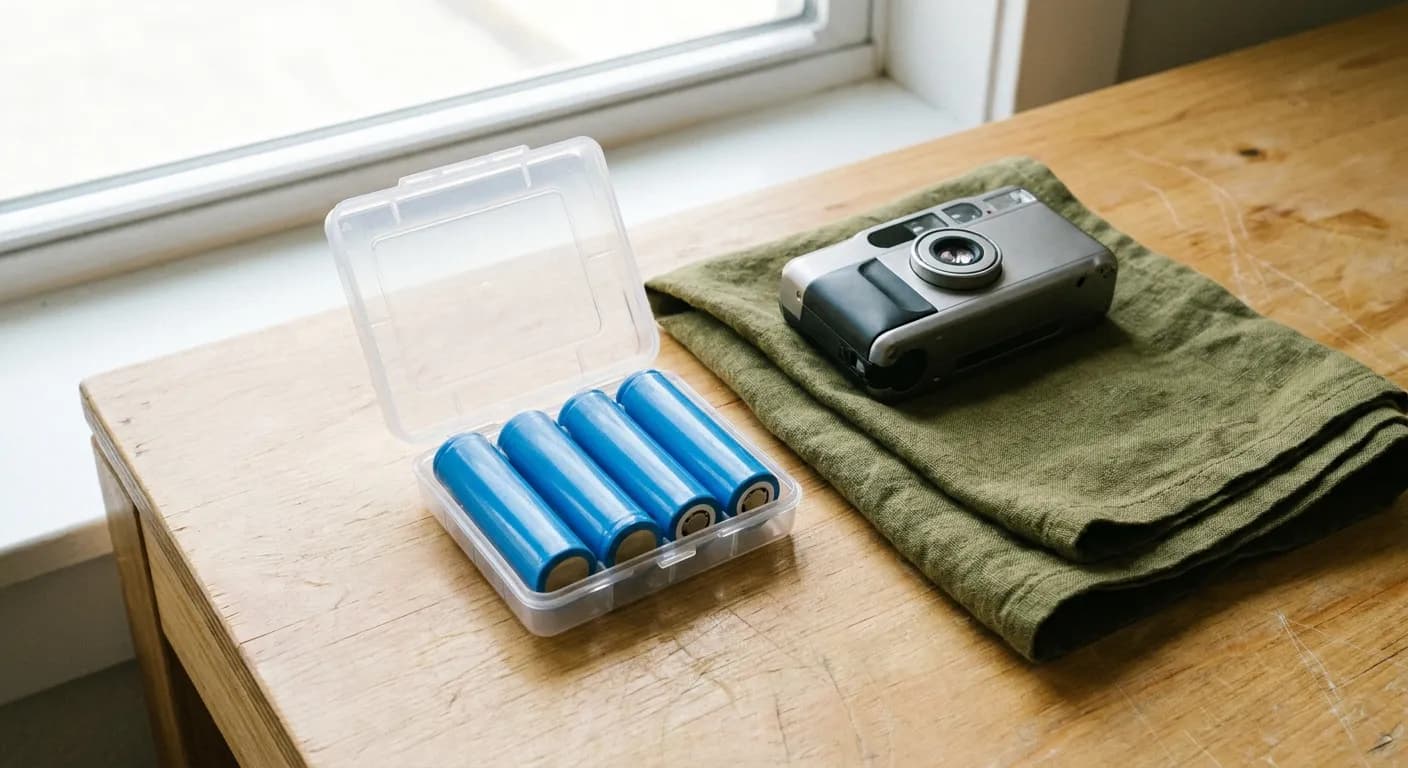
Here is the rule that stings in a city full of e-bikes: the watt-hour math bans nearly every e-mobility battery from passenger flights. The ceiling for any lithium battery on a passenger aircraft is 160 Wh with airline approval — and mainstream e-bike packs run 400 to 700 Wh, with scooter packs not far behind. No approval process fixes that; the battery simply cannot board, in any bag, on any passenger airline. Flying with the bike itself is possible — frame checked as sporting equipment, battery shipped separately via ground carriers who handle dangerous goods, or rented at the destination. San Francisco cyclists planning bike trips abroad hit this constantly, and the ship-or-rent decision is best made weeks out, not at the counter.
Power-tool packs sit in the friendlier zone: most drill and driver batteries fall under 100 Wh and fly cabin-only like any spare, while the big 60-volt landscaping packs need the label check. Tool in the checked bag, batteries in the backpack — the sort takes ten seconds.
Camera spares and the professional pile
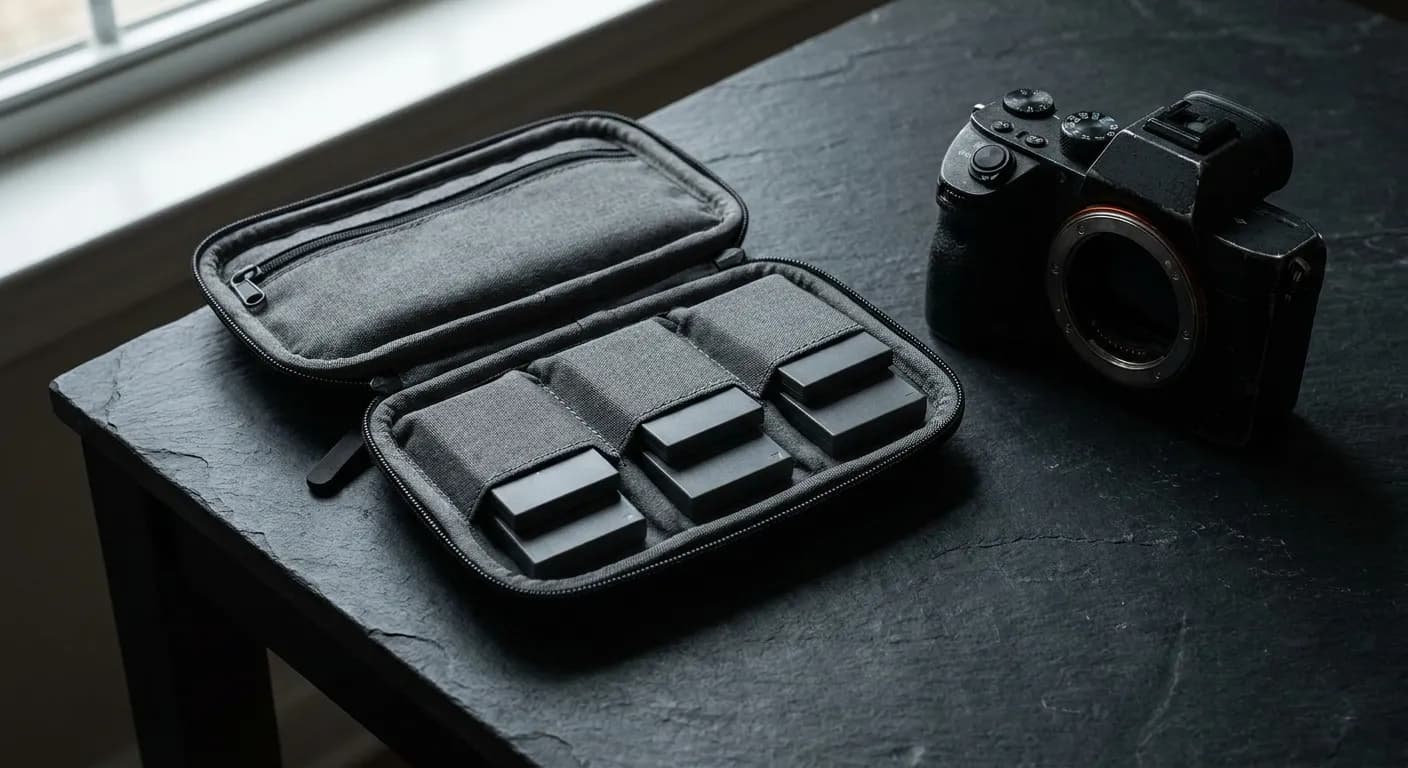
Photographers travel heavy on spares, and the rules scale gracefully: standard mirrorless and DSLR batteries are well under 100 Wh — carry as many as you genuinely need, cabin-only, terminals capped or taped. The pro-video bricks (V-mount packs and similar) often land in the 100–160 Wh approval band, capped at two spares with the airline's blessing — email ahead, keep the approval in writing, and label watt-hours visibly. Broadcast-scale batteries over 160 Wh travel by cargo, not with you. The universal craft: original packaging or dedicated cases, no loose cells in pockets, and everything reachable rather than binned overhead.
The taxonomy, memorized
Three shelves, everything sorted. Cabin-only: power banks, all spare cells, vapes, smart-luggage batteries removed from the bag. Cabin-preferred but checkable if fully off: laptops, cameras, devices with installed batteries. Grounded entirely: anything over 160 Wh — e-bike, scooter and most large mobility packs. When a gadget defies categorization, find its watt-hour label and the shelf reveals itself. And the eternal caveat of 2026: airlines keep tightening usage rules on top of the federal floor, so the carrier's own battery page gets the final word before every trip.
Practical notes
Vapes: cabin only, never used or charged onboard. Spare batteries of any kind: cabin only with protected terminals. E-bike and scooter packs: over the 160 Wh passenger-aircraft limit — ship ground with a dangerous-goods carrier or rent at destination. Tool and camera batteries: usually under 100 Wh; 100–160 Wh needs airline approval, max two spares. Federal details on the FAA PackSafe pages; airline policies vary and changed during 2026, so verify before flying from SFO.
Tags: #karpo #sanfrancisco #sfo #batteryrules #vape #ebike #camerabattery #packingtips #travelsafety #travel2026
Sources consulted: faa.gov · tsa.gov · flysfo.com
All trademarks are the property of their respective owners.
Ask Karpo first
Flying with a bike, a camera kit or a bag of mystery cells? Ask Karpo to sort it before you zip it — and to find the ground-shipping option when the battery can't board with you.